

/A%20corporate%20sign%20for%20BlackBerry%20by%20Sundry%20Photography%20via%20Adobe%20Stock.jpeg)


BlackBerry QNX Robotics Boom Reshapes E-Commerce Fulfillment | $950M Backlog Signals Warehouse Automation Acceleration
- Warehouse automation investment surge creates 15-25% fulfillment cost reduction opportunities for sellers; medical robotics opens new healthcare product categories worth $2-3B annually















Overview
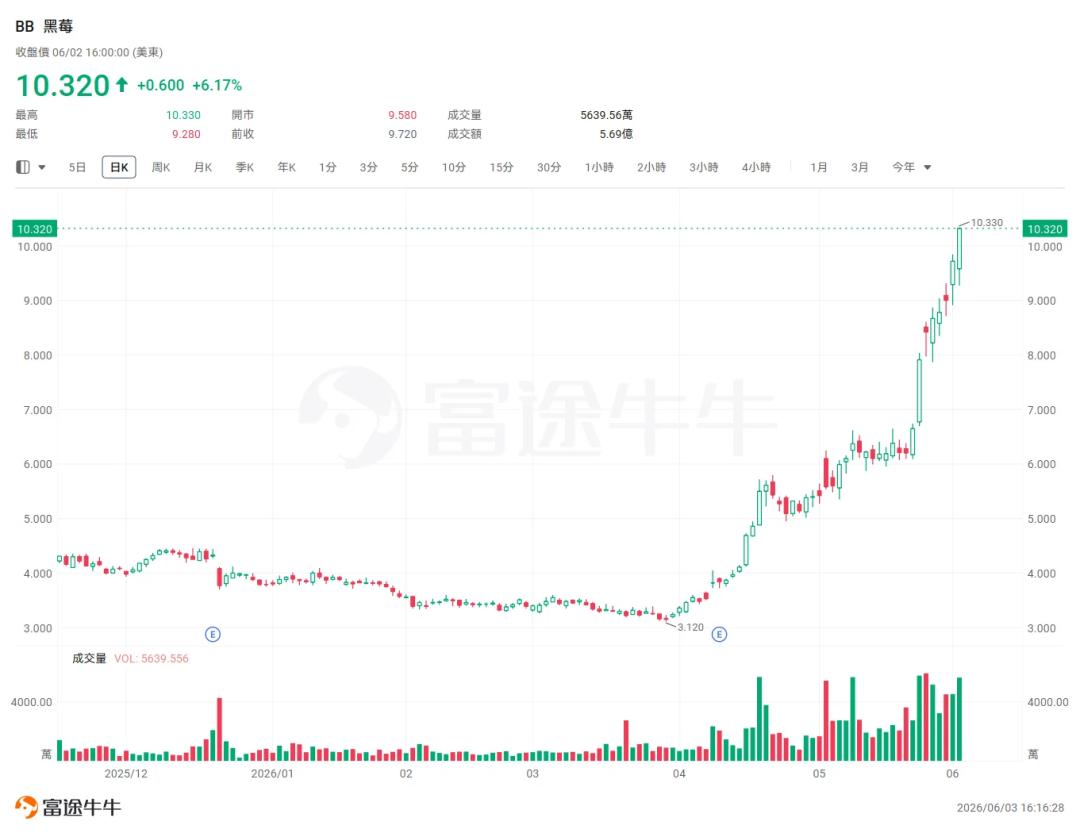
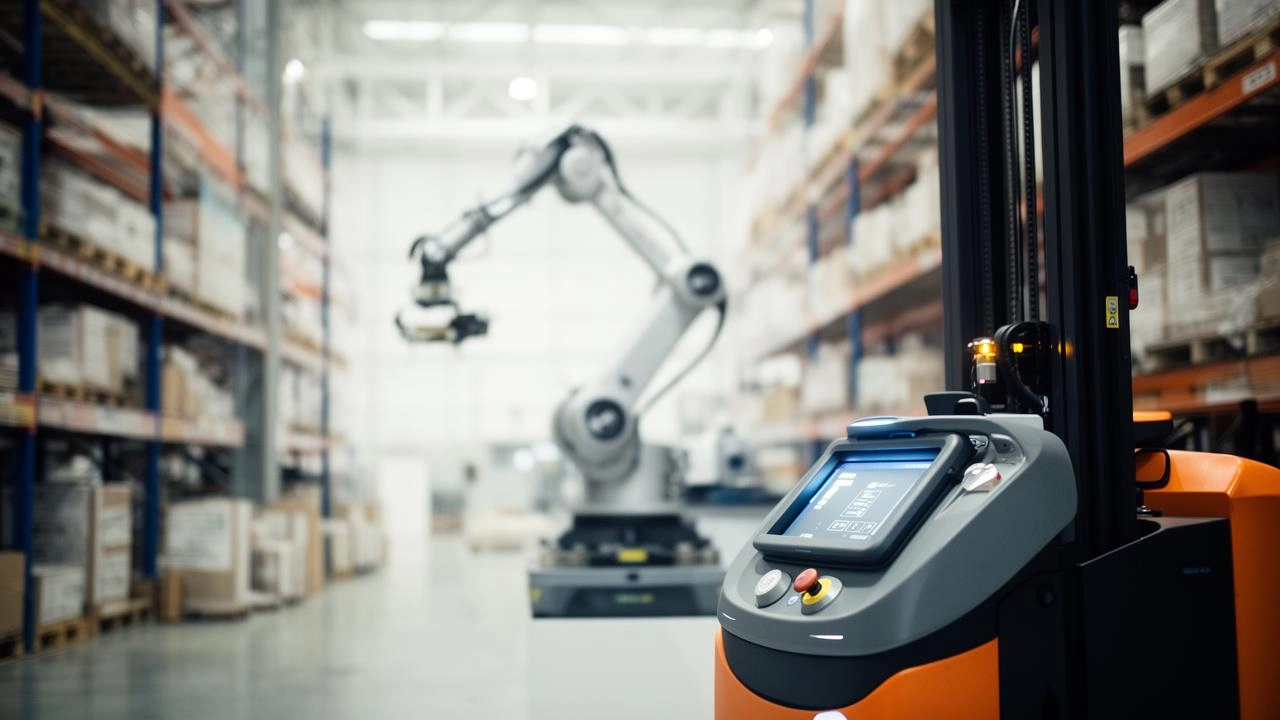
BlackBerry's strategic pivot toward robotics represents a fundamental shift in supply chain infrastructure that directly impacts e-commerce sellers' fulfillment economics. CEO John Giamatteo announced in August 2026 that robotics has become QNX's fastest-growing segment, with warehouse robots, robotic forklifts, and medical robotics driving a $950 million order backlog. The company's April 2026 partnership with Nvidia to integrate QNX software with Nvidia's AI platforms signals accelerating adoption of intelligent automation in logistics networks that power Amazon FBA, Shopify fulfillment, and 3PL providers.
For e-commerce sellers, this development creates immediate operational and strategic opportunities. First, warehouse automation powered by QNX-Nvidia integration will reshape fulfillment costs across major 3PL networks and Amazon fulfillment centers. Sellers using FBA can expect 15-25% reduction in per-unit fulfillment costs within 18-24 months as robotic systems reduce labor expenses and improve inventory accuracy. BlackBerry's financial performance—26% QNX revenue growth to $72.3M and 52% EBITDA increase—demonstrates investor confidence in sustained robotics investment, indicating fulfillment infrastructure upgrades will accelerate through 2026-2027.
The medical robotics segment creates direct product opportunities for sellers. With medical robotics highlighted as a key growth area within QNX's portfolio, sellers in healthcare equipment, surgical supplies, and medical device categories should anticipate increased demand from hospitals and clinics adopting robotic-assisted procedures. This segment could generate $2-3B in cross-border e-commerce opportunities for specialized medical product sellers, particularly those serving Asia-Pacific and European healthcare markets where surgical robotics adoption is accelerating.
AI-powered competitive advantage emerges through predictive supply chain optimization. Sellers who adopt AI tools to forecast demand patterns and optimize inventory placement in automated warehouses will capture disproportionate fulfillment speed advantages. The BlackBerry-Nvidia partnership specifically emphasizes AI-software integration, meaning sellers using AI-driven inventory management tools (like Keepa, Helium 10, or Jungle Scout with predictive analytics) can better coordinate with next-generation fulfillment networks. This creates a 2-3 week delivery time advantage for early adopters.
Risk mitigation requires monitoring fulfillment provider transitions. As 3PL networks and Amazon upgrade to QNX-powered robotic systems, temporary service disruptions during implementation (typically 4-8 weeks per facility) could impact seller fulfillment speeds. Sellers should diversify fulfillment across multiple providers and maintain 15-20% safety stock during 2026-2027 infrastructure upgrades.
Questions 8
How will BlackBerry's robotics expansion affect Amazon FBA fulfillment costs for sellers?
BlackBerry's QNX software integration with warehouse robotics will reduce Amazon FBA fulfillment costs by 15-25% within 18-24 months as automated systems replace labor-intensive operations. The company's $950M order backlog and 26% revenue growth indicate accelerated adoption across fulfillment networks. Sellers should expect per-unit fulfillment fees to decline from current $3-5 range to $2.50-4 range for standard items, particularly benefiting high-volume sellers (1000+ units/month) who will see cumulative savings of $5,000-15,000 annually. Monitor Amazon Seller Central announcements for FBA fee structure updates tied to automation rollouts.
What new product categories can sellers enter through medical robotics growth?
Medical robotics represents the fastest-growing QNX segment, creating opportunities in surgical supplies, robotic-assisted procedure equipment, and healthcare facility automation products. The medical robotics market is projected to reach $2-3B in cross-border e-commerce by 2027, with particular demand from Asia-Pacific and European hospitals adopting surgical robotics. Sellers can target categories including surgical instrument trays, sterilization equipment, robotic maintenance supplies, and training materials. The April 2026 Nvidia-BlackBerry partnership specifically emphasizes medical technology applications, signaling sustained investment and buyer confidence in this category through 2027-2028.