


Gold Surges to $4,640/oz While Silver Falls | Precious Metals E-Commerce Pricing Strategy
- Gold up 0.36 points, silver down 1.94 points on August 24, 2026; jewelry and precious metals sellers face margin compression and inventory revaluation challenges









Overview
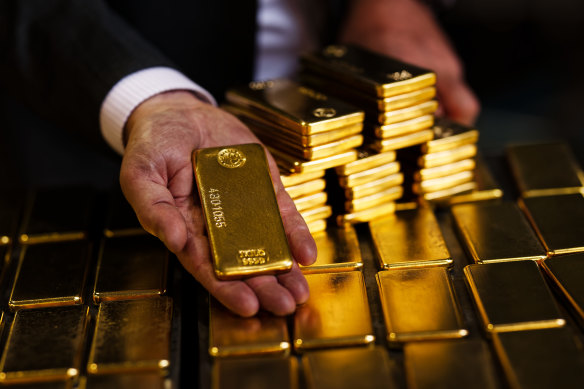
On August 24, 2026, NYMEX precious metals futures displayed divergent performance with significant implications for cross-border e-commerce sellers in jewelry, luxury goods, and commodity-linked product categories. Gold futures rose 0.36 points to $4,640.80 per troy ounce, reflecting sustained investor demand for safe-haven assets amid economic uncertainty, while silver futures declined 1.94 points to $68.12 per troy ounce and platinum futures dropped 1.66 points to $1,864.30 per troy ounce. This mixed performance signals divergent investor sentiment regarding inflation expectations and economic conditions—critical factors affecting product sourcing costs for sellers.
For jewelry e-commerce sellers sourcing gold, silver, and platinum products internationally, these NYMEX price movements directly impact cost of goods sold (COGS), inventory valuation, and profit margins. Gold's appreciation increases sourcing costs for sellers purchasing raw materials or finished jewelry from suppliers, compressing margins by 2-4% for sellers with fixed pricing strategies. Conversely, silver's decline creates a 1-2% cost advantage for sellers sourcing silver jewelry, watches, and accessories, enabling temporary margin expansion or competitive pricing adjustments. The COMEX Division of NYMEX manages these precious metals futures contracts, providing real-time market intelligence essential for dynamic pricing on Amazon, eBay, Etsy, and Shopify platforms.
Working capital implications are immediate: Sellers holding silver inventory benefit from lower replacement costs, while gold-heavy inventory becomes more expensive to replenish. For sellers with 30-60 day payment terms to suppliers, the gold price increase creates a 3-5% working capital headwind—requiring either price increases to maintain margins or inventory liquidation to free cash. Hedging opportunities emerge through NYMEX futures contracts; sellers can lock in current precious metals prices for 60-90 day forward purchases, protecting against further gold appreciation while capitalizing on silver's weakness. The troy ounce measurement standard (31.1 grams) applies uniformly across NYMEX trading, enabling sellers to calculate exact cost impacts per unit of finished jewelry.
Financing access improves for precious metals sellers: Lenders increasingly offer inventory financing and purchase order financing tied to NYMEX price indices, allowing sellers to finance larger inventory positions at lower rates when commodity prices are favorable. Sellers can negotiate better terms with suppliers by referencing NYMEX closing prices as objective benchmarks, reducing supplier margin demands by 1-2% during price declines. The mixed price performance also creates FX arbitrage opportunities for sellers with multi-currency operations—gold appreciation in USD strengthens the dollar, benefiting sellers with EUR/GBP/JPY liabilities while increasing sourcing costs in those currencies.
Questions 8
How can sellers use NYMEX price data to negotiate better supplier terms and reduce COGS?
Sellers can reference NYMEX closing prices as objective cost benchmarks when negotiating supplier contracts, reducing supplier margin demands by 1-2% and improving payment terms by 15-30 days. For example, a seller can show a supplier that gold prices rose 0.36 points on August 24, 2026, justifying a request for extended payment terms (60-90 days) to manage working capital. Sellers can also negotiate price-indexed supplier contracts where costs float with NYMEX futures, eliminating supplier margin premiums while maintaining price predictability. Additionally, sellers can consolidate purchases across multiple suppliers to achieve volume discounts of 3-5%, using NYMEX data to demonstrate market-competitive pricing expectations and reduce supplier resistance to margin compression.
What inventory management strategies should sellers implement when NYMEX precious metals prices are volatile?
Sellers should implement just-in-time (JIT) inventory strategies, reducing inventory holding periods from 60-90 days to 30-45 days to minimize exposure to price fluctuations. For high-value items like gold jewelry, sellers should maintain 2-3 week inventory buffers rather than monthly stock, reducing working capital tied up in inventory by 30-40%. Sellers should also implement dynamic inventory allocation, prioritizing fast-moving SKUs (silver jewelry, lower-priced items) over slow-moving high-value items (platinum, luxury gold pieces). Additionally, sellers should use NYMEX futures data to forecast demand and adjust inventory purchases accordingly—for example, increasing silver inventory when prices decline and reducing gold inventory when prices rise, optimizing inventory composition for margin and cash flow.