

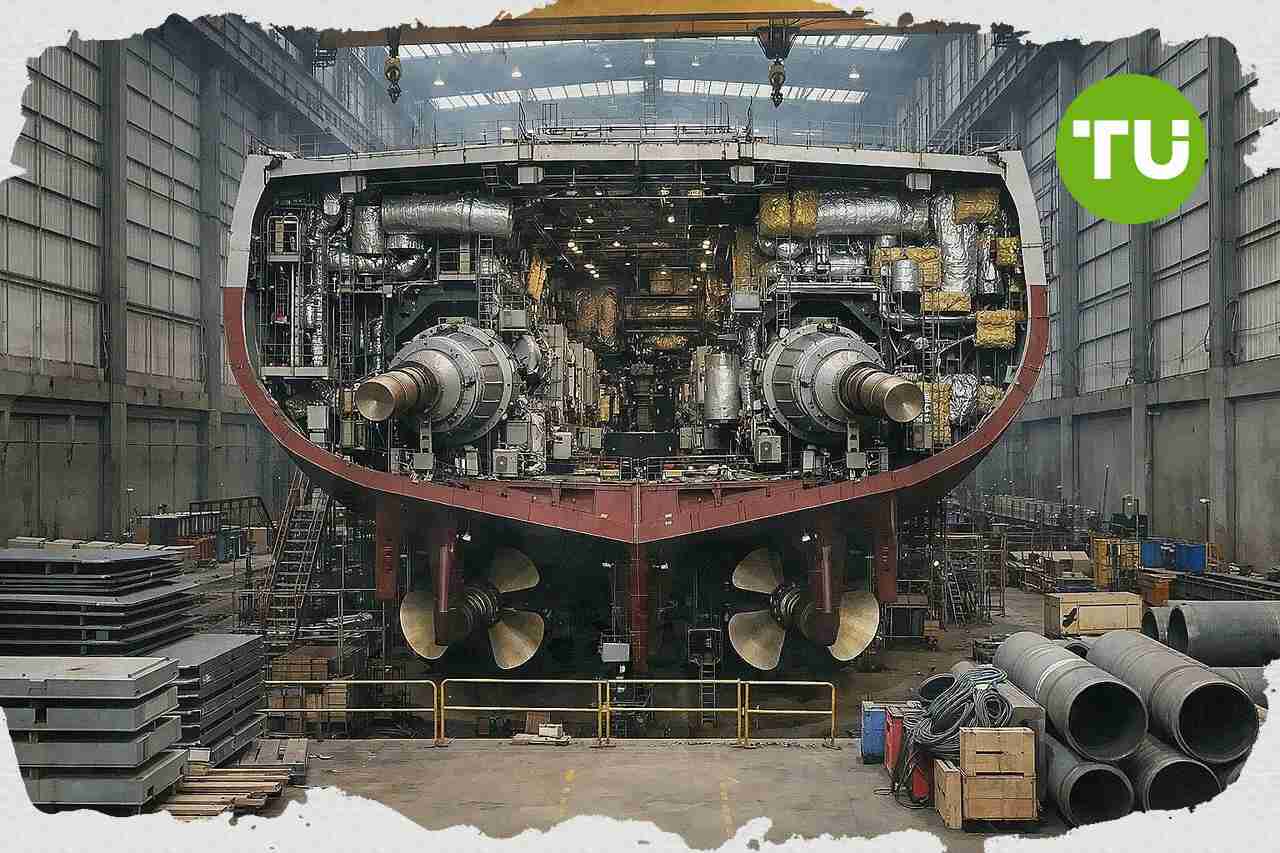


Nuclear-Powered Shipping Revolution | Cross-Border Sellers Face 15-25% Logistics Cost Reduction by 2031
- US government invests $2-4B in SMR maritime technology; Port of Corpus Christi & Long Beach establish testing zones; Core Power secures $200M funding; California approves first nuclear project in 30 years—reshaping transpacific/transatlantic e-commerce logistics

















Overview
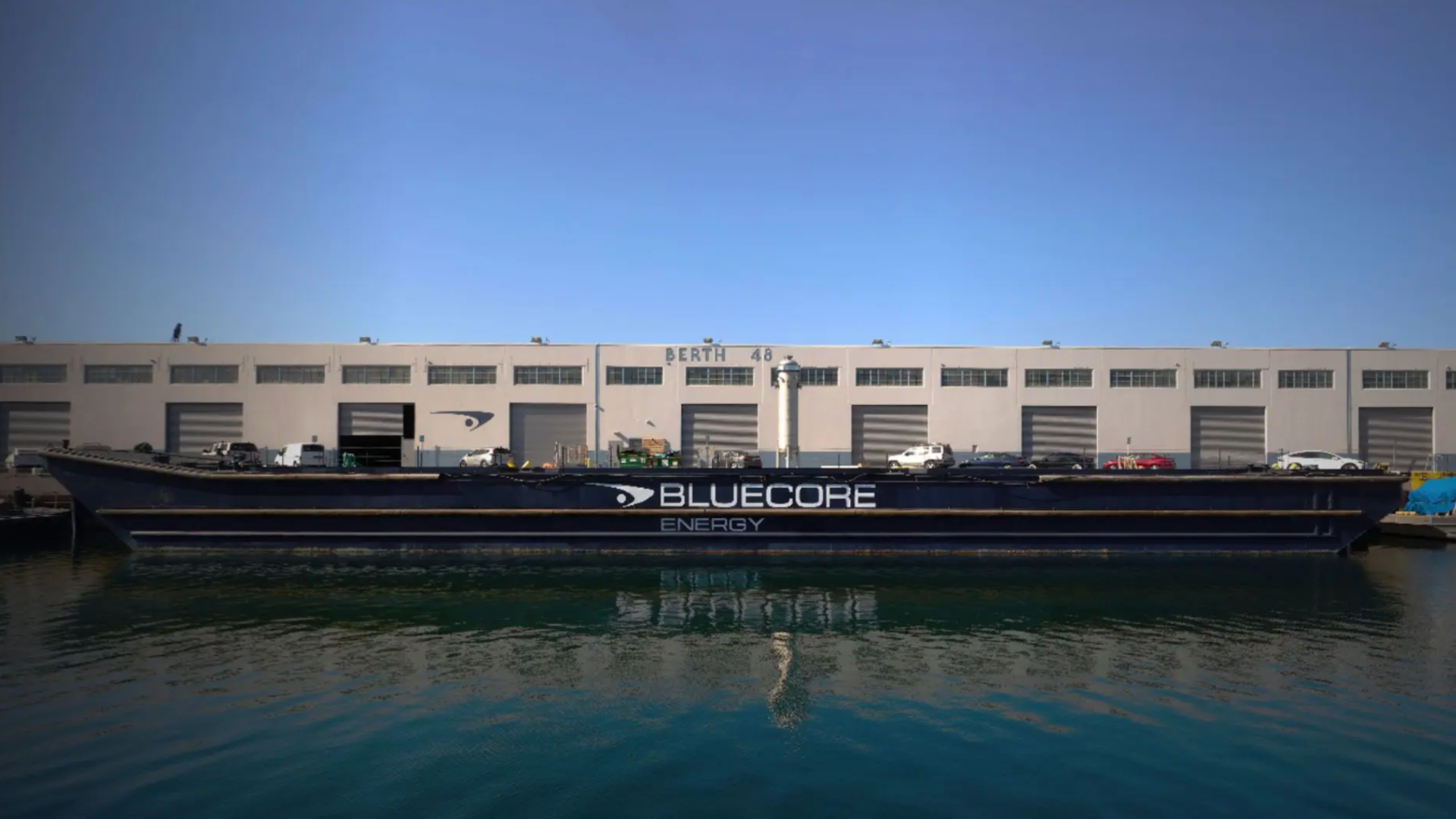
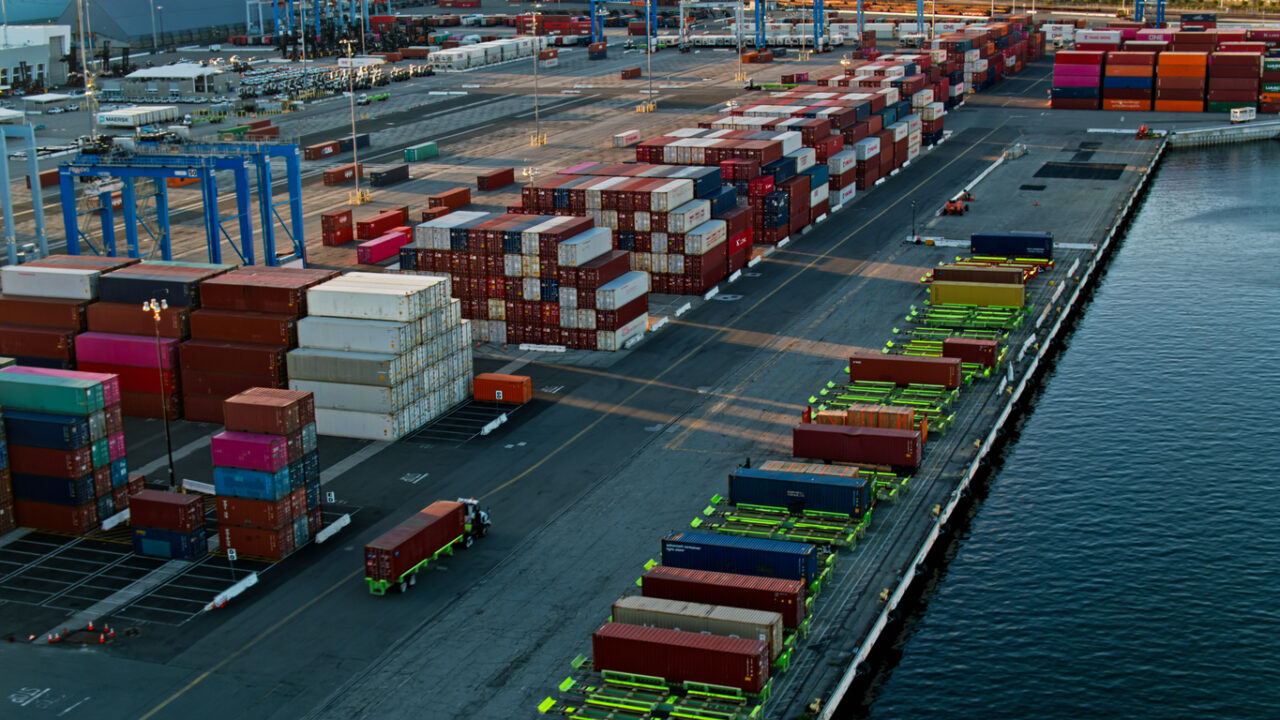
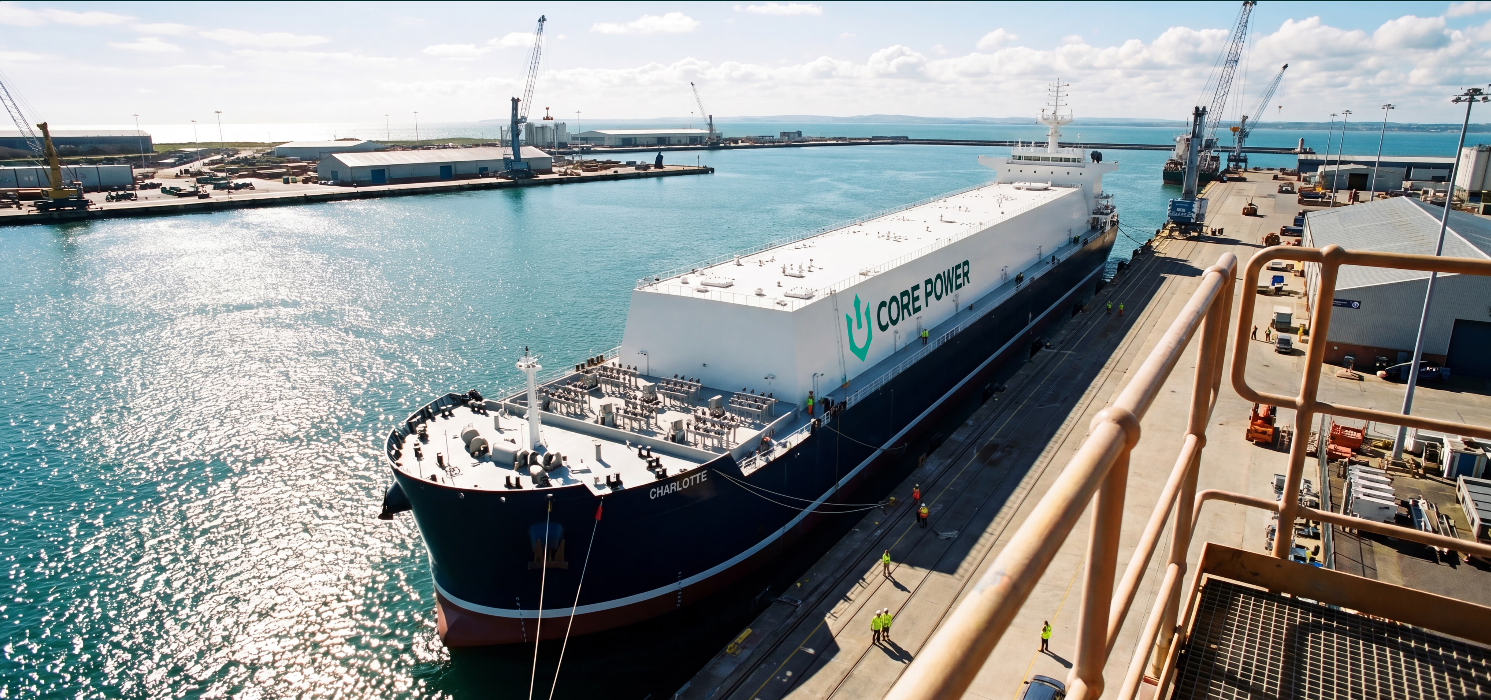
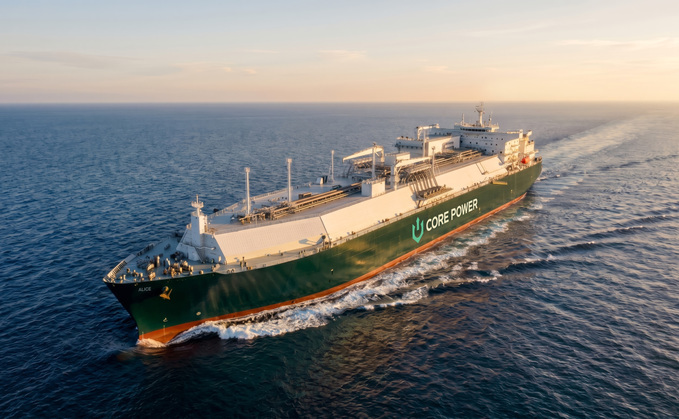
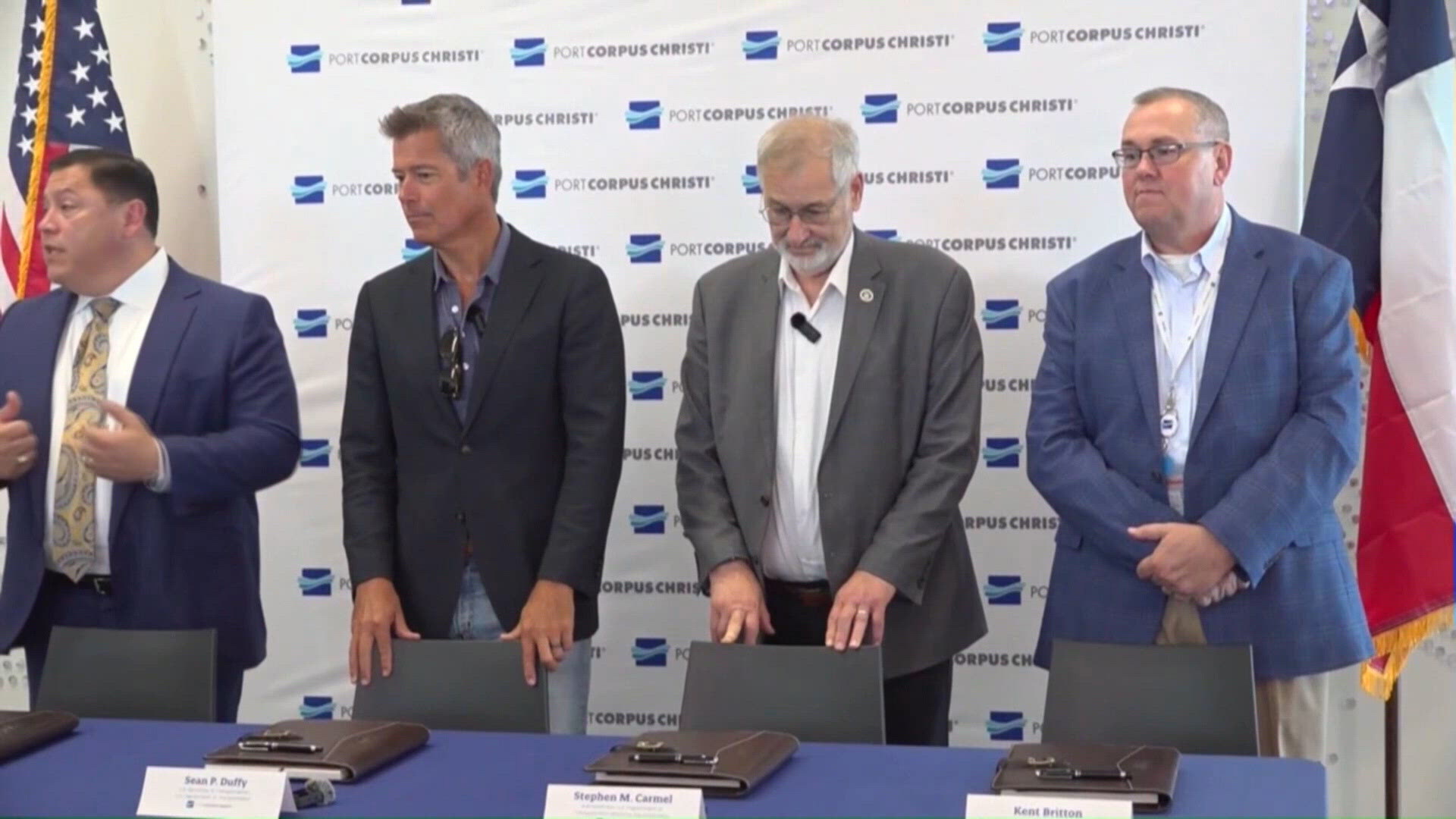
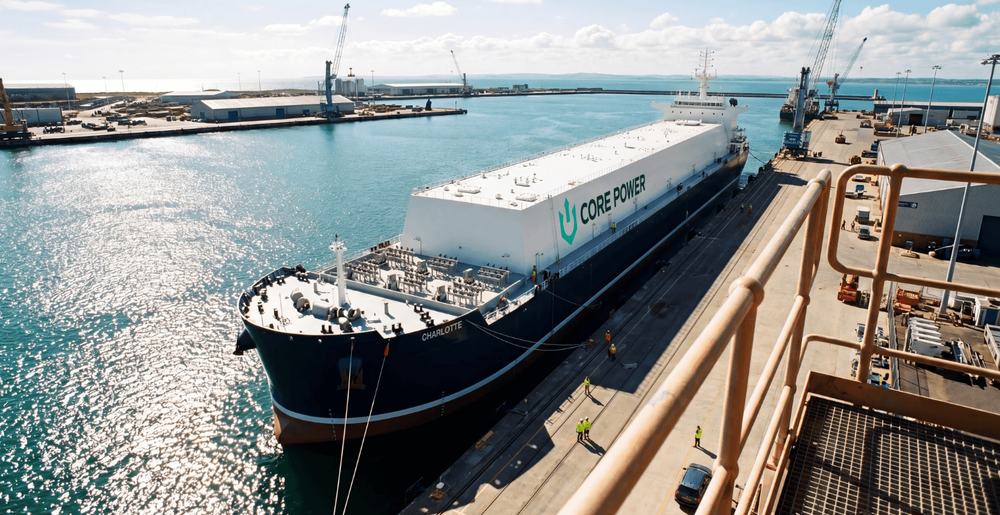
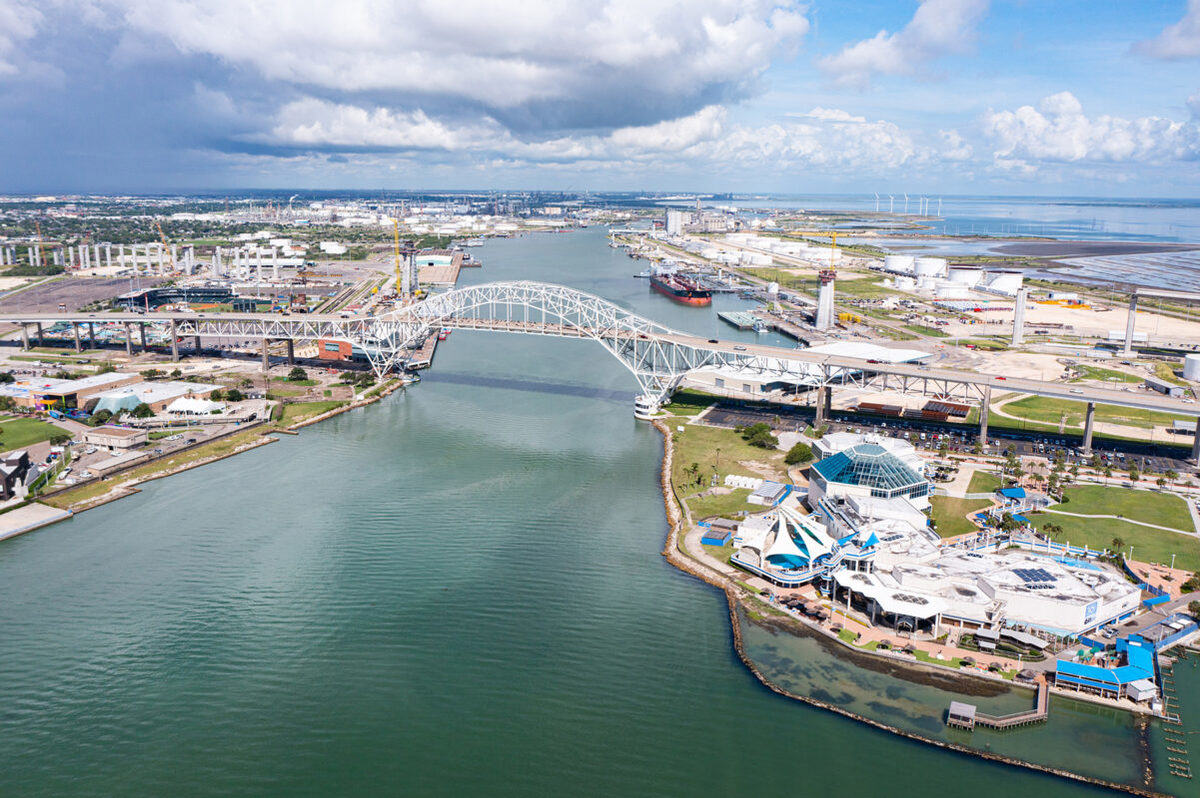
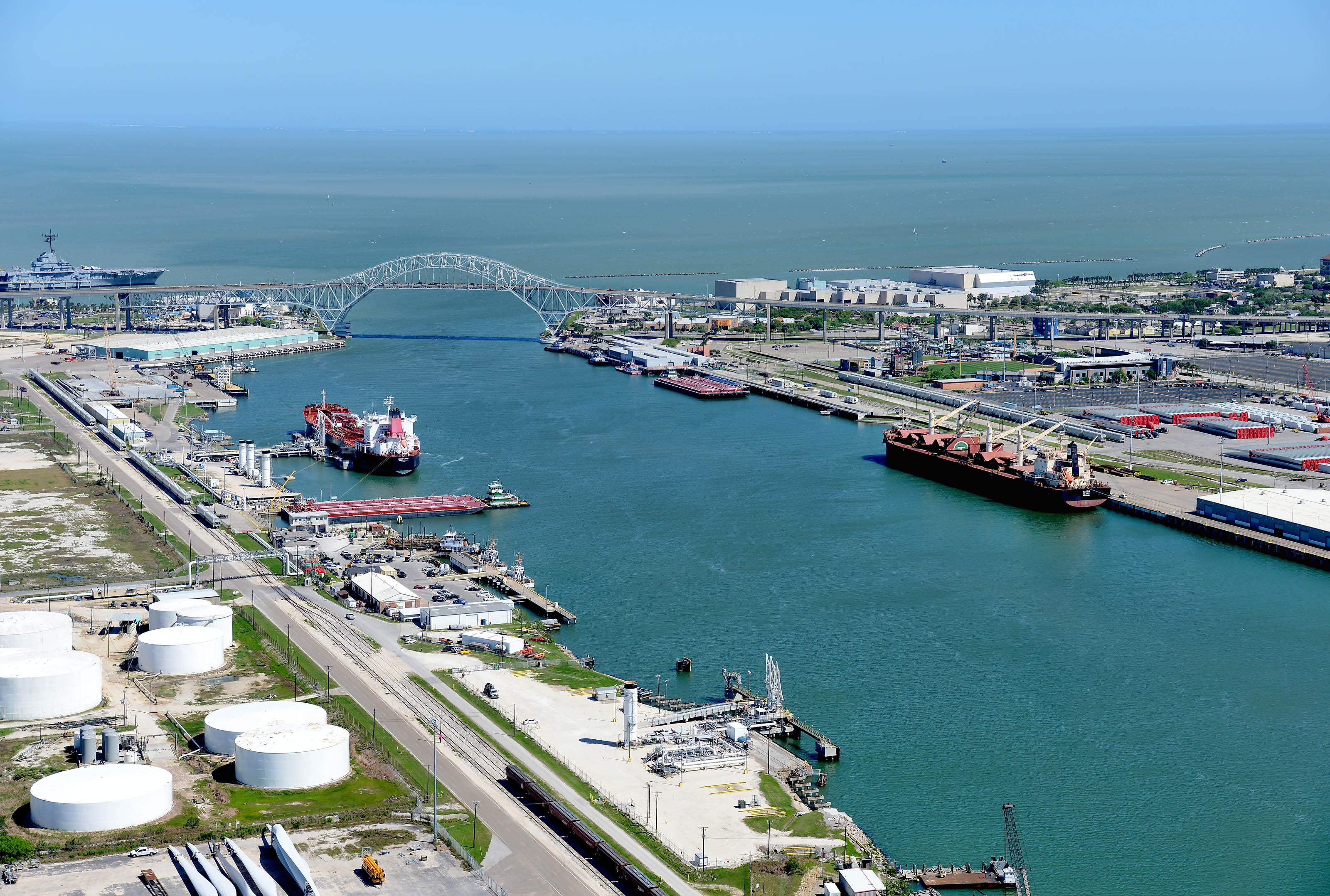
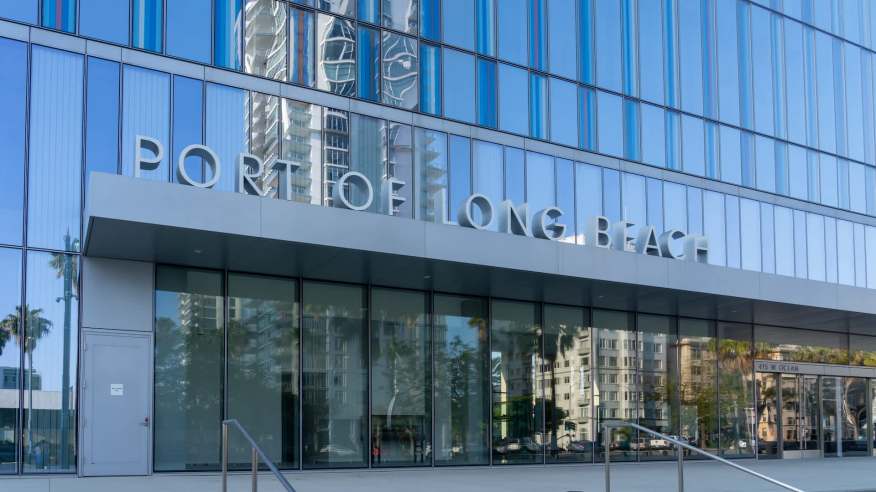
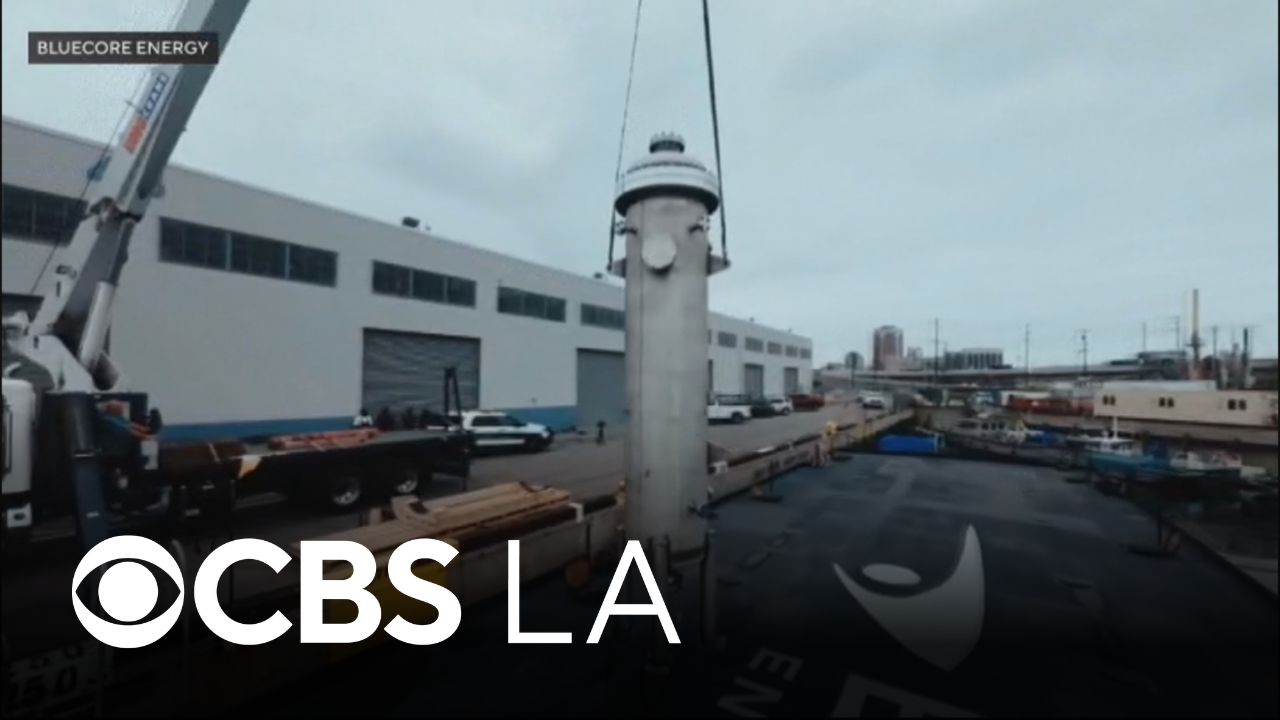
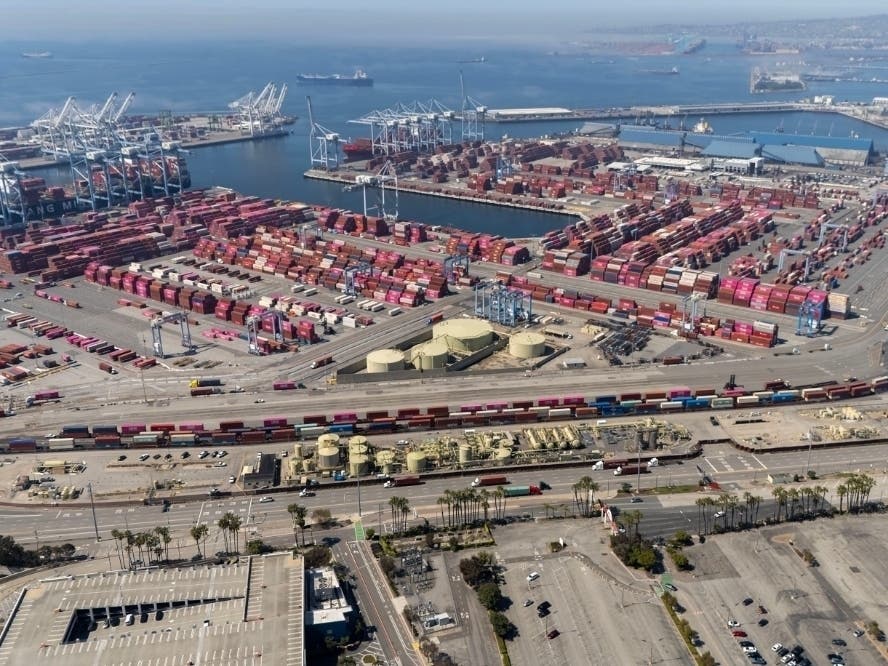
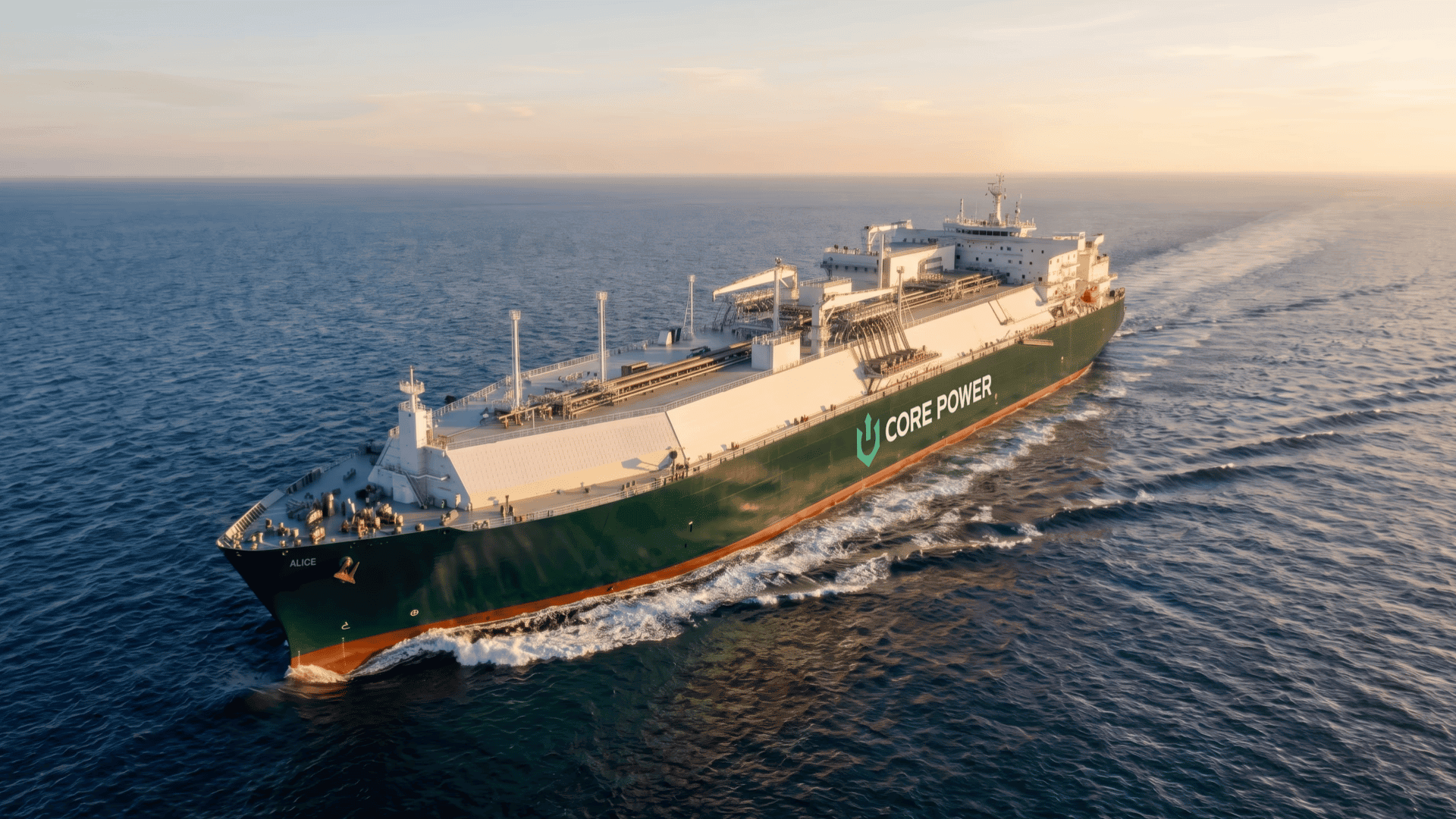
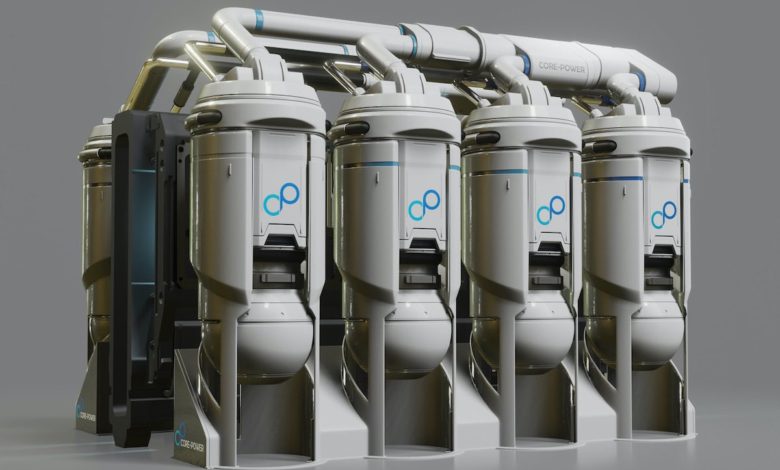
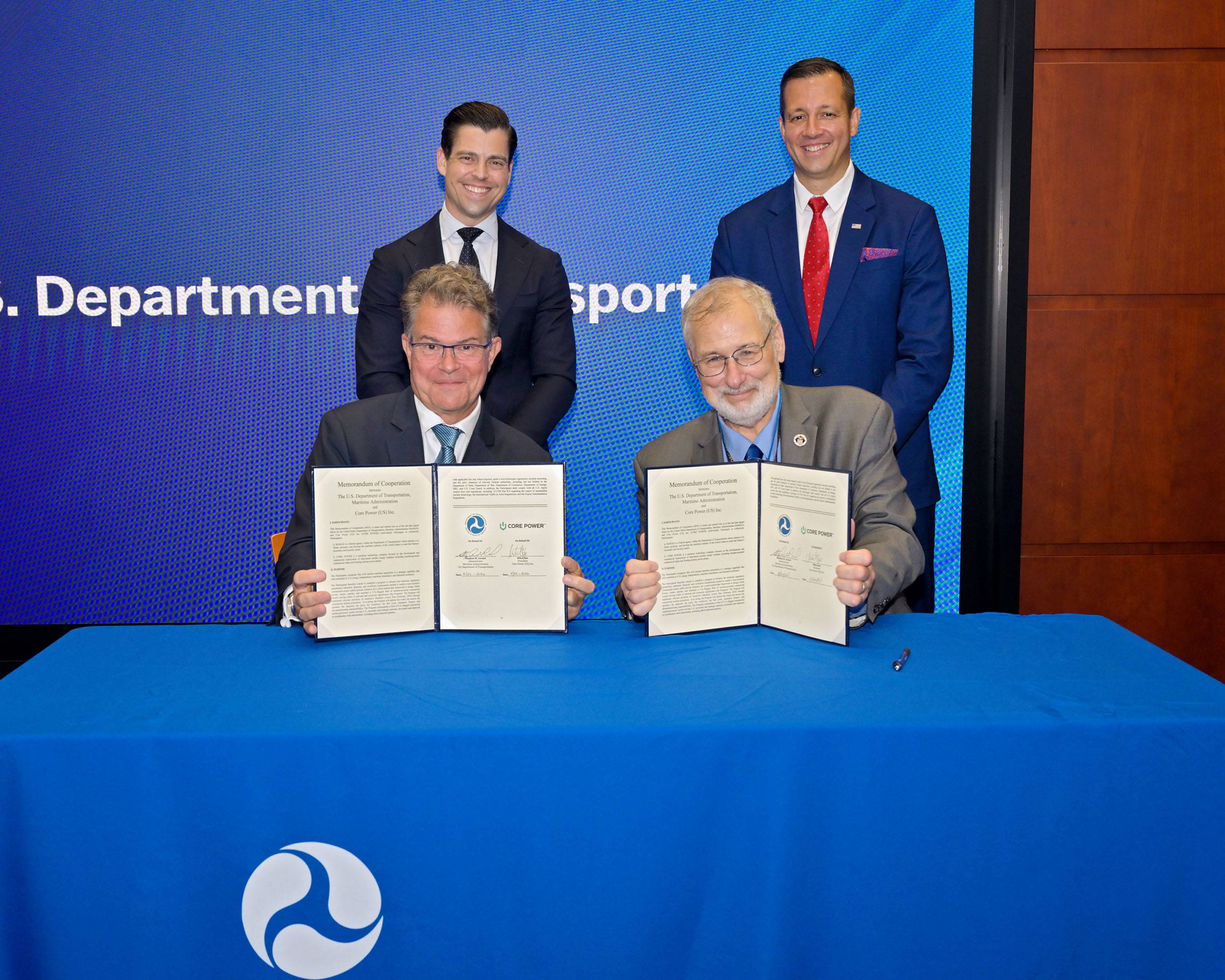
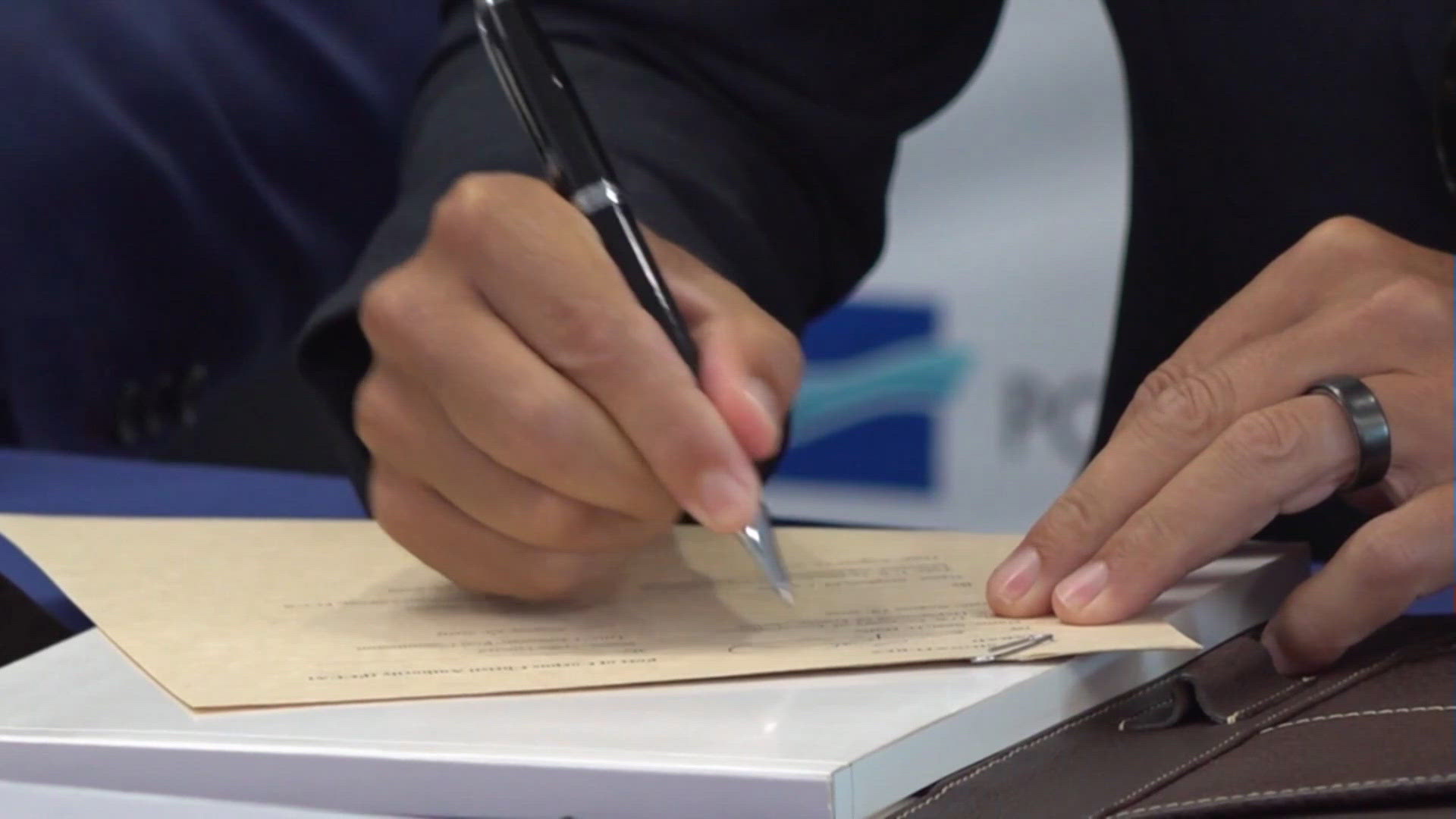
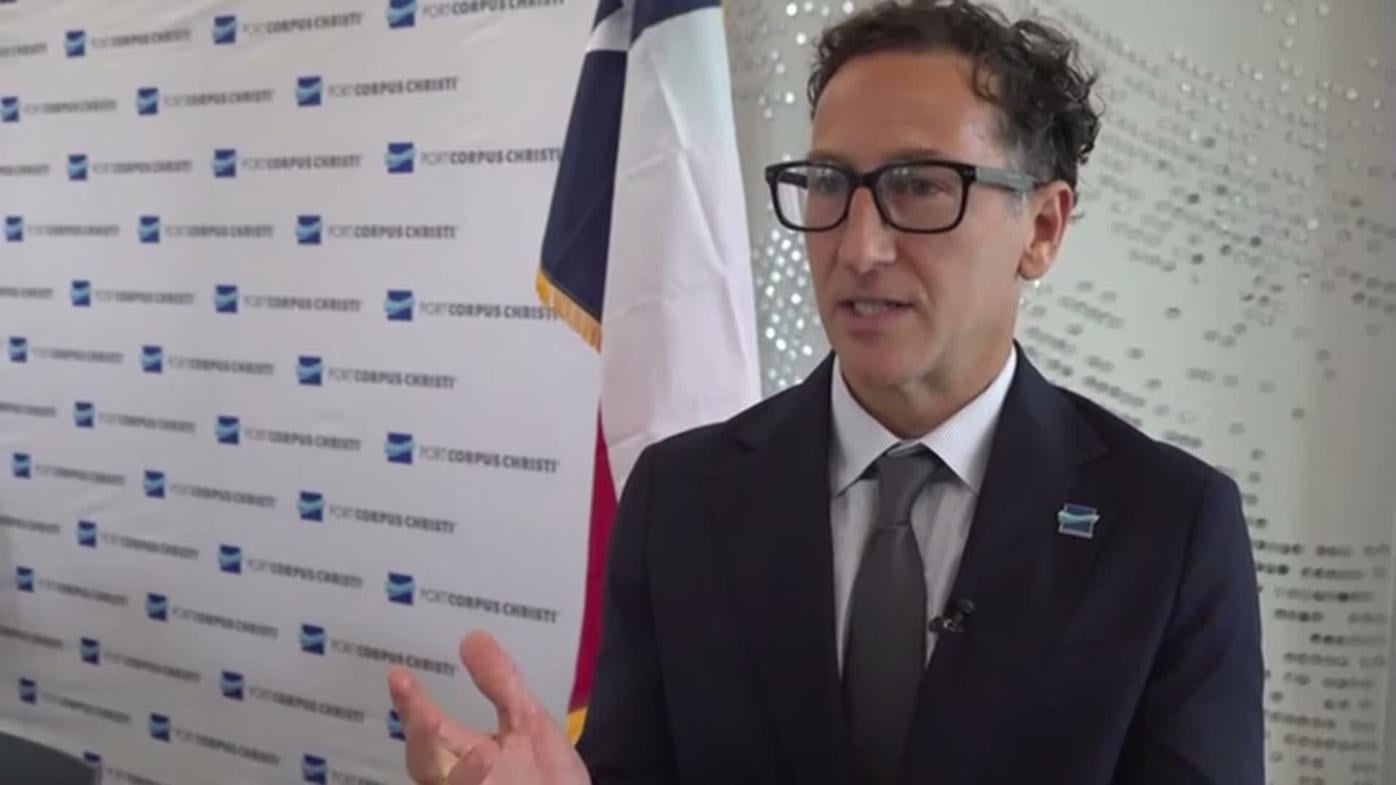
The United States is executing a comprehensive nuclear maritime strategy that fundamentally restructures global shipping economics for cross-border e-commerce sellers. The initiative encompasses four coordinated developments: (1) a $2-4 billion federal program to develop nuclear-powered merchant vessels with small modular reactors (SMRs), targeting prototype deployment within 5-7 years; (2) Core Power's $200 million funding round from Japanese investors to supply propulsion systems for American cargo fleets; (3) formal government partnerships at Port of Corpus Christi (August 2026) and Port of Long Beach (June 2026) establishing testing infrastructure; and (4) California's landmark approval for its first nuclear power project in 30+ years, signaling regulatory flexibility for SMR technology.
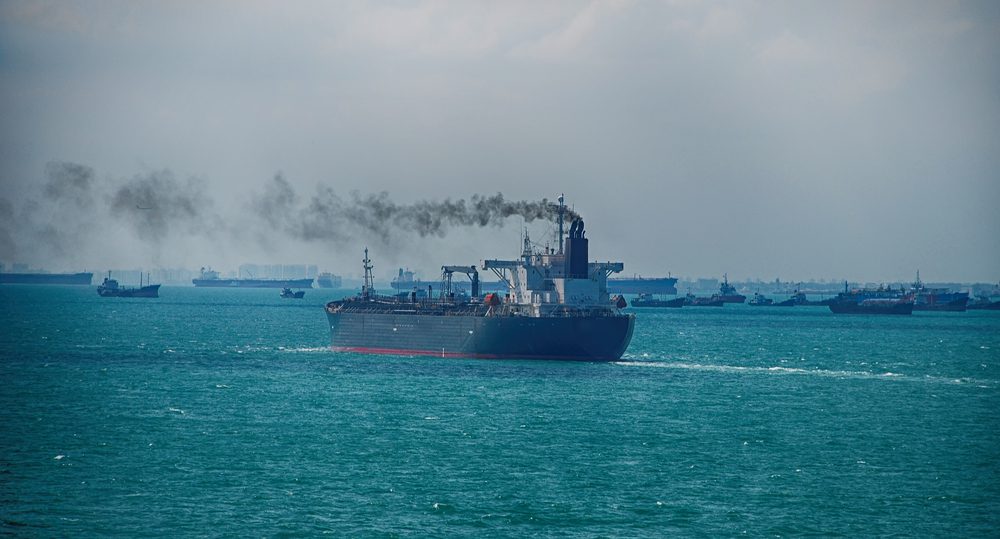
Direct Impact on E-Commerce Logistics: Nuclear-powered vessels eliminate traditional fuel constraints, enabling extended operational ranges without port refueling stops. This translates to measurable cost reductions: reduced fuel expenses (currently 25-35% of shipping costs), lower crew requirements, decreased maintenance overhead, and enhanced cargo capacity per vessel. For sellers shipping high-volume containerized goods on transpacific routes (Asia-to-US) and transatlantic corridors (Europe-to-US), this represents potential shipping cost reductions of 15-25% once commercial deployment begins post-2031. The technology particularly benefits sellers in electronics, apparel, home goods, and consumer products categories—the highest-volume cross-border segments.
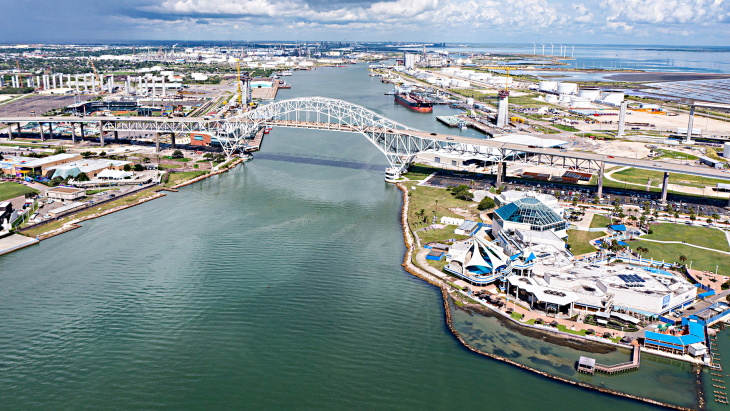
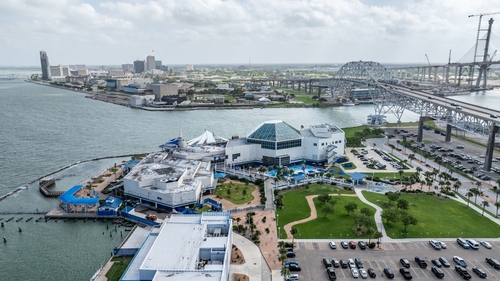
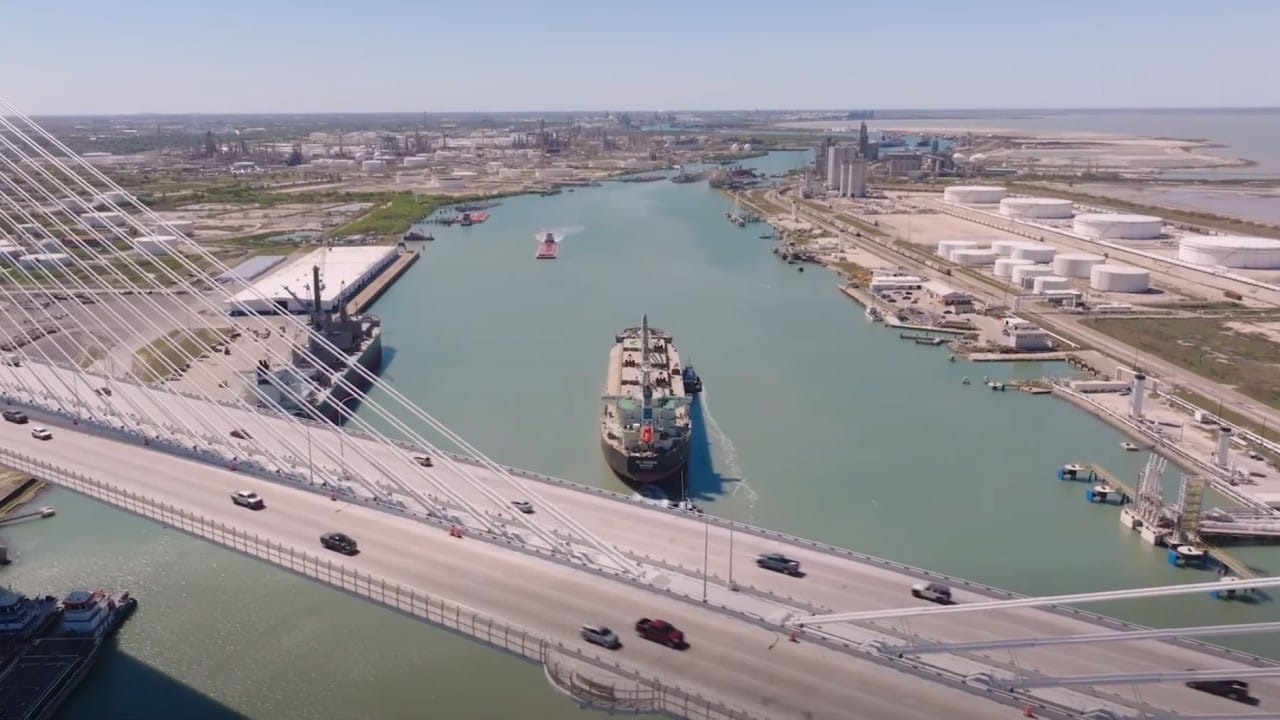
Competitive Dynamics & Market Timing: China currently controls 40% of global merchant ship construction, creating a strategic vulnerability for US-based sellers dependent on Chinese-built vessels. The nuclear initiative directly challenges this dominance by establishing American shipbuilding capacity as a competitive alternative. Sellers should anticipate a two-phase transition: (1) immediate phase (2026-2030) where pilot programs establish regulatory pathways and operational standards; (2) commercial deployment phase (2031+) where nuclear vessels gradually replace conventional fleets on major trade routes. Port of Corpus Christi's 81% LNG export growth since 2022 demonstrates the Trump Administration's commitment to Gulf Coast maritime infrastructure, creating a secondary opportunity for sellers to leverage improved port efficiency and resilience against weather disruptions.
Strategic Sourcing Implications: The nuclear maritime initiative indirectly strengthens US-based supply chains by reducing shipping costs from established manufacturing hubs (Vietnam, India, Mexico) to American ports. This creates arbitrage opportunities for sellers currently sourcing from China—shifting to Southeast Asian or Latin American suppliers becomes economically viable when shipping costs decline 15-25%. Additionally, the regulatory flexibility demonstrated by California's nuclear approval suggests broader state-level adoption of SMR technology for port operations and warehouse power systems, potentially reducing fulfillment center operating costs by 8-12% through lower electricity expenses.
Questions 8
What competitive advantages do US-based sellers gain from the nuclear maritime initiative?
US-based sellers gain three advantages: (1) reduced shipping costs for imports from alternative suppliers (Vietnam, India, Mexico), improving margins on imported goods; (2) improved supply chain resilience through diversified sourcing and reduced dependence on Chinese shipbuilding capacity; (3) potential port infrastructure improvements at US gateways (Long Beach, Corpus Christi) that reduce dwell times and handling costs. The initiative directly challenges China's 40% global shipbuilding dominance, creating a strategic shift toward American maritime capacity. Sellers should position themselves to capitalize on these advantages by 2031-2032 when commercial nuclear vessels enter service.
Should sellers adjust their logistics strategies now or wait for nuclear shipping commercialization?
Sellers should take immediate actions while monitoring commercialization progress. Immediate steps (2026-2027): evaluate sourcing diversification to Vietnam/India, negotiate long-term shipping contracts that include nuclear vessel options post-2031, and establish relationships with 3PL providers investing in port infrastructure near testing zones (Long Beach, Corpus Christi). Medium-term actions (2028-2030): pilot shipments via alternative suppliers to validate cost/quality, monitor regulatory developments at major ports, and plan inventory strategies that leverage anticipated shipping cost reductions. The 5-7 year commercialization timeline provides a planning window—early movers who establish alternative supply chains will capture maximum cost advantages when nuclear vessels enter service.