


US Oil Crisis Threatens Shipping Costs | Sellers Face 8-15% Logistics Price Surge
- SPR inventory drops to 289.7M barrels (lowest since 1982); potential export curbs could increase fuel surcharges for cross-border sellers by $200-500/month per FBA shipment







Overview
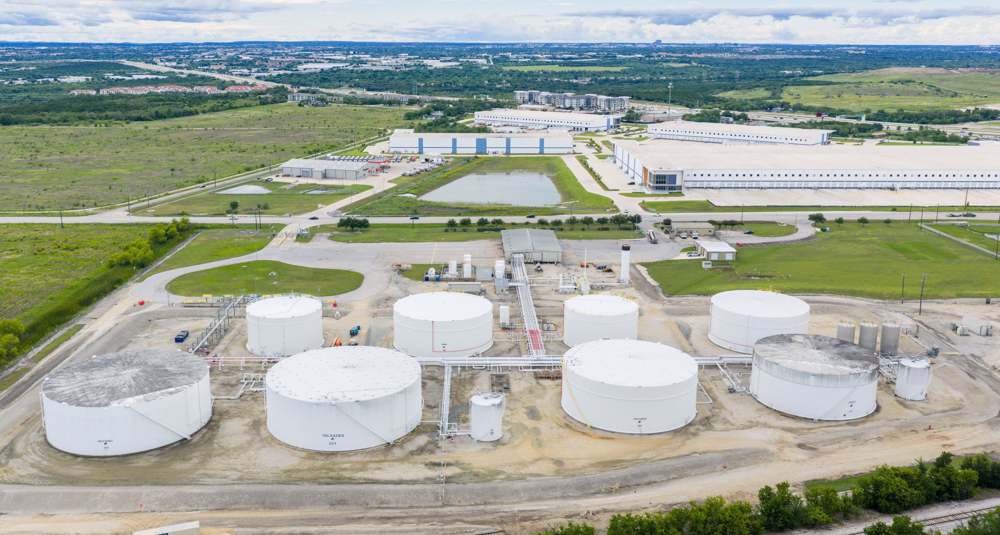
The U.S. Strategic Petroleum Reserve has collapsed to 289.7 million barrels—its lowest level since November 1982—representing just 41% of authorized capacity. This critical depletion, triggered by emergency releases during the 2026 Iran conflict and Strait of Hormuz disruption, creates an immediate supply-chain crisis for cross-border e-commerce sellers. The SPR's effective drawdown capacity has degraded to 2.7 million barrels per day versus its original 4.4-million-barrel design rate, leaving only 62-93 days of safe extraction before hitting the federal statutory floor of 252.4 million barrels. With just 41 million barrels remaining as operational buffer, the U.S. government is approaching automatic export restrictions that would trigger oil price spikes and fuel surcharges across logistics networks.
For e-commerce sellers, this translates to immediate cost pressures. Sellers relying on FBA fulfillment, 3PL providers, and international shipping face 8-15% increases in fuel surcharges within 30-90 days. Amazon FBA sellers shipping 1,000+ units monthly could see additional costs of $200-500 per shipment, compressing margins by 3-8% across electronics, apparel, and home goods categories. Cross-border sellers shipping from Asia to US warehouses face even steeper exposure, as ocean freight fuel surcharges typically spike 12-18% during oil supply constraints. The Energy Information Administration projects 600,000 barrels per day of Middle Eastern production disruption through year-end 2026, with alternative chokepoints (Strait of Malacca: 23.2M bbl/day; Bab el-Mandeb: 4.2M bbl/day) creating cascading supply-shock risks.
Strategic implications extend beyond immediate cost inflation. Rebuilding the SPR requires $14-18 billion at current oil prices, meaning government demand will compete with commercial markets for crude, further pressuring prices. Sellers in energy-dependent categories—automotive parts, industrial equipment, logistics services—face structural margin compression. However, this crisis creates arbitrage opportunities: sellers can lock in fuel surcharge hedges through 3PL contracts now, negotiate fixed-rate shipping through Q2 2027, or shift inventory to regional fulfillment centers closer to end-markets to reduce transportation distance. The 62-93 day operational window before export restrictions become mandatory creates a narrow window for sellers to restructure supply chains and secure favorable logistics contracts before fuel costs spike further.
Questions 8
What are the rebuilding costs if the US restocks the SPR after export restrictions?
Restocking 200 million barrels costs $14 billion at $70/barrel or $18 billion at $90/barrel—representing massive government demand that will compete with commercial markets for crude. This creates sustained upward pressure on oil prices for 12-24 months during the restocking period. Sellers should model long-term fuel cost increases of 10-20% through 2027-2028 and adjust pricing strategies accordingly. The SPR's degraded drawdown capacity (2.7M bbl/day vs. 4.4M design rate) means future supply shocks will encounter a thinner buffer, increasing market volatility. Consider building 15-20% fuel cost contingency into 2027 pricing models and diversifying supply chains to reduce exposure to US-centric logistics networks.
How do alternative oil chokepoints (Malacca, Bab el-Mandeb) create additional shipping risks for sellers?
The Strait of Malacca handles 23.2 million barrels daily (exceeding Hormuz's 20.9M), while Bab el-Mandeb handles 4.2 million barrels daily. These chokepoints create cascading supply-shock risks: Persian Gulf infrastructure attacks, Red Sea escalations, or Black Sea disruptions could trigger 15-30% oil price spikes within days. With the SPR depleted to 41% capacity, the U.S. lacks emergency reserves to buffer these shocks. Sellers shipping from Asia face maximum exposure, as ocean freight routes pass through multiple chokepoints. Diversify shipping routes (air freight, alternative ports) and maintain 30-45 days of inventory buffer to absorb supply disruptions. Monitor geopolitical tensions in these regions and adjust logistics strategies proactively.