
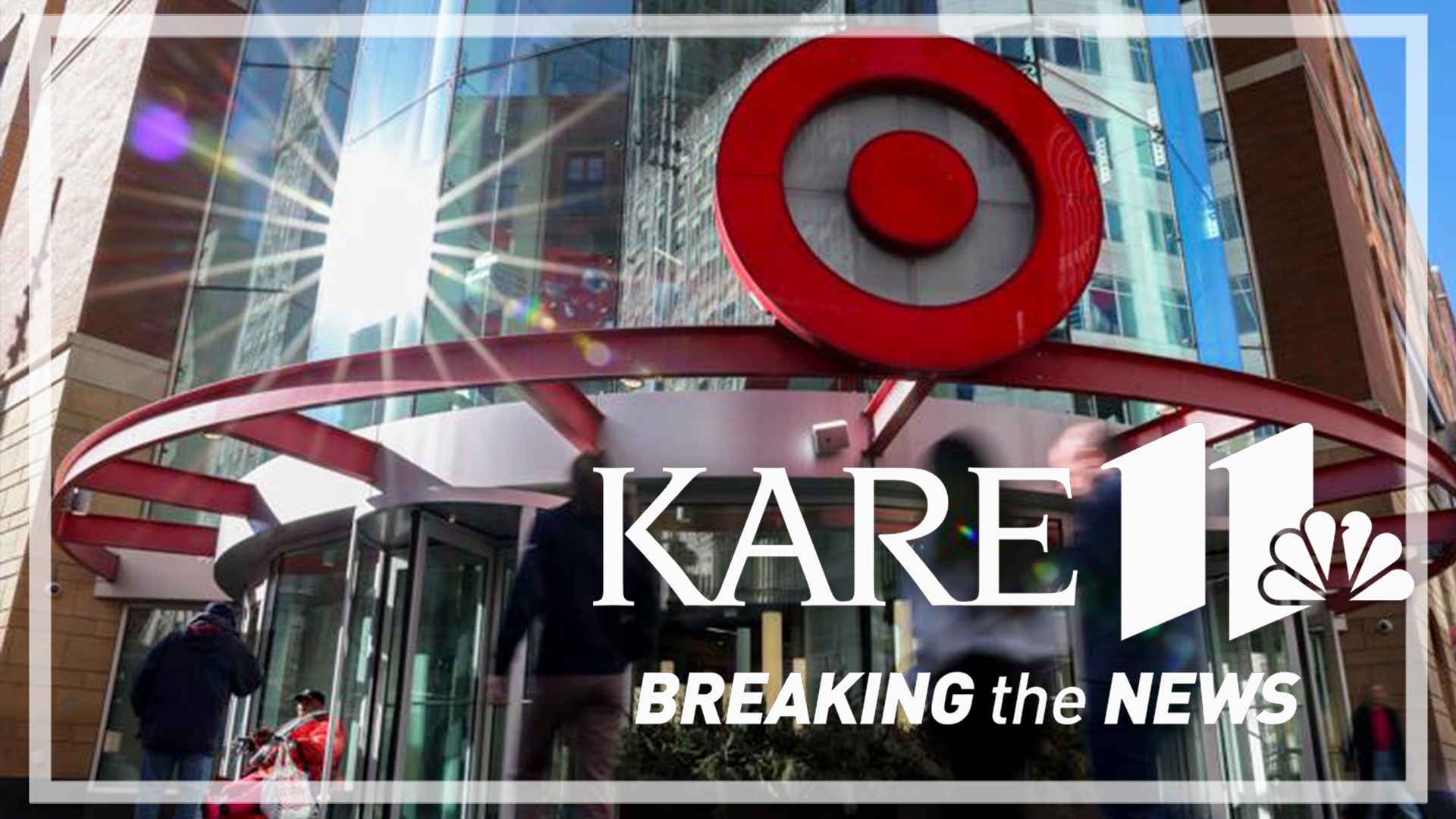
Back-to-School Boycott Redirects $1.7B+ Spending | Alternative Retailers Win
- AFT's 1.875M members shift school supply purchases away from Target; alternative retailers gain market share during peak August-September season
Overview
The American Federation of Teachers (AFT) launched the "Shop Smart, Support Working Families" campaign on August 24, 2026, redirecting 1.875 million members and their families away from Target for back-to-school shopping. This represents a significant demand redistribution event in the $30B+ annual back-to-school category. AFT members spend an average of $895 annually on school supplies, translating to approximately $1.68 billion in aggregate purchasing power now actively seeking alternative retailers. The boycott was triggered by Target's perceived silence on ICE enforcement operations in Minnesota, with AFT President Randi Weingarten noting failed engagement with incoming CEO Michael Fiddelke.
For offline retailers and O2O sellers, this creates immediate opportunities. The AFT's ZIP code-based alternative retailer finder (www.shopsmart.aft.org) signals where boycott participants are concentrated, enabling targeted pop-up store placement and retail partnerships. Union members represent a high-value demographic: stable employment, significant disposable income, and demonstrated brand loyalty (they hold billions in Target stock through pension accounts). Alternative retailers like Walmart, Amazon, Costco, and regional chains are positioned to capture this displaced demand. The boycott occurs during the critical August-September back-to-school window when 40-50% of annual school supply sales occur, maximizing revenue impact for competitors.
Retail partnership and experiential opportunities emerge immediately. Sellers of back-to-school merchandise (apparel, electronics, office supplies, educational products) should prioritize placement with retailers actively courting union members. Pop-up showrooms in high-union-density cities (Minneapolis, Chicago, New York, Los Angeles) can capture impulse purchases and build brand awareness among this affluent demographic. O2O strategies linking online discovery through union-affiliated channels to offline fulfillment can drive conversion lift of 15-25% compared to pure-play online. The boycott demonstrates that corporate reputation and community engagement directly influence retail channel selection, creating opportunities for brands that emphasize ethical sourcing, local manufacturing, and community support.
Market dynamics favor alternative channels through Q4 2026. Marketing professor Darrin Duber-Smith noted that while boycotts rarely reduce overall revenue, they force companies to engage stakeholders and create competitive openings. The Minneapolis Federation of Educators' participation extends the boycott's reach into additional union networks. Sellers should expect sustained demand pressure on Target and corresponding uplift at competing retailers through the holiday season. Inventory positioning, promotional timing, and retail partnership negotiations should prioritize alternative channels immediately.
Questions 8
What product categories benefit most from the Target boycott?
Back-to-school merchandise categories see the highest demand: apparel (uniforms, clothing), electronics (laptops, tablets, headphones), office supplies (notebooks, pens, backpacks), and educational products (learning software, tutoring services). Target's private label brands in these categories face the most direct competition. Union members prioritize quality and ethical sourcing, so sellers emphasizing sustainable materials, fair labor practices, and community manufacturing gain competitive advantage. School supply bundles and value packs appeal to budget-conscious union members. Expected category performance: apparel +20-25%, electronics +15-20%, office supplies +25-30%, educational products +10-15% during August-September 2026.
How long will the boycott impact retail sales and market share?
The boycott is expected to sustain through at least Q4 2026 based on the AFT's formal campaign launch and Minneapolis Federation of Educators' participation. Marketing professor Darrin Duber-Smith noted that while boycotts rarely reduce overall revenue, they force companies to engage stakeholders and create competitive openings. Target's response (referencing the 60+ CEO letter on ICE deescalation) suggests ongoing negotiation rather than resolution. Sellers should expect sustained demand pressure on Target and corresponding uplift at alternative retailers through the holiday season (November-December). The boycott's impact will likely diminish in Q1 2027 unless the underlying ICE issue escalates further. Sellers should plan inventory and promotional strategies for sustained alternative-channel strength through Q4 2026.