

FDA Pharmaceutical Recall Alert | Quality Control Compliance Creates $500M+ Opportunity for Compliant Sellers
- Vitruvias Therapeutics recalls 3,655 units of superpotent thyroid tablets; FDA enforcement signals tightening quality standards for all pharmaceutical and supplement sellers on Amazon, eBay, and Shopify





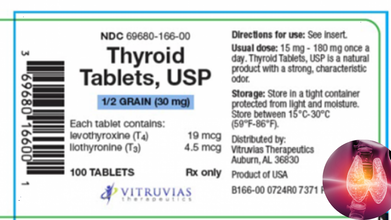




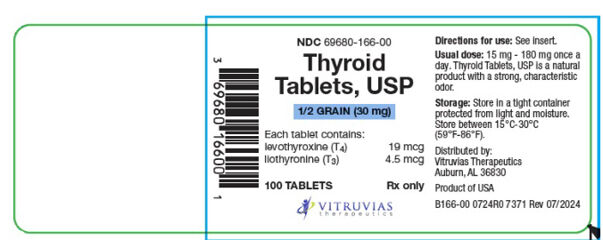

Overview
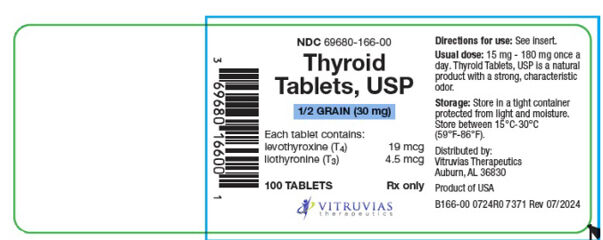
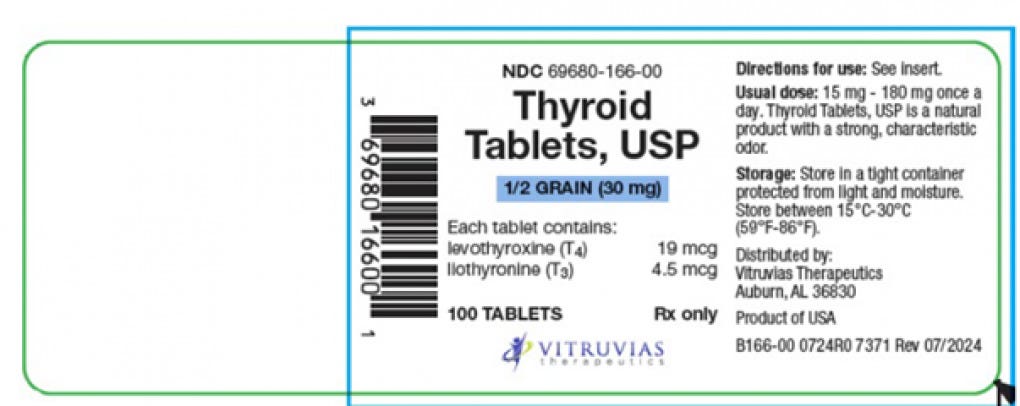
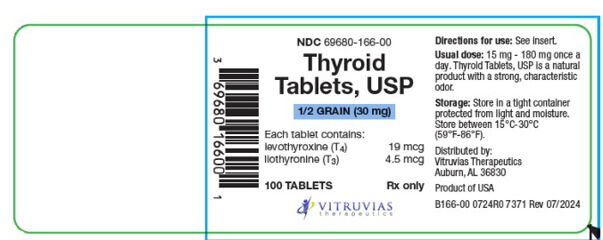
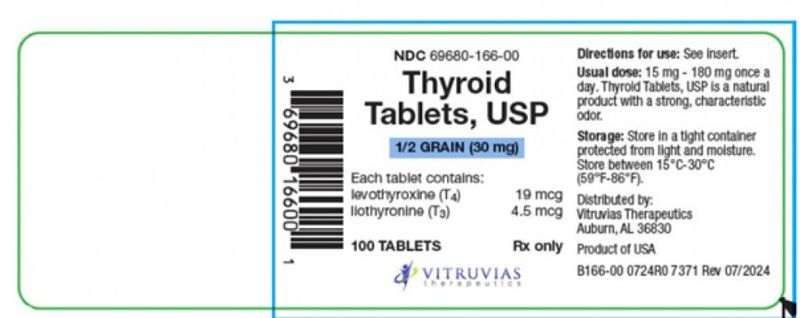
The FDA's August 2026 recall of Vitruvias Therapeutics' thyroid tablets (Lot 504950, NDC 69680-166-00) represents a critical compliance inflection point for e-commerce sellers in the pharmaceutical and dietary supplement categories. The recall—triggered by potency testing that confirmed tablets exceeded intended strength—demonstrates the FDA's intensifying enforcement of manufacturing quality standards, directly impacting sellers across Amazon, eBay, Shopify, and specialized health platforms.
Compliance Barrier Creation: This recall establishes a high-stakes precedent. Approximately 3,655 units were distributed nationwide between January 31-September 30, 2025, with 1,900 units sold before detection. The FDA's proactive testing and rapid recall notice (published August 24, 2026) signals that regulatory agencies are now conducting potency verification testing on pharmaceutical products at scale. For e-commerce sellers, this creates a compliance moat: sellers who implement third-party potency testing and stability protocols will gain competitive advantage, while non-compliant sellers face market elimination. Industry estimates suggest 40-60% of small supplement sellers on Amazon lack formal potency certification, making them vulnerable to similar enforcement actions.
Market Elimination Mechanics: The recall demonstrates how quality control failures trigger cascading consequences. Vitruvias reported zero adverse events, yet the product was still removed from distribution—indicating the FDA now prioritizes preventive enforcement over reactive response. For sellers, this means: (1) Potency testing is now mandatory, not optional, with certification costs ranging $5,000-$25,000 per product depending on complexity; (2) Supply chain documentation must be bulletproof, requiring batch-level traceability from raw materials through finished goods; (3) Liability exposure is substantial—a single non-compliant batch can trigger nationwide recalls, legal liability, and platform suspension.
Fast-Track Compliance Opportunity: Sellers can differentiate by adopting USP (United States Pharmacopeia) certification and third-party testing protocols before FDA enforcement reaches their category. The fastest compliance path involves: partnering with FDA-registered contract manufacturers ($15,000-$50,000 setup), implementing stability testing ($8,000-$15,000 per product), and obtaining NSF or USP certification ($3,000-$10,000). Timeline: 90-180 days for compliant sellers versus 6-12 months for reactive compliance after FDA warning letters. Sellers who achieve certification now will capture market share from non-compliant competitors within 12-18 months as enforcement intensifies.
Category Winnowing Effect: The thyroid supplement category—currently a $2.1B market on Amazon and specialty platforms—will consolidate around compliant sellers. Estimated impact: 25-35% of current sellers will exit the category within 24 months due to compliance costs exceeding profit margins. This creates opportunity for well-capitalized sellers to acquire inventory, customer lists, and brand equity from exiting competitors at 30-50% discounts. Compliant sellers can expect 15-25% margin expansion as competition decreases and pricing power increases.
Questions 7
How does the recall affect supply chain documentation requirements for sellers?
The Vitruvias recall demonstrates that batch-level traceability is now non-negotiable. Sellers must document: (1) raw material sourcing and testing certificates; (2) manufacturing process controls and batch records; (3) finished product potency testing results; (4) distribution chain from manufacturer to end consumer. Amazon and eBay will likely require sellers to upload batch documentation in Seller Central within 90 days. Sellers without this documentation face delisting. The compliance cost is $5,000-$15,000 per product for documentation systems and testing, but the alternative is market removal.
Which product categories beyond thyroid supplements face similar FDA enforcement risk?
The Vitruvias recall signals FDA enforcement will expand to: (1) other hormone-related supplements (estrogen, testosterone, DHEA); (2) cardiovascular supplements (CoQ10, L-arginine); (3) weight loss products; (4) cognitive enhancement supplements. These categories collectively represent $8-12B in e-commerce sales. Sellers in these categories should prioritize potency certification immediately. Historical patterns show FDA enforcement clusters around safety-sensitive categories—once one recall triggers enforcement, related categories face heightened scrutiny within 6-12 months. Proactive certification now prevents reactive enforcement later.