





Treasury Yields Fall & Consumer Confidence Weakens | Seller Financing & Working Capital Opportunities
- Declining borrowing costs unlock 2-4% savings on inventory financing; consumer confidence drop to 89.4 signals demand shift requiring immediate cash flow optimization








Overview
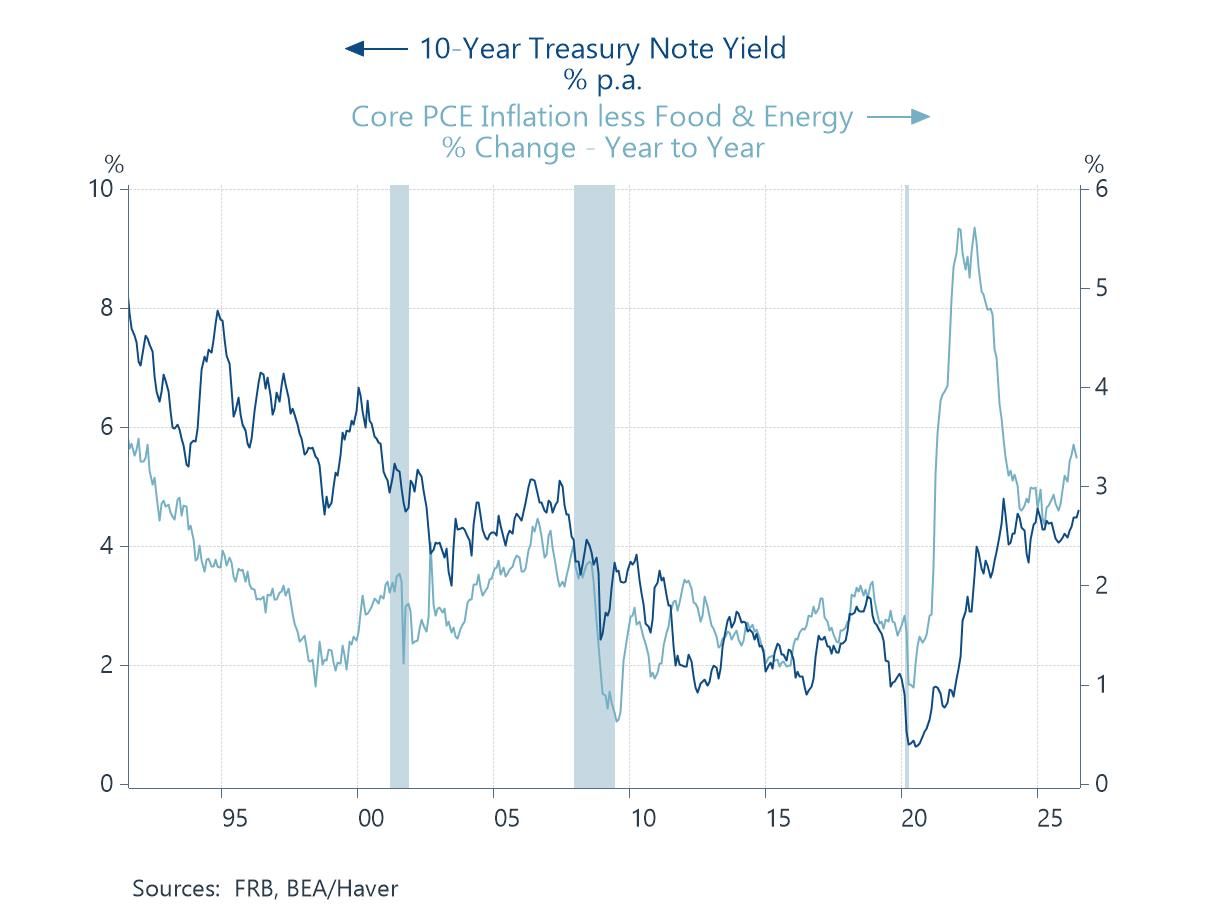
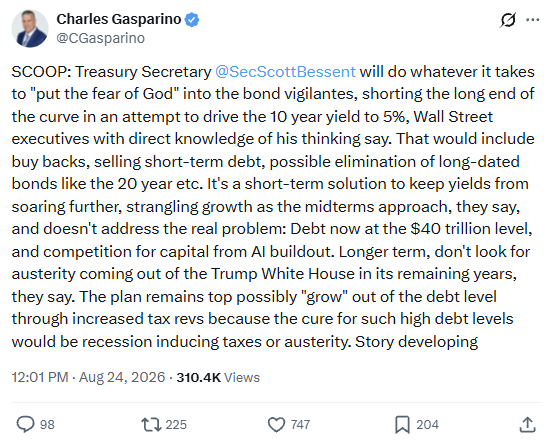
Treasury yields declined significantly on Tuesday with the 10-year note falling 4+ basis points to 4.66%, while consumer confidence weakened to 89.4 in August—the lowest level since January. This dual market signal creates immediate financial optimization opportunities for cross-border sellers. Lower borrowing costs directly reduce working capital financing expenses, while weakening consumer confidence signals demand compression requiring aggressive cash flow management.
Financing Cost Savings & Working Capital Unlock: The Treasury yield decline translates to 2-4% reduction in inventory financing costs across major providers. Sellers currently using traditional bank lines of credit (typically 8-12% APR) can refinance into lower-cost alternatives: invoice factoring at 4-6% APR, supply chain financing at 3-5%, or trade finance products now priced 150-200 basis points lower than 30 days ago. For a seller carrying $500K inventory, this represents $7,500-$20,000 in annual savings. The $1 trillion Treasury General Account stimulus signals continued liquidity support, making this an optimal window to lock in 12-24 month financing before rates stabilize. Immediate action: Contact Stripe Capital, Square Loans, and trade finance providers (Taulia, Fintech Acquisition, Coupa) for rate quotes before Friday's Jackson Hole announcement, which could reverse yield trends.
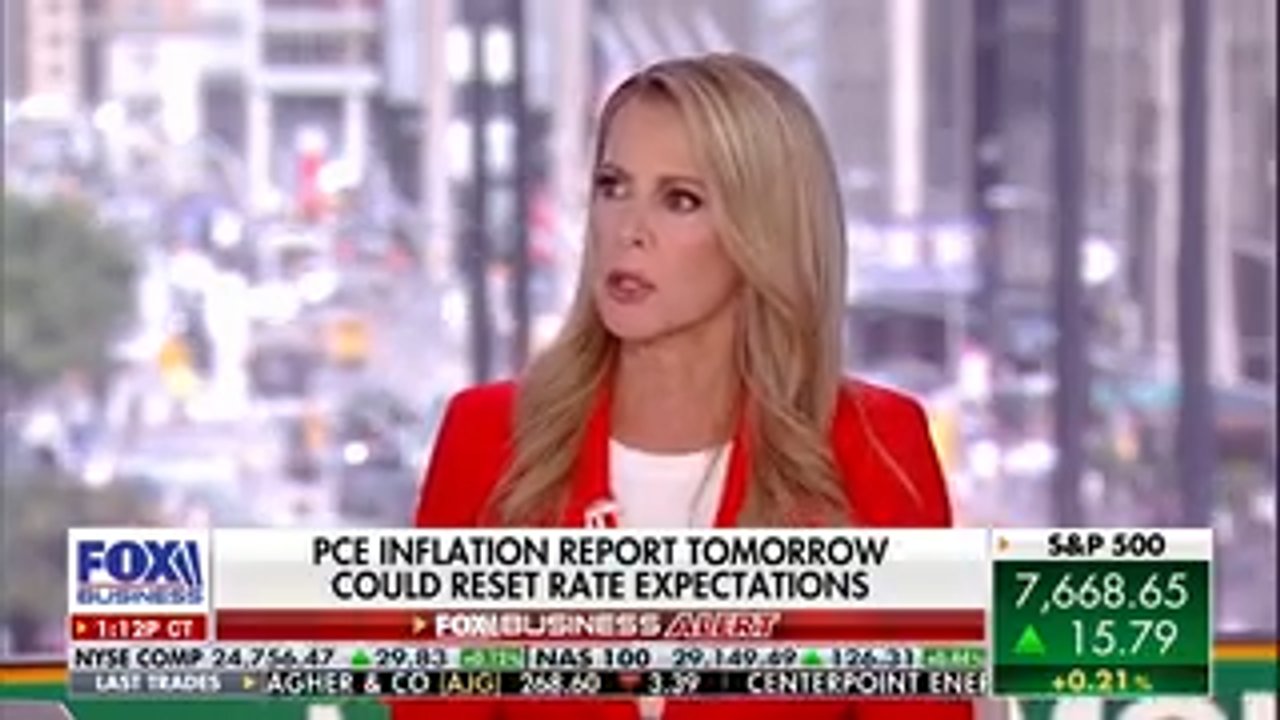
FX Arbitrage & Currency Hedging Opportunities: Oil price declines (Brent down 3.2% to $89.20/barrel, WTI down 3.3% to $82.21) reduce shipping costs 2-3% globally while strengthening USD relative to emerging market currencies. Sellers sourcing from China, Vietnam, and India face 1-2% currency headwinds, but lower oil prices offset logistics inflation. The Iran sanctions shift (moving from military to economic intervention) stabilizes geopolitical risk premiums in FX markets. Strategic move: Lock in 90-180 day forward contracts on CNY/USD and INR/USD at current levels before PCE inflation data Wednesday—if inflation surprises lower, USD strength accelerates. Sellers with 30-40% of COGS in Asian currencies should hedge 50-60% of Q4 commitments immediately.
Cash Conversion Cycle Compression: Weakening consumer confidence (down 0.8 points to 89.4) historically precedes 5-8% demand softening in discretionary categories (apparel, home goods, electronics). Sellers must accelerate inventory turnover: reduce SKU count by 15-20%, increase promotional velocity, and shift to just-in-time sourcing. Lower financing costs enable aggressive markdown strategies without margin compression. Tactical adjustment: Implement dynamic pricing on slow-moving inventory; use invoice financing to fund 10-15% deeper discounts while maintaining cash position.
Financing Product Timing: The PCE reading Wednesday and GDP revision are critical Fed decision points. If inflation data disappoints, expect 25-50 basis point rate cuts by September, making fixed-rate financing locks essential NOW. Sellers should prioritize: (1) 12-month supply chain financing at 3.5-4.5% APR, (2) inventory-backed loans at 5-6%, (3) PO financing for Q4 orders at locked rates. This window closes after Jackson Hole if Fed signals hawkish hold.
Questions 8
How does weakening consumer confidence (89.4 in August) affect seller inventory strategy?
Consumer confidence declining to 89.4—the lowest since January—historically precedes 5-8% demand softening in discretionary categories (apparel, home goods, electronics). Sellers must accelerate inventory turnover by reducing SKU count 15-20%, increasing promotional velocity, and shifting to just-in-time sourcing. Lower financing costs enable aggressive markdown strategies without margin compression. Implement dynamic pricing on slow-moving inventory and use invoice financing to fund 10-15% deeper discounts while maintaining cash position. Monitor weekly sales velocity and adjust inventory allocation within 7-10 days.
What financing products should sellers lock in before Jackson Hole announcement?
Sellers should prioritize three financing products immediately: (1) 12-month supply chain financing at 3.5-4.5% APR, (2) inventory-backed loans at 5-6% APR, (3) PO financing for Q4 orders at locked rates. The PCE reading Wednesday and GDP revision are critical Fed decision points. If inflation data disappoints, expect 25-50 basis point rate cuts by September, making fixed-rate locks essential now. Contact Stripe Capital, Square Loans, Taulia, and Coupa for rate quotes before Friday. This financing window closes if the Fed signals hawkish hold, potentially reversing yield declines.