


Apple M6 & M5 Ultra Chips Enable Accessible AI Tools for E-Commerce Sellers | 40% Performance Boost
- Apple's new 2nm M6 chip and 512GB M5 Ultra processor democratize local AI inference, creating $2-5B opportunity for AI-powered seller tools and automation platforms targeting 500K+ cross-border merchants



















Overview
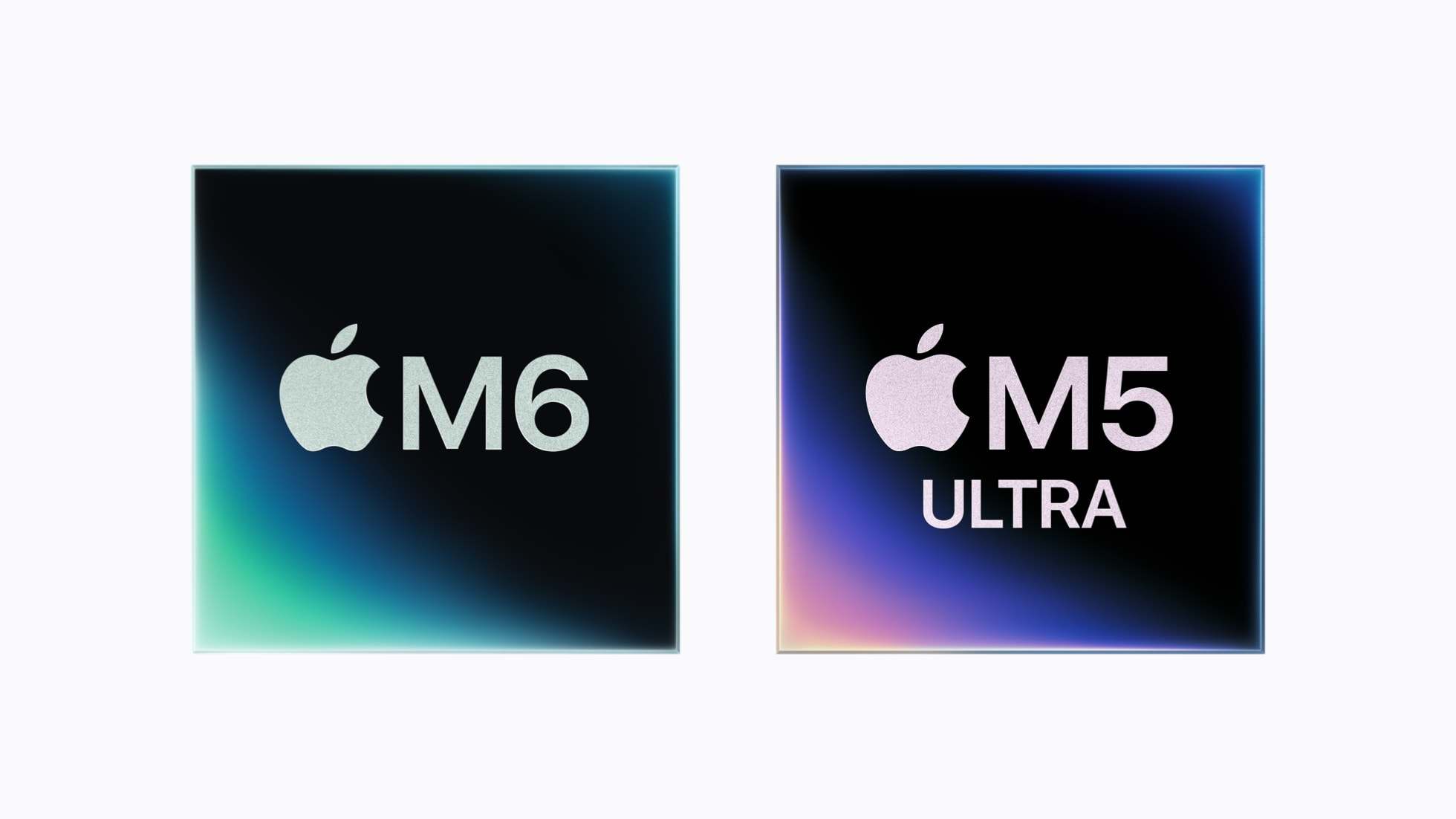
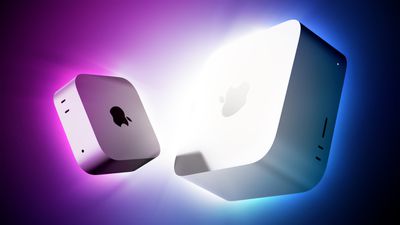
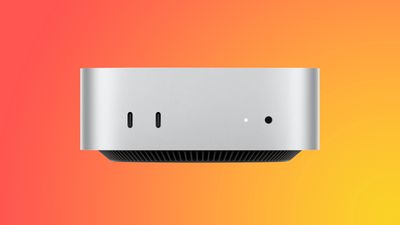
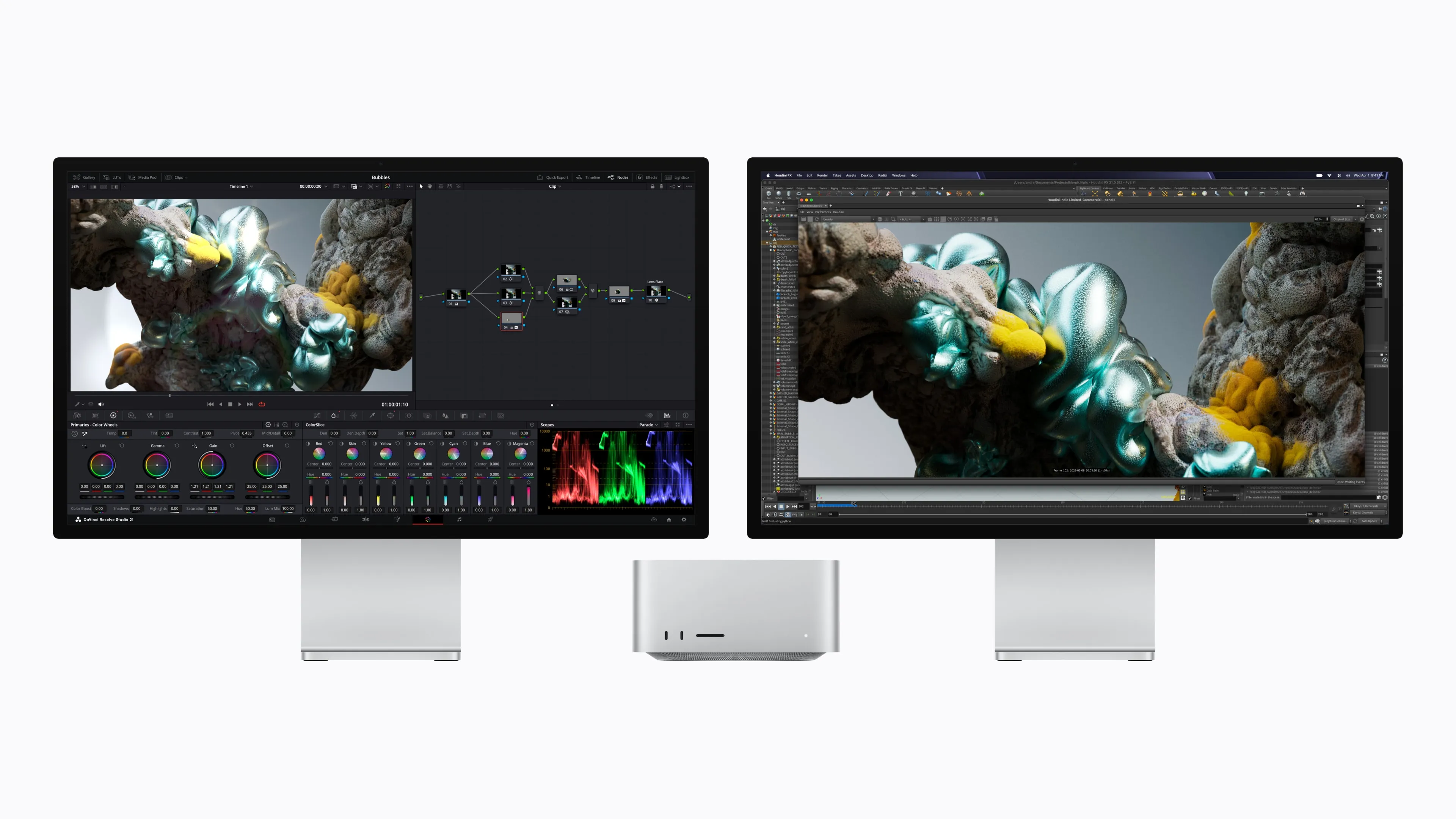
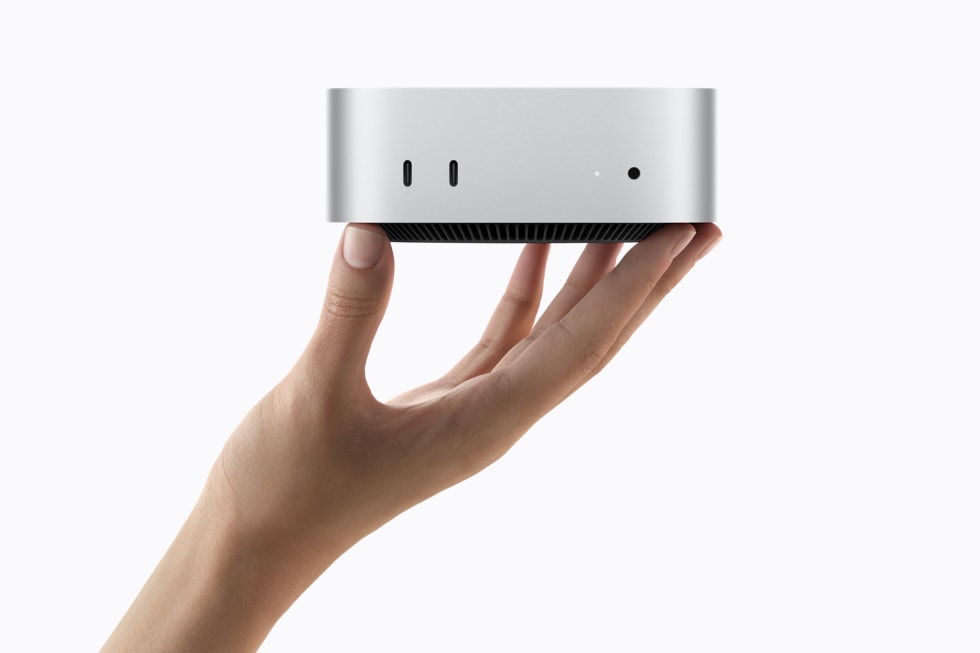
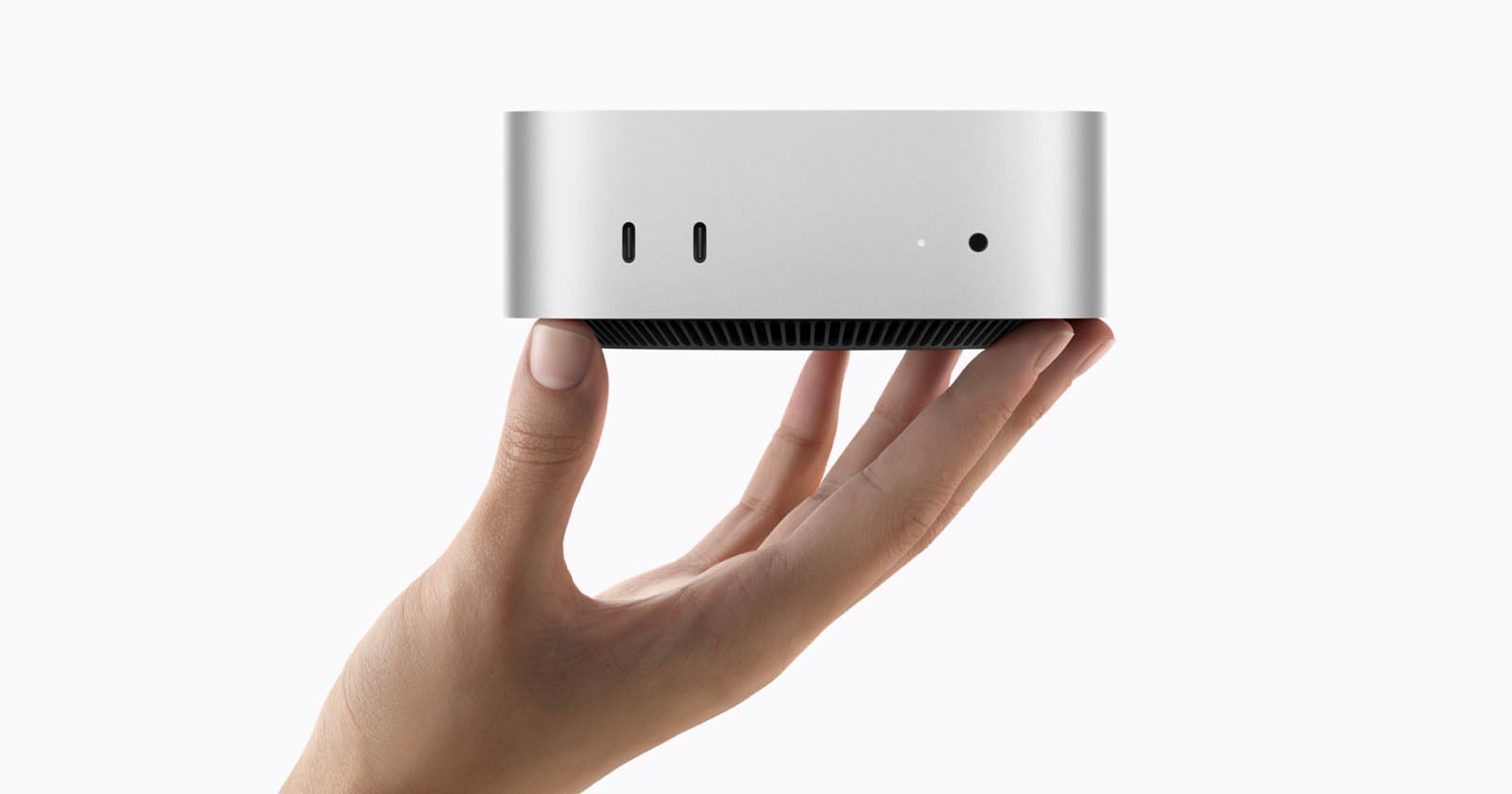
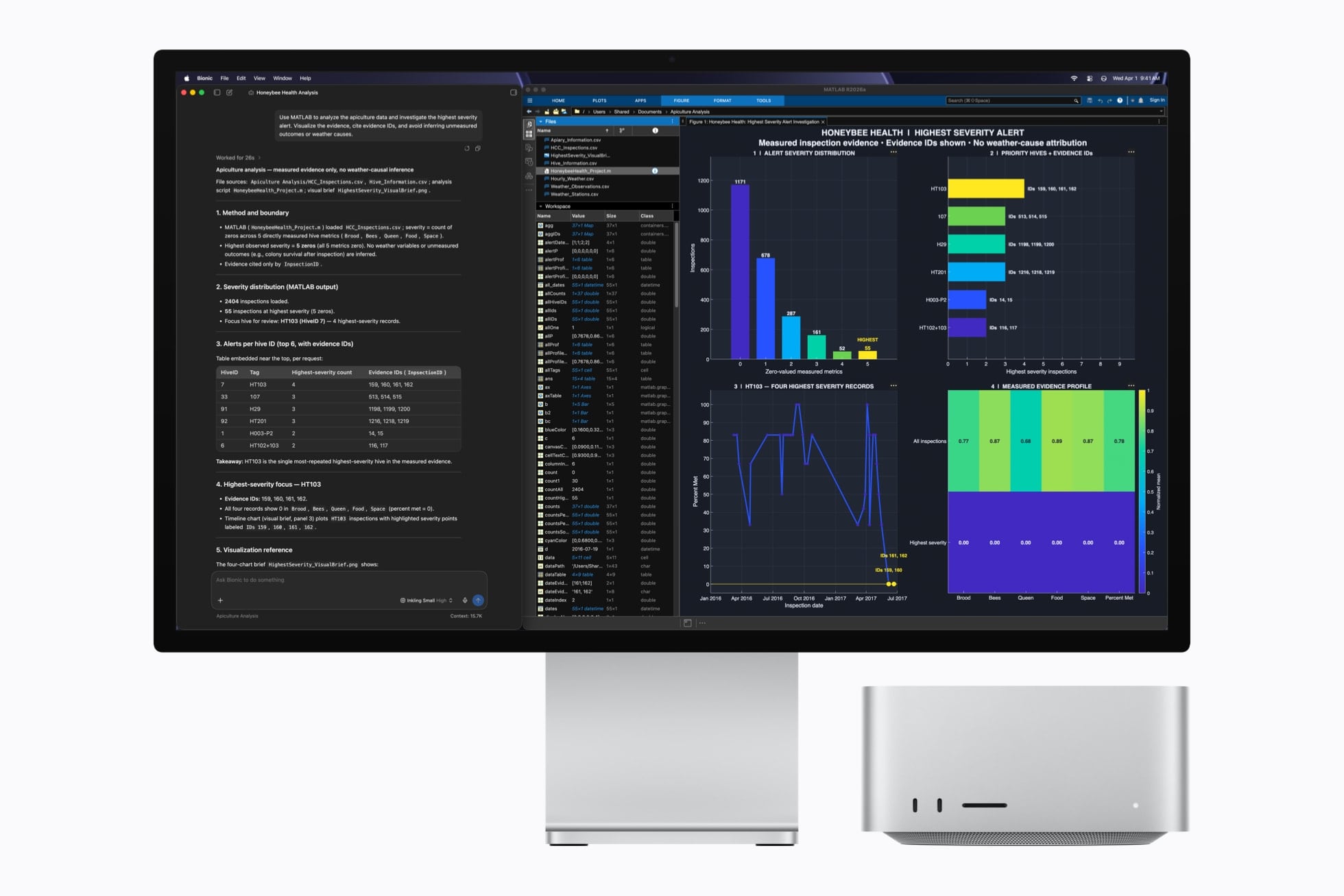
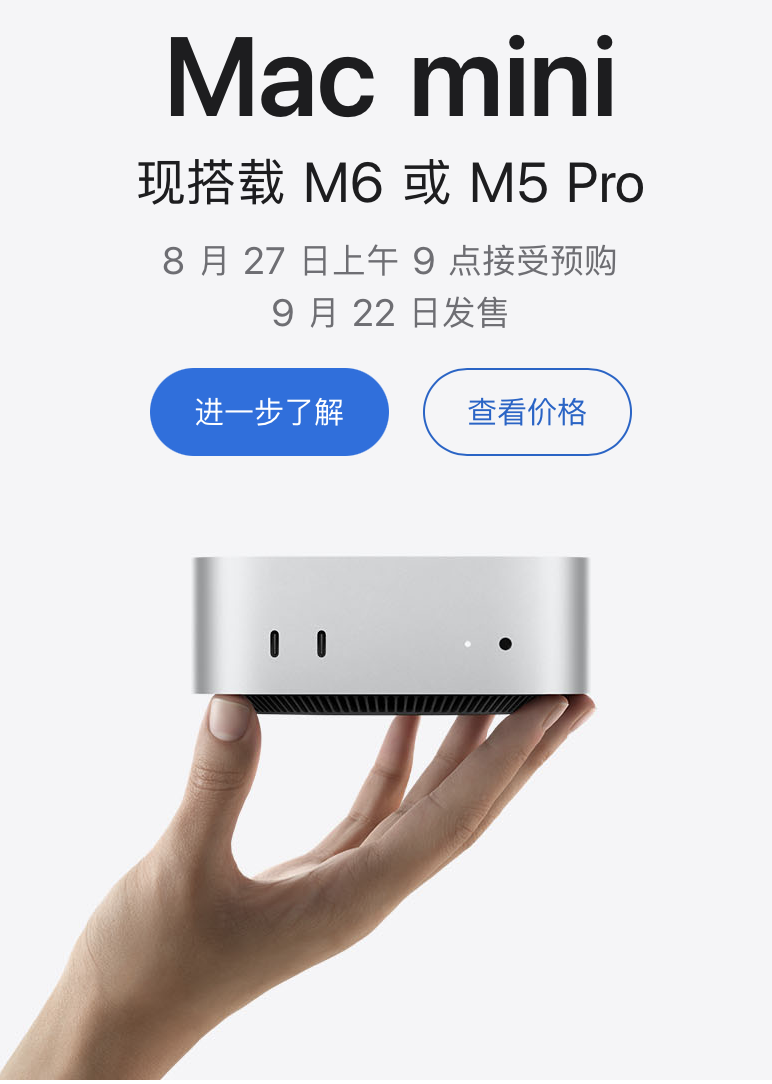
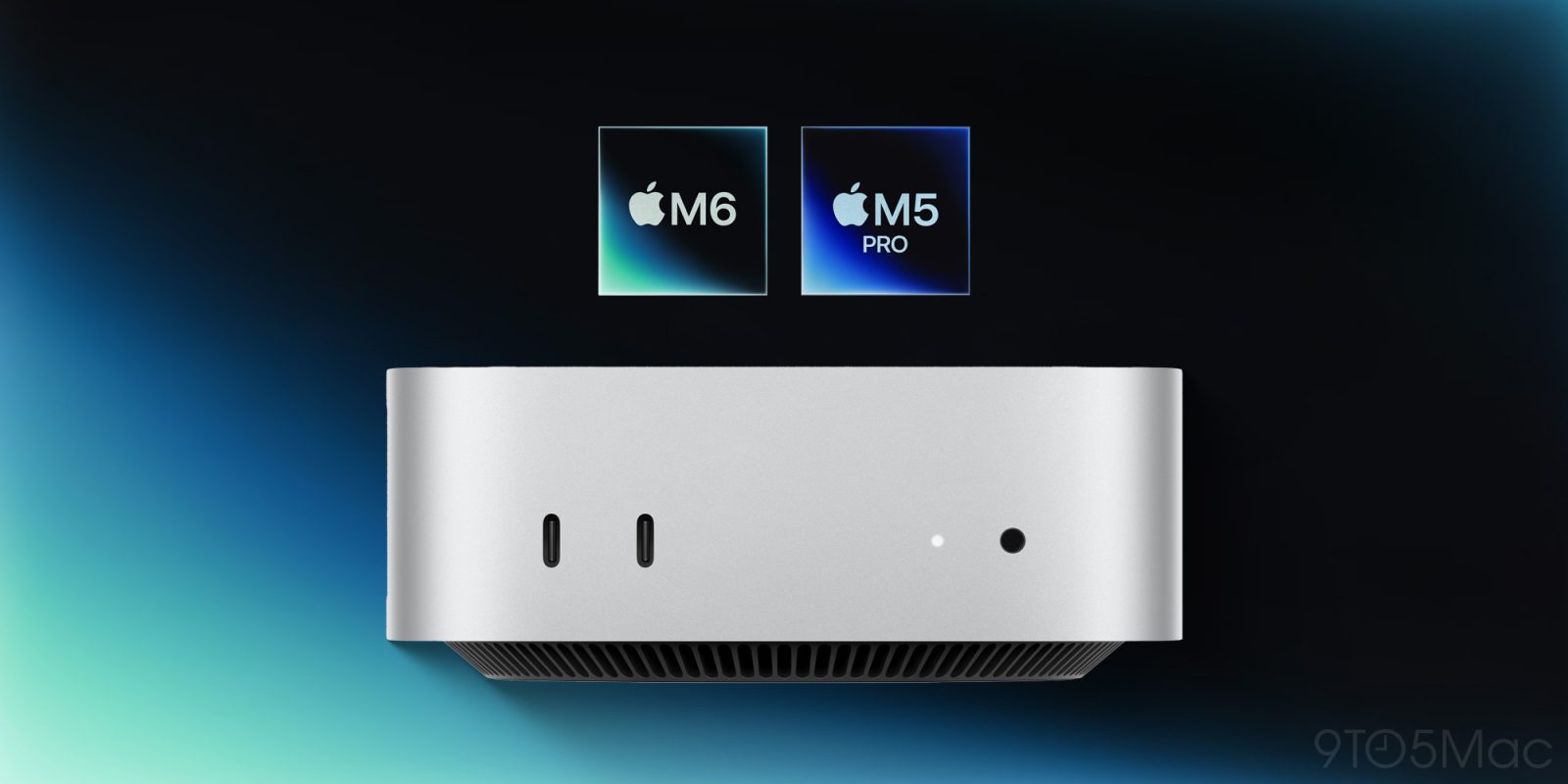
Apple's announcement of the M6 chip (featuring 40% faster multi-threaded CPU performance vs. M4) and M5 Ultra processor (512GB maximum memory) represents a critical inflection point for e-commerce sellers seeking to deploy AI locally without cloud dependency. The news reveals a fundamental market shift: after macOS 12.2 enabled low-latency Thunderbolt 5 distributed inference in December, hobbyists and developers began daisy-chaining multiple Mac devices to run large language models locally—creating an alternative to Nvidia GPU-dependent infrastructure. This democratization directly impacts e-commerce sellers in three ways.
First, AI-powered seller tools become economically viable for SMBs. Historically, AI automation required expensive cloud APIs (OpenAI, AWS SageMaker) costing $500-2,000/month for product research, dynamic pricing, and customer service automation. With M6's 160GB/second unified memory bandwidth and M5 Ultra's 512GB capacity, sellers can now run open-source models (Llama 2, Mistral) locally on $3,000-8,000 hardware investments—achieving ROI within 2-4 months. This creates immediate demand for AI SaaS platforms optimized for Apple Silicon (currently underserved vs. Nvidia-focused tools).
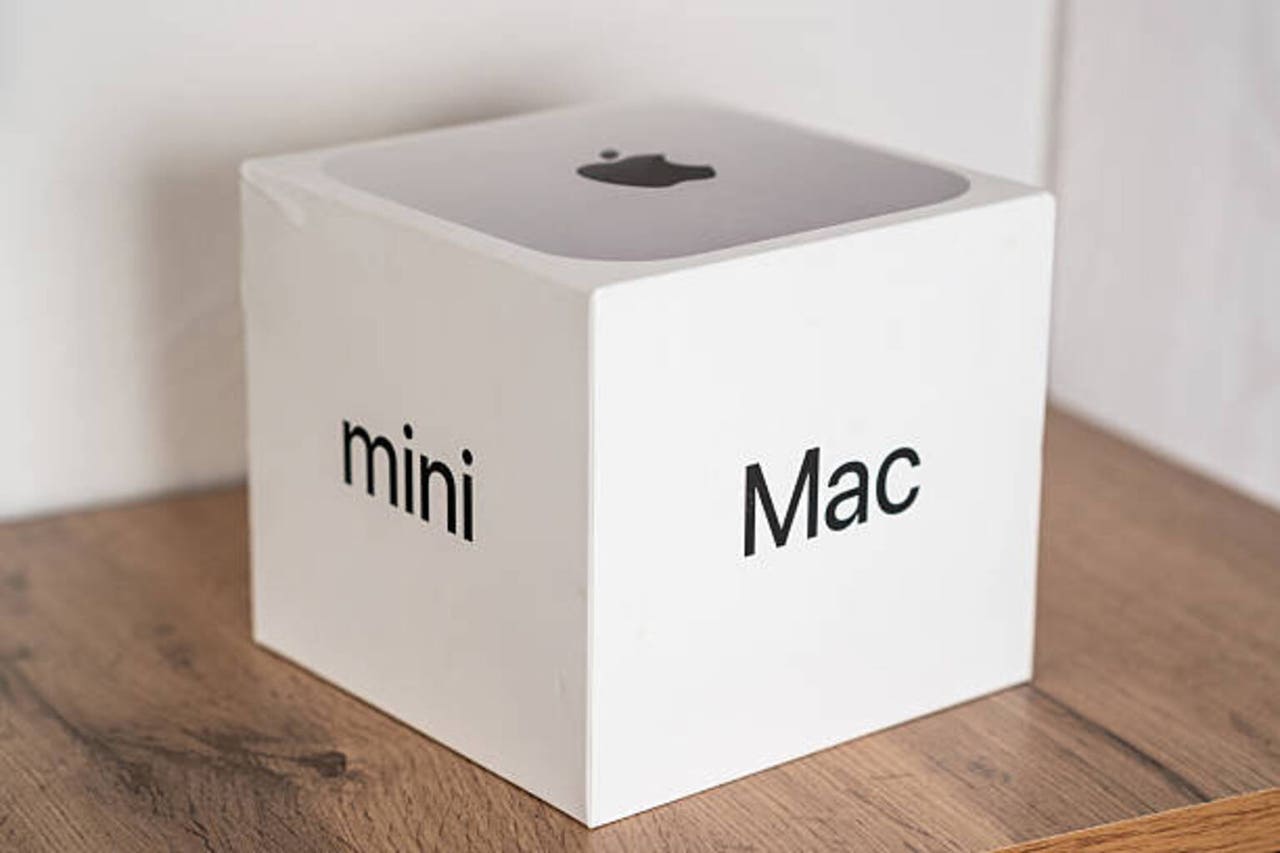
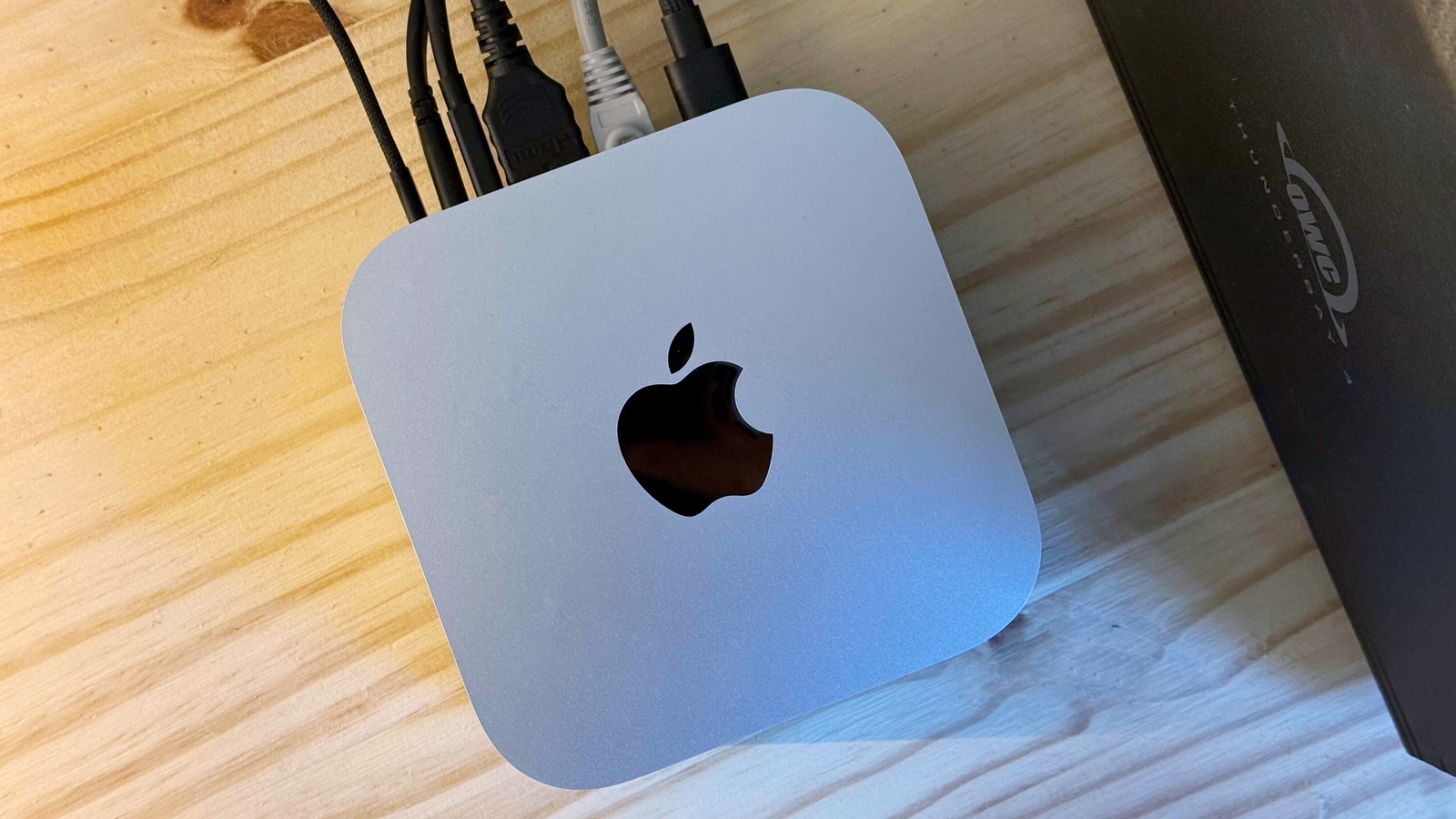
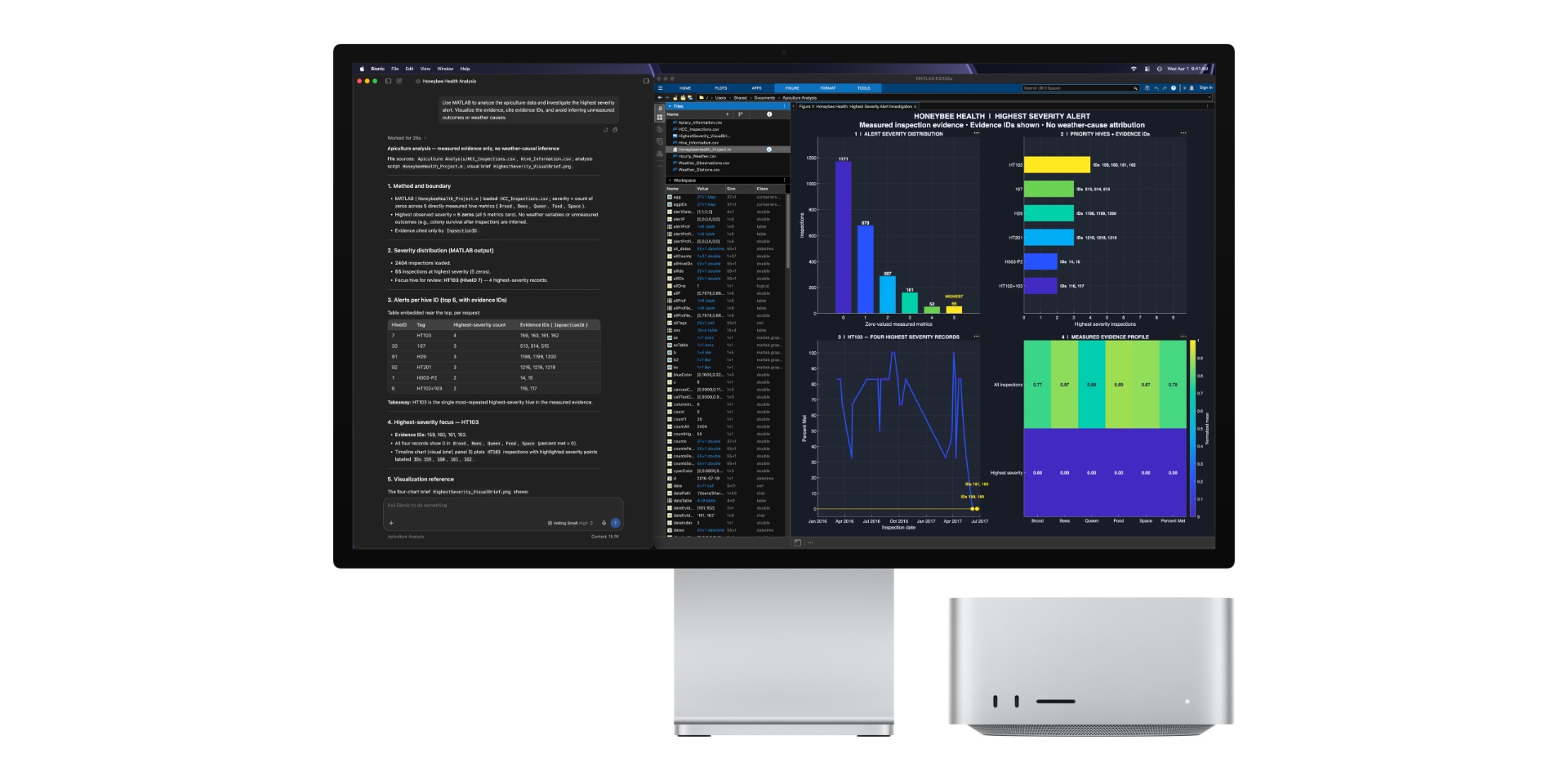
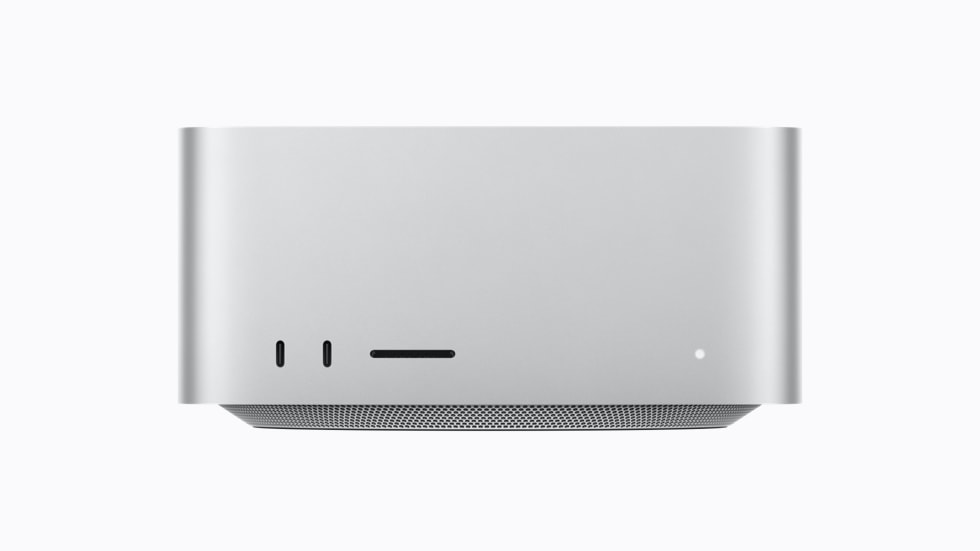
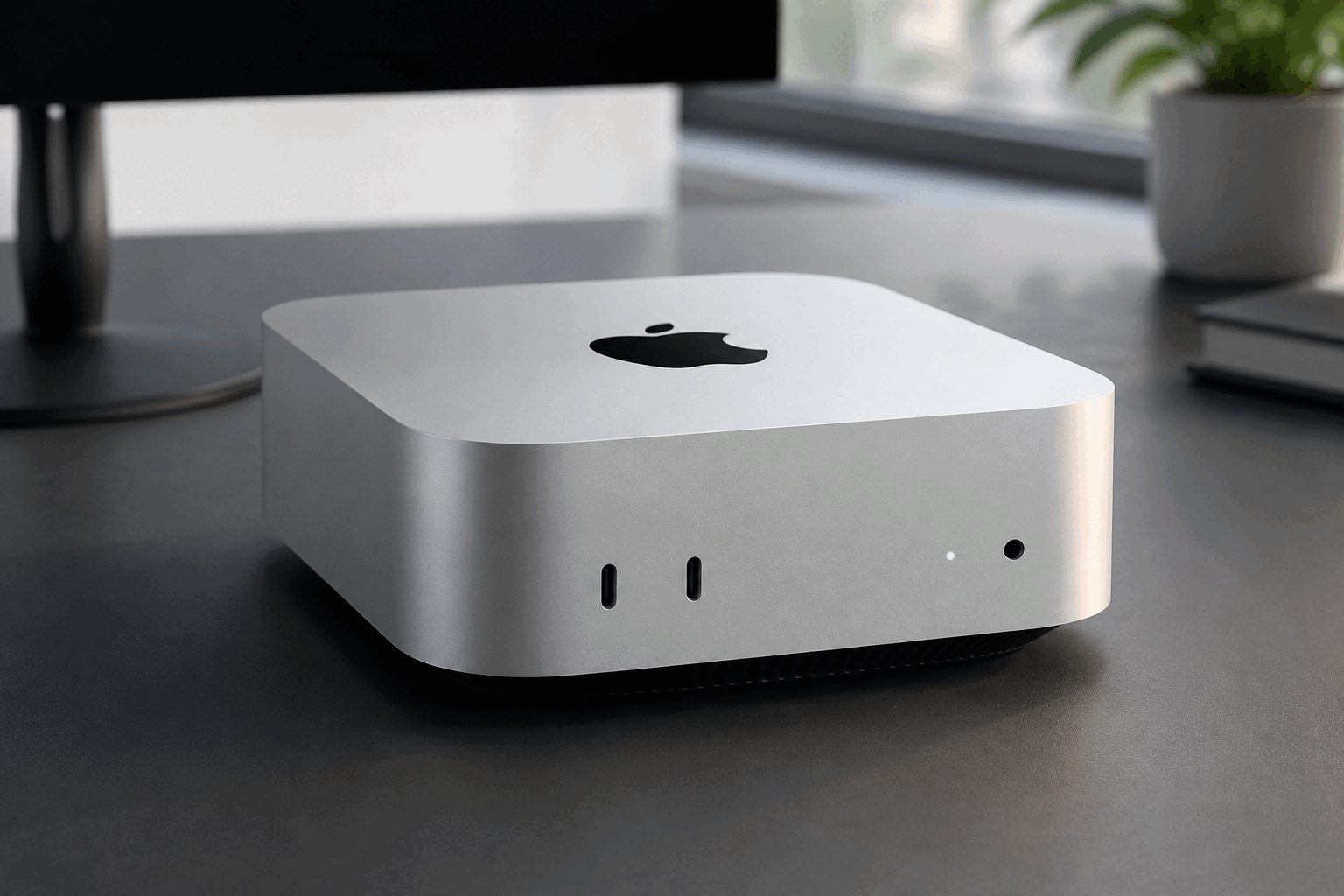
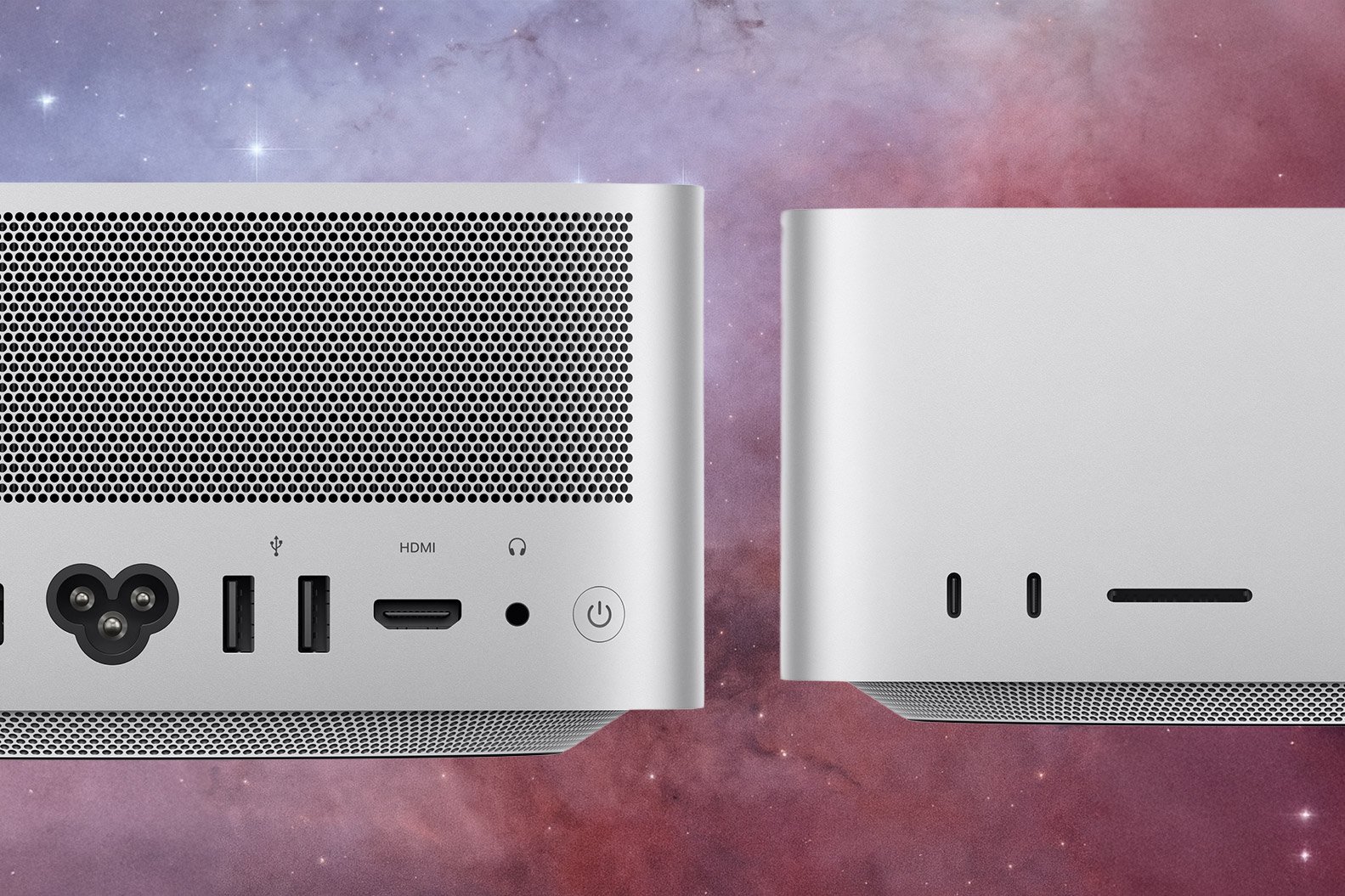
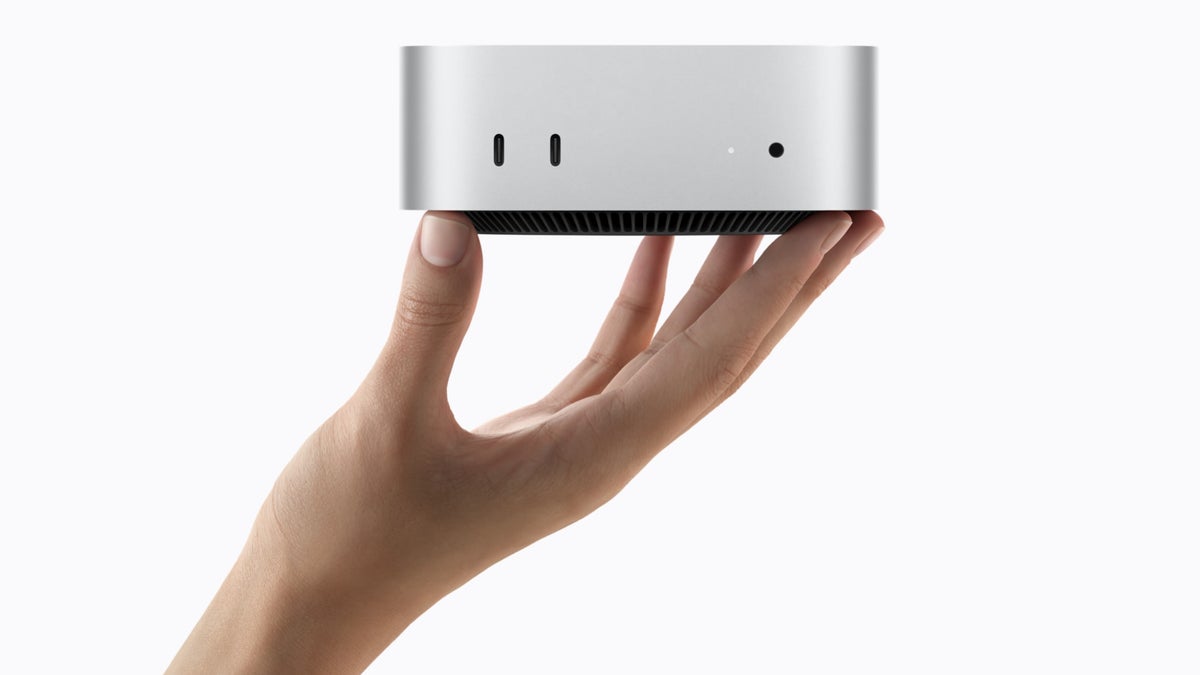
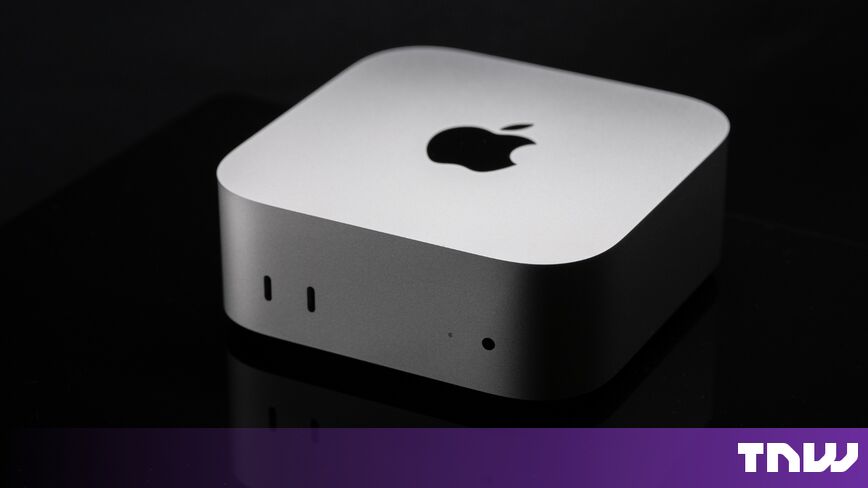
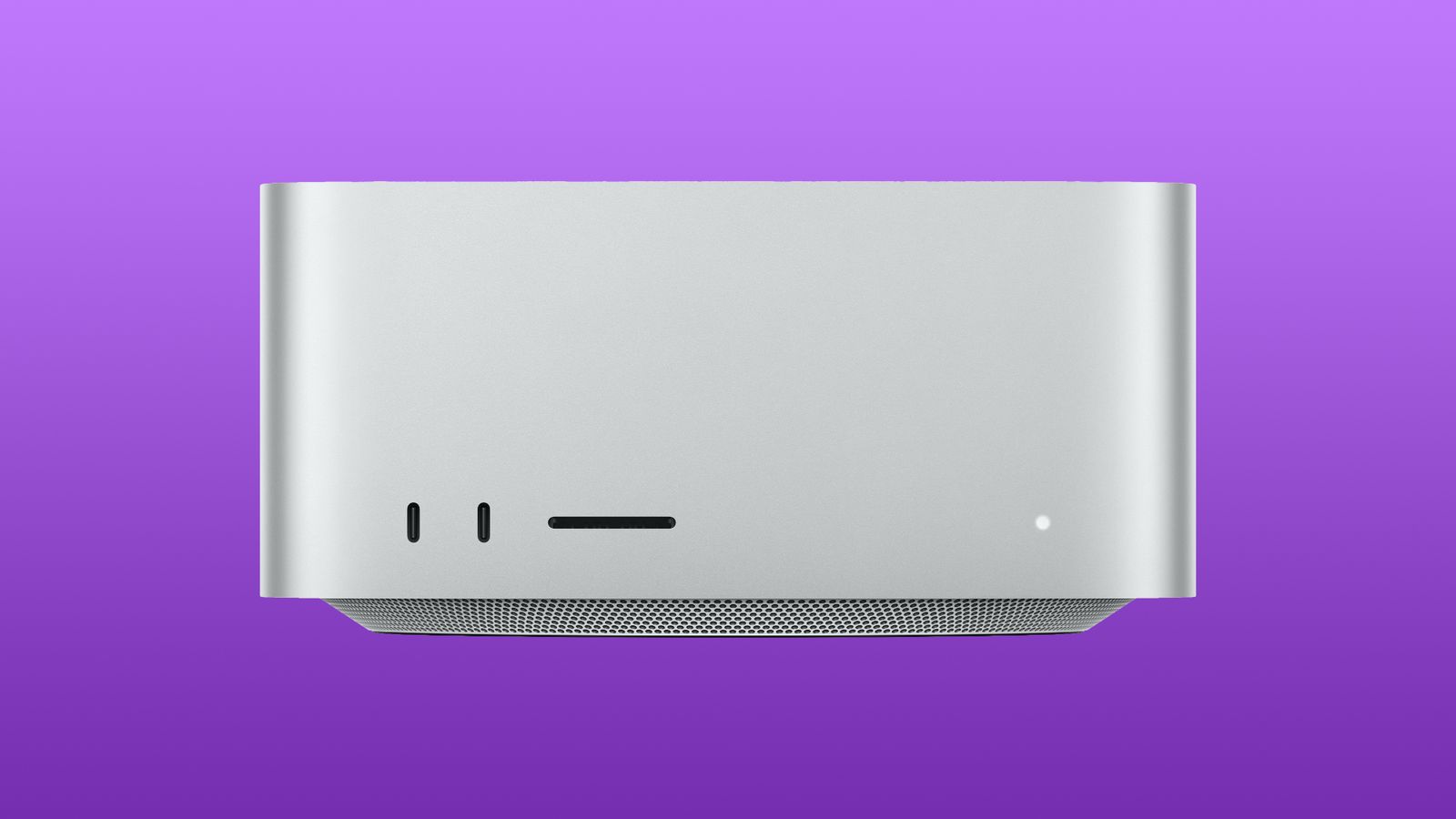
Second, product category opportunities emerge in AI-adjacent hardware and software. The surge in Mac mini and Mac Studio adoption for AI workloads signals growing demand for: (1) Thunderbolt 5 expansion docks and cooling solutions, (2) MLX-optimized software bundles for e-commerce tasks, (3) Distributed computing orchestration tools, and (4) Apple Silicon-native AI model marketplaces. Sellers can capitalize on this 12-24 month window before mainstream adoption by positioning Mac-based AI development kits as premium alternatives to GPU clusters.
Third, competitive intelligence reveals platform strategy shifts. Apple's explicit positioning of these chips for "AI development use cases" signals the company recognizes e-commerce automation as a growth vector. This contrasts with Nvidia's cloud-centric strategy and creates an opportunity for sellers to build proprietary AI advantages using accessible local infrastructure. Sellers adopting Mac-based AI now gain 6-12 months of competitive lead time before tools commoditize.
For cross-border sellers specifically, local AI inference eliminates data residency concerns (critical for EU GDPR compliance), reduces latency for real-time pricing optimization, and enables offline operation during connectivity disruptions—particularly valuable for sellers in regions with unreliable internet. The M6's 32GB memory ceiling requires strategic model selection, but emerging quantization techniques (4-bit, 8-bit) make this constraint manageable for 80% of e-commerce use cases (product tagging, sentiment analysis, demand forecasting).
Questions 8
What compliance and data privacy benefits does local AI inference provide for EU sellers?
Local AI inference on Apple Silicon eliminates data residency concerns critical for GDPR compliance. EU sellers using cloud-based AI (AWS, Google Cloud, OpenAI) must ensure data processing agreements (DPAs) and Standard Contractual Clauses (SCCs) are in place—adding 2-4 weeks to implementation and $5K-15K in legal costs. With M6/M5 Ultra local inference, customer data and product information never leave EU infrastructure, eliminating DPA requirements and reducing compliance risk. This is particularly valuable for sellers in regulated categories (healthcare, financial products, children's items) where data localization is mandatory. The macOS 12.2 Thunderbolt 5 update enables distributed inference across multiple EU-based Macs, supporting sellers with 50K+ SKUs while maintaining full GDPR compliance.
How does local AI inference on Apple Silicon compare to Nvidia GPU-based cloud solutions for sellers?
Apple's M6/M5 Ultra approach differs fundamentally from Nvidia's cloud-centric strategy: Apple offers lower total cost of ownership ($3K-12K hardware + $0 recurring) vs. Nvidia ($500-2,000/month cloud fees), but requires technical expertise to deploy and maintain. Nvidia maintains advantages in model diversity and scaling to 1,000+ concurrent users. For sellers with 1,000-50,000 SKUs and stable AI workloads, Apple Silicon delivers 40-60% cost savings over 24 months. For sellers with highly variable workloads or requiring 100+ concurrent AI operations, cloud solutions remain optimal. The competitive advantage window for Apple-based sellers lasts 12-18 months before cloud providers optimize pricing and Nvidia releases competitive consumer hardware.