



US Critical Minerals & Battery Manufacturing Shift | Export Controls & Tariff Arbitrage for E-Commerce Sellers
- Defense Department solicits domestic critical mineral production (indium, manganese, magnesium, titanium); DOE awards $50M for domestic battery anode manufacturing; stricter export controls and tariff restructuring expected to reshape electronics/battery supply chains for cross-border sellers by Q4 2026










Overview
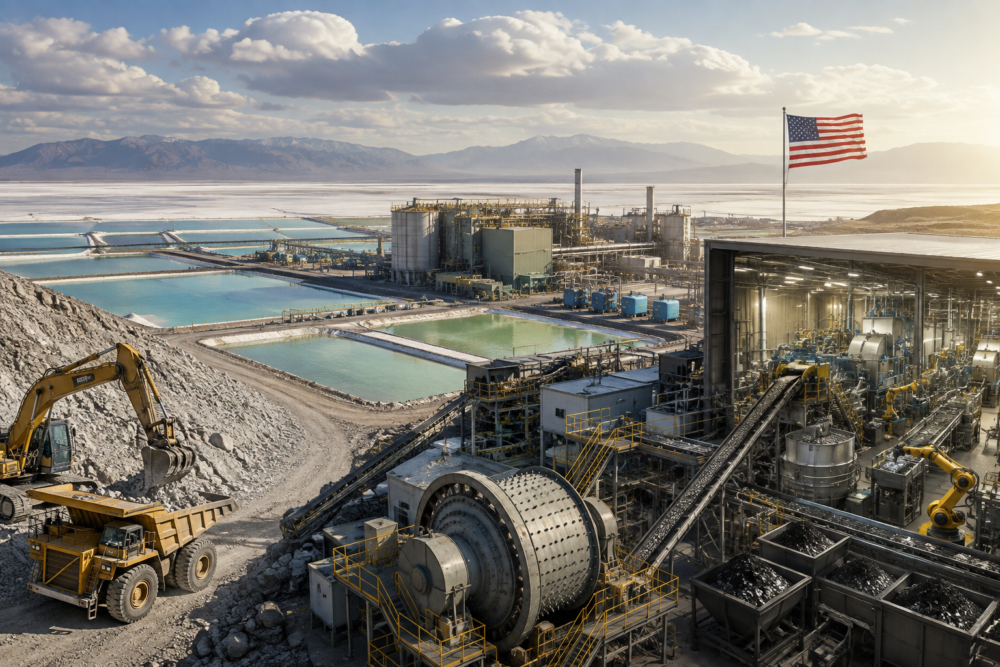
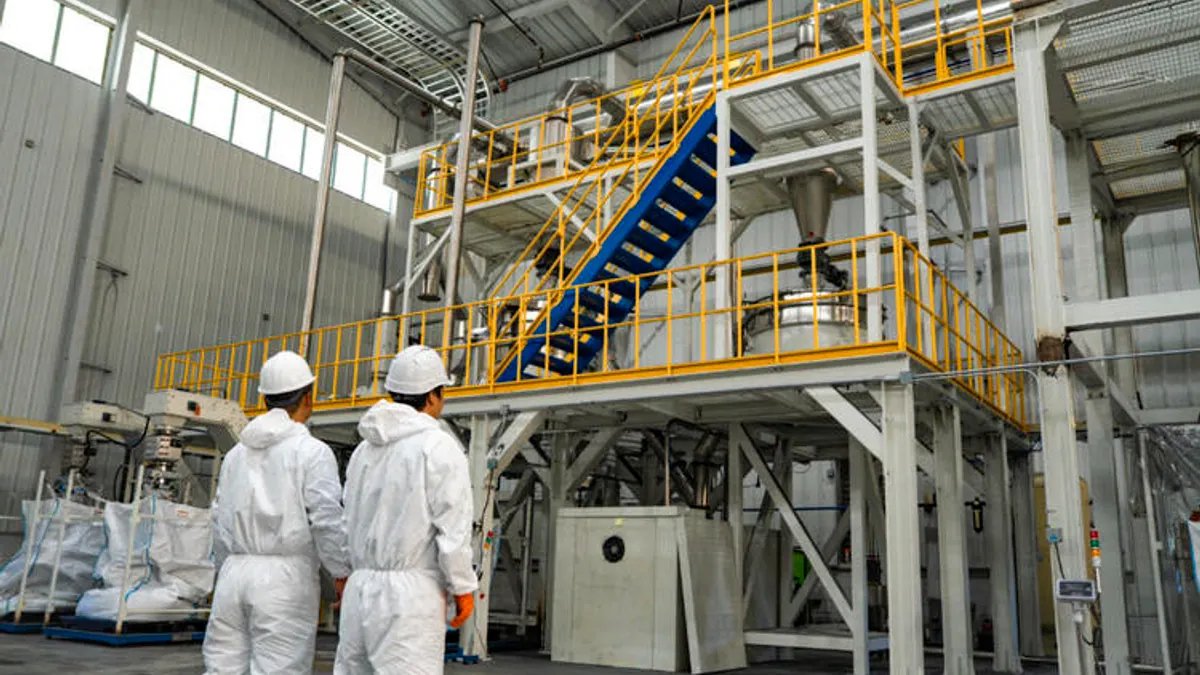
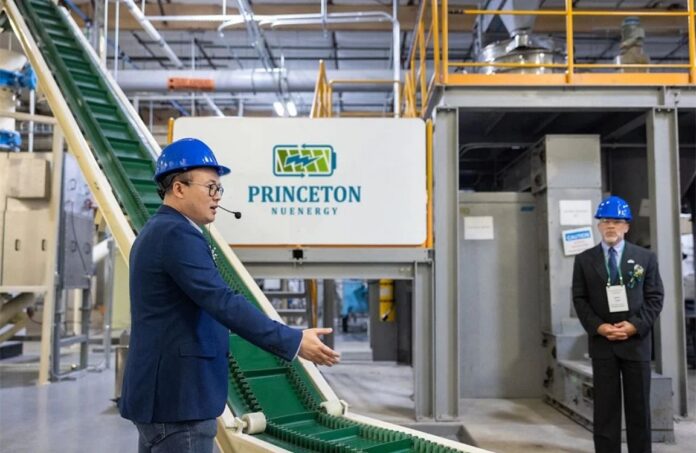
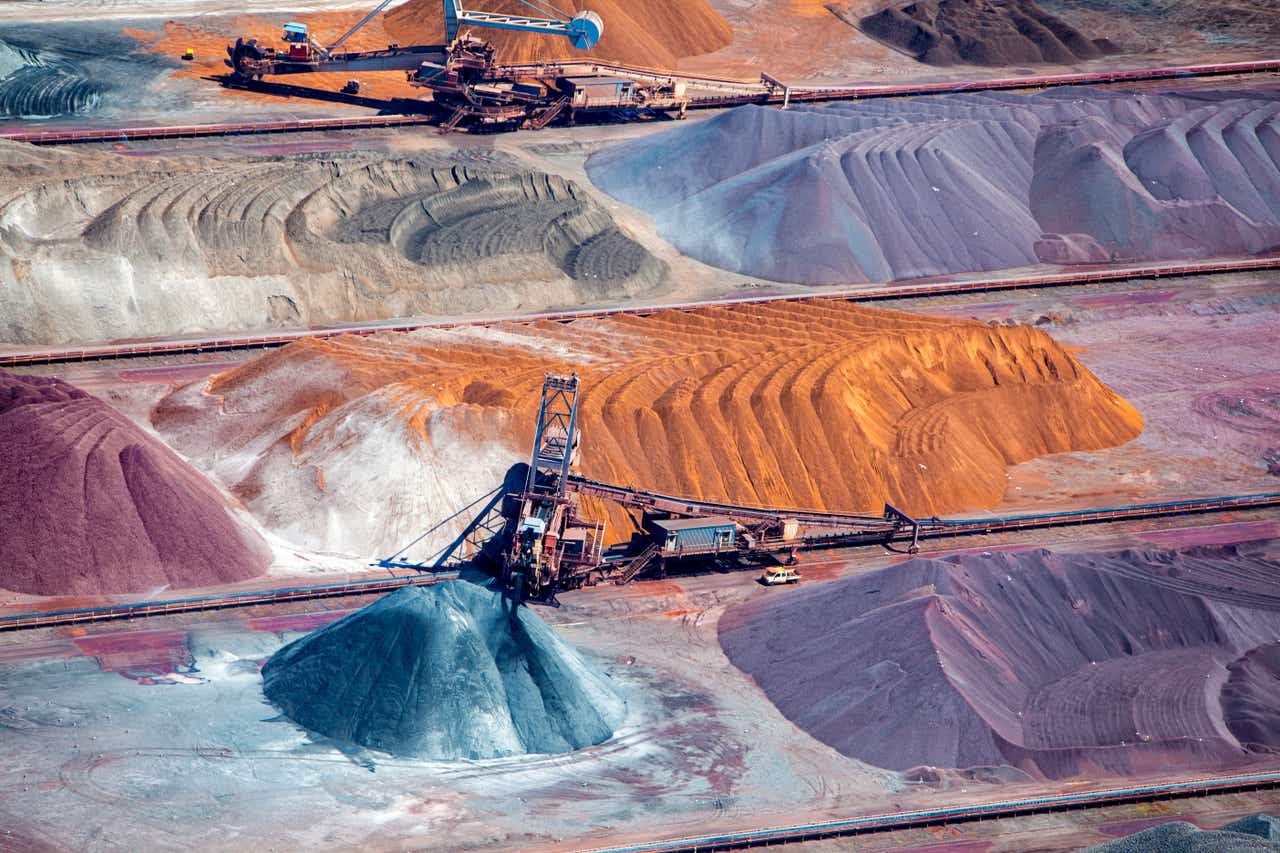
The U.S. government is executing a coordinated supply chain reshoring strategy targeting critical minerals and battery components, creating significant tariff arbitrage and compliance challenges for cross-border e-commerce sellers. The Defense Department's Defense Industrial Base Consortium issued a formal solicitation on August 24, 2026 (deadline September 17, 2026) seeking domestic production capacity for four strategic metals—indium, manganese, magnesium, and titanium—essential to defense manufacturing. Simultaneously, the Department of Energy awarded Coreshell Technologies a $50 million grant to scale domestic metallurgical silicon (MGS) anode production, signaling a strategic pivot away from Asian battery component imports.
For cross-border sellers, this dual initiative creates three immediate impacts: First, export control tightening on products containing indium (semiconductors, optoelectronic devices), manganese (steel alloys), magnesium (lightweight structures), and titanium (aerospace components) will likely trigger new licensing requirements and screening procedures from the Commerce Department and Defense Department by Q4 2026. Sellers currently exporting electronics, drones, power tools, or aerospace-adjacent products containing these materials face potential delays and compliance costs of $500-2,000 per shipment. Second, tariff restructuring is probable—as domestic production capacity increases, the U.S. may impose tariffs on imported finished goods containing these minerals (estimated 15-25% on electronics/batteries from Asia) while offering tariff exemptions or reduced rates for domestically-sourced components. This creates a 6-12 month window for sellers to shift sourcing from China/Vietnam to U.S. suppliers before tariff walls solidify, potentially improving margins by 8-15% for sellers who source MGS anodes domestically versus graphite alternatives. Third, supply chain fragmentation will accelerate—sellers importing batteries or battery-dependent products (power banks, e-bikes, smart devices) from Asia may face 20-30% cost increases by 2027 as tariffs bite, while sellers who pivot to U.S. battery suppliers gain competitive advantage and reduced tariff exposure.
Strategic opportunity window: The 6-month period between now and March 2027 represents a critical arbitrage window. Sellers should immediately audit product HS codes (8541.40 for semiconductors, 7225.40 for manganese steel, 7616.99 for magnesium alloys, 8108.30 for titanium) to identify exposure to future export controls. Sellers with high-value electronics inventory (drones, power tools, gaming devices, smart home products) should consider establishing relationships with U.S. battery and component suppliers now, before tariff incentives shift the competitive landscape. The Inflation Reduction Act's clean energy provisions suggest long-term tariff advantages for sellers integrating domestic MGS anodes into EV-adjacent products (e-bikes, portable power, energy storage devices), creating a 3-5 year margin improvement opportunity of 10-20% versus competitors relying on imported batteries.
Questions 8
What is the competitive advantage for sellers who source domestically versus importing from Asia?
Sellers who establish domestic sourcing relationships by Q1 2027 will gain 8-15% margin advantages over competitors relying on imported components, as tariffs on Asian-sourced batteries and critical mineral products increase 15-25%. Additionally, domestic sourcing reduces supply chain vulnerability to geopolitical disruptions and export control delays, improving inventory turnover and reducing working capital requirements. For high-volume sellers (1,000+ units monthly), the margin improvement translates to $5,000-15,000 monthly savings. This advantage is particularly valuable for sellers in electronics, power tools, and e-bike categories competing on Amazon and Shopify.
How will stricter export controls impact Amazon FBA and cross-border logistics?
Stricter export controls on critical mineral products will increase compliance requirements for Amazon FBA sellers shipping internationally. Sellers will need to obtain Commerce Department licenses for products containing indium, manganese, magnesium, or titanium before shipment, adding 2-4 weeks to fulfillment timelines. Amazon may require updated product compliance documentation in Seller Central by Q1 2027. Sellers should proactively update product listings with compliance information and establish relationships with customs brokers experienced in critical mineral export licensing. Failure to comply could result in FBA account suspension or product delisting.