

USPS Mail Theft & Payment Fraud | Critical Compliance Risk for Sellers Using Postal Services
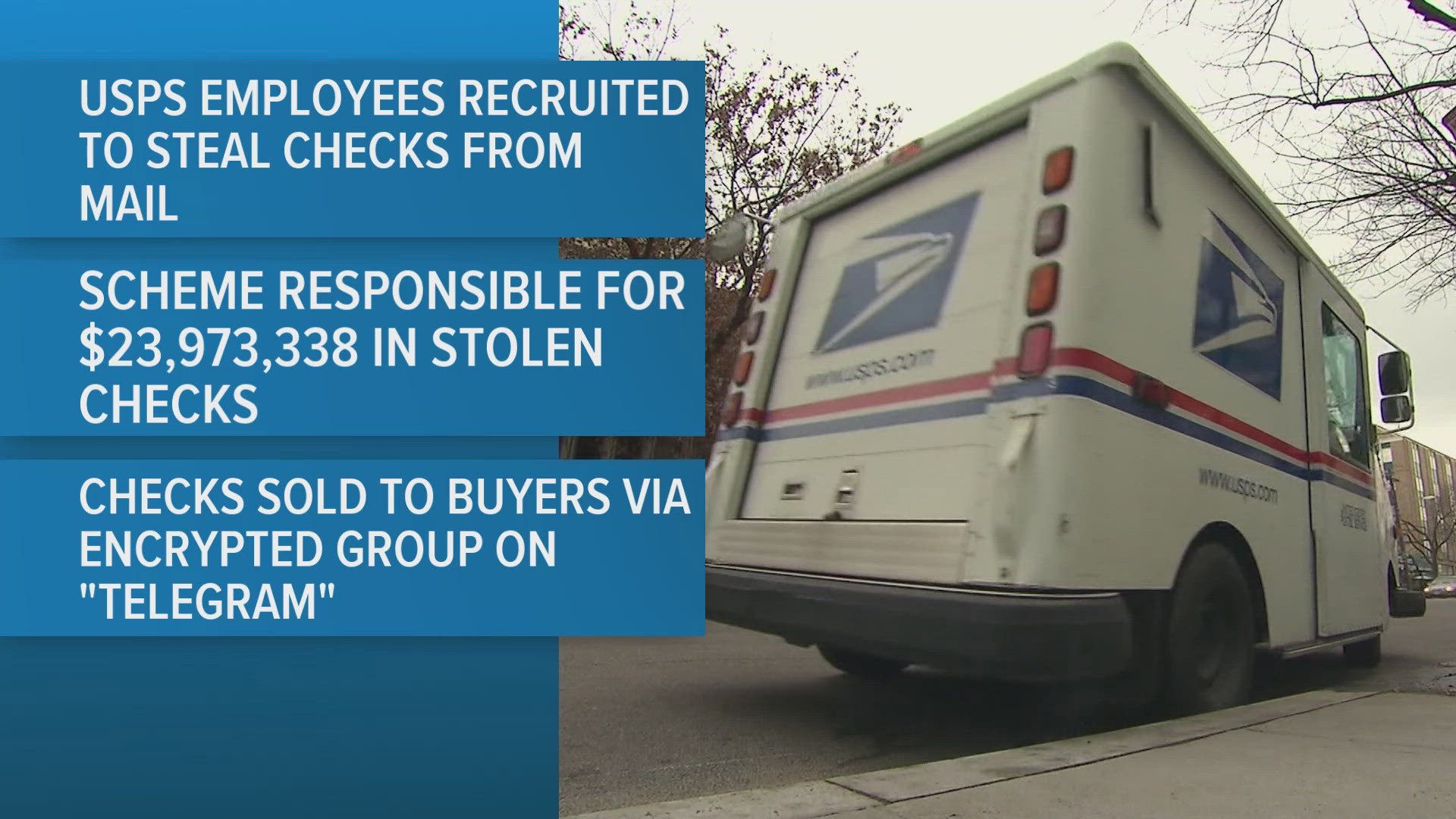
- $23.97M check theft ring (Oct 2022-Sept 2024) reveals insider threats in mail logistics; sellers must audit payment processing security and shipping method vulnerabilities






















Overview
The August 2024 federal indictment of five individuals orchestrating a $23.97 million check theft scheme through USPS carriers exposes critical vulnerabilities in mail-based payment systems that directly impact e-commerce sellers. Federal prosecutors in the Southern District of Texas charged Tryston Tremaine Vaughn, Catherine Clauzelle Kilpatrick, Drakkor Jamar Alexander, Malcolm Tiree Joubert, and Alyssa Nadine Bryant for operating a 22-month conspiracy (October 2022–September 2024) that removed checks from Houston mail routes and distributed them nationwide via FedEx using encrypted Telegram channels. The scheme involved stolen checks from BMO Bank ($1.5M+), Chase, Amegy Bank, Citibank, and Stellar Bank, demonstrating how insider access to postal infrastructure combined with legitimate parcel services creates fraud vectors that bypass traditional security controls.
For e-commerce sellers, this case reveals three critical compliance and operational risks. First, sellers accepting check payments or processing customer refunds via mail face elevated fraud exposure—the conspiracy's 22-month operational window suggests detection gaps in postal security monitoring. Second, sellers using USPS for high-value shipments (electronics, collectibles, jewelry) should recognize that postal employees with access to mail streams represent insider threats; the case documents how three Houston-based USPS carriers systematically removed items from delivery routes. Third, the use of FedEx as a distribution channel for stolen instruments indicates that even major parcel carriers can unknowingly facilitate fraud when criminals exploit legitimate shipping services—sellers must implement stronger verification protocols for payment instruments and customer identity.
The regulatory and operational implications are substantial. The defendants face nine counts including conspiracy to commit bank fraud and theft of mail matter, with penalties potentially exceeding 20 years imprisonment and $250K+ fines per count. This enforcement intensity signals that federal authorities are prioritizing postal security vulnerabilities, likely triggering new USPS monitoring protocols, carrier background checks, and audit procedures that could increase shipping delays and compliance costs for sellers. The case also highlights the vulnerability of encrypted marketplaces (the "slipsandchips" Telegram channel) in facilitating fraud—sellers should audit their own payment processing systems, customer communication channels, and refund procedures to ensure they don't inadvertently enable similar schemes.
Sellers should immediately implement payment security audits, reduce reliance on check-based transactions, and strengthen shipping verification protocols. Consider transitioning to digital payment methods (ACH, credit card processing) that provide better fraud detection and chargeback protection than physical checks. For high-value shipments via USPS, implement signature confirmation and tracking verification to reduce insider theft risk. Monitor USPS policy changes regarding carrier background checks and security protocols—increased enforcement may trigger new compliance requirements or shipping delays that affect fulfillment timelines. Additionally, review customer refund procedures to ensure they don't create payment instrument vulnerabilities similar to those exploited in this scheme.
Questions 7
How does this case impact seller liability for payment fraud on their platforms?
While the case focuses on postal employee theft, it highlights that sellers can face liability if their payment processing systems or refund procedures create fraud vulnerabilities. The conspiracy's 22-month operational window suggests that detection gaps existed in both postal security and banking fraud monitoring. Sellers should implement strong Know Your Customer (KYC) verification for high-value transactions, maintain audit trails of all payment instruments, and report suspicious activity to their payment processors. Use established payment platforms (Amazon Pay, Shopify Payments) that provide fraud detection and compliance monitoring. Document all refund procedures and payment verification steps to demonstrate due diligence if fraud occurs. Consider cyber liability insurance to protect against payment fraud claims.
What are the financial penalties for sellers involved in check fraud schemes?
The five defendants face nine counts total, including conspiracy to commit bank fraud and theft of mail matter, with potential penalties exceeding 20 years imprisonment and $250K+ fines per count. For sellers, involvement in payment fraud schemes carries severe consequences: federal prosecution, business license revocation, platform bans (Amazon, eBay, Shopify), and civil liability to defrauded customers. The case demonstrates that federal authorities actively prosecute fraud involving payment instruments and mail systems. Sellers must ensure their payment processing, refund procedures, and customer communication comply with federal banking regulations. Implement compliance audits of payment handling procedures and maintain documentation of all transactions to demonstrate good-faith fraud prevention efforts.