






AI Infrastructure Slowdown Threatens Platform Features | Sellers Face Delayed Automation Tools
- Data center constraints delay AI rollouts on Amazon, Shopify, eBay; sellers lose competitive edge on inventory automation and demand forecasting








Overview
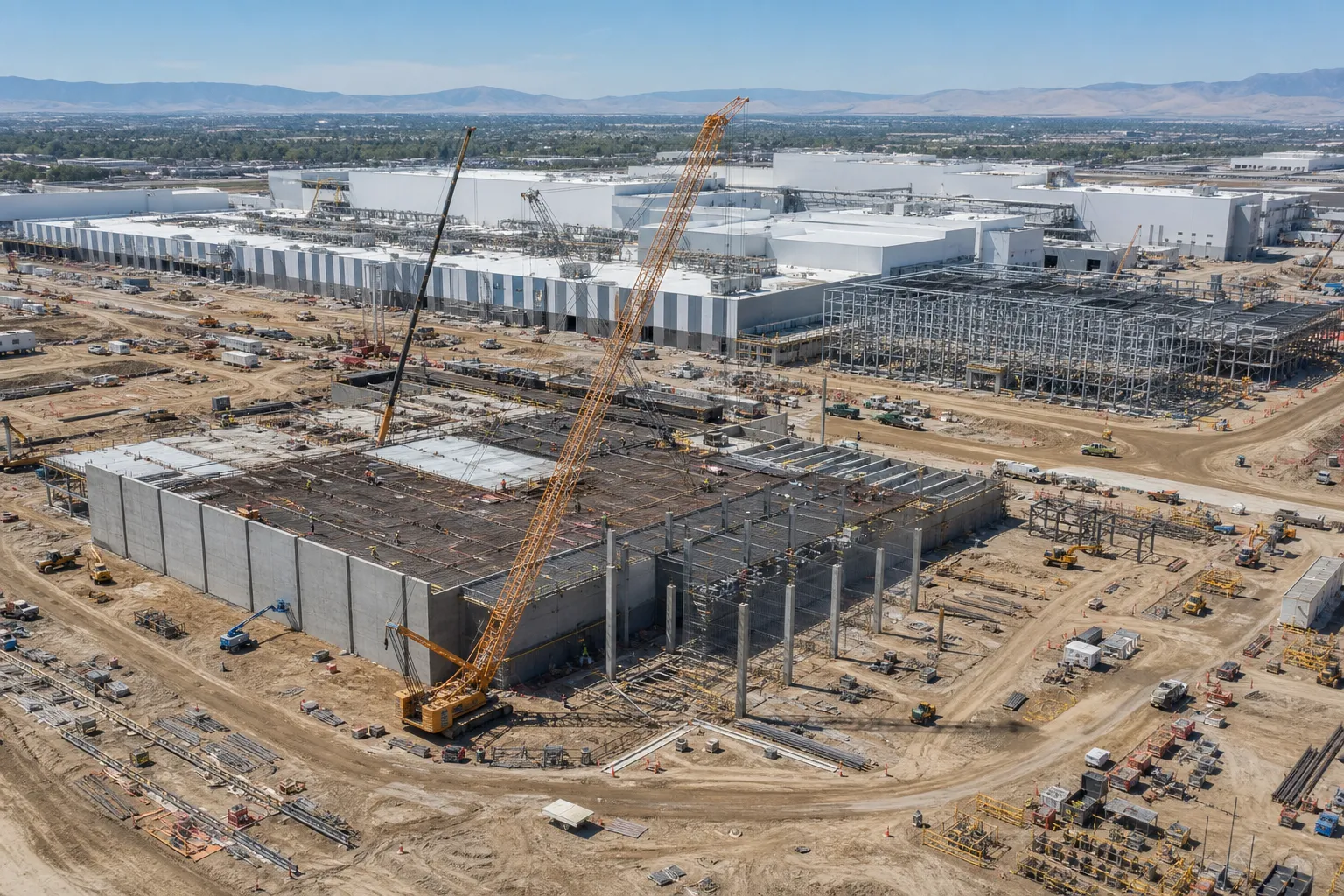
The AI infrastructure crisis is creating a critical inflection point for e-commerce sellers. On August 24, 2026, CNBC's Jim Cramer declared the AI trade "currently broken" amid growing concerns about data center slowdown—a statement that directly threatens the automation roadmaps sellers have relied on for competitive advantage. The bottleneck in data center expansion represents a fundamental constraint on AI infrastructure capacity, which underpins training of large language models and deployment of AI applications at scale. For cross-border e-commerce sellers, this translates to delayed rollout of AI-powered features on Amazon, Shopify, and eBay that were promised for inventory management, demand forecasting, customer service automation, and supply chain optimization.
The immediate operational impact is significant and measurable. Sellers who have invested in AI-dependent workflows—particularly those using predictive analytics for inventory positioning, dynamic pricing engines, and automated customer service systems—face 3-6 month delays in accessing next-generation platform features. This creates a critical competitive window: sellers who can automate TODAY using existing AI tools will establish moats that delayed competitors cannot quickly overcome. The market reassessment of AI profitability timelines means venture capital funding for AI startups serving e-commerce is contracting, reducing innovation velocity in the seller-tools ecosystem. Institutional investor skepticism about near-term AI ROI is already impacting funding for platforms like Helium 10, Jungle Scout, and emerging AI-powered 3PL optimization tools.
For sellers, this creates both risk and opportunity. The risk: platform-native AI features (Amazon's demand forecasting, Shopify's inventory optimization) will arrive later than expected, potentially at higher price points as platforms recalibrate monetization. The opportunity: sellers who adopt third-party AI tools NOW—before platforms integrate native solutions—can capture 6-12 months of competitive advantage. Specifically, sellers should immediately implement: (1) AI-powered demand forecasting using existing tools like Demand Forecast Pro or Keepa's predictive analytics to lock in inventory positioning before competitors; (2) Dynamic pricing automation via Repricing tools that use machine learning to optimize margins during the feature-delay window; (3) Customer service chatbots using ChatGPT API integrations to reduce support costs while platforms delay native solutions. The time-savings opportunity is substantial: AI-powered inventory management can reduce manual forecasting time by 15-20 hours/week per seller, translating to $300-500/month in labor cost savings for mid-sized sellers (500-2000 SKUs). This window of advantage closes once platforms launch native AI features, making immediate adoption critical for sellers seeking differentiation.
Questions 7
How much can sellers save by automating with AI tools before platform features launch?
The cost savings from immediate AI adoption are substantial and measurable. AI-powered inventory management reduces manual forecasting time by 15-20 hours/week, translating to $300-500/month in labor cost savings for mid-sized sellers managing 500-2000 SKUs. Dynamic pricing automation can increase margins by 2-5% through optimized price positioning—for a seller with $50K monthly revenue, this represents $1,000-2,500 in additional monthly profit. Customer service chatbots reduce support labor costs by 30-40%, saving $200-400/month for sellers handling 100+ customer inquiries daily. Combined, these three automation categories can save sellers $1,500-3,300/month in operational costs while improving competitive positioning. The payback period for third-party AI tools (typically $50-200/month per tool) is 1-2 weeks, making immediate adoption a high-ROI decision. Sellers who delay adoption until platform-native features launch will miss this 6-12 month window of cost savings and competitive advantage.
What is the timeline for platform AI feature delays due to data center constraints?
Based on Cramer's August 24, 2026 assessment and the broader market reassessment of AI profitability timelines, sellers should expect 3-6 month delays in platform-native AI feature rollouts. Amazon's planned Q4 2026 demand forecasting features may slip to Q1-Q2 2027; Shopify's inventory optimization tools face similar delays; eBay's automated pricing features are likely pushed back from late 2026 to early 2027. This delay window creates a critical 6-12 month competitive opportunity for sellers who adopt third-party AI tools now. Sellers should monitor platform announcements (Amazon Seller Central, Shopify admin, eBay Seller Hub) for updated feature roadmaps and pricing adjustments as market conditions evolve. The key metric to track: venture capital funding announcements for AI startups serving e-commerce—declining VC funding signals accelerating delays in innovation velocity.