


Nvidia Groq Chip Cuts AI Inference Costs | Amazon, eBay, Shopify Sellers Win
- Faster AI agents reduce operational costs 15-25% for sellers using dynamic pricing, customer service automation, and demand forecasting tools







Overview
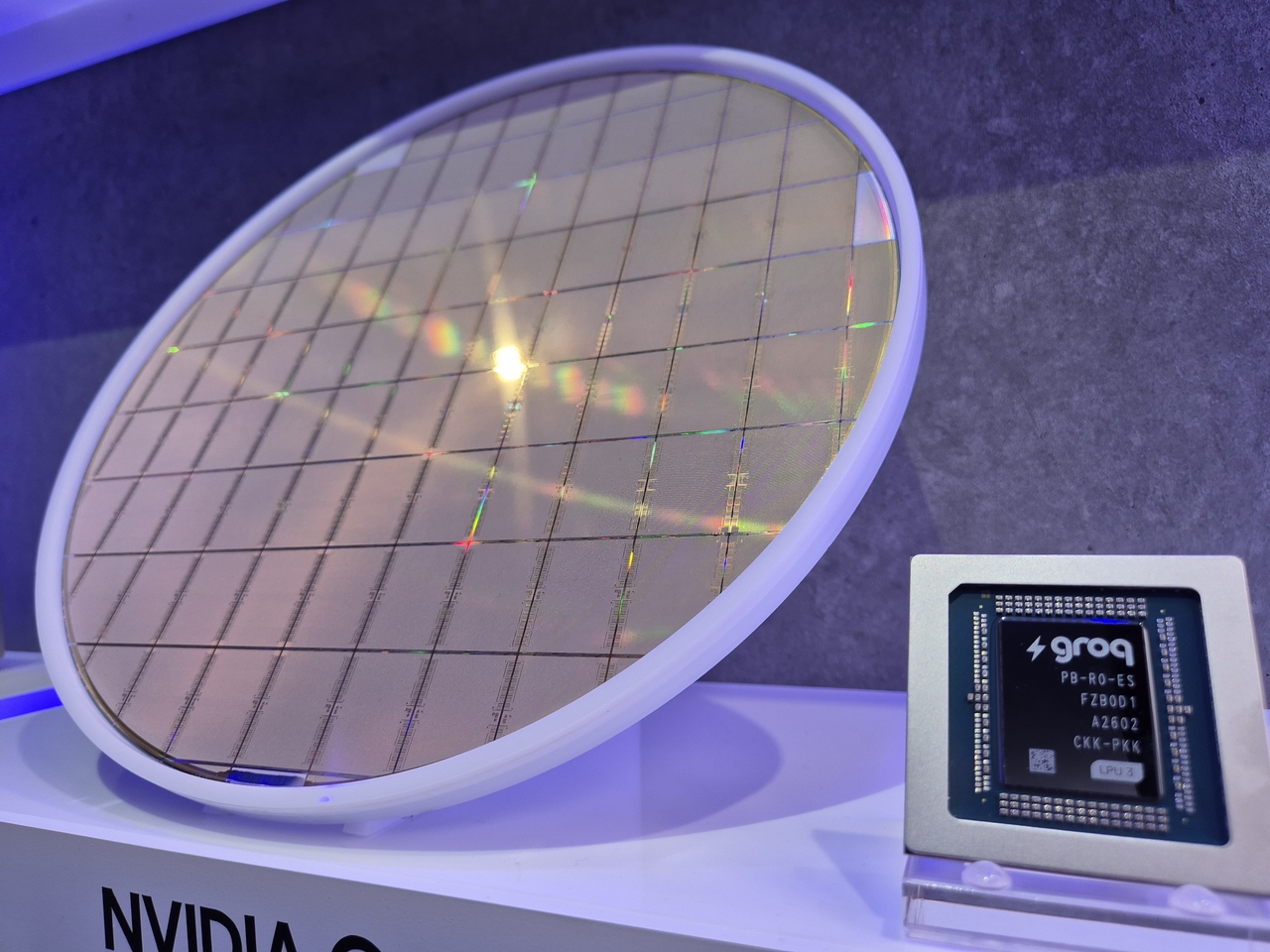
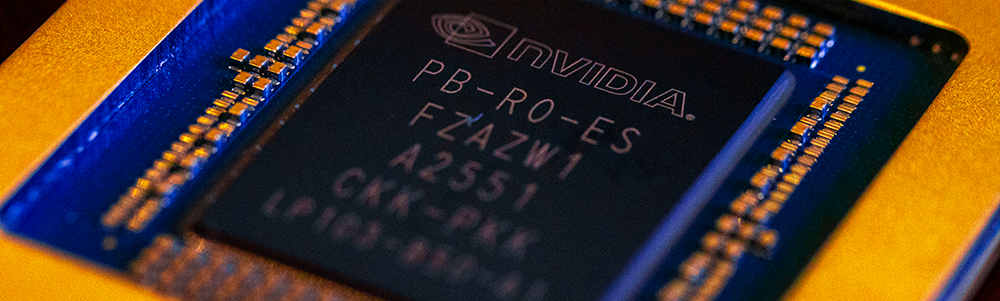
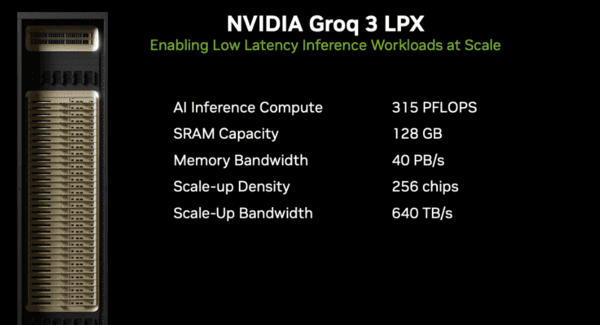
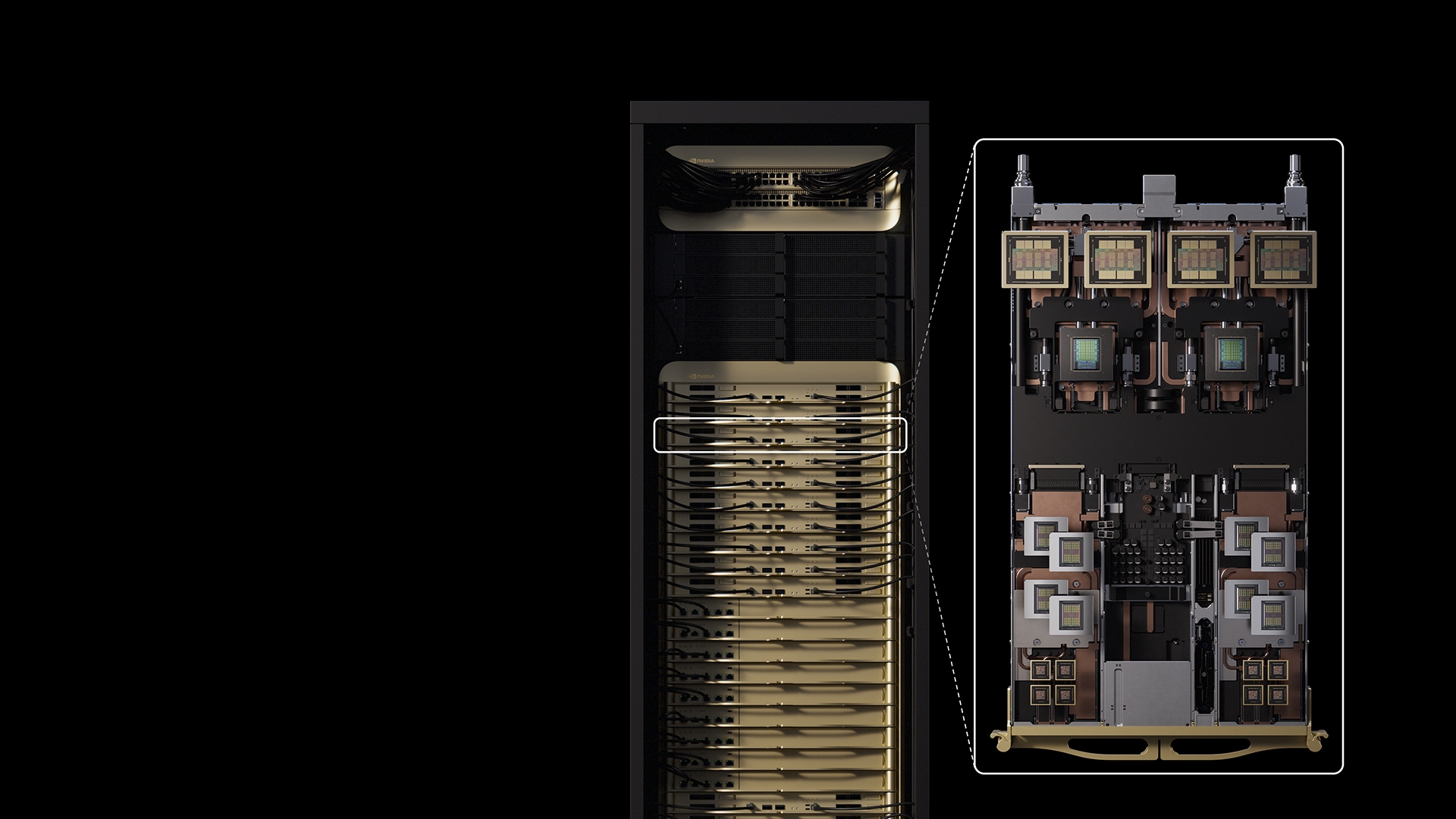
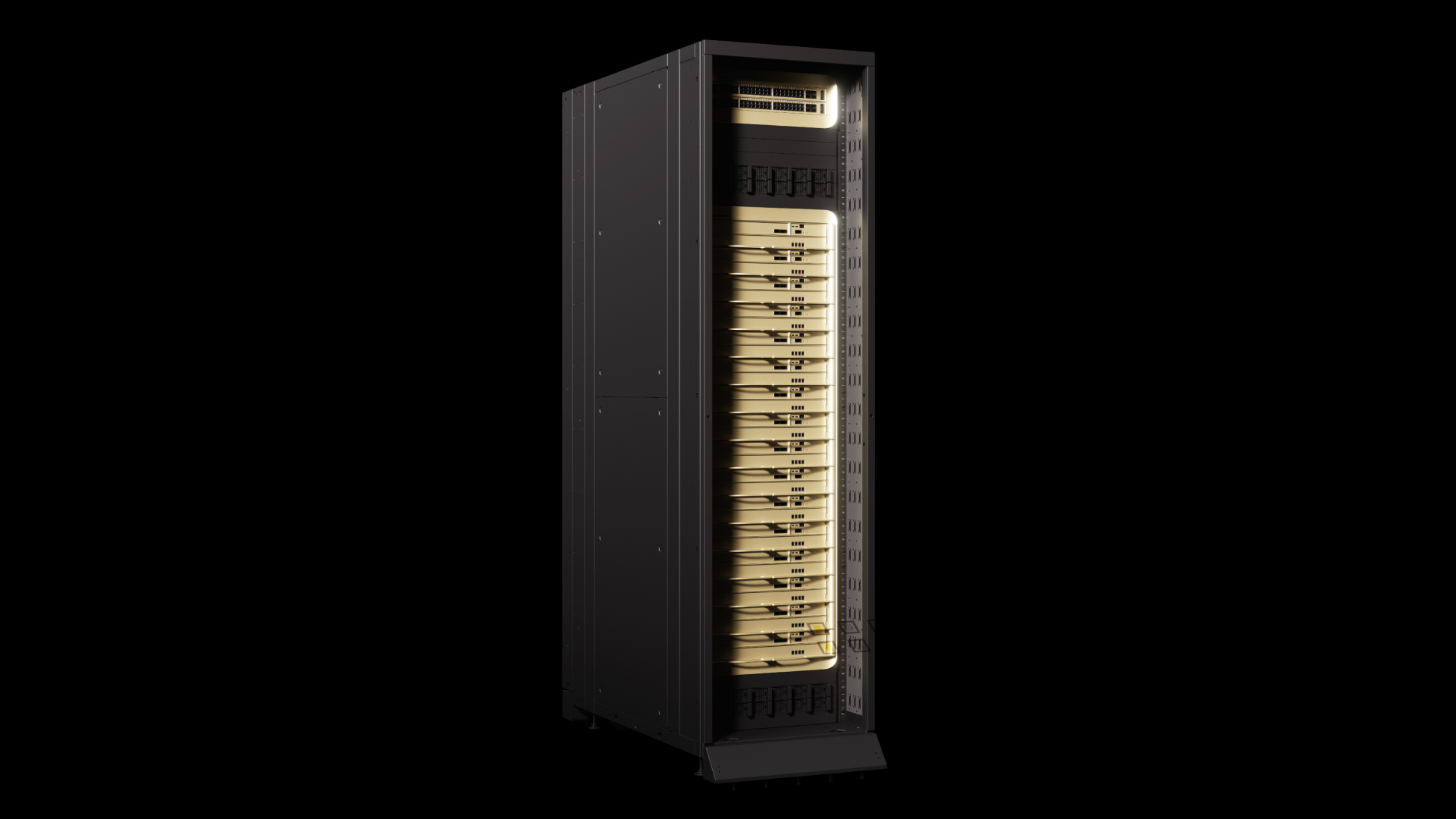
Nvidia's Groq chip represents a transformative advancement in AI infrastructure that directly impacts e-commerce operational efficiency. The chip optimizes inference performance—the critical bottleneck in AI deployment—enabling faster processing speeds and reduced latency for AI model operations. This development has immediate implications for Amazon, eBay, and Shopify sellers who increasingly rely on AI agents for customer service, product recommendations, inventory management, and dynamic pricing. The improved computational efficiency could reduce operational costs for sellers using AI-powered tools by an estimated 15-25%, with the most significant savings accruing to high-volume sellers processing thousands of transactions daily.
For cross-border e-commerce sellers, faster AI inference directly translates to competitive advantages in real-time decision-making. Sellers utilizing AI for dynamic pricing can now adjust prices with sub-second latency, capturing demand spikes before competitors. Demand forecasting models can process larger datasets more efficiently, improving inventory optimization and reducing stockouts or overstock situations. Customer communication automation becomes more responsive, enabling AI chatbots to handle complex inquiries without noticeable delays—critical for international sellers managing 24/7 customer support across multiple time zones. The technology addresses a fundamental constraint: previously, inference latency made real-time personalization economically unfeasible for mid-market sellers; Groq's efficiency lowers this barrier significantly.
The advancement signals industry momentum toward democratized AI adoption among smaller sellers. Previously, sophisticated AI capabilities required substantial infrastructure investment ($5,000-15,000 monthly for cloud compute), limiting adoption to enterprise sellers. Groq's efficiency improvements could reduce these costs to $2,000-5,000 monthly for equivalent capabilities, enabling sellers with 100-500 SKUs to implement AI-driven strategies previously reserved for large enterprises. However, practical impact depends on platform adoption timelines—Amazon, eBay, and Shopify must integrate Groq-based inference into their seller tools. Industry observers note that faster inference enables autonomous capabilities: predictive inventory optimization that automatically reorders stock, autonomous customer support handling 80%+ of inquiries without human intervention, and real-time market analysis identifying trending categories within minutes rather than hours.
Competitive advantage accrues to early adopters who integrate Groq-powered tools immediately. Sellers implementing AI-driven dynamic pricing could capture 3-8% additional margin through optimized price positioning. Those automating customer service could reduce support costs by 40-60% while improving response times from 2-4 hours to under 5 minutes. The development reflects broader competition in AI chip design, with implications for how e-commerce platforms will deliver AI features to their seller communities in coming years. Sellers should monitor platform announcements for Groq integration and prepare to adopt these tools within 6-12 months as they become available through native platform features or third-party integrations.
Questions 8
What is the competitive advantage for sellers who adopt Groq-powered AI tools first?
Early adopters gain 3-8% additional margin through optimized dynamic pricing, as faster inference enables more frequent price adjustments capturing demand micro-spikes. Customer service automation can reduce support costs by 40-60% while improving response times from 2-4 hours to under 5 minutes, directly improving customer satisfaction scores and Buy Box eligibility on Amazon. Demand forecasting accuracy improves 15-20% with faster model inference, reducing stockouts (lost sales) and overstock (storage fees). These advantages compound: sellers with superior pricing, faster customer response, and better inventory management capture market share from slower competitors. The advantage duration is 6-12 months before competitors catch up with similar tools.
When will Amazon, Shopify, and eBay integrate Groq-based AI tools for sellers?
The news indicates platform adoption depends on integration timelines, likely 6-12 months for native feature rollout. Amazon typically pilots new AI capabilities with enterprise sellers first, then expands to mid-market sellers within 3-6 months. Shopify has historically moved faster, often integrating third-party AI tools within 3-4 months of announcement. eBay's adoption timeline is less predictable but typically follows Amazon's lead. Sellers should monitor platform announcements and consider adopting third-party Groq-powered tools (if available through integrations) immediately, rather than waiting for native platform features. Early adopters will gain 3-6 months of competitive advantage in pricing optimization and customer service automation.