

Dick's Sporting Goods' August 25, 2026 profit warning reveals a critical inflection point in the $100B+ global athletic apparel market. The retailer's 30.72% single-day stock decline and downward guidance revision from $22.1-22.4B to $21.9-22.2B annual sales signals broader demand destruction across athleticwear categories. Quarterly earnings missed by $230M ($3.53 vs. $3.76 EPS), with net sales falling $60M short of $5.65B forecast. This is not isolated to Dick's: the company's $2.4B Foot Locker acquisition now faces flat-to-negative comparable sales (-2%), indicating legacy athletic brands and sneaker silhouettes are experiencing severe inventory bloat requiring heavy promotional discounting.
For cross-border e-commerce sellers, this represents both risk and opportunity. The news reveals three critical market dynamics: (1) Consumer discretionary spending collapse — buyers prioritizing essential expenses (gas, food) over athletic footwear and apparel, (2) Inventory glut in legacy categories — Dick's and Foot Locker holding excess stock of traditional sneaker models, forcing 40-60% promotional markdowns, and (3) International market weakness — Foot Locker's geopolitical exposure and struggling overseas operations signal reduced demand in key cross-border markets (EU, Asia Pacific).
Retail partnership implications are immediate. Dick's plans to invest $59M in tariff refunds toward promotional activities, indicating aggressive clearance strategies. This creates a 6-12 month window where legacy athletic brands will flood discount channels (TJ Maxx, Marshalls, outlet networks), compressing margins for sellers carrying similar inventory. Industry analyst Neil Saunders' warning that this "does not bode well for major sneaker brands" suggests category-wide BSR (Best Seller Rank) compression and increased PPC competition as brands fight for visibility amid demand softness.
O2O and experiential retail opportunities emerge from this weakness. As traditional athletic retail contracts, sellers should explore pop-up showrooms in high-foot-traffic venues (mall corridors, lifestyle centers) to differentiate from discount-driven competitors. The inventory pressure creates opportunities for sellers to acquire overstock at 50-70% wholesale discounts and resell through Amazon FBA, Shopify, or TikTok Shop with 25-35% margins. Foot Locker's 2,600+ store network represents potential retail partnership channels for emerging athletic brands seeking physical distribution without the margin pressure of legacy wholesale agreements.
Sellers should implement a three-phase Amazon FBA adjustment strategy: (1) **Immediate inventory audit** (0-15 days): Review IPI (Inventory Performance Index) scores, identify slow-moving SKUs in athletic apparel/footwear categories, calculate storage cost burden (Amazon charges $0.87/unit/month for standard-size apparel in Q4). (2) **PPC optimization** (15-30 days): Reduce daily spend on underperforming athletic SKUs by 30-40%, reallocate budget to emerging categories (athleisure, performance tech) with higher conversion rates. (3) **Inventory rebalancing** (1-3 months): Shift 20-30% of athletic inventory to 3PL providers specializing in discount channels (TJ Maxx, Marshalls, outlet networks) where clearance velocity is 2-3x higher than Amazon. Expected margin impact: 15-25% compression if holding inventory through Q4 2026, but 25-35% recovery if acquiring overstock at 50-70% wholesale discounts and reselling through multiple channels.
Dick's inventory crisis creates immediate O2O opportunities for emerging athletic brands. High-ROI pop-up locations include: (1) **Regional mall corridors** (500-2,000 daily foot traffic, $3,000-8,000/month rent): Partner with mall management to occupy vacant Dick's/Foot Locker spaces or adjacent corridors. (2) **Lifestyle centers** (1,000-3,000 daily foot traffic, $4,000-10,000/month rent): Target centers with Whole Foods, Lululemon, or premium fitness brands. (3) **Retail partnerships**: Contact Foot Locker's vendor management to explore in-store shop-within-shop arrangements (estimated 2,600 locations available). Expected O2O metrics: 500-1,500 daily visitors per pop-up, 3-5% conversion to online (QR code to Amazon/Shopify), 25-40% higher customer LTV from omnichannel experience. Setup costs: $5,000-15,000 for 30-day pop-up (rent, fixtures, staffing). Recommended test markets: Dallas, Atlanta, Phoenix, Miami (high athletic apparel consumption, strong foot traffic recovery post-2026).
Dick's Sporting Goods' August 25, 2026 profit warning and 30.72% single-day stock plunge indicates a structural demand collapse in athletic apparel and footwear categories. The company missed Q2 earnings by $230M ($3.53 vs. $3.76 EPS) and revised annual guidance down by $200-300M, citing declining consumer demand for athletic products and legacy sneaker silhouettes. Executives attributed weakness to consumers prioritizing essential expenses (gas, food) over discretionary athletic purchases. Industry analyst Neil Saunders warned this "does not bode well for major sneaker brands," signaling sector-wide challenges beyond Dick's. For sellers, this means reduced demand across Amazon FBA apparel categories, increased PPC competition for visibility, and 40-60% promotional discounting becoming standard in athletic retail through Q4 2026.
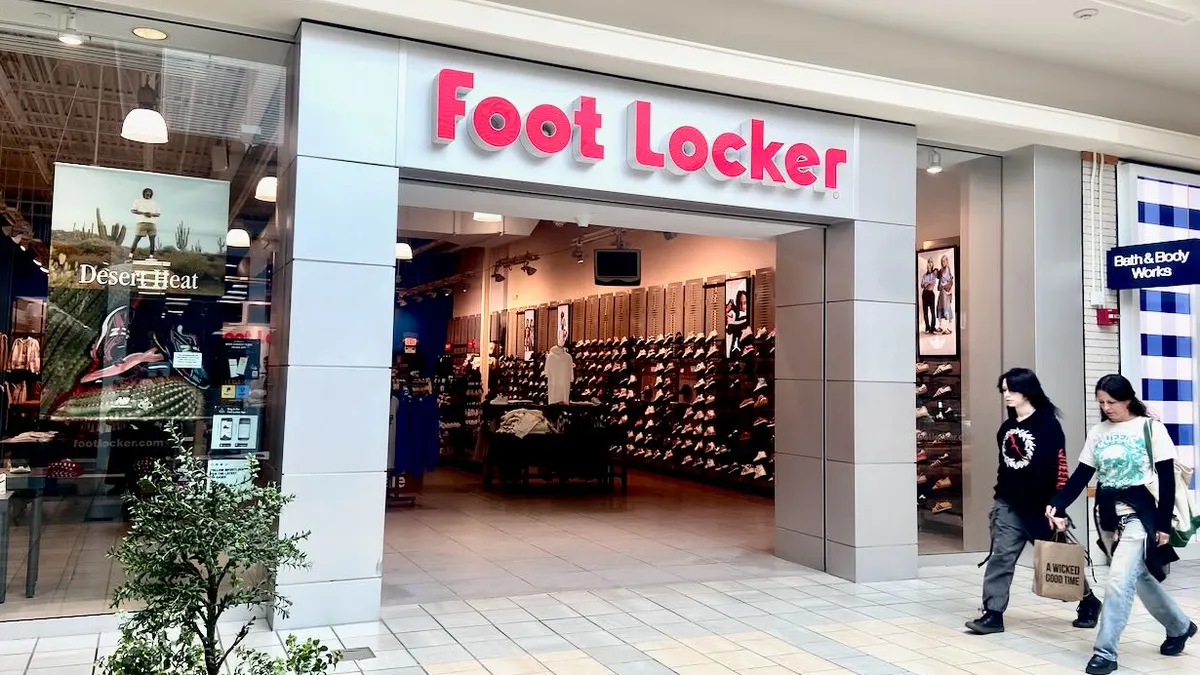
Dick's $2.4B Foot Locker acquisition (2025) is now facing flat-to-negative comparable sales (-2%), with the subsidiary struggling due to exposure to legacy athletic brands and international market weakness. Foot Locker's 2,600+ store network carries significant inventory of traditional sneaker models that are underperforming, forcing heavy promotional discounting. Dick's plans to invest $59M in tariff refunds toward promotional activities, indicating aggressive clearance strategies across both banners. For cross-border sellers, this creates a 6-12 month window where legacy athletic inventory will flood discount channels (TJ Maxx, Marshalls, outlet networks), compressing margins for sellers carrying similar products. Sellers should monitor Foot Locker's clearance calendars and consider acquiring overstock at 50-70% wholesale discounts for resale through Amazon FBA or Shopify.
Athletic retailers including Dick's and Foot Locker are experiencing severe inventory bloat in legacy product categories. The news reports that "legacy athletic silhouettes underperformed significantly, resulting in inflated inventory requiring heavy promotional discounting." This inventory glut is forcing retailers to implement 40-60% markdowns to clear stock, compressing margins across the sector. For sellers, this creates both risk and opportunity: risk of margin compression if carrying similar inventory, and opportunity to acquire overstock at wholesale discounts (50-70% off) for resale. Sellers should audit their Amazon FBA inventory levels in athletic apparel/footwear categories, reduce PPC spend on underperforming SKUs, and consider shifting inventory to 3PL providers specializing in discount channels (TJ Maxx, Marshalls) where clearance velocity is higher.
Dick's Sporting Goods' $59M investment in promotional activities and Foot Locker's 2,600+ store network represent significant clearance opportunities for sellers. As legacy athletic brands flood discount channels, emerging sellers can acquire overstock at 50-70% wholesale discounts and resell through multiple channels: Amazon FBA (25-35% margins), Shopify storefronts (30-40% margins), or TikTok Shop (20-30% margins). Sellers should directly contact Foot Locker's vendor management team to explore retail partnership opportunities for emerging athletic brands seeking physical distribution. Pop-up showrooms in high-foot-traffic mall corridors (estimated 500-2,000 daily foot traffic) can differentiate products from discount-driven competitors and drive online conversion through QR codes linking to Amazon/Shopify listings. Expected customer LTV increase from O2O strategy: 25-40% higher repeat purchase rates and 15-20% higher average order value.
Foot Locker's international operations are particularly vulnerable, with the news citing "struggling international markets affected by geopolitical uncertainties." This signals weakness in key cross-border markets including EU, Asia Pacific, and emerging markets. Dick's revised guidance suggests North American athletic retail is contracting 1-2% annually, while Foot Locker's international exposure is facing steeper headwinds. For cross-border sellers, this means reduced demand in EU and Asia Pacific athletic categories through Q4 2026, but also indicates opportunities to acquire overstock from international distributors at steep discounts. Sellers should prioritize North American Amazon FBA inventory (US market remains largest at $40B+ annual athletic apparel sales) while reducing exposure to EU and Asia Pacific channels until demand stabilizes in Q1 2027.
Based on Dick's guidance and historical retail cycles, inventory normalization is expected over 6-12 months (Q4 2026 through Q2 2027). The company's $59M promotional investment suggests aggressive Q4 2026 clearance, with inventory levels normalizing by Q1 2027. Legacy sneaker brands will face the longest normalization period (12-18 months) due to structural demand shifts, while emerging athletic categories (athleisure, performance tech) may stabilize faster (6-9 months). For sellers, this timeline means: (1) Immediate action (0-30 days): audit inventory, reduce PPC spend on underperforming SKUs, (2) Near-term (1-3 months): acquire overstock at discounts, shift to discount channels, (3) Strategic (3-6 months): reposition product mix toward emerging categories, explore retail partnerships. Monitor Dick's quarterly earnings (Q3 2026 in November, Q4 2026 in February 2027) for inventory normalization signals.
Sellers should implement a three-phase Amazon FBA adjustment strategy: (1) **Immediate inventory audit** (0-15 days): Review IPI (Inventory Performance Index) scores, identify slow-moving SKUs in athletic apparel/footwear categories, calculate storage cost burden (Amazon charges $0.87/unit/month for standard-size apparel in Q4). (2) **PPC optimization** (15-30 days): Reduce daily spend on underperforming athletic SKUs by 30-40%, reallocate budget to emerging categories (athleisure, performance tech) with higher conversion rates. (3) **Inventory rebalancing** (1-3 months): Shift 20-30% of athletic inventory to 3PL providers specializing in discount channels (TJ Maxx, Marshalls, outlet networks) where clearance velocity is 2-3x higher than Amazon. Expected margin impact: 15-25% compression if holding inventory through Q4 2026, but 25-35% recovery if acquiring overstock at 50-70% wholesale discounts and reselling through multiple channels.
Dick's inventory crisis creates immediate O2O opportunities for emerging athletic brands. High-ROI pop-up locations include: (1) **Regional mall corridors** (500-2,000 daily foot traffic, $3,000-8,000/month rent): Partner with mall management to occupy vacant Dick's/Foot Locker spaces or adjacent corridors. (2) **Lifestyle centers** (1,000-3,000 daily foot traffic, $4,000-10,000/month rent): Target centers with Whole Foods, Lululemon, or premium fitness brands. (3) **Retail partnerships**: Contact Foot Locker's vendor management to explore in-store shop-within-shop arrangements (estimated 2,600 locations available). Expected O2O metrics: 500-1,500 daily visitors per pop-up, 3-5% conversion to online (QR code to Amazon/Shopify), 25-40% higher customer LTV from omnichannel experience. Setup costs: $5,000-15,000 for 30-day pop-up (rent, fixtures, staffing). Recommended test markets: Dallas, Atlanta, Phoenix, Miami (high athletic apparel consumption, strong foot traffic recovery post-2026).
Dick's Sporting Goods' August 25, 2026 profit warning and 30.72% single-day stock plunge indicates a structural demand collapse in athletic apparel and footwear categories. The company missed Q2 earnings by $230M ($3.53 vs. $3.76 EPS) and revised annual guidance down by $200-300M, citing declining consumer demand for athletic products and legacy sneaker silhouettes. Executives attributed weakness to consumers prioritizing essential expenses (gas, food) over discretionary athletic purchases. Industry analyst Neil Saunders warned this "does not bode well for major sneaker brands," signaling sector-wide challenges beyond Dick's. For sellers, this means reduced demand across Amazon FBA apparel categories, increased PPC competition for visibility, and 40-60% promotional discounting becoming standard in athletic retail through Q4 2026.
Dick's $2.4B Foot Locker acquisition (2025) is now facing flat-to-negative comparable sales (-2%), with the subsidiary struggling due to exposure to legacy athletic brands and international market weakness. Foot Locker's 2,600+ store network carries significant inventory of traditional sneaker models that are underperforming, forcing heavy promotional discounting. Dick's plans to invest $59M in tariff refunds toward promotional activities, indicating aggressive clearance strategies across both banners. For cross-border sellers, this creates a 6-12 month window where legacy athletic inventory will flood discount channels (TJ Maxx, Marshalls, outlet networks), compressing margins for sellers carrying similar products. Sellers should monitor Foot Locker's clearance calendars and consider acquiring overstock at 50-70% wholesale discounts for resale through Amazon FBA or Shopify.
Athletic retailers including Dick's and Foot Locker are experiencing severe inventory bloat in legacy product categories. The news reports that "legacy athletic silhouettes underperformed significantly, resulting in inflated inventory requiring heavy promotional discounting." This inventory glut is forcing retailers to implement 40-60% markdowns to clear stock, compressing margins across the sector. For sellers, this creates both risk and opportunity: risk of margin compression if carrying similar inventory, and opportunity to acquire overstock at wholesale discounts (50-70% off) for resale. Sellers should audit their Amazon FBA inventory levels in athletic apparel/footwear categories, reduce PPC spend on underperforming SKUs, and consider shifting inventory to 3PL providers specializing in discount channels (TJ Maxx, Marshalls) where clearance velocity is higher.
Dick's Sporting Goods' $59M investment in promotional activities and Foot Locker's 2,600+ store network represent significant clearance opportunities for sellers. As legacy athletic brands flood discount channels, emerging sellers can acquire overstock at 50-70% wholesale discounts and resell through multiple channels: Amazon FBA (25-35% margins), Shopify storefronts (30-40% margins), or TikTok Shop (20-30% margins). Sellers should directly contact Foot Locker's vendor management team to explore retail partnership opportunities for emerging athletic brands seeking physical distribution. Pop-up showrooms in high-foot-traffic mall corridors (estimated 500-2,000 daily foot traffic) can differentiate products from discount-driven competitors and drive online conversion through QR codes linking to Amazon/Shopify listings. Expected customer LTV increase from O2O strategy: 25-40% higher repeat purchase rates and 15-20% higher average order value.
Foot Locker's international operations are particularly vulnerable, with the news citing "struggling international markets affected by geopolitical uncertainties." This signals weakness in key cross-border markets including EU, Asia Pacific, and emerging markets. Dick's revised guidance suggests North American athletic retail is contracting 1-2% annually, while Foot Locker's international exposure is facing steeper headwinds. For cross-border sellers, this means reduced demand in EU and Asia Pacific athletic categories through Q4 2026, but also indicates opportunities to acquire overstock from international distributors at steep discounts. Sellers should prioritize North American Amazon FBA inventory (US market remains largest at $40B+ annual athletic apparel sales) while reducing exposure to EU and Asia Pacific channels until demand stabilizes in Q1 2027.
Based on Dick's guidance and historical retail cycles, inventory normalization is expected over 6-12 months (Q4 2026 through Q2 2027). The company's $59M promotional investment suggests aggressive Q4 2026 clearance, with inventory levels normalizing by Q1 2027. Legacy sneaker brands will face the longest normalization period (12-18 months) due to structural demand shifts, while emerging athletic categories (athleisure, performance tech) may stabilize faster (6-9 months). For sellers, this timeline means: (1) Immediate action (0-30 days): audit inventory, reduce PPC spend on underperforming SKUs, (2) Near-term (1-3 months): acquire overstock at discounts, shift to discount channels, (3) Strategic (3-6 months): reposition product mix toward emerging categories, explore retail partnerships. Monitor Dick's quarterly earnings (Q3 2026 in November, Q4 2026 in February 2027) for inventory normalization signals.
Sellers should implement a three-phase Amazon FBA adjustment strategy: (1) **Immediate inventory audit** (0-15 days): Review IPI (Inventory Performance Index) scores, identify slow-moving SKUs in athletic apparel/footwear categories, calculate storage cost burden (Amazon charges $0.87/unit/month for standard-size apparel in Q4). (2) **PPC optimization** (15-30 days): Reduce daily spend on underperforming athletic SKUs by 30-40%, reallocate budget to emerging categories (athleisure, performance tech) with higher conversion rates. (3) **Inventory rebalancing** (1-3 months): Shift 20-30% of athletic inventory to 3PL providers specializing in discount channels (TJ Maxx, Marshalls, outlet networks) where clearance velocity is 2-3x higher than Amazon. Expected margin impact: 15-25% compression if holding inventory through Q4 2026, but 25-35% recovery if acquiring overstock at 50-70% wholesale discounts and reselling through multiple channels.
Dick's inventory crisis creates immediate O2O opportunities for emerging athletic brands. High-ROI pop-up locations include: (1) **Regional mall corridors** (500-2,000 daily foot traffic, $3,000-8,000/month rent): Partner with mall management to occupy vacant Dick's/Foot Locker spaces or adjacent corridors. (2) **Lifestyle centers** (1,000-3,000 daily foot traffic, $4,000-10,000/month rent): Target centers with Whole Foods, Lululemon, or premium fitness brands. (3) **Retail partnerships**: Contact Foot Locker's vendor management to explore in-store shop-within-shop arrangements (estimated 2,600 locations available). Expected O2O metrics: 500-1,500 daily visitors per pop-up, 3-5% conversion to online (QR code to Amazon/Shopify), 25-40% higher customer LTV from omnichannel experience. Setup costs: $5,000-15,000 for 30-day pop-up (rent, fixtures, staffing). Recommended test markets: Dallas, Atlanta, Phoenix, Miami (high athletic apparel consumption, strong foot traffic recovery post-2026).