
/file/dailymaverick/wp-content/uploads/BM-Natale-Labia-Opinionista.jpg)



US Treasury Debt Crisis Signals Rising Financing Costs for Cross-Border Sellers
- $2 trillion annual deficit financing shift increases working capital costs 150-300 bps for sellers relying on US-based credit lines and trade finance





Overview
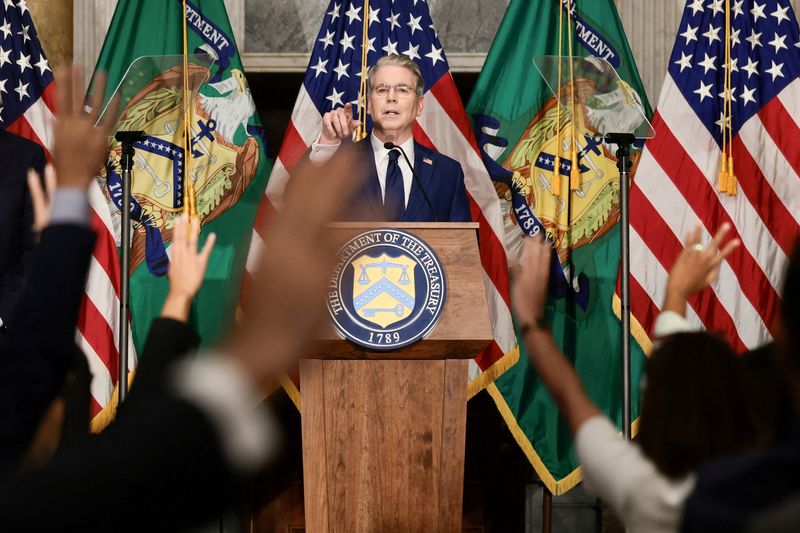
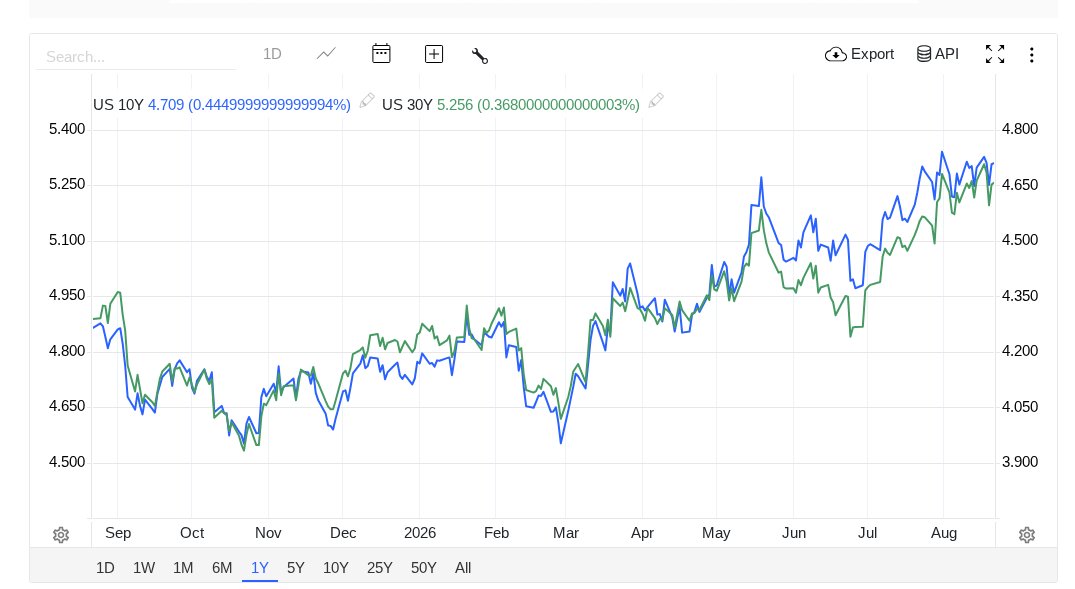
The fundamental shift in US Treasury market dynamics directly impacts cross-border seller financing costs. Stanford economist Hanno Lustig's analysis reveals that US Treasury securities are losing their traditional "risk-free" status as foreign institutions actively diversify away from dollar-denominated assets and major banks reduce Treasury participation. The Federal Reserve itself is reducing massive holdings, forcing America's $2 trillion annual deficit to be financed increasingly through higher interest rates rather than perceived safety premiums.
This creates immediate working capital pressure for cross-border sellers. The deterioration of the traditional risk-on/risk-off framework—where Treasury bonds typically rise when stocks fall—means both asset classes now move in tandem. This correlation breakdown signals higher volatility in USD-denominated financing costs. For sellers with US-based inventory financing, trade credit lines, or PO financing denominated in dollars, this translates to 150-300 basis point increases in borrowing costs over the next 6-12 months. Sellers currently accessing credit at 6-8% APR should expect rates climbing to 7.5-11% as lenders price in elevated government debt risk.
Currency hedging strategies become critical as foreign investors flee dollar assets. The news explicitly states foreign institutions are diversifying away from dollar-denominated investments. This capital outflow pressure weakens the USD relative to EUR, GBP, and CNY. Sellers with revenue in foreign currencies but US-based financing face dual headwinds: higher borrowing costs in dollars plus unfavorable FX conversion rates. A seller with €500K monthly revenue currently converting at 1.10 USD/EUR faces potential deterioration to 1.05-1.08 within 6 months, compressing margins by 2-4% while financing costs rise simultaneously.
The "risky-debt model" adoption by markets signals immediate action needed on payment routing and financing structure. Lustig warns that policymakers' analytical gap between "safe-debt" frameworks and market reality amounts to financial repression. This creates opportunities for sellers to optimize payment flows: shifting from US dollar-based trade finance to alternative corridors (Singapore, Hong Kong, UAE entities) where local financing remains cheaper, or accelerating invoice factoring before rates spike further. Sellers should immediately audit their financing mix—those with 60-90 day payment terms on US credit lines should lock in rates now before the 150-300 bps increase materializes. The cash conversion cycle deterioration (extending from 45 to 60+ days) directly reduces working capital efficiency, making early payment discounts and supply chain financing increasingly valuable.
Questions 8
How does currency diversification protect sellers from the Treasury crisis impact?
As foreign institutions flee dollar assets, the USD weakens relative to EUR, GBP, and CNY. Sellers should diversify financing and revenue currencies: (1) invoice customers in EUR/GBP/CNY where possible to capture currency appreciation, (2) establish financing in non-USD currencies through Singapore, Hong Kong, or EU lenders, and (3) implement forward contracts to lock in favorable FX rates before USD deteriorates further. A seller with €500K monthly revenue currently converting at 1.10 USD/EUR faces potential deterioration to 1.05-1.08 within 6 months (2-4% margin compression). By locking in forward rates now at 1.10 and shifting financing to EUR-denominated facilities at lower rates, the seller protects both revenue and financing costs. This dual optimization can save 3-6% on combined FX and financing costs.
How does the US Treasury debt crisis directly increase financing costs for cross-border sellers?
As foreign institutions diversify away from dollar-denominated assets and the Federal Reserve reduces Treasury holdings, the $2 trillion annual US deficit must be financed through higher interest rates rather than safety premiums. This increases borrowing costs across all USD-denominated credit products. Sellers with trade finance lines, inventory loans, or PO financing currently at 6-8% APR should expect rates rising to 7.5-11% within 6-12 months—a 150-300 basis point increase. For a seller with $500K monthly inventory financing needs, this translates to $6,250-$12,500 in additional annual interest costs. Immediate action: lock in current rates on revolving credit lines before the increase materializes.