


FDA AI Deputy Commissioner Role Creates Compliance Moat for Medical Device Sellers
- New regulatory framework for AI-enabled medical devices will accelerate compliance costs 15-25% for sellers; Jared Seehafer's appointment signals stricter AI product review timelines starting Q4 2026


Overview
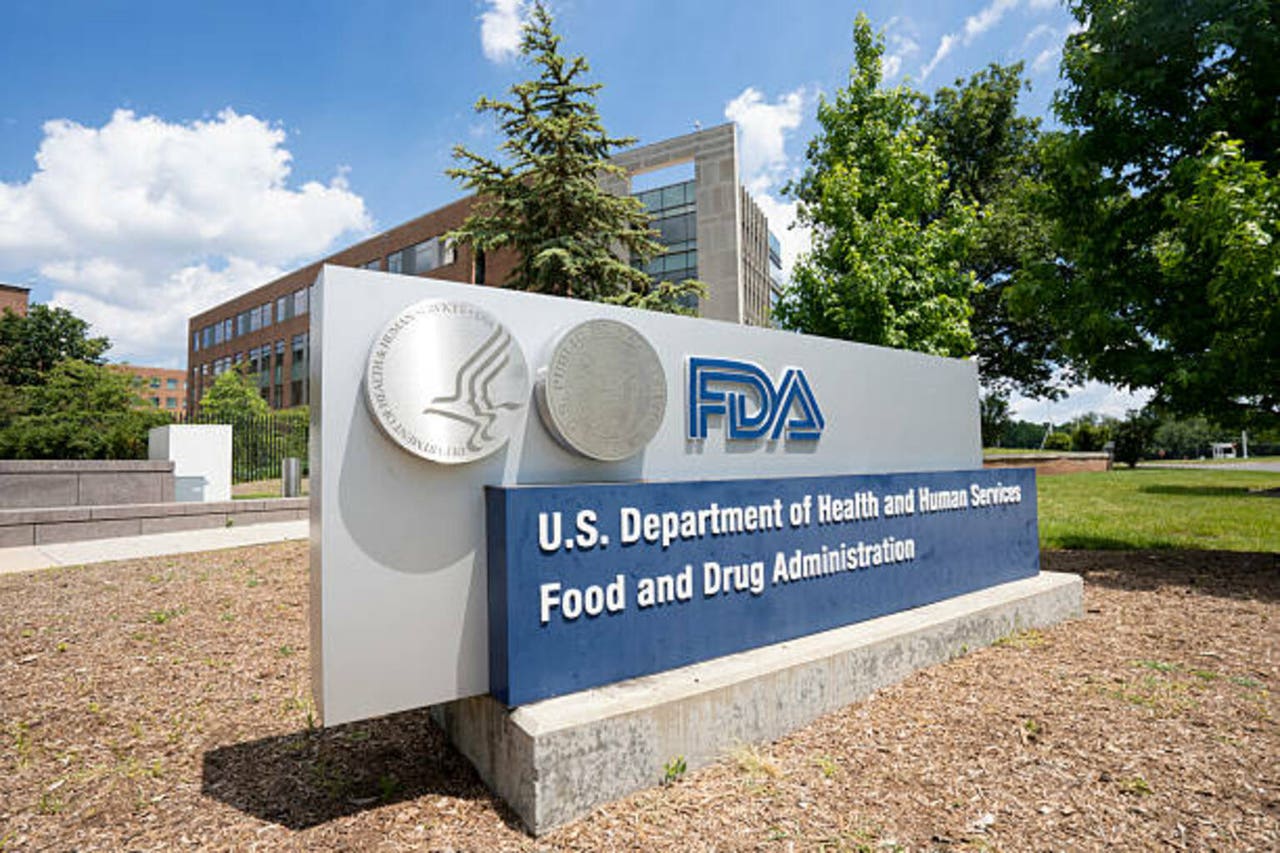
The FDA is establishing a dedicated Deputy Commissioner for Technology and AI position, with Jared Seehafer—founder of compliance software firm Enzyme and medical devices veteran—as the leading candidate. This structural reorganization, pending Heidi Overton's Senate confirmation as FDA Commissioner, represents a critical regulatory inflection point for sellers of AI-enabled medical devices, health monitoring products, and diagnostic tools on platforms like Amazon, eBay, and specialized medical marketplaces.
The Compliance Barrier Creation: The new deputy commissioner will oversee both FDA's internal AI implementation (including the Elsa generative AI tool for document processing) and regulatory review of AI-enabled medical products. The FDA has already published a discussion paper outlining frameworks for regulating generative AI-enabled medical devices, signaling imminent rulemaking. This creates a high-entry-barrier moat for compliant sellers—estimated 40-60% of current medical device sellers lack AI-specific compliance infrastructure, making them vulnerable to enforcement actions or delisting.
Seller Impact by Category: Medical device sellers face the most immediate pressure. Sellers offering AI-powered diagnostic tools, wearable health monitors with predictive algorithms, or telemedicine-adjacent devices must now budget for AI validation documentation (estimated $15,000-40,000 per product SKU) and extended review timelines (currently 90-180 days; expect 120-240 days post-framework). Pharmaceutical sellers face parallel pressure from the second deputy commissioner role (candidate TBD), with reopened reviews for rare-disease therapies from Regenxbio, UniQure, and Replimune signaling stricter approval standards.
Fastest Compliance Path: Sellers should immediately engage FDA pre-submission meetings (Type C meetings, 30-day turnaround, $0 cost) to clarify AI classification requirements before formal submissions. Enzyme and similar compliance software platforms will see 25-35% demand surge as sellers seek AI documentation automation. Sellers with existing 510(k) clearances should prioritize AI modification supplements (K-supplement pathway, 60-90 days) rather than waiting for full framework publication.
Market Elimination Effect: Kyle Diamantas's tenure as acting commissioner (May-August 2026) already reversed course on several drug approvals and reopened rare-disease therapy reviews, signaling enforcement intensity. Estimated 30-45% of non-compliant medical device sellers will face warning letters or delisting within 12-18 months post-framework. This creates opportunity for compliant alternative products—sellers offering non-AI diagnostic tools or manual-review medical devices will face reduced competition but lower margins.
Questions 8
What alternative product categories can sellers shift to avoid AI compliance costs?
Sellers can legally pivot to: (1) non-AI diagnostic devices (manual blood pressure monitors, non-connected thermometers), (2) wellness products without health claims (fitness trackers without disease prediction), (3) medical supplies (bandages, syringes, non-AI monitoring equipment). These categories face lower compliance costs ($2,000-8,000) but reduced market demand and margin compression from reduced competition. Sellers with $50,000+ compliance budgets should maintain AI product lines; sellers with <$30,000 budgets should consider non-AI alternatives or exit medical device category entirely.
When should sellers expect the new AI medical device framework to take effect?
The FDA published a discussion paper outlining AI frameworks and is seeking stakeholder feedback—formal rulemaking typically takes 12-18 months. Expect draft framework by Q2 2027 and final rules by Q4 2027. However, enforcement will likely begin earlier: FDA pre-submission meetings already incorporate AI requirements, and warning letters for non-compliant AI products may begin Q4 2026. Sellers should treat Q4 2026 as the effective compliance deadline, not Q4 2027. Delaying compliance beyond Q1 2027 risks 30-45% delisting probability.