


California Tire Efficiency Standards 2029 | 70% Market Elimination Creates Compliance Moat
- Rolling-resistance regulations eliminate 70% of current tire inventory by 2033, forcing $81→$157 price increases and creating high barriers for non-compliant sellers on Amazon, eBay, and Walmart


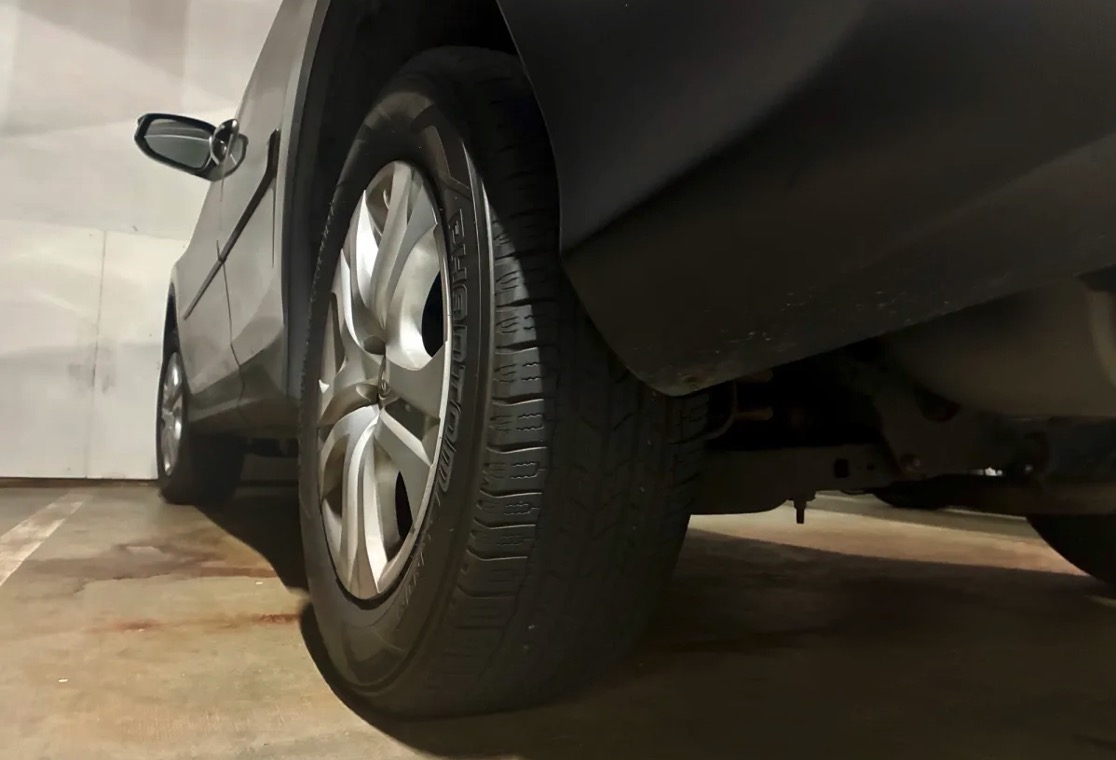





Overview
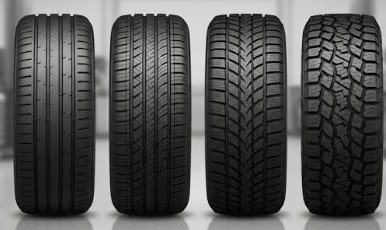
California's Energy Commission unanimously approved first-of-its-kind tire efficiency regulations (AB 884) requiring replacement tires to meet rolling-resistance energy-efficiency standards, with Phase 1 effective 2029 and Phase 2 (2033+) creating a compliance-driven market restructuring. The regulation targets 30 million California drivers and will eliminate approximately 70% of current tire inventory from the market, forcing manufacturers and e-commerce sellers to rapidly transition product lines. The Tire Industry Association estimates average tire prices will increase from $81 to $157 per tire—a 94% increase—translating to $300+ per vehicle for four tires, with manufacturers warning of 15-20% consumer price increases beyond CEC projections.
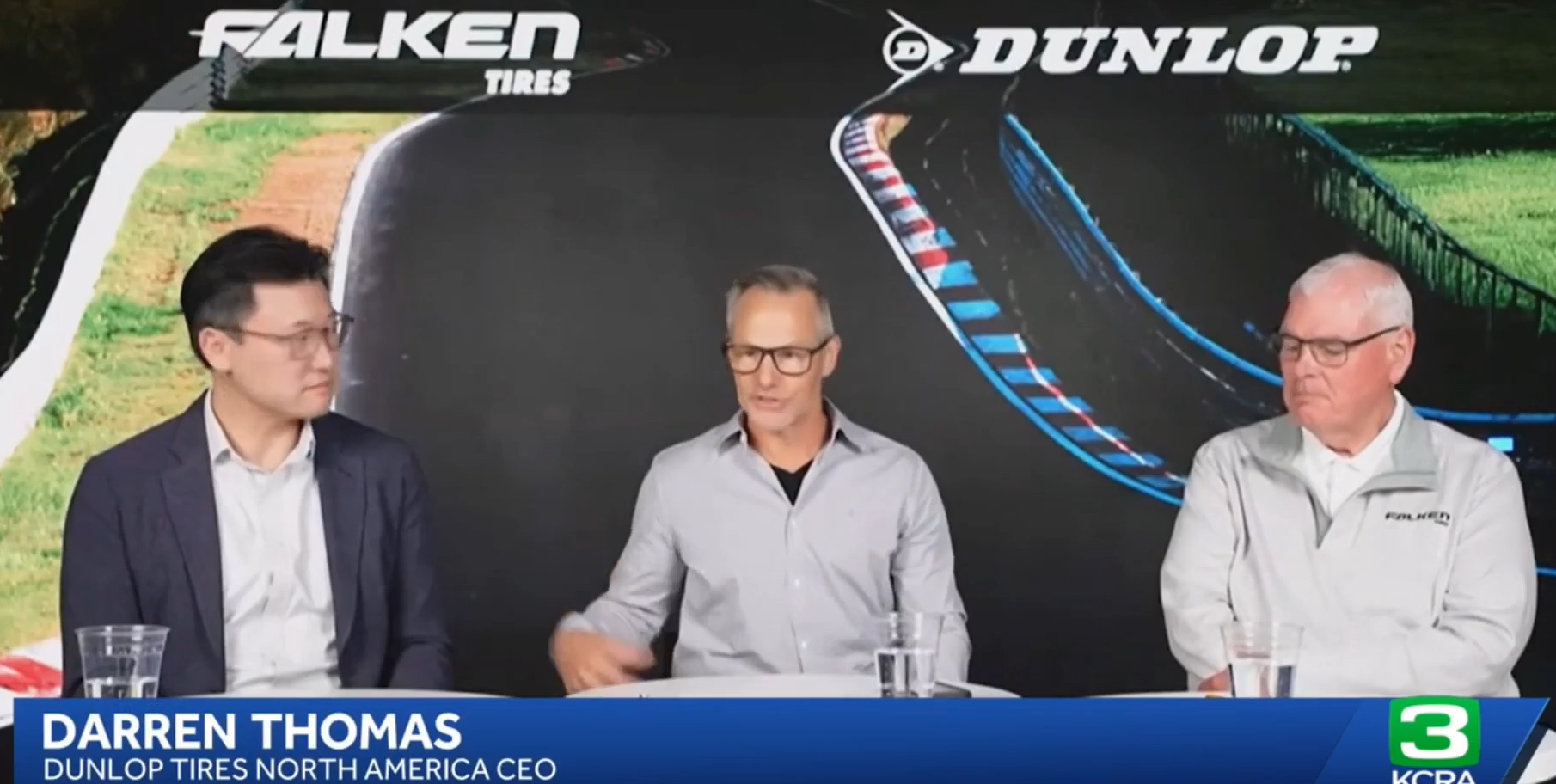
Compliance Timeline & Cost Structure: Phase 1 (2029) adds $1.50 per tire in manufacturing costs; Phase 2 (2033+) increases to $6.50 per tire. The CEC projects $1 billion in annual fuel savings for drivers, but industry opposition from Dunlop, Goodyear, Falken, and Yokohama signals significant supply-side disruption. Critically, the CEC notes that affordable tires under $100 already meet Phase 2 standards, indicating compliant products exist but represent a smaller market segment currently.
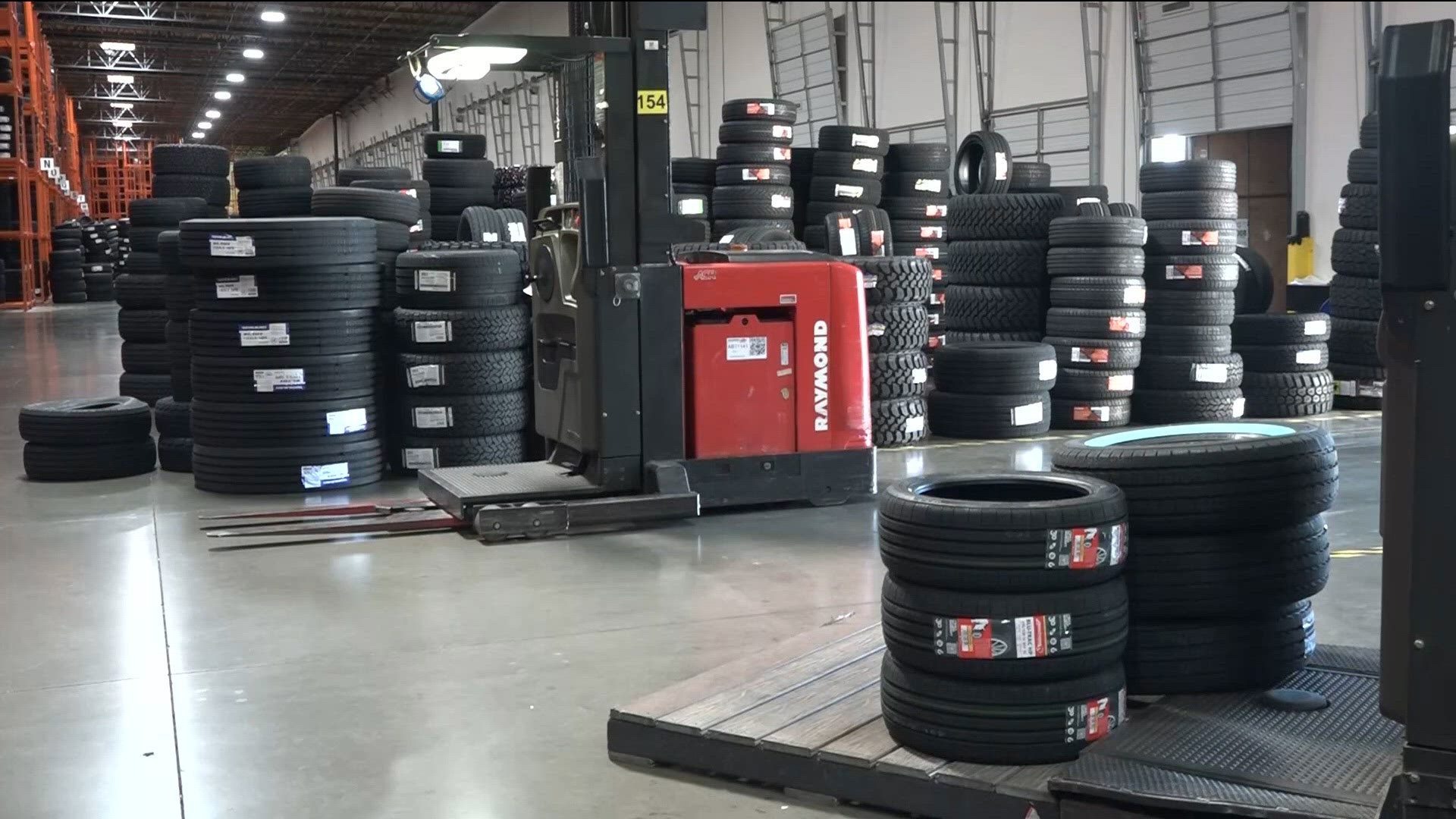
E-Commerce Seller Implications: This regulation creates a classic compliance moat—sellers offering Phase 2-compliant tires by 2033 will face dramatically reduced competition as 70% of non-compliant inventory is forced from Amazon, eBay, Walmart, and specialty tire retailers. Smaller manufacturers and budget-tier sellers will face the highest elimination risk, while Michelin and Bridgestone (who support the rules) gain competitive advantage. Cross-border sellers importing tires to California must certify compliance before 2029, creating a 4-5 year window to establish supply chains. The $1.50-$6.50 per-tire cost increase will compress margins for high-volume sellers unless they can absorb costs or shift to premium positioning. Tire dealers and automotive aftermarket sellers on Amazon and eBay must audit inventory by 2027 to avoid stranded stock; sellers with 500+ tire SKUs face the highest operational risk.
Market Opportunity: Compliant tire sellers will capture market share from eliminated competitors. The regulation creates demand for compliance consulting, testing services, and supply chain restructuring—underserved service gaps for sellers navigating certification. Budget-conscious consumers will face limited options, potentially driving demand for alternative mobility products (e-bikes, scooters) and vehicle efficiency accessories on Amazon and Shopify.
Questions 8
What percentage of current tire inventory will be eliminated by California's 2033 Phase 2 standards?
Approximately 70% of current tire inventory will not meet Phase 2 standards effective 2033 and beyond, according to tire manufacturers Dunlop, Falken, Goodyear, and Yokohama. This represents a massive market restructuring affecting Amazon, eBay, Walmart, and specialty tire retailers across California. The CEC counters that affordable tires under $100 already meet Phase 2 standards, suggesting compliant products exist but currently represent a smaller market segment. Sellers must audit inventory by 2027 to identify non-compliant SKUs and plan phase-out strategies before the 2033 deadline.
How much will tire prices increase for California consumers under the new regulations?
The Tire Industry Association estimates average tire prices will increase from $81 to $157 per tire—a 94% increase—translating to $300+ per vehicle for four tires. Manufacturers including Dunlop warn consumers should expect 15-20% price increases beyond CEC projections. Phase 1 (2029) adds $1.50 per tire in manufacturing costs, while Phase 2 (2033+) increases to $6.50 per tire. However, the CEC projects drivers will save $179 in gasoline over a tire set's lifespan, with total annual savings reaching $1 billion across California's 30 million drivers.