



OpenAI Jalapeño Chip Cuts AI Inference Costs 40-60% | E-Commerce Seller Impact 2026-2027
- Custom ASIC delivers 1.5-1.9x efficiency gains and 1.7-3.6x lower latency; deployment begins late 2026 with scale-up in 2027; mid-market sellers gain affordable AI tools for chatbots, recommendations, personalization
























Overview
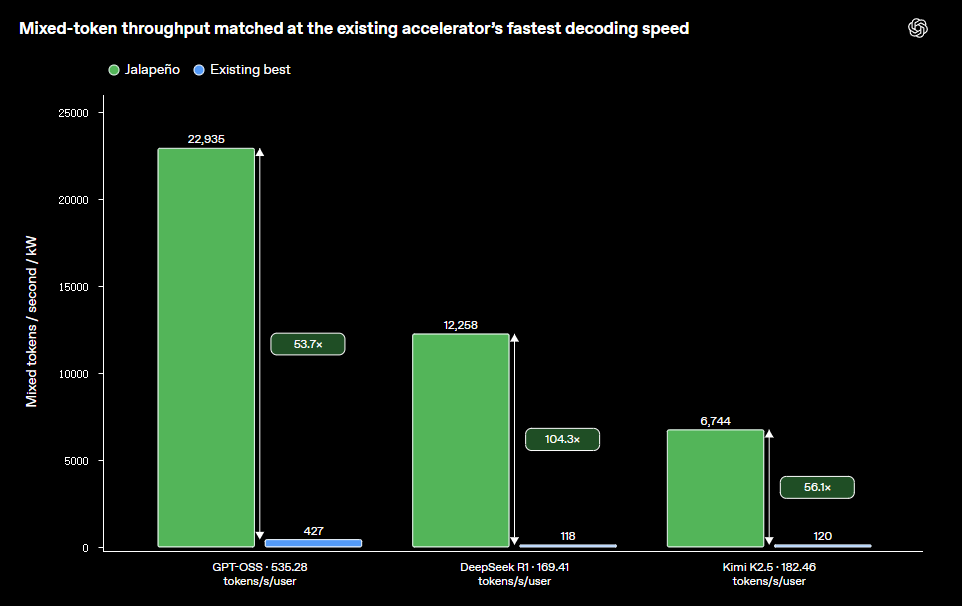
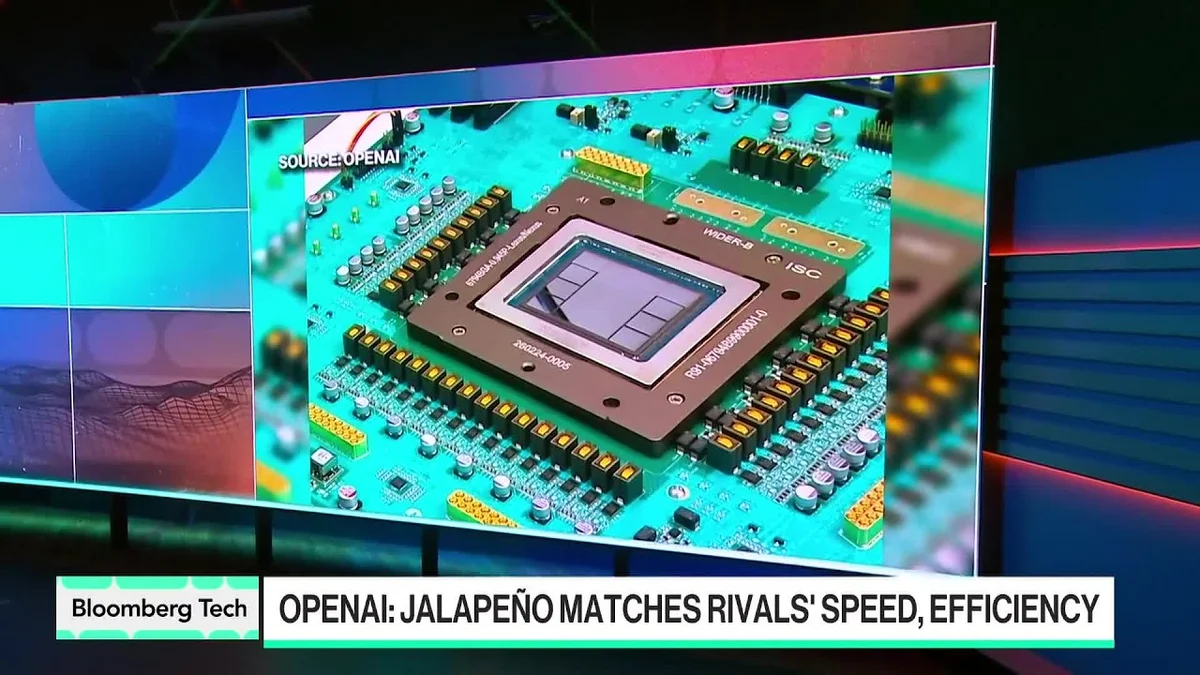
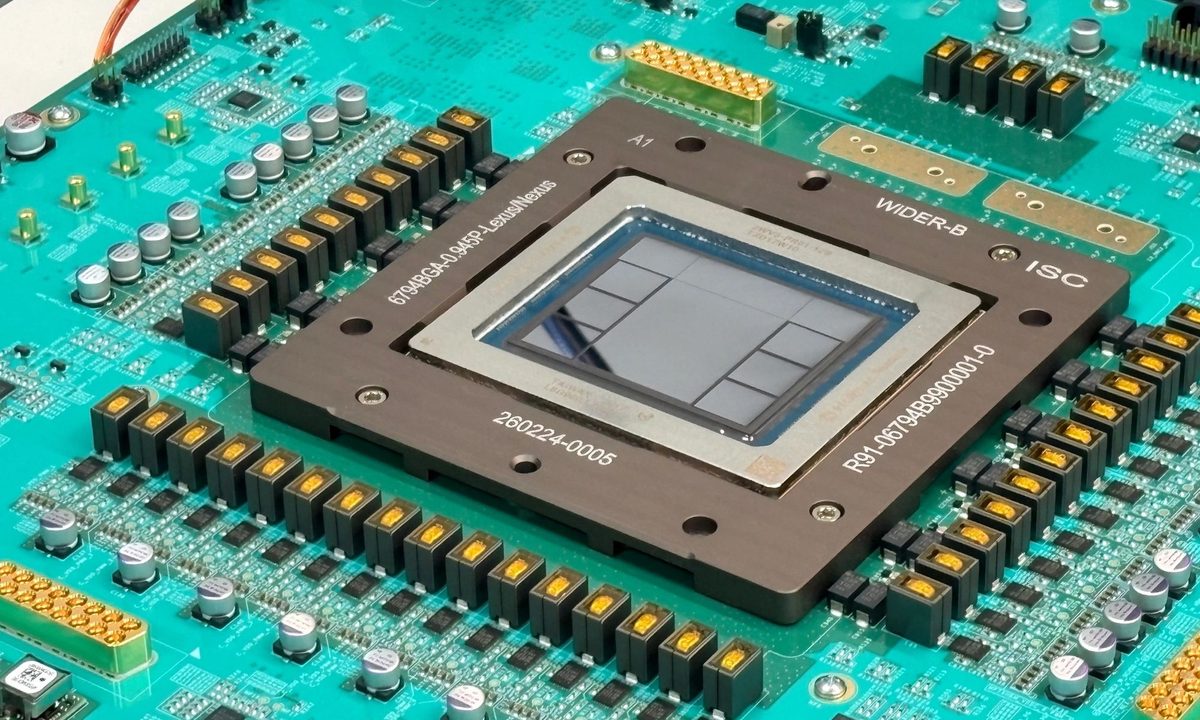
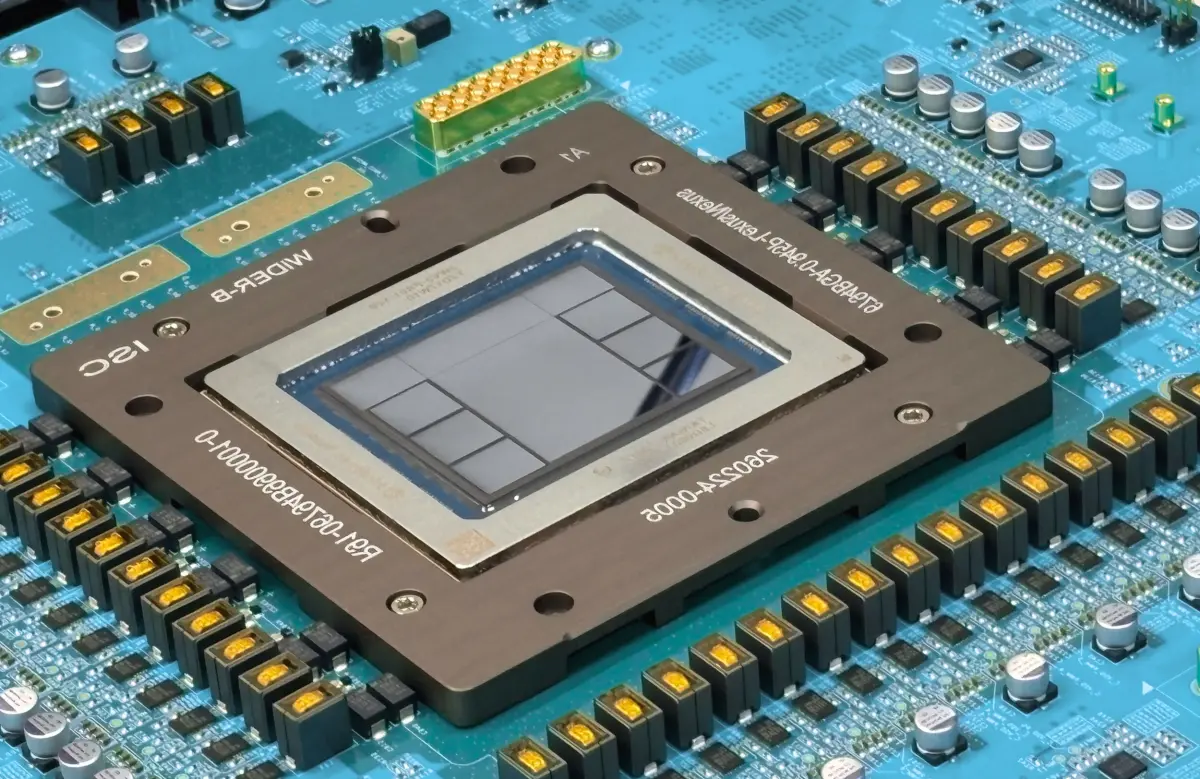
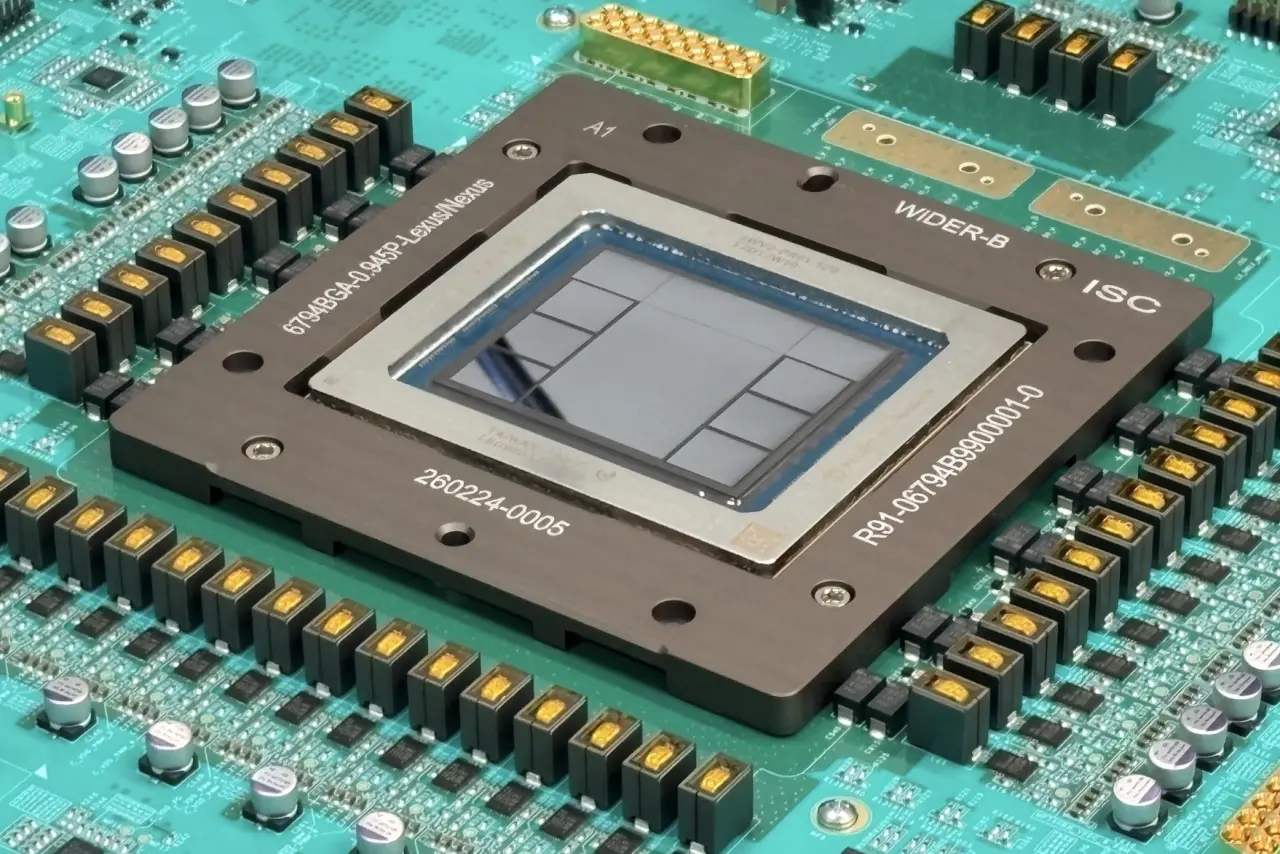
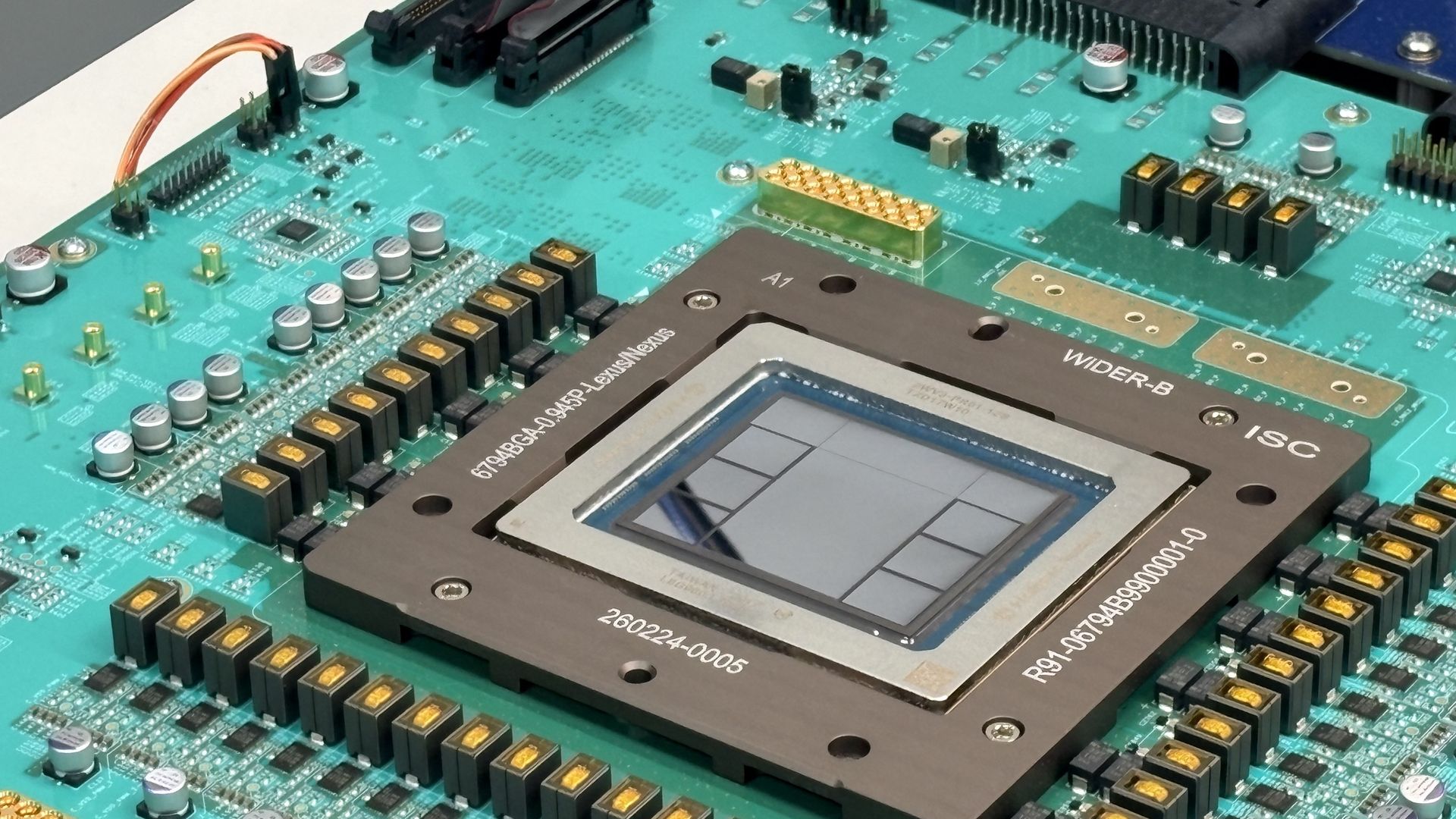
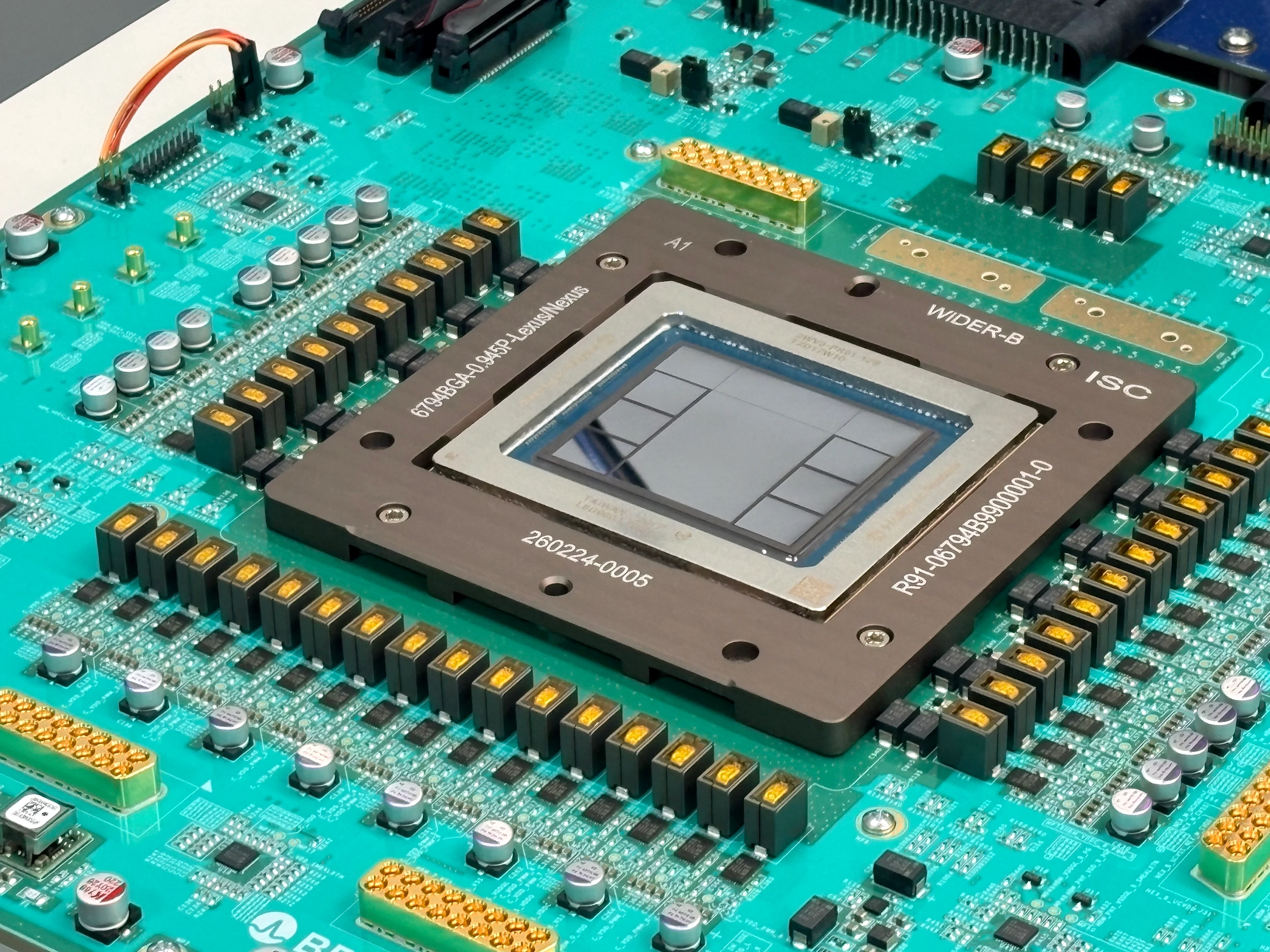
OpenAI's Jalapeño chip represents a watershed moment for e-commerce AI infrastructure costs. Announced at Hot Chips conference, the custom ASIC (Application-Specific Integrated Circuit) developed with Broadcom achieves 1.5-1.9x more AI work per watt and 1.7-3.6x lower end-to-end latency compared to Nvidia's GB200/GB300 superchips. For interactive workloads critical to e-commerce—real-time chatbots, product recommendations, dynamic pricing—Jalapeño delivers 2.1-4.1x higher performance. The chip operates at 700W rated capacity with sustained consumption at 550W, utilizing HBM4 memory architecture. OpenAI plans limited deployment by year-end 2026, scaling significantly throughout 2027.
The immediate impact for cross-border sellers is dramatic cost reduction in AI inference. Current GPU-based recommendation engines and chatbots cost $200-500/month for mid-market sellers (processing 10K-50K daily requests). Jalapeño's efficiency gains could reduce these costs to $80-200/month by 2027, making AI-powered customer service accessible to sellers currently priced out. The chip's balanced throughput-latency architecture addresses the traditional hardware tradeoff where systems excel at one metric while compromising the other—critical for agentic workloads requiring sequential task completion (multi-turn customer conversations, complex product discovery flows). OpenAI used AI models to accelerate development, reducing design-to-tapeout timeline to 9 months and achieving 1.5-1.8x faster implementations than human-written code for selected components.
Strategic implications reshape AI tool adoption across seller segments. Large sellers (Amazon FBA, Shopify Plus) already deploy custom AI infrastructure; Jalapeño's cost advantage primarily benefits mid-market sellers ($1M-50M GMV) currently using third-party APIs (OpenAI, Anthropic) at $0.01-0.10 per inference. A seller processing 1M daily inferences at $0.05/inference pays $50K/month; Jalapeño-powered infrastructure could reduce this to $15-20K/month. This 60-70% cost reduction accelerates adoption of AI-driven personalization, dynamic pricing, and multilingual customer service—competitive necessities in cross-border markets (US, EU, SEA, LATAM). OpenAI maintains partnerships with Nvidia rather than full replacement, indicating hybrid infrastructure strategies will dominate through 2027-2028.
Competitive dynamics intensify as Microsoft, Meta, Google, and Amazon develop parallel custom silicon. This fragmentation creates opportunities for sellers: those adopting OpenAI's ChatGPT API gain access to Jalapeño's efficiency gains automatically (through OpenAI's infrastructure), while sellers using Anthropic Claude or open-source models (DeepSeek, Kimi) face higher costs until alternative chips mature. The news explicitly confirms Jalapeño runs non-OpenAI models (DeepSeek R1 670B, Kimi K2.5 1T) efficiently, positioning it as generalized inference hardware rather than proprietary lock-in. For sellers, this means 12-18 months to evaluate AI vendor strategies before cost advantages materialize.
Questions 8
How much will AI inference costs drop for e-commerce sellers when Jalapeño scales in 2027?
OpenAI's Jalapeño chip delivers 1.5-1.9x more AI work per watt, translating to 40-60% cost reductions for inference-heavy workloads. A mid-market seller currently paying $50K/month for 1M daily inferences via third-party APIs could reduce costs to $15-20K/month once Jalapeño infrastructure scales in 2027. The chip's 1.7-3.6x lower latency also improves customer experience for real-time chatbots and product recommendations. Limited deployment begins late 2026, with significant volume increases throughout 2027, making cost benefits available within 12-18 months for sellers using OpenAI's infrastructure.
Which e-commerce AI tools will benefit most from Jalapeño's efficiency improvements?
Jalapeño's architecture balances throughput and latency within a single chip, making it ideal for interactive workloads: real-time chatbots (2.1-4.1x higher performance), dynamic pricing engines, product recommendation systems, and multilingual customer service. The chip efficiently handles both prefill (prompt processing) and decode (token generation) phases critical for agentic workloads requiring sequential task completion—like multi-turn customer conversations or complex product discovery flows. Sellers using OpenAI's ChatGPT API for these functions will automatically benefit as OpenAI deploys Jalapeño in its infrastructure. The chip operates at 700W rated capacity with sustained consumption at 550W, making it power-efficient for data center deployment.