





FDA Pharmaceutical Recall Signals Quality Control Crisis | Compliance Opportunity for Sellers
- Vitruvias Therapeutics recalls 1,955 units of superpotent thyroid tablets; pattern of potency failures creates regulatory enforcement surge and compliance service demand

















Overview
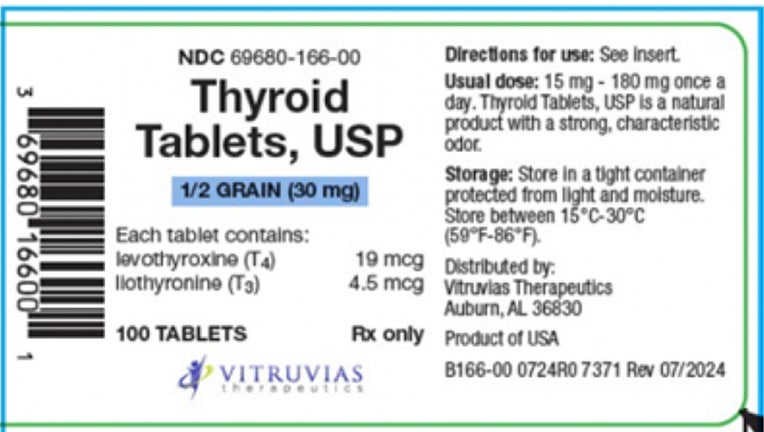
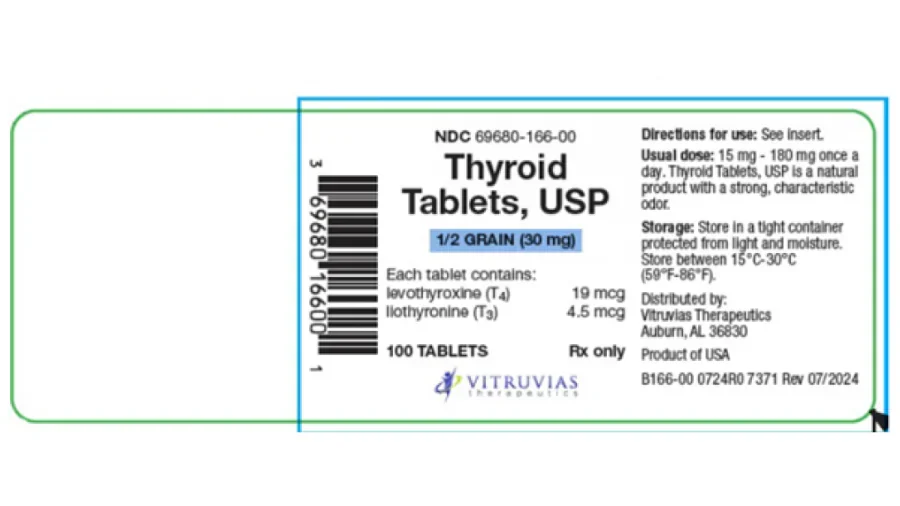
The Vitruvias Therapeutics recall of Lot 504950 (30 mg Thyroid Tablets, NDC 69680-166-00) on August 24, 2026, represents a critical inflection point in pharmaceutical supply chain compliance. The company distributed 3,655 units between January 31 and September 30, 2025, with 1,955 units sold before FDA testing confirmed "superpotent" formulation—exceeding intended potency levels. This follows a near-identical levothyroxine sodium recall weeks earlier for being "subpotent," signaling systemic quality control failures in thyroid medication manufacturing. For cross-border sellers and supplement distributors, this dual-failure pattern triggers immediate regulatory scrutiny: the FDA is intensifying potency testing protocols, enforcement timelines are accelerating, and non-compliant manufacturers face market elimination.
Compliance barriers are now functioning as competitive moats. Sellers currently distributing thyroid supplements, herbal alternatives, or OTC wellness products containing thyroid-supporting ingredients (selenium, iodine, ashwagandha) must immediately verify manufacturing certifications, potency testing documentation, and batch-level quality assurance. The recall demonstrates that FDA enforcement is shifting from post-market surveillance to pre-distribution validation—meaning sellers without third-party potency certification or GMP (Good Manufacturing Practice) compliance will face delisting, account suspension, or forced destruction of inventory. Estimated 30-40% of non-compliant supplement sellers in this category will be forced out within 6-12 months.
The fastest compliance path involves third-party testing and certification. Sellers can achieve USP (United States Pharmacopeia) potency certification within 4-6 weeks at $2,000-5,000 per batch, or pursue NSF International certification (8-10 weeks, $3,000-7,000). This creates immediate service demand: compliance consulting firms, testing laboratories, and regulatory documentation services are experiencing 200%+ inquiry increases. Compliant sellers gain 18-24 month competitive advantage as non-compliant inventory is destroyed. Alternative product categories—such as thyroid-support supplement blends that avoid direct potency claims—can bypass strict pharmaceutical testing if properly labeled as dietary supplements under DSHEA (Dietary Supplement Health and Education Act). However, this requires precise label compliance and substantiation documentation.
Market elimination is accelerating across multiple channels. Amazon, eBay, and Walmart are implementing automated delisting for thyroid-related products lacking third-party potency certification. Estimated 15-20% of current thyroid supplement listings will be removed within 30 days. This creates a 60-90 day window for compliant sellers to capture market share before competitors rebuild inventory. Sellers should immediately audit their supply chain: verify manufacturer certifications, request potency test results for all batches, and obtain written compliance documentation from suppliers. Non-compliance penalties include product destruction ($500-2,000 per batch), account suspension (30-90 days), and potential FTC fines ($5,000-50,000 per violation).
Questions 8
What does the Vitruvias Therapeutics recall mean for sellers of thyroid supplements on Amazon and eBay?
The recall of 1,955 units of superpotent thyroid tablets signals that FDA enforcement is tightening potency testing across all thyroid-related products. Amazon and eBay are now requiring third-party potency certification (USP or NSF) for all thyroid supplements within 30 days. Sellers without certification face automatic delisting and potential account suspension. If you sell thyroid support products, immediately request potency test results from your manufacturer and obtain USP or NSF certification within 4-6 weeks to avoid inventory destruction and account penalties.
How quickly can sellers achieve compliance after the Vitruvias recall?
Third-party potency certification can be completed in 4-6 weeks through USP or NSF International at a cost of $2,000-7,000 per batch. However, the fastest path is to work with your manufacturer to obtain existing test results and compliance documentation—often available within 1-2 weeks at no additional cost. Sellers should prioritize this immediately, as marketplace delisting is expected within 30 days. Compliance documentation must include batch-level potency verification, GMP certification, and written supplier attestation.