


Apple Maps Ads Launch US/Canada | New Location-Based Channel for Local Sellers
- Apple introduces mandatory ads in Maps with 15% early-adopter discount; local service businesses gain high-intent customer access; $1,000/month spend cap during promotional period







Overview
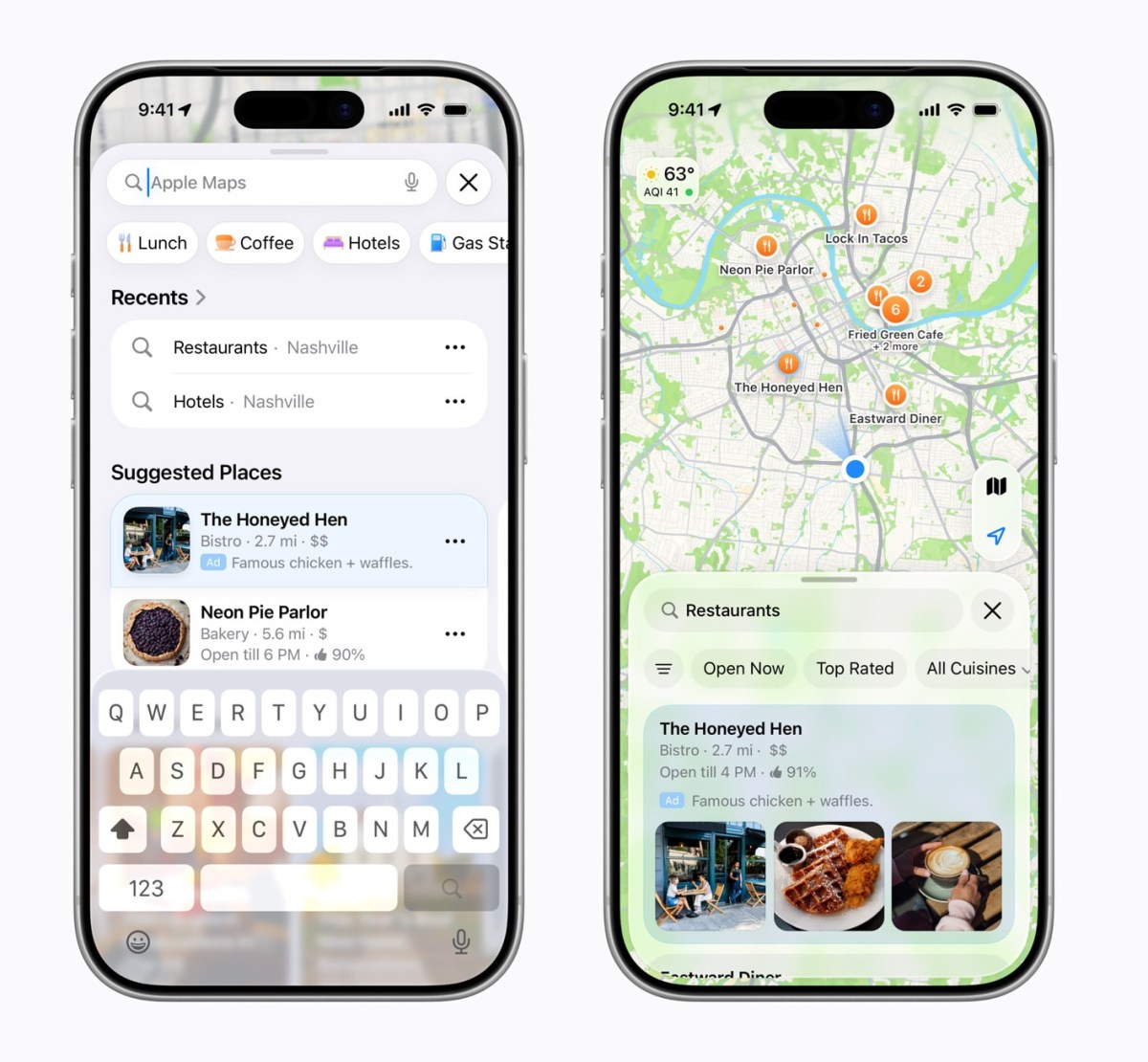
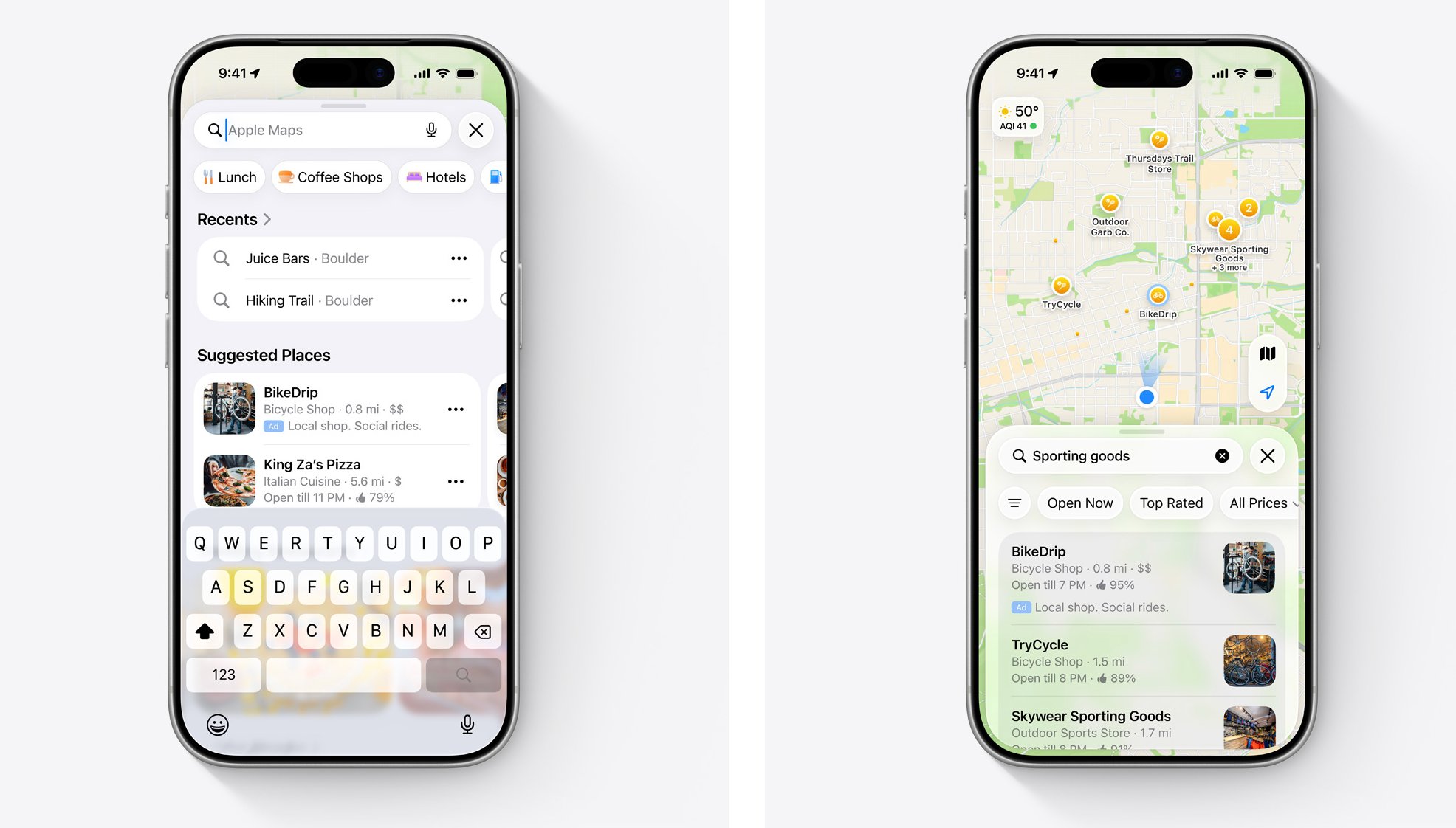
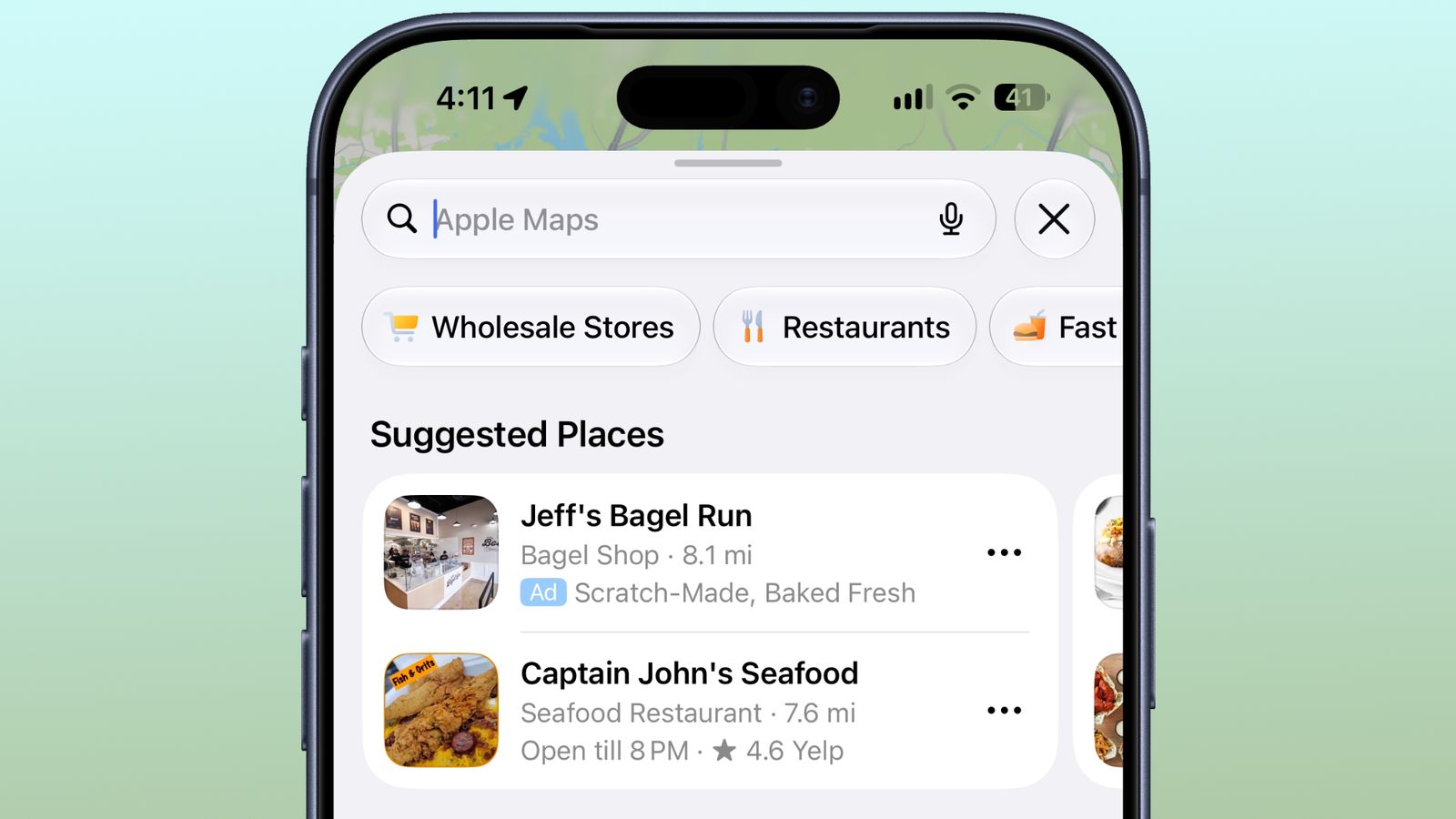
Apple Maps has officially launched advertising across the United States and Canada starting late August 2024, creating a new location-based advertising channel that directly competes with Google Maps' established ad platform. The rollout features ads in two primary placements: "Suggested Places" sections before user searches and within search results when relevant to queries. Each ad is clearly marked with a blue "Ad" badge for transparency. Apple is offering early-adopter incentives including a 15% credit toward future ad spend and a $1,000 monthly spending cap during the first year, making this an attractive entry point for sellers testing location-based marketing.
For e-commerce sellers, particularly those operating local service businesses, this represents a significant channel arbitrage opportunity. Unlike Google Maps ads which rely on extensive user data collection and cross-platform tracking, Apple's privacy-first approach stores all user location data locally on devices and does not link ad interactions to Apple Account identities. This privacy differentiation appeals to privacy-conscious consumers and positions Apple Maps ads as a trust-building channel. Local service categories—home services, medical practices, restaurants, retail locations—face restrictions on certain categories (home services, bail bonds, cryptocurrency ATMs are prohibited; medical services require case-by-case approval), but the majority of local commerce remains eligible.
The competitive landscape and pricing dynamics favor early movers. Google Maps advertising is mature with established CPM/CPC benchmarks, while Apple Maps represents an emerging channel with lower competition for keywords and potentially lower acquisition costs during the promotional phase. Sellers in home improvement, beauty services, fitness, dining, and retail can capitalize on high-intent users actively searching for nearby services. The phased rollout approach—expanding gradually over coming weeks—suggests Apple is managing system load and optimizing ad delivery algorithms by geographic region and user segment, creating windows of opportunity for early adopters to establish presence before competition intensifies.
Operational considerations include category restrictions and compliance requirements. Apple's Advertising Services policy explicitly prohibits home services, bail bonds, and cryptocurrency ATM ads, while medical service advertisements undergo case-by-case evaluation. All Maps ads must comply with Apple's broader advertising rules. For sellers in eligible categories, the promotional pricing structure ($1,000/month cap, 15% credit) provides a low-risk testing environment to measure conversion rates and customer acquisition costs before scaling spend. The lack of user opt-out mechanism (confirmed by Apple to 9to5Mac) ensures consistent ad visibility, though this has generated some user discussion about ad placement in paid iCloud services.
Questions 8
Which seller segments and geographic markets should prioritize Apple Maps advertising?
Local service businesses in eligible categories (retail, dining, fitness, beauty, professional services) should prioritize Apple Maps ads, particularly in the United States and Canada where the rollout is active. Sellers targeting iPhone/iPad users (typically higher-income demographics with strong privacy preferences) will see better audience alignment. Geographic markets with high iPhone penetration and early rollout regions should be prioritized for immediate testing. Sellers in home services, medical practices, and other restricted categories should monitor Apple's policy updates for potential category expansion. The phased rollout approach suggests early-adopter advantages in specific regions—sellers should identify their geographic markets' rollout status and act within 2-4 weeks of availability.
What are the two main ad placements in Apple Maps and how do they differ from Google Maps ads?
Apple Maps ads appear in two locations: 'Suggested Places' sections before user searches and within search results when relevant to queries. Unlike Google Maps Local Services Ads which require extensive business verification and appear below organic results, Apple Maps ads integrate directly into the search interface with a blue 'Ad' badge. Google Maps ads rely on user data collection and cross-platform tracking, while Apple's approach stores location data locally on devices without linking to Apple Account identities. This privacy-first model appeals to privacy-conscious consumers and represents a key differentiation point for sellers seeking trust-based marketing channels.