


Oil Price Volatility & Iran Sanctions | Critical Logistics Cost Impact for Cross-Border Sellers
- Oil prices decline 3-4% amid US sanctions shift, but Strait of Hormuz disruptions create shipping cost uncertainty for international sellers










Overview
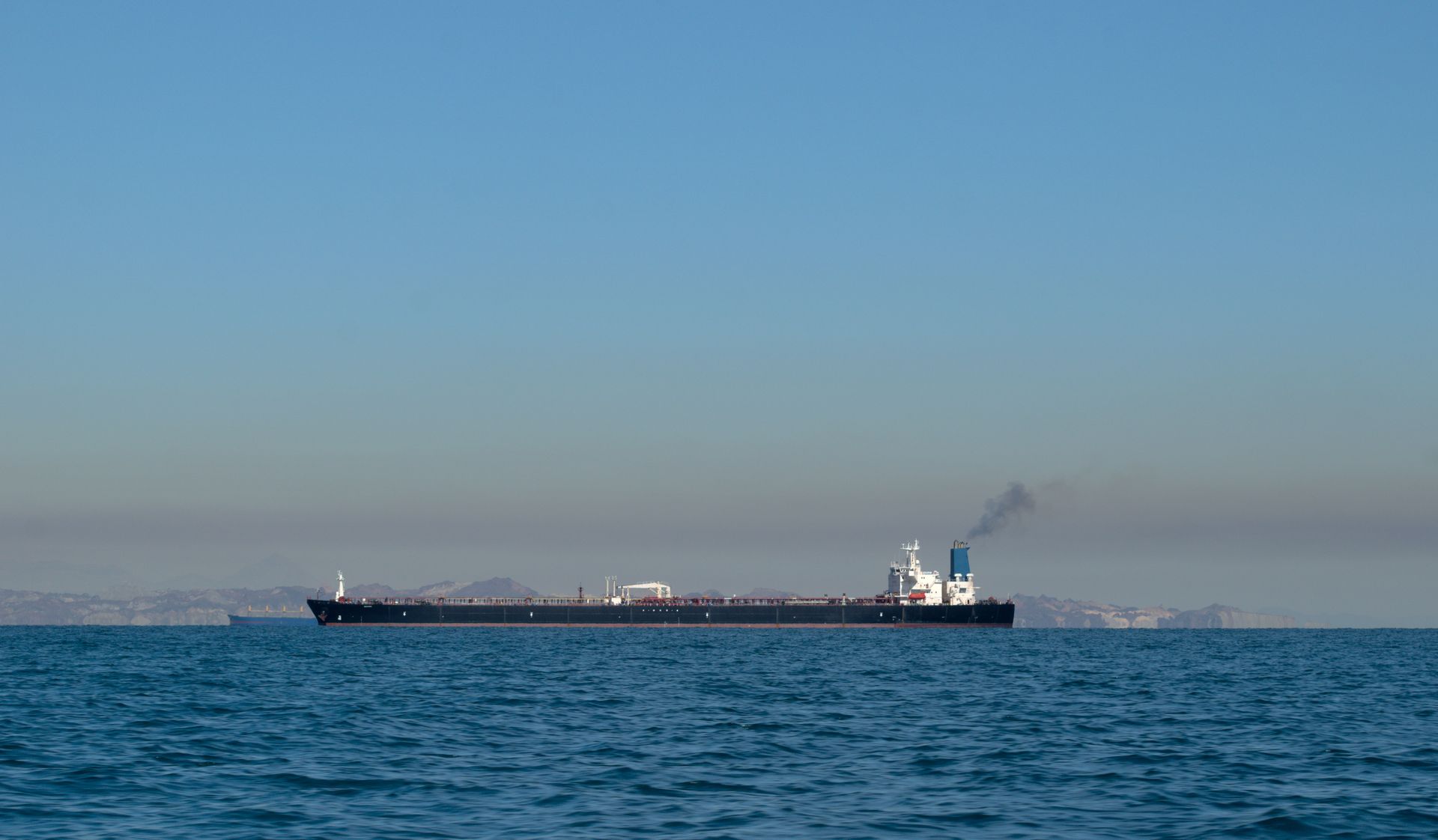
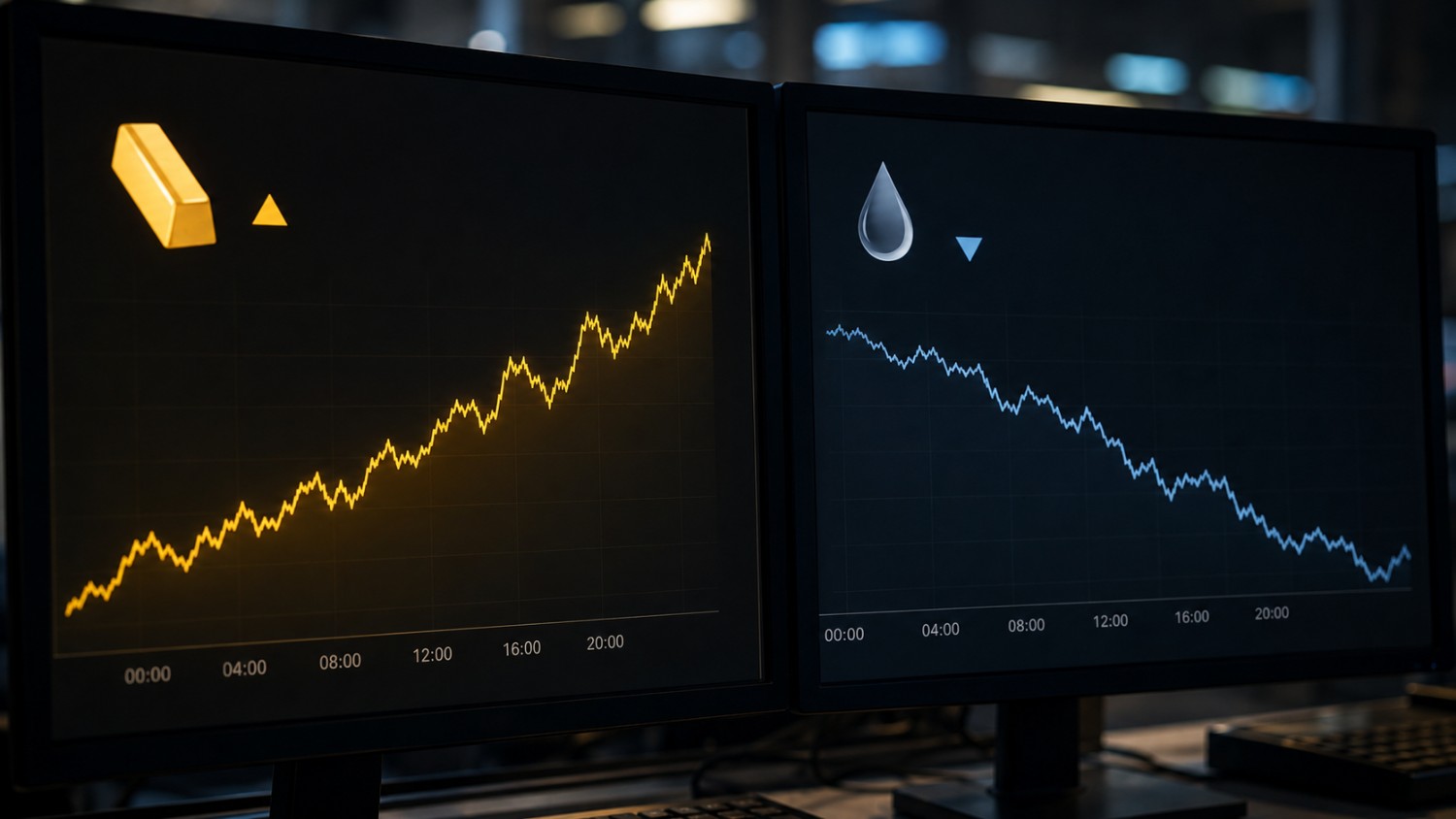
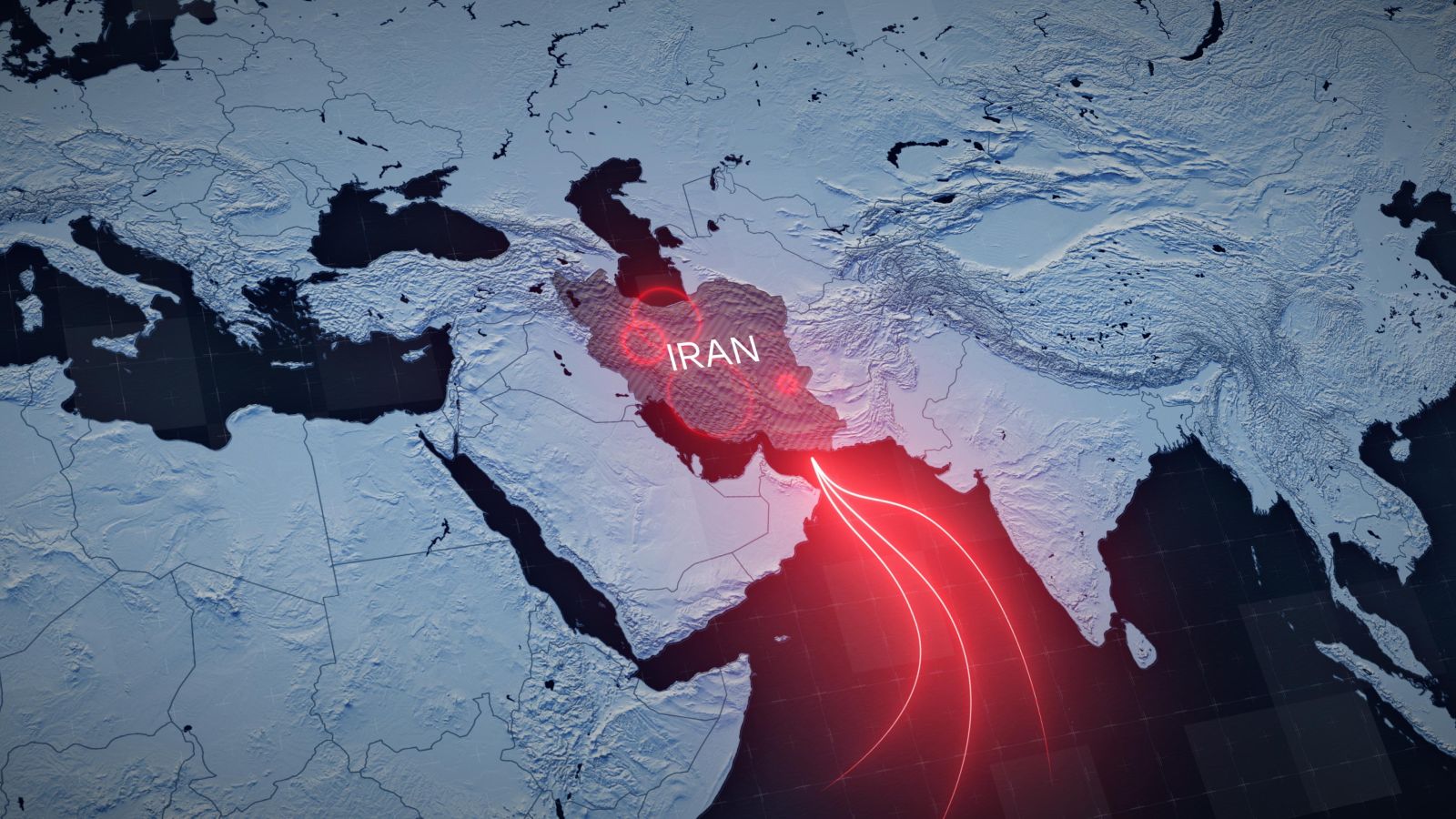
The geopolitical shift from military to economic sanctions against Iran is creating a paradoxical situation for cross-border e-commerce sellers: while oil prices have declined 3-4% (Brent crude fell from $89.20 to $88.34/barrel, WTI from $82.21 to $81.67), underlying supply chain risks remain elevated. The Trump administration's "economic D-Day" sanctions campaign targeting Iran and secondary sanctions on Chinese banks/refiners introduces new compliance complexity, while the Strait of Hormuz—through which 20-30% of global petroleum trade flows—faces unprecedented shipping constraints with tanker transits hitting three-month lows (only 2 tankers passing Monday, August 25, 2026).
For sellers, the immediate benefit is temporary freight rate relief. The 3-4% oil price decline translates to 2-3% reductions in ocean freight costs (typically $1,500-3,000 per 40ft container from Asia to US), providing $30-90 per container savings. Air freight rates, which track oil prices more directly, could see 3-5% cost reductions. However, this relief is fragile: Treasury Secretary Scott Bessent's vague compliance timeline and Iran's stated two-year contingency plan suggest prolonged policy uncertainty. Sellers relying on expedited shipping face particular exposure—air freight premiums could spike 15-25% if Iranian retaliation triggers Strait disruptions.
The secondary sanctions threat on Chinese financial institutions creates operational friction for sellers sourcing from China. China purchases 90% of Iran's oil exports and faces potential banking restrictions, which could disrupt payment processing for Chinese suppliers and increase working capital requirements. Sellers using Chinese 3PL providers or manufacturers should expect 5-10% cost increases if secondary sanctions target refiners and banks. The lack of specific implementation timelines (Bessent declined to name targeted countries) creates compliance uncertainty—sellers cannot yet optimize sourcing strategies. Supply disruptions from Russia's Novoshakhtinsk refinery (Ukrainian drone damage) and Kazakhstan's Atyrau refinery fire add 2-3% upside pressure on oil prices, offsetting sanctions-driven declines.
Strategic sourcing shifts are emerging. Sellers should evaluate Vietnam, India, and Indonesia as alternative sourcing destinations to reduce China exposure. These countries offer 5-8% cost premiums over China but provide sanctions-risk diversification. The three-month low in Hormuz tanker transits suggests sellers should lock in Q4 2026 freight rates immediately—spot rates could spike 20-30% if Iranian retaliation occurs. Compliance periods offered by Treasury suggest a 30-90 day window before secondary sanctions enforcement, creating a narrow window for supply chain repositioning.
Questions 8
What is the Strait of Hormuz and why should I care about it as a seller?
The Strait of Hormuz is the world's most critical maritime chokepoint, with 20-30% of global petroleum trade flowing through it daily. Recent data shows tanker transits hit three-month lows (only 2 tankers passing on August 25, 2026), indicating shipping disruptions. Any blockade or military escalation could increase oil prices 20-30% and freight rates 15-25% within days. For sellers, this means your shipping costs could jump $300-750 per container unexpectedly. The US-Iran tensions and potential Iranian retaliation create a 30-90 day window of elevated risk, making supply chain diversification and advance freight booking critical strategies.
How do oil price changes directly impact my Amazon FBA shipping costs?
Oil prices drive 40-60% of ocean freight costs and 70-80% of air freight costs. The 3-4% oil decline (Brent from $89.20 to $88.34/barrel) translates to approximately 2-3% reductions in ocean freight ($30-90 savings per 40ft container from Asia to US) and 3-5% reductions in air freight. However, this relief is temporary—if Iranian retaliation disrupts the Strait of Hormuz (which handles 20-30% of global oil trade), freight rates could spike 15-25% within 2-4 weeks. Sellers should lock in Q4 2026 freight rates immediately rather than waiting for further price declines, as geopolitical risks outweigh current savings.