





Export Control Enforcement Escalates | AI Chip Smuggling Case Sets Precedent for Tech Sellers
- Taiwan prosecution of 9 individuals including Nvidia manager signals intensified U.S.-allied enforcement; 74 B300 GPUs seized; 5-year prison sentences sought; impacts all cross-border semiconductor and tech distributors




&imwidth=800&imheight=600&format=webp&quality=medium)




















Overview
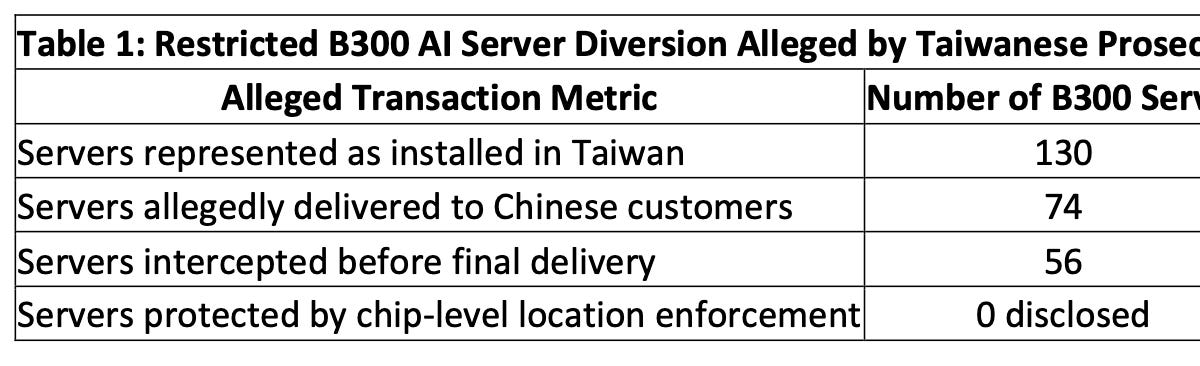
Taiwan's August 24, 2026 prosecution of nine individuals—including a Nvidia manager and two Super Micro employees—for illegally exporting 74 advanced B300 GPUs to mainland China represents a watershed moment in export control enforcement. The defendants allegedly circumvented U.S. Export Administration Regulations (EAR) through sophisticated smuggling routes via Indonesia, Japan, and Hong Kong, employing shell companies, fraudulent websites, and falsified documentation. Prosecutors are seeking maximum five-year prison sentences for four defendants, marking the first criminal case directly implicating Nvidia personnel in export violations. This case directly impacts cross-border e-commerce sellers and technology distributors operating in semiconductor, AI infrastructure, and high-tech categories.
The enforcement landscape has fundamentally shifted. U.S. restrictions on AI chips have intensified since 2022, with April 2025 regulations specifically targeting Nvidia H20 chips. The Taiwan prosecution demonstrates coordinated enforcement between U.S. and allied authorities, signaling that individual employees now face personal criminal liability—not just corporate penalties. For sellers in electronics, semiconductors, and data center equipment categories, this creates immediate compliance urgency. The case reveals that export control violations can result in criminal prosecution, company sanctions, loss of export privileges, and substantial fines. Both Nvidia and Super Micro have committed to strengthening internal export controls, indicating industry-wide tightening of compliance protocols.
For cross-border sellers, the operational implications are severe. Sellers operating in semiconductor distribution, AI infrastructure, or technology sectors must now implement robust end-user verification, maintain detailed export documentation, and ensure all transactions comply with BIS (Bureau of Industry and Security) guidelines. The case demonstrates that falsifying documentation, establishing shell companies, or routing shipments through transshipment hubs (Indonesia, Japan, Hong Kong) no longer provides legal protection—these tactics are now explicitly prosecuted as criminal smuggling. Sellers must verify destination countries, maintain audit trails, and implement transaction monitoring systems. The heightened scrutiny extends to supply chain activities and employee conduct, meaning companies must establish export compliance training programs and internal controls. For sellers currently exporting to China or using complex routing strategies, immediate compliance audits are critical. The time horizon for enforcement action is immediate, with prosecutors actively investigating supply chains and pursuing individual accountability.
Questions 8
What are the criminal penalties for exporting controlled AI chips without authorization?
The Taiwan case demonstrates that individuals can face up to 5 years in prison plus substantial fines for unauthorized AI chip exports. The Nvidia manager and Super Micro employees charged are seeking maximum sentences under both U.S. Export Administration Regulations (EAR) and Taiwan's export control laws. Beyond individual criminal liability, companies face loss of export privileges, corporate sanctions, and reputational damage. The case signals that prosecutors are now treating semiconductor smuggling as serious criminal conduct rather than administrative violations, with coordinated enforcement between U.S. and allied authorities. Sellers must understand that personal liability extends to employees who authorize or facilitate unauthorized exports.
What documentation and verification procedures must sellers implement to comply with export controls?
Based on the Taiwan case, sellers must maintain detailed export documentation including end-user certifications, destination verification, and transaction monitoring records. The prosecution revealed that defendants created fraudulent websites and falsified documentation—tactics now explicitly prosecuted as criminal conduct. Sellers should implement: (1) end-user destination verification before shipment, (2) audit trails documenting all transaction details, (3) employee training on export compliance, and (4) internal controls preventing unauthorized transfers. The case demonstrates that documentation alone is insufficient; sellers must verify that end-users are legitimate and that products won't be diverted to restricted destinations. Companies should conduct supply chain audits to identify potential compliance gaps and implement transaction monitoring systems.