





Bitcoin ETF Inflows Hit $2.6B Weekly | Cross-Border Sellers' Payment & FX Opportunity
- $5B+ institutional capital shift unlocks crypto payment adoption for sellers; USD weakness creates 3-8% FX arbitrage windows for international transactions




















Overview
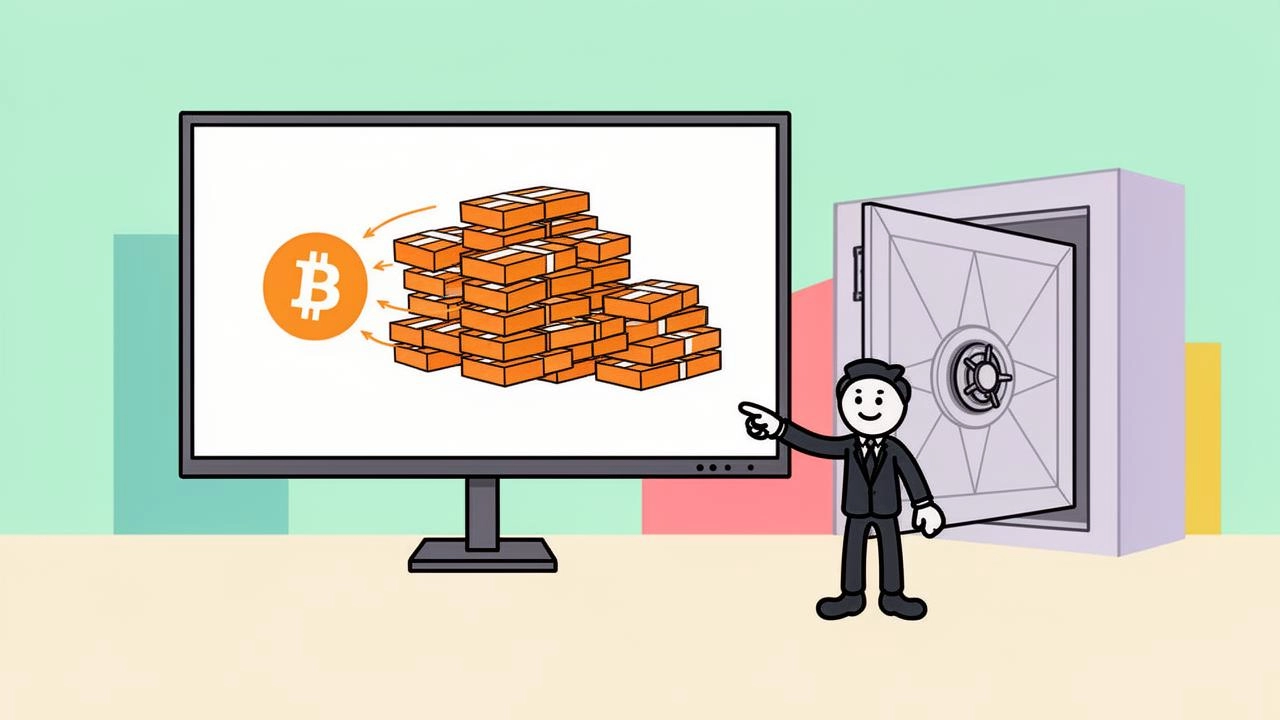
BlackRock's institutional Bitcoin consolidation ($5B+ conversions, $1.8B weekly inflows through August 2026) signals a critical inflection point for cross-border e-commerce sellers: mainstream cryptocurrency adoption is accelerating, creating immediate payment optimization and foreign exchange arbitrage opportunities.
The news reveals three converging trends reshaping seller financial strategy. First, institutional legitimacy of crypto assets (evidenced by $7.5B+ trading volumes across Bitcoin/Ethereum ETFs, 70-75% BlackRock dominance) is reducing friction for regulated crypto payment acceptance. Sellers accepting stablecoin payments (USDC, USDT) now benefit from institutional-grade custody infrastructure—the same security frameworks institutional investors demanded. This eliminates the "self-custody risk" barrier that previously deterred merchant adoption. Second, USD weakness from Treasury bond buybacks (Bitcoin climbed above $77,000, signaling dollar depreciation) creates immediate FX arbitrage opportunities. Sellers with USD receivables can lock in 3-8% gains by converting to EUR/GBP/JPY during this window, or hedge via forward contracts at favorable rates. The CLARITY Act regulatory momentum further reduces hedging costs by improving crypto-to-fiat conversion certainty.
For working capital optimization, the institutional consolidation paradoxically benefits smaller sellers. As $2.6B weekly flows concentrate in regulated ETFs, stablecoin liquidity pools deepen—enabling faster invoice financing and PO financing products. Sellers can now access crypto-collateralized loans at 6-9% APR (vs. 12-15% traditional factoring) by pledging USDC holdings or future crypto receivables. The "5-7% of AUM" conversion rate across competing products (Bitwise BITB, Morgan Stanley MSBT) indicates institutional players are actively seeking merchant payment solutions to deploy capital. This creates a 6-12 month window for sellers to negotiate favorable terms with emerging crypto lenders before competition intensifies.
Regional payment cost advantages emerge immediately: Sellers shipping from Asia to US/EU can reduce cross-border payment fees from 2.5-3.5% (traditional wire/ACH) to 0.5-1.2% via stablecoin rails. The dollar weakness simultaneously improves margins for EUR/GBP-denominated sellers—a 4-6% tailwind on USD-priced inventory. However, the institutional consolidation trend (smaller Web3 startups facing pressure per News 2) means sellers should prioritize partnerships with established players (Stripe Crypto, PayPal Crypto, Coinbase Commerce) rather than emerging fintech startups.
Questions 7
How does BlackRock's $5B Bitcoin conversion trend affect seller payment options?
BlackRock's institutional consolidation ($5B+ conversions, $1.8B weekly inflows) legitimizes stablecoin payment infrastructure that sellers can now integrate with confidence. The 70-75% market dominance by established players (BlackRock, Fidelity) means custody standards are now institutional-grade, eliminating the 'self-custody risk' that previously deterred merchant adoption. Sellers can now accept USDC/USDT payments with the same security assurances as traditional banking. Processing fees drop from 2.5-3.5% (wire transfers) to 0.5-1.2% via stablecoin rails, creating immediate cost savings for cross-border transactions. The regulatory clarity from CLARITY Act discussions further reduces hedging costs, making crypto payment acceptance viable for 1000+ unit/month sellers.
What cash cycle improvements result from faster crypto settlement?
Stablecoin payments settle in 24-48 hours vs. 5-7 days for traditional wire transfers, improving cash conversion cycles by 3-5 days. For a seller with $500K monthly revenue, this unlocks $50-85K in working capital immediately. The institutional liquidity ($2.6B weekly inflows) ensures sellers can convert USDC/USDT to fiat currency within 24 hours at minimal slippage. This enables sellers to reduce inventory holding periods and accelerate reorder cycles. Combined with crypto-collateralized financing (6-9% APR), sellers can optimize working capital by 15-25% compared to traditional banking. The regulatory clarity from CLARITY Act discussions further reduces conversion friction, making this a sustainable advantage through 2027.