




US Farm Input Tariffs & Iran Sanctions Drive Agricultural Supply Chain Crisis | Seller Sourcing Opportunities
- Fertilizer, fuel, and machinery tariffs increase farm input costs 15-25% for 2025 growing season; creates sourcing arbitrage for agricultural equipment sellers and organic/specialty food product demand surge
















-b_Big.jpg)



Overview
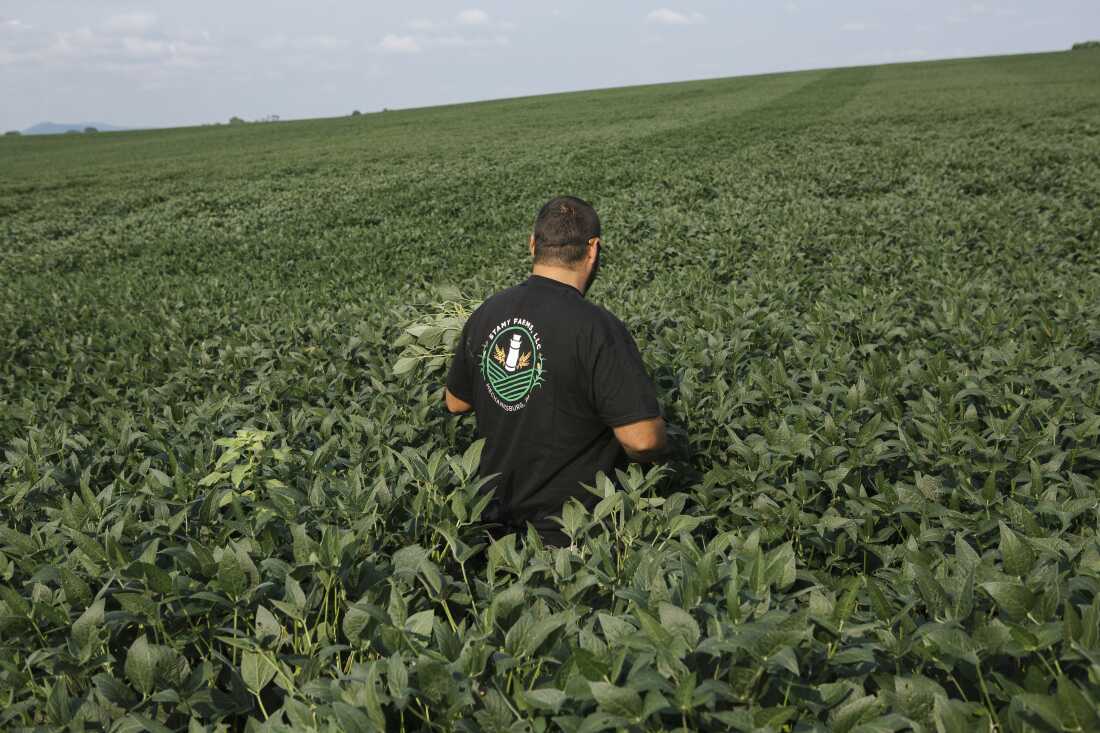
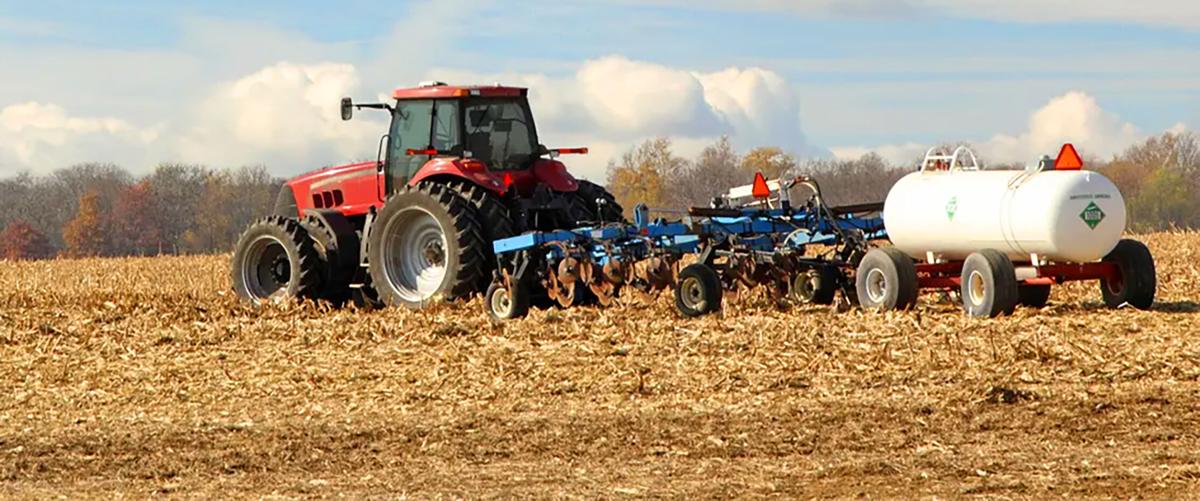
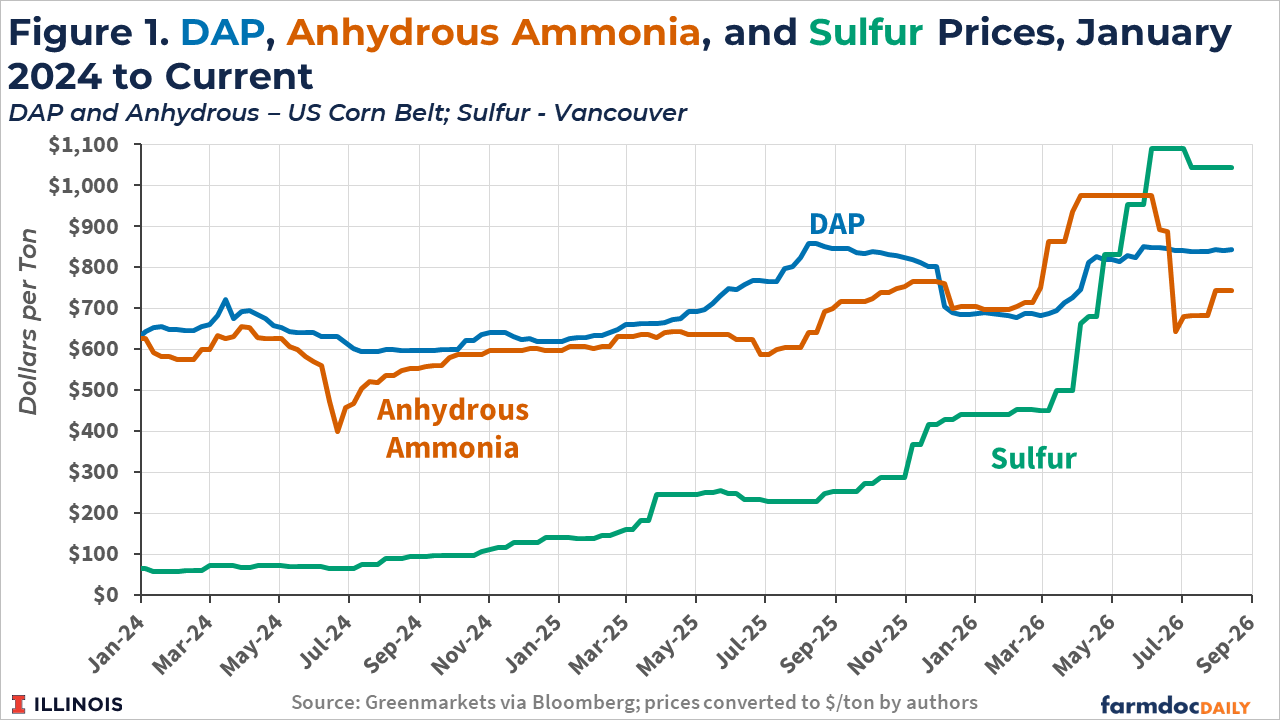
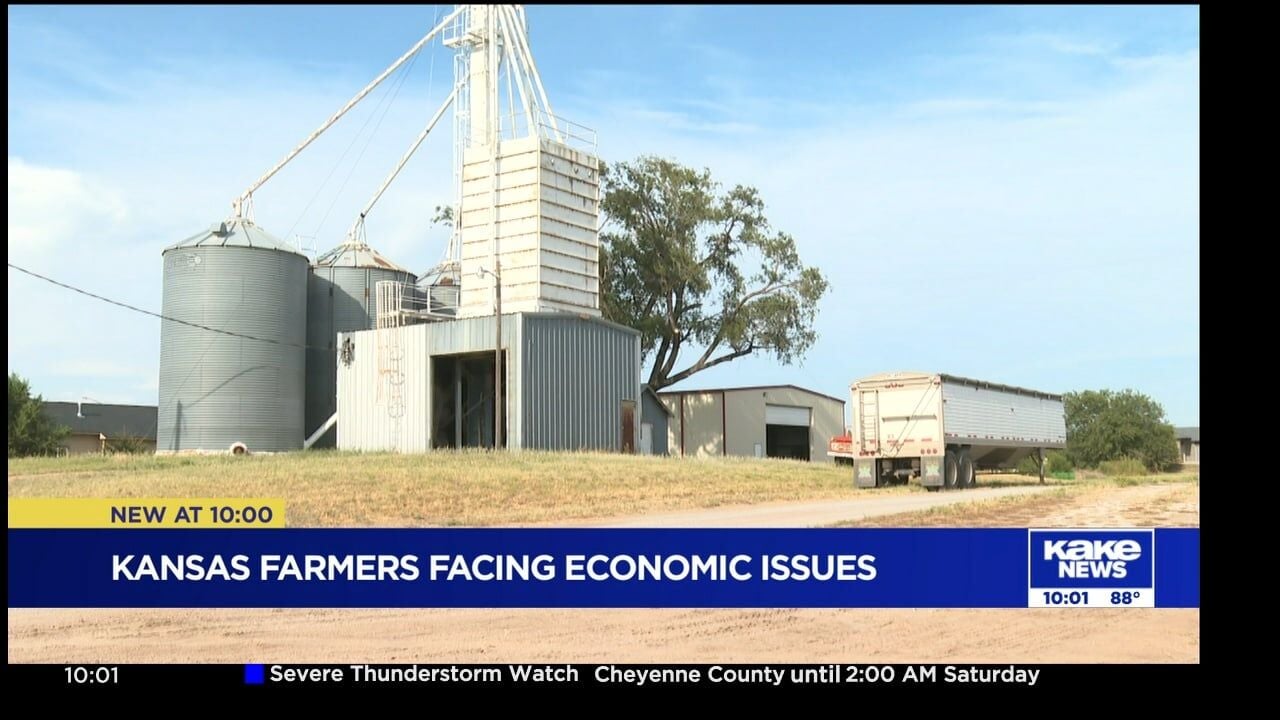
The US agricultural sector faces a compounding crisis in 2025-2026 driven by presidential tariff policies and Iran-related geopolitical disruptions, creating both supply chain vulnerabilities and emerging e-commerce opportunities. According to Washington Post reporting (August 25, 2026), Iowa farmer Wendy Johnson's 1,200-acre diversified operation—previously debt-free and considered resilient—now confronts unprecedented cost pressures on fertilizer, fuel, and machinery inputs. The Financial Times confirms that Iranian sanctions have disrupted global phosphate and potash exports, directly impacting US grain farmers across the Midwest and Great Plains regions facing substantially higher operational expenses for the 2025 growing season.
For cross-border e-commerce sellers, this crisis creates three distinct opportunities: First, agricultural equipment and machinery sellers can capitalize on tariff-driven price increases by sourcing from non-tariff jurisdictions (Vietnam, India, Mexico) and selling through Amazon, eBay, and Shopify to cost-conscious mid-sized farm operations. Tariff-driven input cost inflation of 15-25% creates margin compression for farmers, driving demand for affordable equipment alternatives and used/refurbished machinery—categories where sellers can offer 20-30% cost savings versus traditional agricultural suppliers. Second, organic and specialty food product sellers benefit from farmer diversification strategies: Johnson's transition to organic production and direct-to-consumer sales exemplifies broader farmer pivot toward higher-margin crops. Sellers can source organic grains, specialty seeds, and value-added agricultural products for Amazon Fresh, Whole Foods, and specialty food marketplaces where farm-crisis-driven supply constraints create pricing power. Third, agricultural input alternatives (biofertilizers, fuel-efficient equipment, precision agriculture tech) see accelerated adoption as farmers seek cost-mitigation strategies—creating demand for imported solutions from Asia-Pacific suppliers.
The policy timeline is critical: Congressional emergency farm aid remains stalled as of August 2026, meaning relief is unlikely before the 2025 growing season begins. This 6-12 month window (September 2026-August 2027) represents peak urgency for farmers to source alternatives, creating a time-sensitive selling window. Mid-sized and smaller farm operations—the most vulnerable segment—represent 60-70% of US agricultural producers and are most likely to shift purchasing to cost-effective e-commerce channels. The crisis echoes the 1980s farm crisis that devastated rural communities, suggesting potential farm bankruptcies and consolidation, which historically increases demand for used equipment and liquidation sales—opportunities for bulk buyers and resellers on eBay and specialized agricultural marketplaces.
Questions 8
How does the farm crisis drive demand for organic and specialty food products?
Farmers facing unprecedented input cost pressures are diversifying into higher-margin crops, as exemplified by Iowa farmer Wendy Johnson's transition to organic production and direct-to-consumer sales. This farmer pivot creates demand for organic grains, specialty seeds, and value-added agricultural products on Amazon Fresh, Whole Foods, and specialty food marketplaces. Sellers can source these products from emerging agricultural regions and capitalize on farm-crisis-driven supply constraints that create pricing power. The shift toward direct-to-consumer channels also creates opportunities for sellers to partner with farmers or source directly from farm operations.
What is the connection between Iran sanctions and US fertilizer prices?
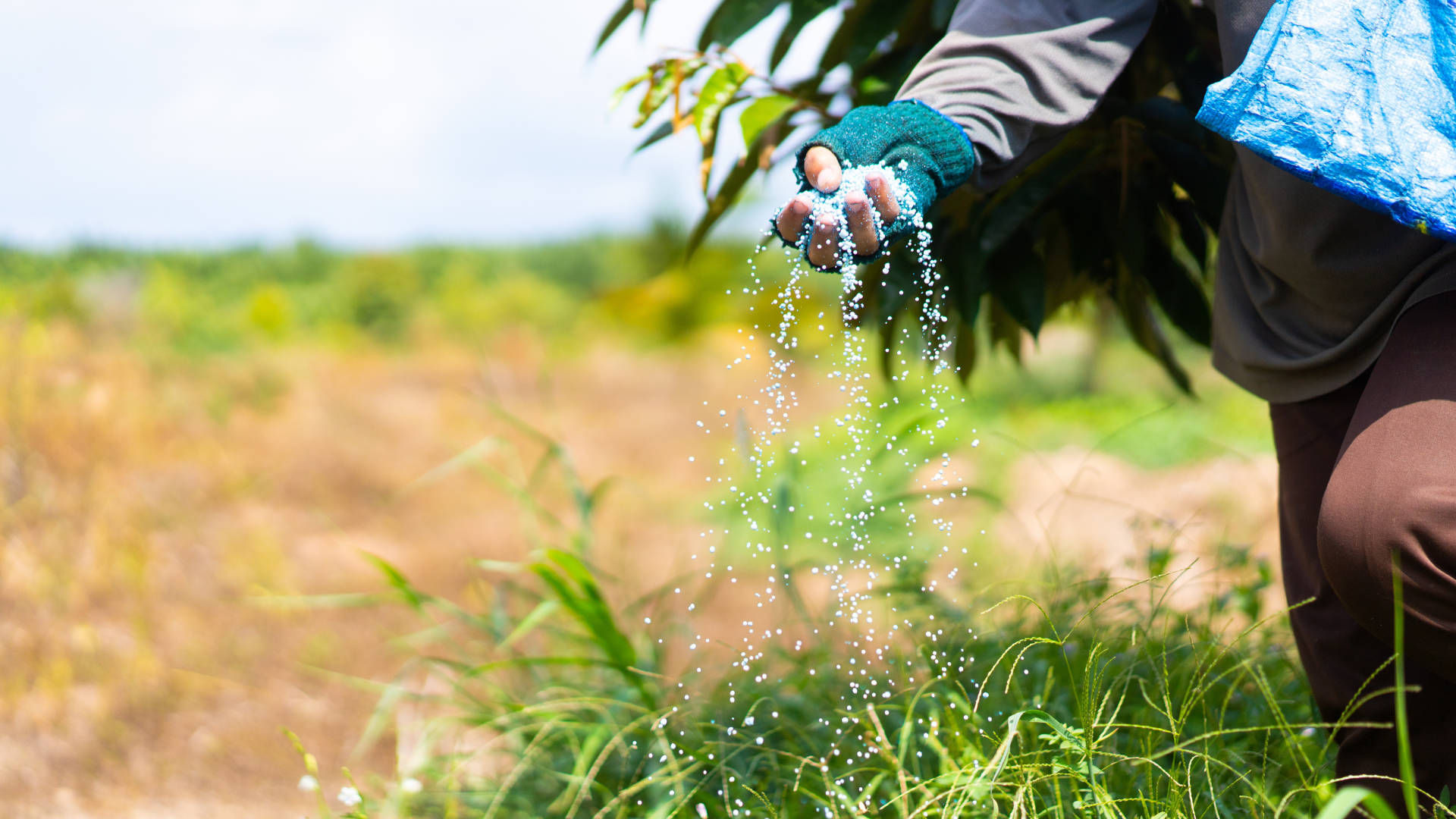
Iran sanctions have disrupted global phosphate and potash exports, creating supply chain complications in fertilizer markets that US farmers depend upon. According to Financial Times reporting, these geopolitical disruptions have triggered significant price increases across essential farming resources. This supply constraint creates opportunities for sellers to source alternative fertilizer products (biofertilizers, organic amendments) from Asia-Pacific suppliers and market them to farmers seeking cost-effective substitutes. The supply disruption is expected to persist through the 2025 growing season, creating a sustained selling window.