




Trump's 50% Canada Tariffs Disrupt Cross-Border E-Commerce | Seller Sourcing & Market Access Crisis
- 26% decline in Canadian tourism to NYC signals broader market contraction; 50% tariffs on $20B goods threaten small sellers lacking tariff arbitrage expertise















Overview
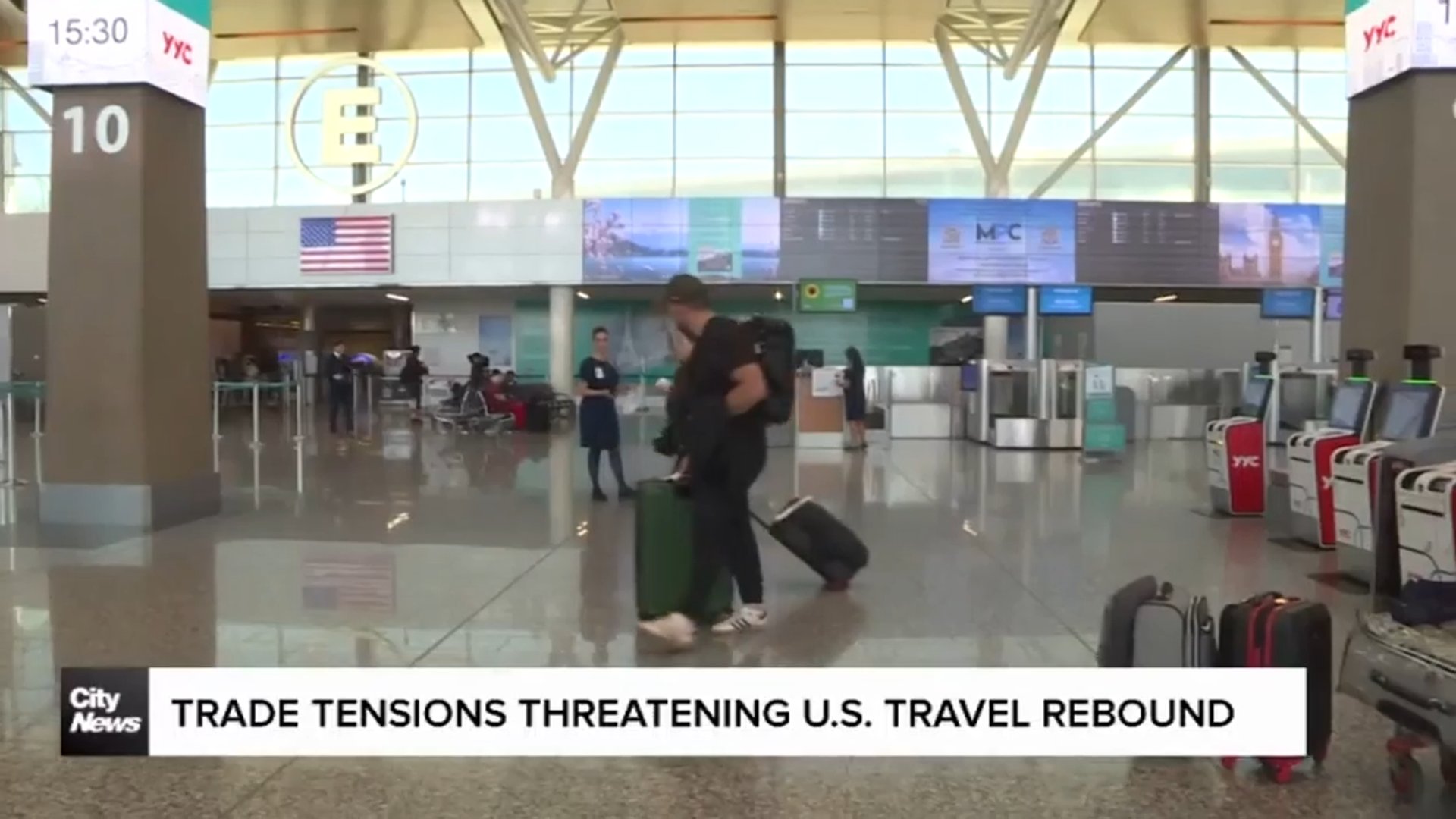
Trump's escalating trade war with Canada represents a critical inflection point for cross-border e-commerce sellers, particularly those sourcing from or selling to Canadian markets. The 50% tariff imposed on $20 billion in Canadian goods, with additional tariffs signaled for January 2025, creates immediate supply chain disruption and margin compression across multiple product categories. Canadian visitor spending to New York declined 26% year-over-year with spending down 14% from pre-pandemic levels, reflecting broader economic contraction that will suppress consumer demand across both US and Canadian marketplaces. NYC Tourism & Conventions revised 2025 forecasts downward to 66.3 million visitors (only 2% growth vs. 2024), indicating sustained economic headwinds that will depress discretionary spending on e-commerce categories including apparel, home goods, and luxury items.
The tariff structure creates immediate sourcing cost pressures for sellers importing Canadian goods or materials. Two-thirds of New York's agriculture exports, half of oil/gas/minerals (predominantly diamonds), and 13% of manufactured goods flow to Canada—categories that directly impact e-commerce supply chains. Sellers importing Canadian raw materials, components, or finished goods face 50% duty increases, compressing margins by 8-15% depending on product category and current tariff classification. Small and medium-sized sellers (1-50 employees) lack the tariff compliance infrastructure of larger competitors, making them disproportionately vulnerable to unpredictable policy changes. The Manhattan Chamber of Commerce specifically warns that tariffs on dairy, building materials, and cement will increase input costs for food/beverage sellers and home goods merchants, with expenses passed directly to consumers and reducing demand elasticity.
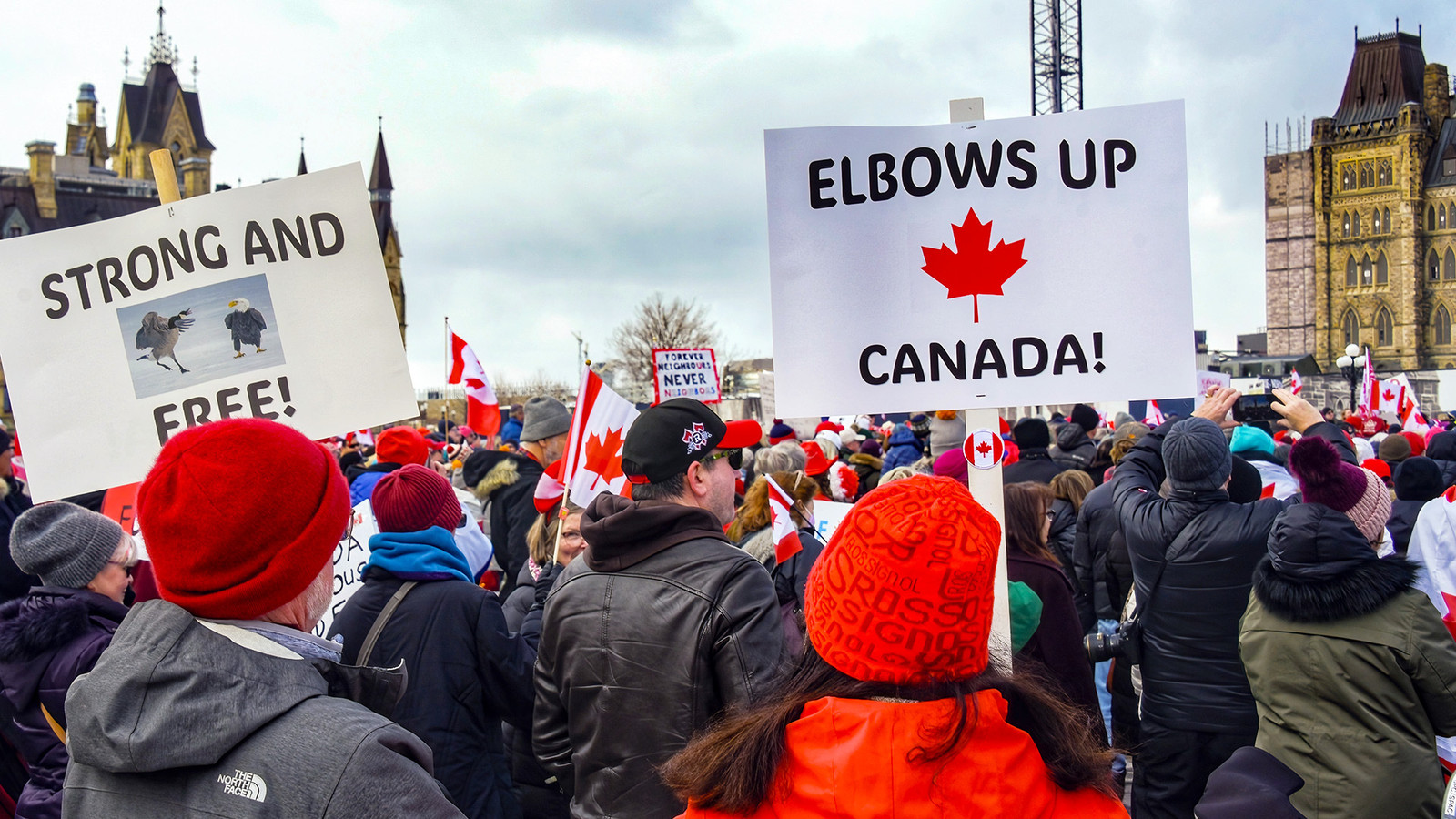
Market access deterioration in Canada represents a secondary but significant threat to cross-border sellers. Canadian sentiment toward American businesses has sharply deteriorated, with nearly 50% of Canadians holding unfavorable views of Americans following tariff announcements. This sentiment shift will suppress demand for US-branded products on Canadian marketplaces (Amazon.ca, Shopify Plus Canada) and reduce cross-border shopping from US sellers. Sellers with significant Canadian customer bases should expect 15-25% demand contraction in Q1-Q2 2025 as retaliatory measures take effect. The unpredictable nature of Trump's tariff policy creates particular hardship for small businesses lacking resources to manage rapidly changing trade regulations—sellers cannot accurately forecast landed costs or price competitively when tariff rates change monthly. Industry experts stress that New York's economy, still recovering from pandemic impacts, cannot absorb additional trade-driven disruptions without significant consequences for employment, consumer prices, and business investment, signaling prolonged economic weakness that will suppress consumer spending across discretionary e-commerce categories through 2025.
Questions 8
What compliance and documentation requirements should sellers prepare for tariff audits?
As tariff rates increase and trade tensions escalate, US Customs and Border Protection (CBP) will likely increase audit frequency on cross-border shipments. Sellers should immediately: (1) Verify HS code classifications for all products imported from Canada—incorrect classifications can result in penalties and duty recalculation, (2) Maintain detailed supplier documentation and certificates of origin to prove tariff eligibility, (3) Review tariff rate lookups on USITC.gov to understand current rates and any pending changes, (4) Consider hiring a customs broker to manage tariff compliance and audit preparation. Sellers should also document all tariff impact calculations and pricing adjustments in case of CBP audits. The unpredictable nature of tariff policy means sellers should maintain 30-60 days of inventory buffer to absorb tariff rate changes without disrupting fulfillment. Sellers should also monitor trade.gov for tariff exclusion petitions that could reduce rates on specific products.
How should sellers adjust pricing strategy on Amazon.ca and Shopify Canada given tariff increases?
Sellers face a pricing dilemma: absorb 8-15% margin compression or raise prices and risk demand loss in a contracting Canadian market. Given that Canadian consumer sentiment toward American businesses has deteriorated sharply (50% unfavorable views), raising prices will accelerate demand loss beyond normal elasticity. Sellers should consider: (1) Absorbing 5-8% margin compression on high-volume SKUs to maintain market share, (2) Raising prices 3-5% on lower-volume, higher-margin products where demand is less elastic, (3) Shifting product mix toward lower-tariff categories to maintain overall margin targets. On Amazon.ca, sellers should monitor competitor pricing and adjust dynamically as other sellers raise prices. On Shopify Canada, sellers have more pricing flexibility but should expect 15-25% demand contraction in Q1-Q2 2025 as Canadian consumers reduce discretionary spending. Sellers should also evaluate whether to maintain Canadian operations or shift resources to US/EU markets with stronger demand growth.