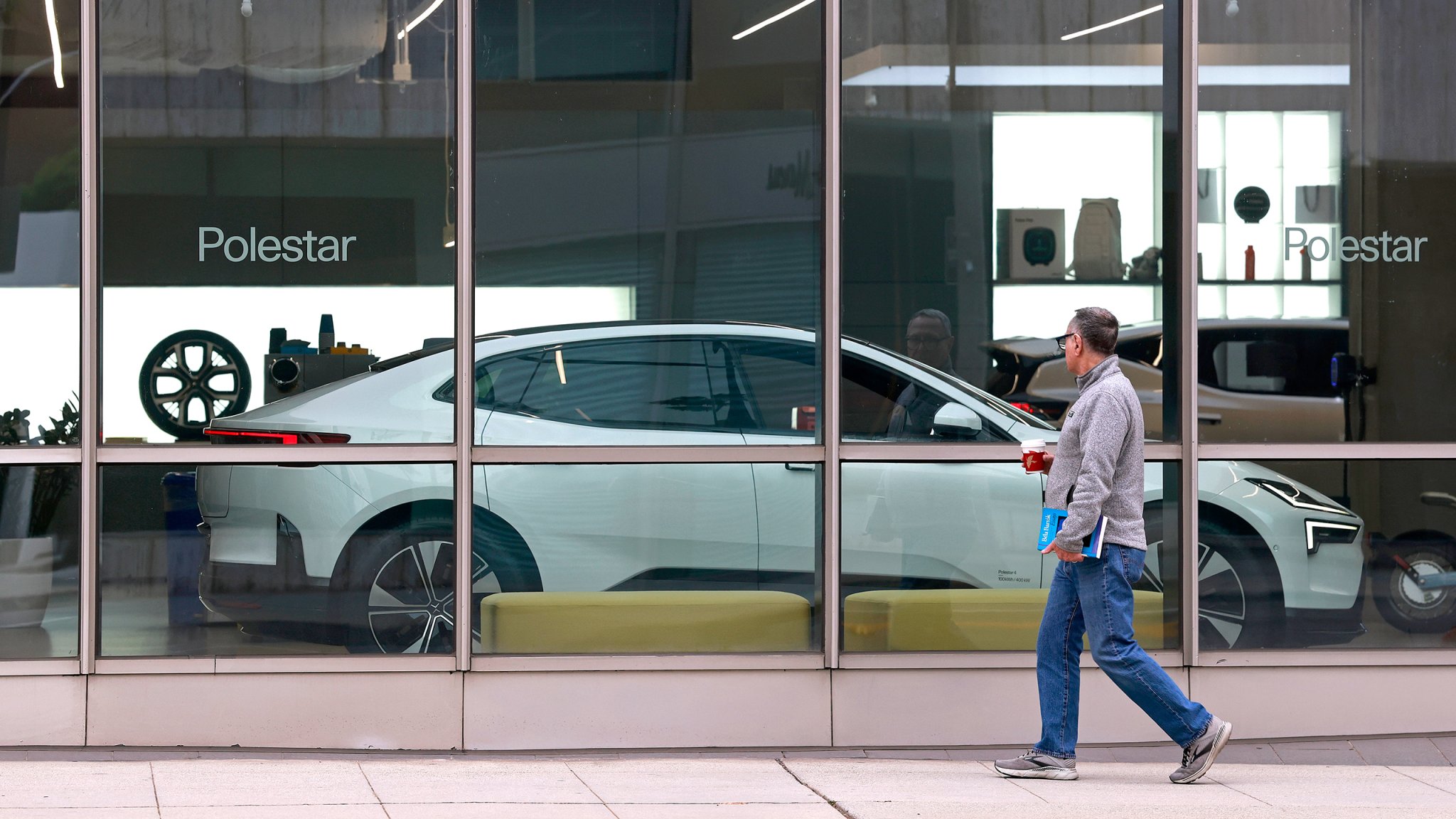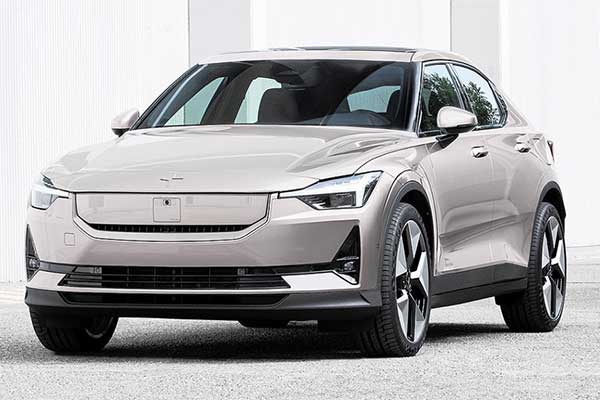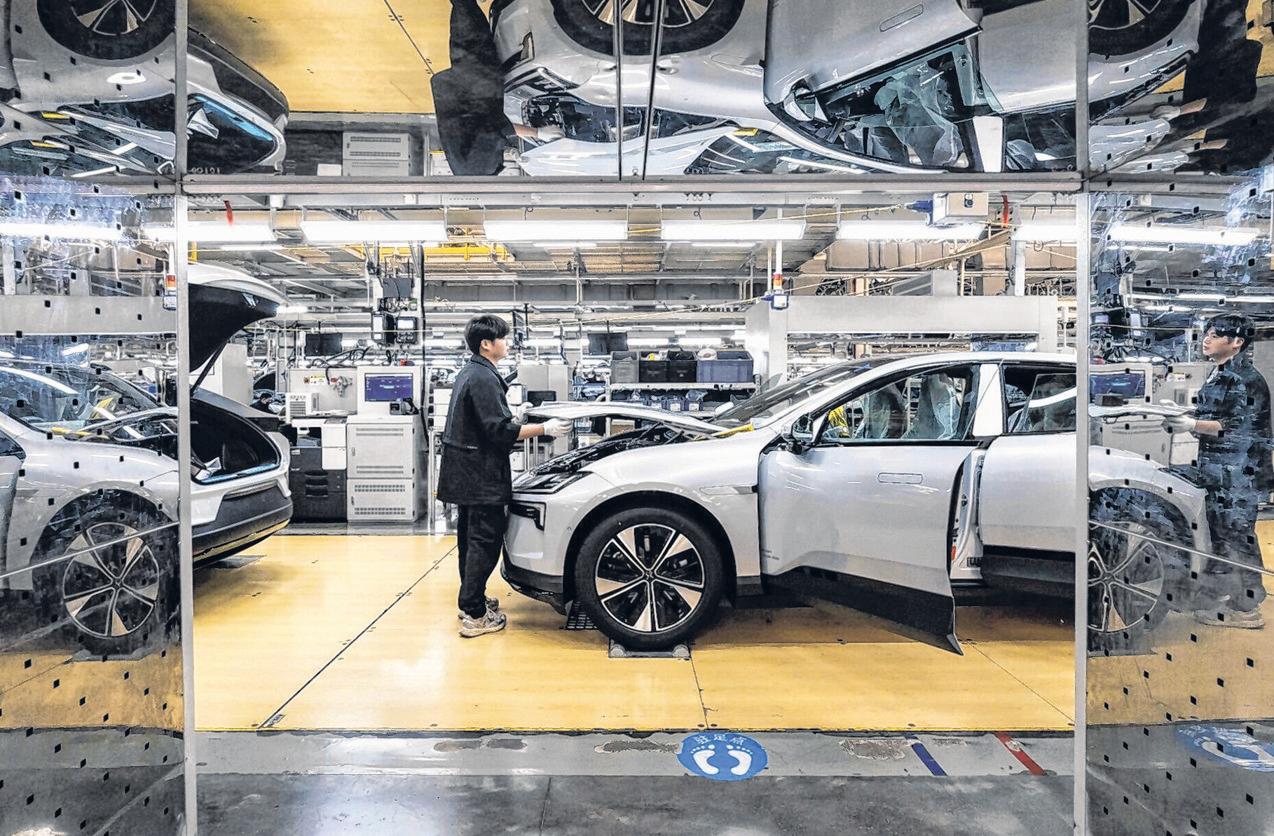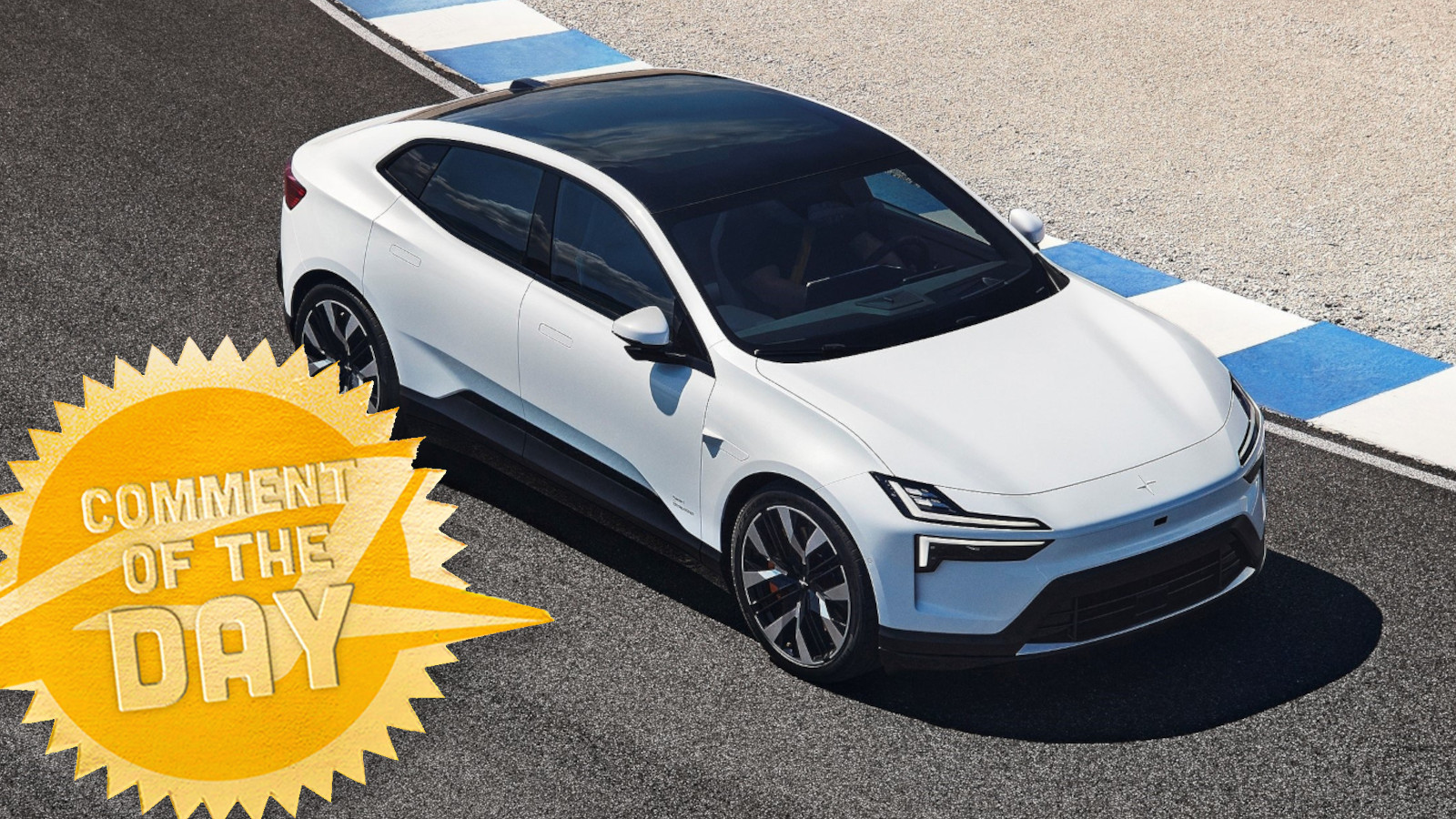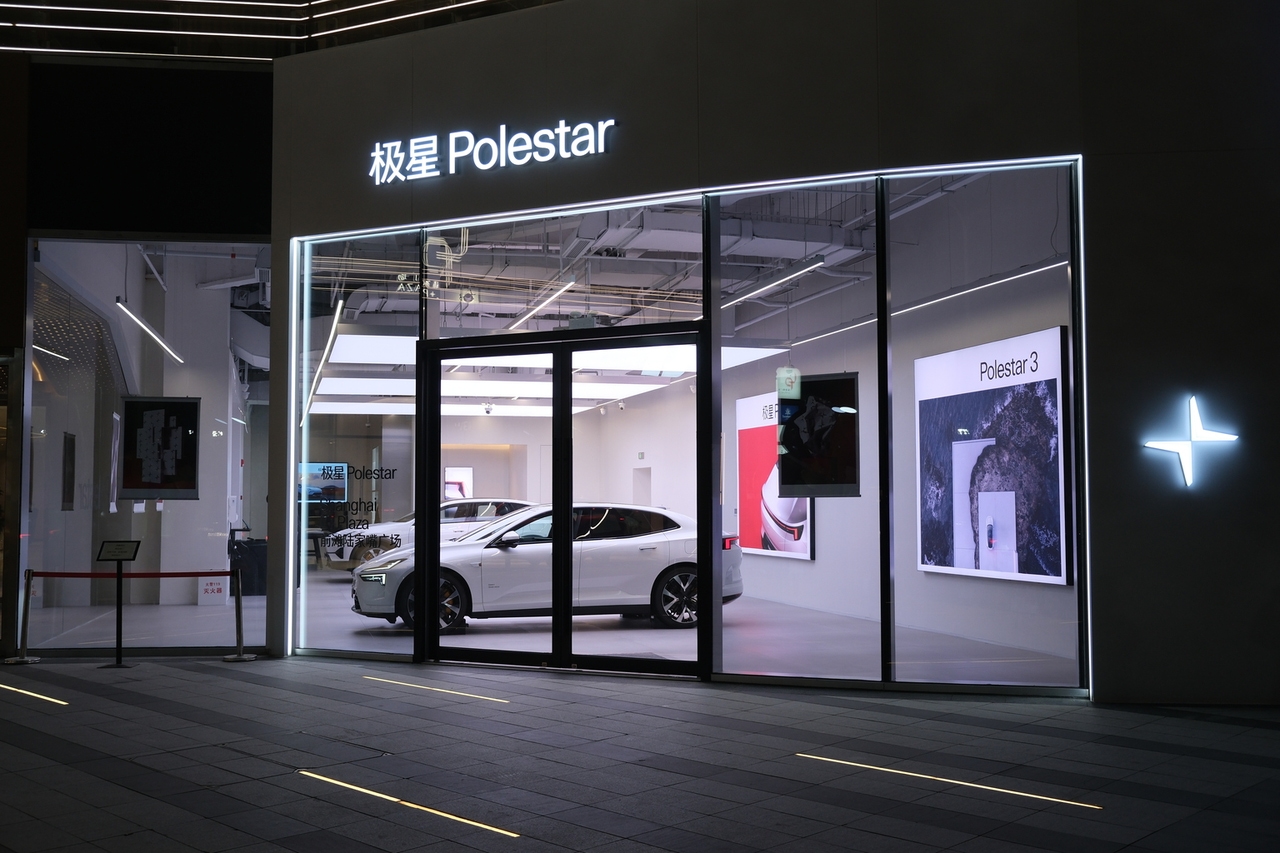


The Trump administration's ban on Polestar—a Swedish-Chinese EV manufacturer majority-owned by Chinese automotive group Geely—represents a critical escalation in protectionist trade policy with far-reaching implications for cross-border e-commerce sellers. Polestar's disclosure of prolonged, inconsistent negotiations before the ban reveals how geopolitical tensions are reshaping market access rules. The company attempted to establish US operations through direct-to-consumer sales channels, a model increasingly targeted by regulatory scrutiny. This development signals that ownership structure and supply chain provenance now function as de facto tariff barriers, with national security arguments justifying trade restrictions that previously relied on traditional tariff mechanisms.
For cross-border sellers, this creates three immediate concerns: First, Chinese-owned or Chinese-linked companies face heightened regulatory risk in the US market, potentially triggering sudden policy reversals that disrupt business planning. Polestar's experience demonstrates that even established manufacturers with Western partnerships (Volvo) cannot guarantee market access when Chinese ownership is majority. Second, the inconsistent application of trade regulations that Polestar alleges suggests regulatory arbitrage opportunities are narrowing—competitors with clearer Western ownership structures gain competitive advantages. Third, the ban impacts direct-to-consumer (DTC) sales models, which many cross-border sellers use to bypass traditional distribution channels; if DTC channels face regulatory barriers based on ownership, sellers must pivot to marketplace platforms (Amazon, eBay) where compliance frameworks are more standardized.
The policy shift reflects a broader "America First" approach where national security arguments increasingly justify trade restrictions previously handled through tariff codes and customs duties. For automotive and tech categories specifically, this means tariff rates may increase 15-25% for Chinese-linked suppliers, while ownership-based restrictions create non-tariff barriers that tariff codes cannot capture. Sellers with supply chains rooted in China, Vietnam, or India face uncertainty about future market access, particularly in high-tech categories (EVs, batteries, autonomous systems, data-collection devices) where national security concerns dominate policy discussions. The disparate treatment Polestar alleges—where competitors receive greater market access despite similar business models—suggests regulatory inconsistency will persist, creating opportunities for sellers who can navigate compliance ambiguity through legal loopholes or strategic restructuring.
Based on Polestar's timeline—prolonged negotiations followed by sudden ban—sellers should expect **policy announcements within 30-90 days** targeting additional Chinese-linked companies or sectors. The Trump administration typically announces major trade actions during policy windows (State of the Union, trade negotiations, quarterly reviews). Sellers should monitor: (1) USTR (US Trade Representative) announcements for new tariff investigations, (2) Commerce Department statements on national security reviews, (3) Congressional trade committee hearings. Immediate actions: lock in supplier pricing before tariff increases (typically effective 30-60 days after announcement), diversify supply chains within 90 days, and audit ownership structures by end of Q1 2025. High-risk categories include automotive (already targeted), batteries, semiconductors, consumer electronics, and data-collection devices. Sellers in these categories should accelerate sourcing diversification and consider tariff hedging strategies (forward contracts, inventory buildup before tariff effective dates).
The Polestar ban signals that **Chinese ownership creates supply chain risk**, prompting sellers to diversify sourcing away from Chinese-majority-owned suppliers. Sellers should immediately audit their supply chain: identify which components come from Chinese-owned manufacturers versus foreign-owned companies operating in China. Prioritize sourcing from Vietnam (lower regulatory scrutiny, growing manufacturing base), India (strategic US partnership, tariff advantages), Mexico (USMCA benefits, proximity to US), and Indonesia. For electronics and batteries—categories facing heightened national security scrutiny—shift 20-30% of sourcing to non-Chinese suppliers within 6 months. Calculate total cost of ownership (including tariffs, compliance costs, logistics): Vietnamese suppliers may cost 5-10% more but avoid tariff escalation and regulatory risk. Establish backup suppliers in multiple countries to reduce single-country dependency. Negotiate long-term contracts with non-Chinese suppliers now, before tariff increases and supply chain competition intensify.
Polestar's accusation of **'disparate treatment'** reveals that regulatory inconsistency creates arbitrage opportunities for sellers who can navigate compliance ambiguity. The administration applies different standards to different companies, suggesting that sellers with strong legal representation can challenge unfair restrictions or exploit regulatory gaps. Sellers should document any instances where competitors receive preferential market access despite similar business models; this creates grounds for regulatory appeals or WTO disputes. Consider forming industry coalitions with other cross-border sellers facing similar restrictions—collective action increases political pressure for regulatory consistency. Sellers can also leverage the disparate treatment argument to negotiate with customs brokers and compliance consultants, who may identify legal loopholes or restructuring strategies that competitors haven't discovered. Monitor Polestar's legal proceedings; if the company wins a disparate treatment case, it could set precedent for other sellers challenging ownership-based restrictions.
Yes, the ban specifically targeted Polestar's **direct-to-consumer sales model**, suggesting DTC channels may face regulatory barriers for Chinese-linked companies. While Polestar sells vehicles (not typical e-commerce products), the principle applies: DTC sellers bypass traditional distribution oversight, which regulators view as a compliance risk. Chinese-owned sellers using Shopify, WooCommerce, or independent websites should expect increased scrutiny from customs and regulatory agencies. Marketplace platforms like **Amazon and eBay have standardized compliance frameworks** that provide more regulatory clarity than DTC channels. Sellers should consider shifting 30-50% of sales volume to Amazon FBA or eBay, where seller verification and compliance monitoring are more transparent. DTC sellers should also implement robust data privacy and supply chain documentation to demonstrate compliance with national security concerns around data collection and supply chain transparency.
The Polestar ban suggests **tariff rates for Chinese-linked automotive suppliers will likely increase 15-25% in coming months**, as the administration shifts from traditional tariff mechanisms to ownership-based restrictions. Currently, EV components face tariffs of 2.5-12.5% depending on HS codes (8704.21 for electric vehicles, 8507.80 for batteries); expect these to rise or face additional non-tariff barriers. Sellers importing automotive parts from China should immediately lock in pricing with suppliers before tariff increases take effect. Consider sourcing alternatives from Vietnam, India, or Mexico, which face lower regulatory scrutiny. Calculate landed costs now: a $10,000 EV component with 10% tariff ($1,000) could face 25% tariffs ($2,500), compressing margins by 15-20%. Diversify supply chains away from Chinese ownership structures within 90 days to avoid sudden policy reversals.
Polestar's ban signals that **Chinese ownership or majority stakes now trigger regulatory scrutiny** in the US market, even for companies with Western partnerships like Volvo. Cross-border sellers with Chinese parent companies or supply chain connections face heightened risk of sudden market access restrictions. The Trump administration's inconsistent negotiation process—providing mixed signals before implementing the ban—reveals that regulatory timelines are unpredictable. Sellers should immediately audit their ownership structure and supply chain provenance; those with Chinese majority ownership should consider legal restructuring or establishing US-based subsidiaries with independent governance to reduce regulatory risk. Monitor policy announcements weekly, as the administration may extend similar restrictions to other sectors (tech, batteries, consumer electronics) where national security arguments apply.

Sellers facing ownership-based restrictions have several legal strategies: (1) **Restructure ownership** by establishing US-based subsidiaries with independent governance and US board members; this reduces regulatory risk even if parent company is Chinese-owned. (2) **Implement supply chain transparency** by documenting all sourcing, manufacturing, and data handling practices; demonstrate compliance with national security concerns around data collection and supply chain vulnerabilities. (3) **Engage regulatory counsel** to monitor policy changes and prepare appeals if market access is restricted; Polestar's disparate treatment case suggests legal challenges are viable. (4) **Diversify business model** by shifting from DTC to marketplace platforms, which have standardized compliance frameworks. (5) **Form industry coalitions** to collectively challenge unfair restrictions and advocate for regulatory consistency. Sellers should also consider **tariff optimization strategies**: work with customs brokers to identify lower-tariff HS codes for products, explore tariff exemptions for specific categories, and investigate duty drawback programs for exported goods. Consult with trade attorneys within 60 days to develop a compliance roadmap tailored to your ownership structure and product categories.
**Amazon and eBay will likely implement stricter seller verification** for Chinese-owned or Chinese-linked companies in response to regulatory pressure. Platforms face liability if they facilitate sales of restricted products or enable market access for banned companies. Expect: (1) enhanced seller registration requirements asking for ownership structure and supply chain documentation, (2) increased account suspensions for sellers with unclear ownership, (3) mandatory compliance certifications for high-risk categories (automotive, batteries, tech). Sellers should proactively update their seller profiles with clear ownership documentation and supply chain transparency. For Amazon FBA, ensure all product listings include accurate country-of-origin and supplier information; misrepresentation could trigger account suspension. eBay sellers should verify compliance with new seller verification requirements within 30 days. Marketplace platforms may also implement geographic restrictions, preventing Chinese-owned sellers from accessing certain categories or regions. Sellers should contact platform support to clarify compliance requirements specific to their ownership structure and product categories.
Based on Polestar's timeline—prolonged negotiations followed by sudden ban—sellers should expect **policy announcements within 30-90 days** targeting additional Chinese-linked companies or sectors. The Trump administration typically announces major trade actions during policy windows (State of the Union, trade negotiations, quarterly reviews). Sellers should monitor: (1) USTR (US Trade Representative) announcements for new tariff investigations, (2) Commerce Department statements on national security reviews, (3) Congressional trade committee hearings. Immediate actions: lock in supplier pricing before tariff increases (typically effective 30-60 days after announcement), diversify supply chains within 90 days, and audit ownership structures by end of Q1 2025. High-risk categories include automotive (already targeted), batteries, semiconductors, consumer electronics, and data-collection devices. Sellers in these categories should accelerate sourcing diversification and consider tariff hedging strategies (forward contracts, inventory buildup before tariff effective dates).
The Polestar ban signals that **Chinese ownership creates supply chain risk**, prompting sellers to diversify sourcing away from Chinese-majority-owned suppliers. Sellers should immediately audit their supply chain: identify which components come from Chinese-owned manufacturers versus foreign-owned companies operating in China. Prioritize sourcing from Vietnam (lower regulatory scrutiny, growing manufacturing base), India (strategic US partnership, tariff advantages), Mexico (USMCA benefits, proximity to US), and Indonesia. For electronics and batteries—categories facing heightened national security scrutiny—shift 20-30% of sourcing to non-Chinese suppliers within 6 months. Calculate total cost of ownership (including tariffs, compliance costs, logistics): Vietnamese suppliers may cost 5-10% more but avoid tariff escalation and regulatory risk. Establish backup suppliers in multiple countries to reduce single-country dependency. Negotiate long-term contracts with non-Chinese suppliers now, before tariff increases and supply chain competition intensify.
Polestar's accusation of **'disparate treatment'** reveals that regulatory inconsistency creates arbitrage opportunities for sellers who can navigate compliance ambiguity. The administration applies different standards to different companies, suggesting that sellers with strong legal representation can challenge unfair restrictions or exploit regulatory gaps. Sellers should document any instances where competitors receive preferential market access despite similar business models; this creates grounds for regulatory appeals or WTO disputes. Consider forming industry coalitions with other cross-border sellers facing similar restrictions—collective action increases political pressure for regulatory consistency. Sellers can also leverage the disparate treatment argument to negotiate with customs brokers and compliance consultants, who may identify legal loopholes or restructuring strategies that competitors haven't discovered. Monitor Polestar's legal proceedings; if the company wins a disparate treatment case, it could set precedent for other sellers challenging ownership-based restrictions.
Yes, the ban specifically targeted Polestar's **direct-to-consumer sales model**, suggesting DTC channels may face regulatory barriers for Chinese-linked companies. While Polestar sells vehicles (not typical e-commerce products), the principle applies: DTC sellers bypass traditional distribution oversight, which regulators view as a compliance risk. Chinese-owned sellers using Shopify, WooCommerce, or independent websites should expect increased scrutiny from customs and regulatory agencies. Marketplace platforms like **Amazon and eBay have standardized compliance frameworks** that provide more regulatory clarity than DTC channels. Sellers should consider shifting 30-50% of sales volume to Amazon FBA or eBay, where seller verification and compliance monitoring are more transparent. DTC sellers should also implement robust data privacy and supply chain documentation to demonstrate compliance with national security concerns around data collection and supply chain transparency.
The Polestar ban suggests **tariff rates for Chinese-linked automotive suppliers will likely increase 15-25% in coming months**, as the administration shifts from traditional tariff mechanisms to ownership-based restrictions. Currently, EV components face tariffs of 2.5-12.5% depending on HS codes (8704.21 for electric vehicles, 8507.80 for batteries); expect these to rise or face additional non-tariff barriers. Sellers importing automotive parts from China should immediately lock in pricing with suppliers before tariff increases take effect. Consider sourcing alternatives from Vietnam, India, or Mexico, which face lower regulatory scrutiny. Calculate landed costs now: a $10,000 EV component with 10% tariff ($1,000) could face 25% tariffs ($2,500), compressing margins by 15-20%. Diversify supply chains away from Chinese ownership structures within 90 days to avoid sudden policy reversals.
Polestar's ban signals that **Chinese ownership or majority stakes now trigger regulatory scrutiny** in the US market, even for companies with Western partnerships like Volvo. Cross-border sellers with Chinese parent companies or supply chain connections face heightened risk of sudden market access restrictions. The Trump administration's inconsistent negotiation process—providing mixed signals before implementing the ban—reveals that regulatory timelines are unpredictable. Sellers should immediately audit their ownership structure and supply chain provenance; those with Chinese majority ownership should consider legal restructuring or establishing US-based subsidiaries with independent governance to reduce regulatory risk. Monitor policy announcements weekly, as the administration may extend similar restrictions to other sectors (tech, batteries, consumer electronics) where national security arguments apply.
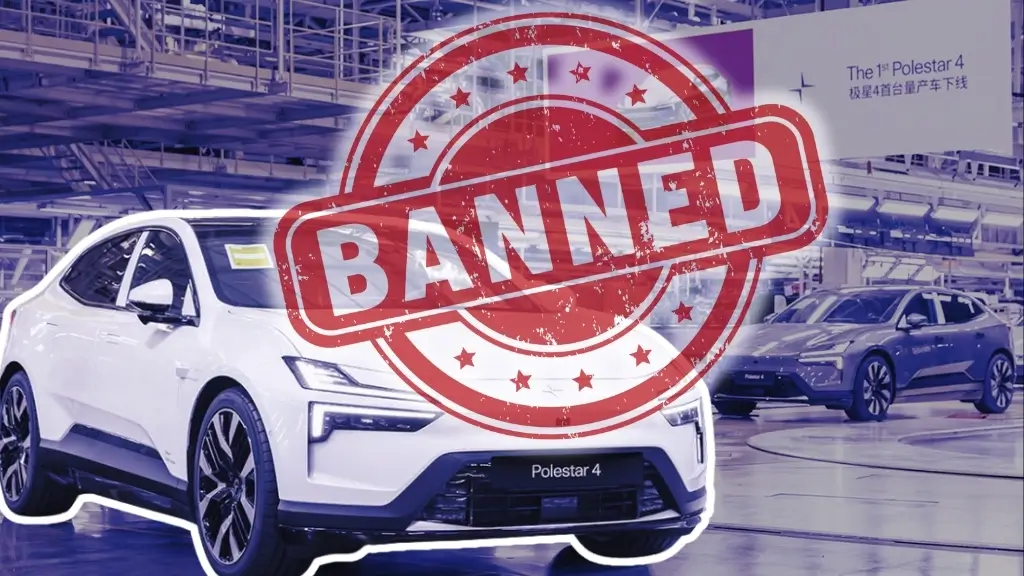
Sellers facing ownership-based restrictions have several legal strategies: (1) **Restructure ownership** by establishing US-based subsidiaries with independent governance and US board members; this reduces regulatory risk even if parent company is Chinese-owned. (2) **Implement supply chain transparency** by documenting all sourcing, manufacturing, and data handling practices; demonstrate compliance with national security concerns around data collection and supply chain vulnerabilities. (3) **Engage regulatory counsel** to monitor policy changes and prepare appeals if market access is restricted; Polestar's disparate treatment case suggests legal challenges are viable. (4) **Diversify business model** by shifting from DTC to marketplace platforms, which have standardized compliance frameworks. (5) **Form industry coalitions** to collectively challenge unfair restrictions and advocate for regulatory consistency. Sellers should also consider **tariff optimization strategies**: work with customs brokers to identify lower-tariff HS codes for products, explore tariff exemptions for specific categories, and investigate duty drawback programs for exported goods. Consult with trade attorneys within 60 days to develop a compliance roadmap tailored to your ownership structure and product categories.
**Amazon and eBay will likely implement stricter seller verification** for Chinese-owned or Chinese-linked companies in response to regulatory pressure. Platforms face liability if they facilitate sales of restricted products or enable market access for banned companies. Expect: (1) enhanced seller registration requirements asking for ownership structure and supply chain documentation, (2) increased account suspensions for sellers with unclear ownership, (3) mandatory compliance certifications for high-risk categories (automotive, batteries, tech). Sellers should proactively update their seller profiles with clear ownership documentation and supply chain transparency. For Amazon FBA, ensure all product listings include accurate country-of-origin and supplier information; misrepresentation could trigger account suspension. eBay sellers should verify compliance with new seller verification requirements within 30 days. Marketplace platforms may also implement geographic restrictions, preventing Chinese-owned sellers from accessing certain categories or regions. Sellers should contact platform support to clarify compliance requirements specific to their ownership structure and product categories.
Based on Polestar's timeline—prolonged negotiations followed by sudden ban—sellers should expect **policy announcements within 30-90 days** targeting additional Chinese-linked companies or sectors. The Trump administration typically announces major trade actions during policy windows (State of the Union, trade negotiations, quarterly reviews). Sellers should monitor: (1) USTR (US Trade Representative) announcements for new tariff investigations, (2) Commerce Department statements on national security reviews, (3) Congressional trade committee hearings. Immediate actions: lock in supplier pricing before tariff increases (typically effective 30-60 days after announcement), diversify supply chains within 90 days, and audit ownership structures by end of Q1 2025. High-risk categories include automotive (already targeted), batteries, semiconductors, consumer electronics, and data-collection devices. Sellers in these categories should accelerate sourcing diversification and consider tariff hedging strategies (forward contracts, inventory buildup before tariff effective dates).
The Polestar ban signals that **Chinese ownership creates supply chain risk**, prompting sellers to diversify sourcing away from Chinese-majority-owned suppliers. Sellers should immediately audit their supply chain: identify which components come from Chinese-owned manufacturers versus foreign-owned companies operating in China. Prioritize sourcing from Vietnam (lower regulatory scrutiny, growing manufacturing base), India (strategic US partnership, tariff advantages), Mexico (USMCA benefits, proximity to US), and Indonesia. For electronics and batteries—categories facing heightened national security scrutiny—shift 20-30% of sourcing to non-Chinese suppliers within 6 months. Calculate total cost of ownership (including tariffs, compliance costs, logistics): Vietnamese suppliers may cost 5-10% more but avoid tariff escalation and regulatory risk. Establish backup suppliers in multiple countries to reduce single-country dependency. Negotiate long-term contracts with non-Chinese suppliers now, before tariff increases and supply chain competition intensify.