




AI Attribution Impossibility Creates IP Liability Gap for E-Commerce Sellers Using AI Tools
- MIT research proves AI training data attribution undetectable; sellers face compliance uncertainty on AI-generated product content, images, and descriptions across Amazon, Shopify, and TikTok Shop


Overview
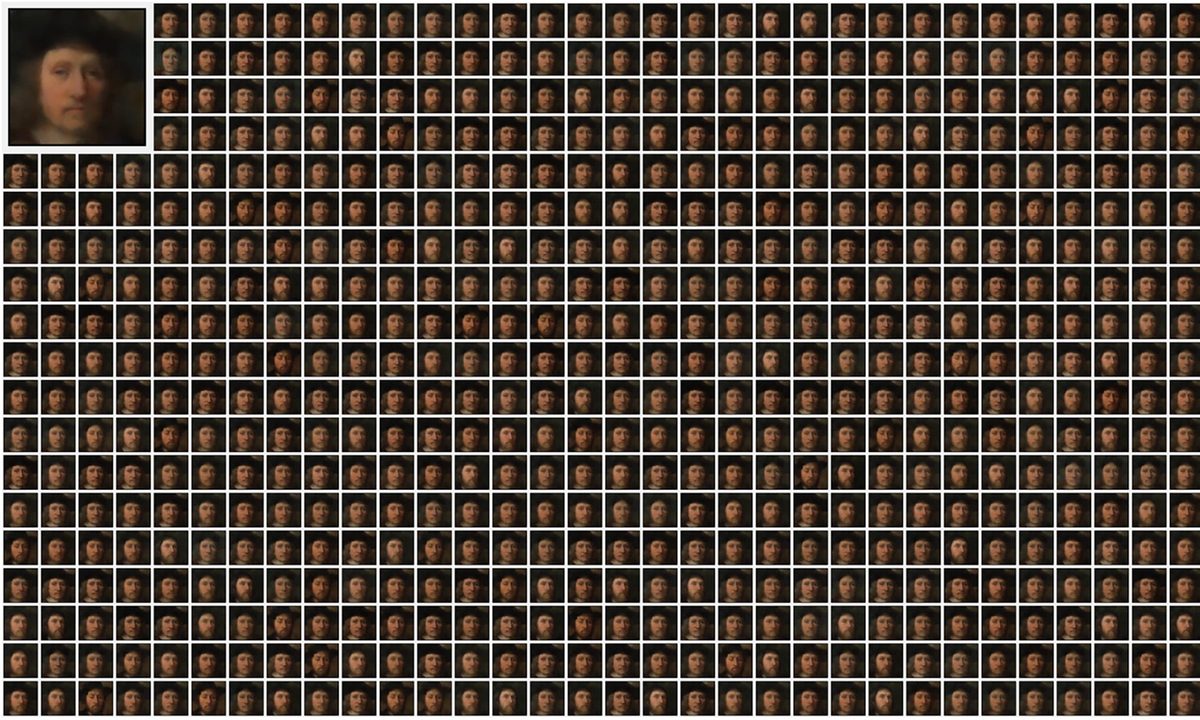
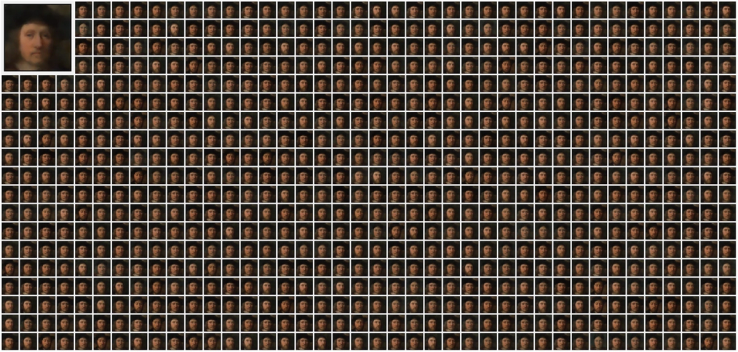
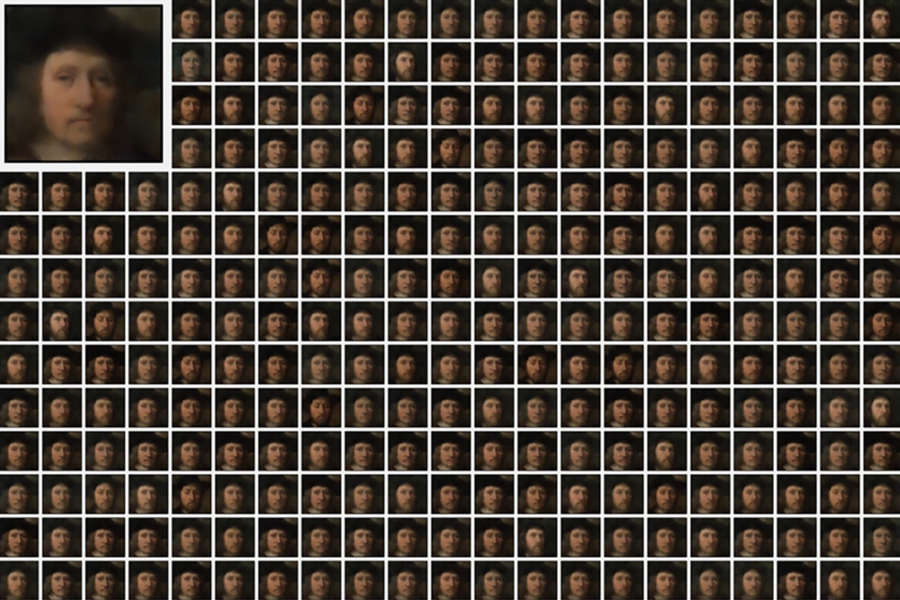
MIT researchers Zheng Dai and David Gifford published groundbreaking findings in Nature Communications demonstrating that proving specific artworks were used to train AI image generators is scientifically impossible. The study reveals "attribution decay"—as training datasets grow from hundreds to hundreds of thousands of images, tracing individual training images' influence on AI outputs becomes mathematically infeasible. Even removing an artist's entire body of work produces identical AI-generated results. Commercial diffusion models like Midjourney and Stable Diffusion operate at scales "many orders of magnitude larger," making attribution even more impossible. This creates a critical compliance crisis for cross-border e-commerce sellers.
For e-commerce sellers, this research fundamentally reshapes AI content strategy and IP liability exposure. Sellers using AI tools for product descriptions, lifestyle images, design work, and marketing content now face unquantifiable legal risk. The study demonstrates that current legal frameworks cannot definitively prove artwork theft through AI training, yet sellers cannot verify whether their AI-generated content infringes on artist rights. This creates a compliance paradox: sellers cannot prove their AI tools are "clean," nor can they prove they're not. Amazon, Shopify, and TikTok Shop sellers relying on AI-generated product photography, design elements, or content descriptions face potential takedown notices, account suspension, or litigation without recourse to technical verification. The research indicates future compliance will depend on "upstream data sourcing practices rather than downstream content verification"—meaning sellers must demand explicit consent documentation from AI tool providers, not rely on post-hoc attribution analysis.
The operational impact is immediate and severe for sellers in design-heavy categories. Sellers in apparel, home décor, graphic design, and digital products who use AI tools for product creation, mockups, or lifestyle imagery cannot verify IP compliance. The study's finding that attribution is "computationally complex and practically unfeasible" means sellers cannot audit their own AI-generated content for infringement. This creates a two-tier risk: (1) sellers using AI tools face unknown IP liability, and (2) sellers NOT using AI tools face competitive disadvantage as competitors scale content creation 10-100x faster. The research suggests regulatory frameworks requiring "explicit consent and compensation mechanisms" will emerge, potentially retroactively affecting sellers who've already deployed AI-generated content. For Amazon FBA sellers, this could trigger ASIN suppression or account health penalties if platforms implement AI content verification policies. Shopify sellers face similar risks if the platform adopts content authenticity requirements. The study underscores that unlike human artists who consciously reference specific works, diffusion models process entire training datasets simultaneously in "deeply mysterious" ways, making seller due diligence impossible with current tools.
Questions 8
What does 'attribution decay' mean for sellers using AI tools for product content?
Attribution decay means that as AI models train on increasingly large datasets (hundreds of thousands of images), it becomes impossible to trace which specific training images influenced the final AI output. MIT researchers demonstrated this by removing individual training images and measuring their impact—larger datasets showed zero detectable impact. For e-commerce sellers, this means: (1) you cannot audit whether your AI-generated product photos, mockups, or design elements incorporated copyrighted artwork, (2) AI tool providers cannot prove their models are 'clean,' and (3) current legal frameworks cannot definitively prove infringement. This creates unquantifiable IP liability for sellers in design-heavy categories like apparel, home décor, and digital products. Sellers should assume all AI-generated content carries unknown copyright risk and implement content verification policies beyond technical attribution analysis.
Can e-commerce sellers prove their AI-generated product images don't infringe on artist copyrights?
No. MIT research published in Nature Communications demonstrates that proving specific artworks were used to train AI models is scientifically impossible due to 'attribution decay.' As training datasets grow larger, tracing individual images' influence on AI outputs becomes mathematically infeasible. Even removing an artist's entire body of work produces identical AI-generated results. For sellers using Midjourney, Stable Diffusion, or similar tools, this means you cannot verify your AI-generated product images, descriptions, or designs are copyright-clean. The study indicates future compliance will require upstream data sourcing documentation from AI tool providers rather than downstream verification. Sellers should immediately request explicit consent and training data transparency from AI platforms before deploying generated content on Amazon, Shopify, or TikTok Shop.