



Apple Maps Ads Launch US/Canada | New Location-Based Channel for Sellers
- Early adopter pricing available now; privacy-first model disrupts Google Maps dominance; high-intent local search traffic opens for retail, food, services sellers



Overview
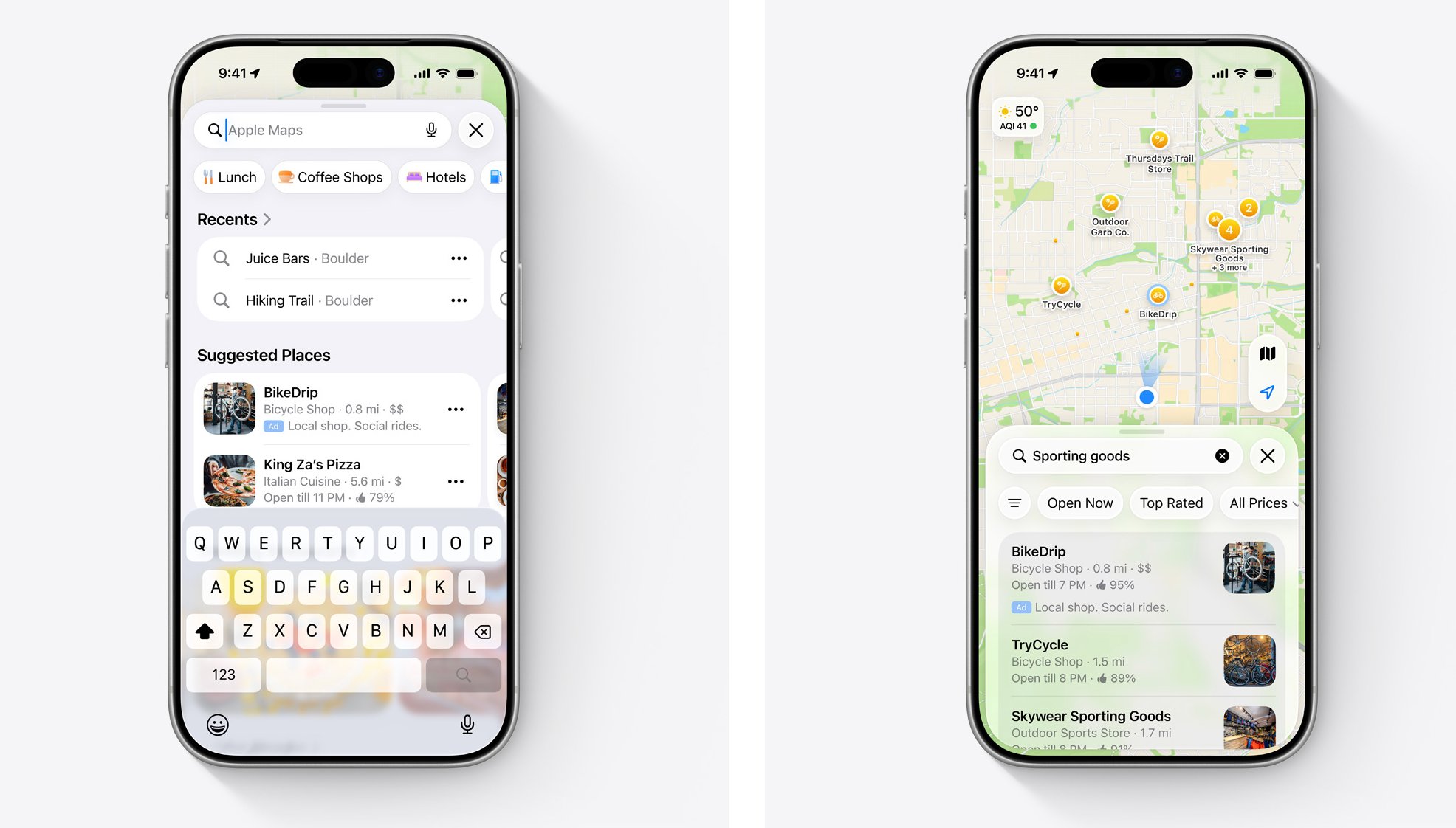
Apple Maps officially launched location-based advertising across the United States and Canada in late August 2024, marking a significant expansion into a market previously dominated by Google Maps. This represents a critical new advertising channel for e-commerce sellers, particularly those operating physical locations or local service businesses. The rollout positions Apple's privacy-first approach as a competitive differentiator—user location data and ad interactions are not linked to Apple Account identities, with personal data stored locally on devices and never shared with third parties. This contrasts sharply with Google's extensive cross-platform tracking model.
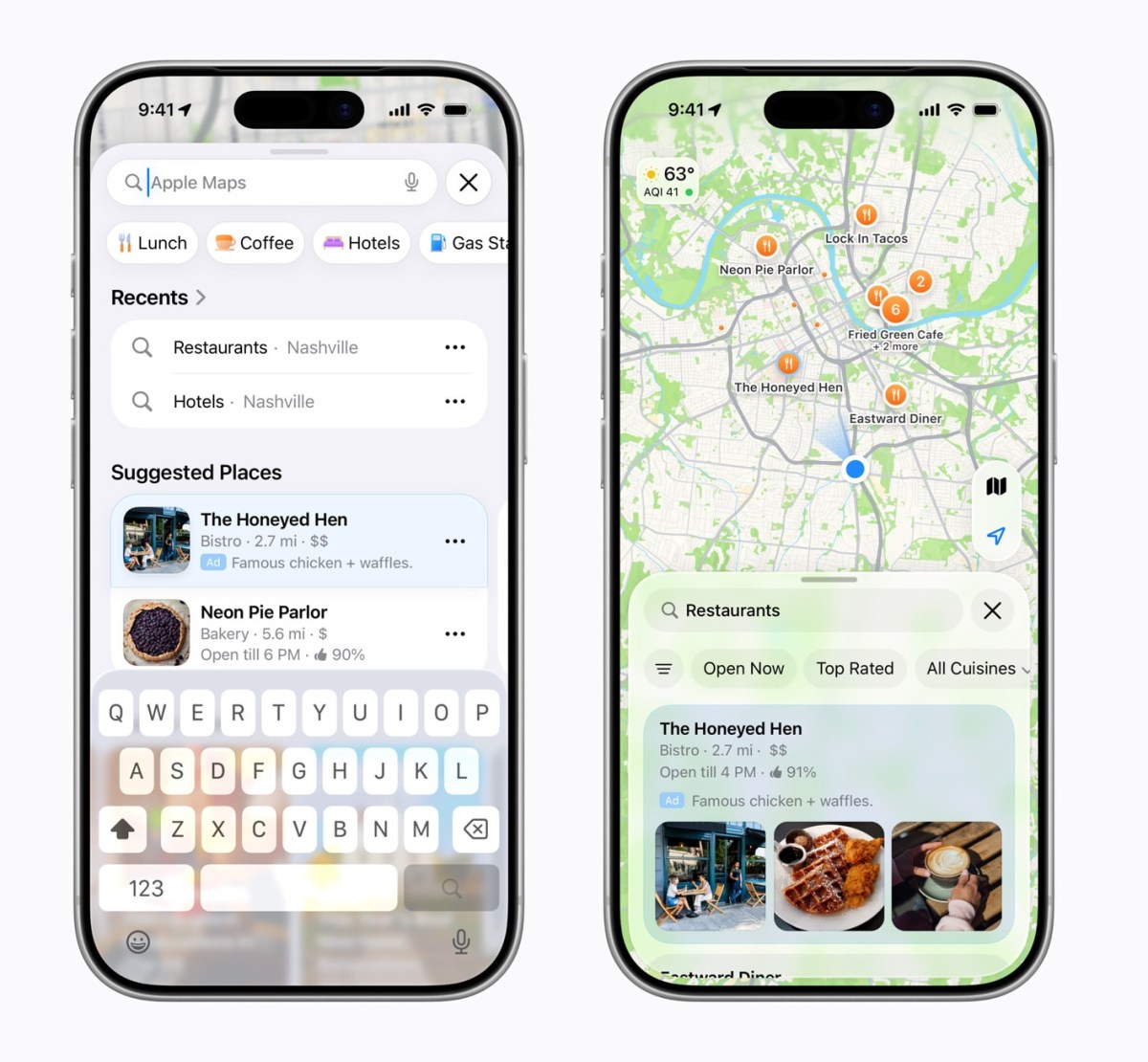
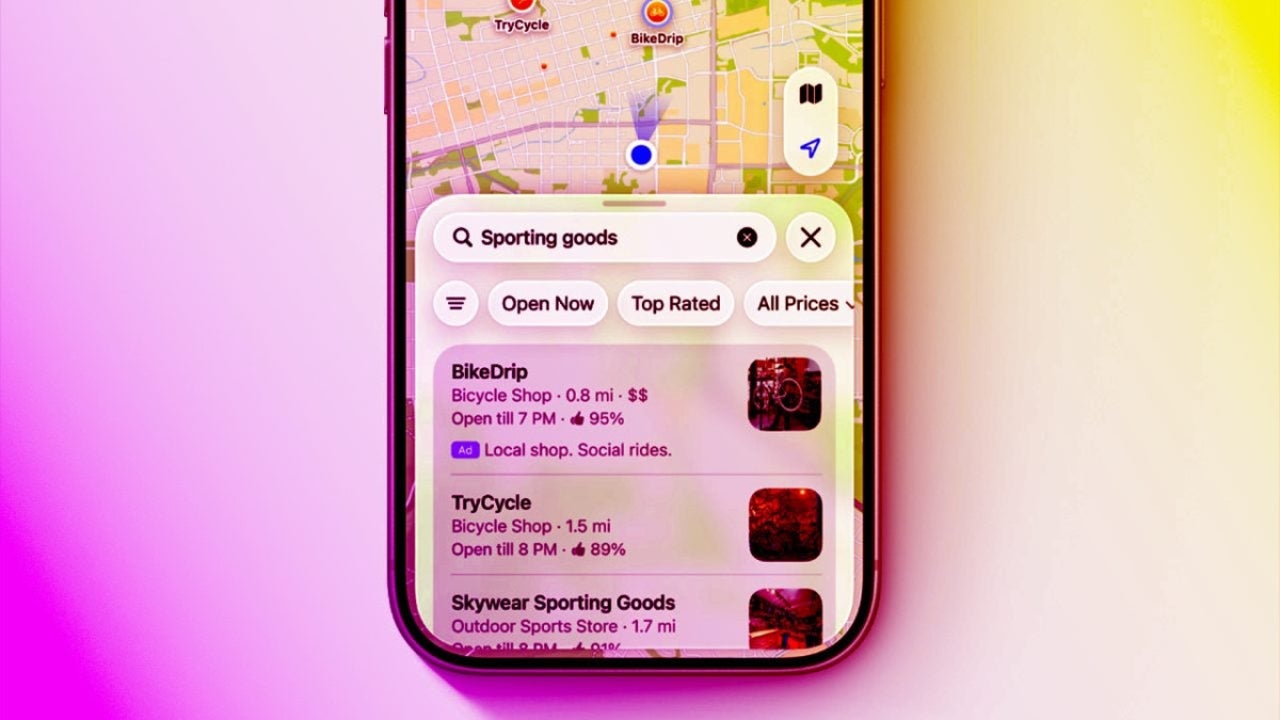
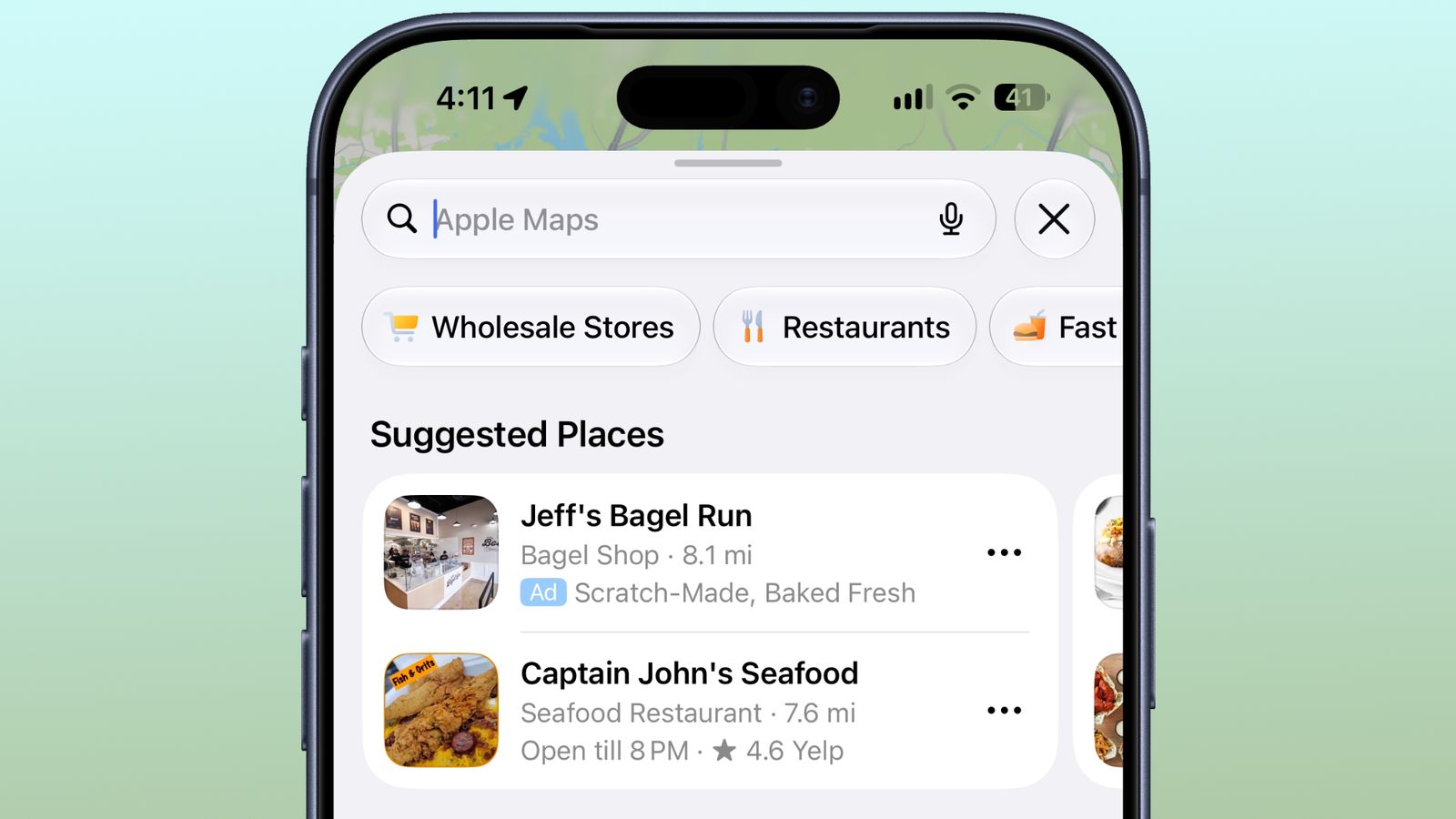
For sellers, the immediate opportunity lies in early-adopter promotional pricing currently available through Apple's phased rollout. Ads appear in two high-intent locations: the "Suggested Places" section before user searches and within search results when relevant to queries. Each ad is clearly marked with a blue "Ad" badge, maintaining transparency while integrating seamlessly into the Maps interface. This placement strategy targets users actively searching for services and locations—a high-conversion moment comparable to Google Local Services Ads or Google Maps search results. The phased geographic expansion allows sellers to test campaigns in initial markets before scaling nationally.
The strategic implication for cross-border and local sellers is substantial. Retail, food & beverage, home services, and local experience categories benefit most from location-based discovery. Unlike traditional e-commerce platforms (Amazon, Shopify), Apple Maps reaches consumers in the "micro-moment" when they're actively seeking nearby solutions. This creates arbitrage opportunities for sellers currently relying solely on Google Maps or Facebook/Instagram location targeting. Early adopters can establish brand presence and gather performance data before competition intensifies and pricing normalizes. The privacy-first model also appeals to privacy-conscious consumers, potentially improving conversion rates for sellers targeting this demographic.
Operationally, sellers should evaluate Apple Maps advertising as a complementary channel to existing paid search and social strategies. The promotional pricing window is time-limited, making immediate testing cost-effective. Sellers with multiple locations, service areas, or local inventory can leverage Maps ads to drive foot traffic and online conversions. The integration with Apple's ecosystem (iPhone, iPad, Apple Watch) provides access to a high-income demographic with strong purchasing power—particularly valuable for premium retail, luxury services, and high-ticket local experiences.
Questions 7
What is Apple Maps advertising and where do ads appear for users?
Apple Maps advertising launched in late August 2024 across the US and Canada, with ads appearing in two primary locations: the 'Suggested Places' section before users search, and within search results when relevant to queries. Each ad is marked with a blue 'Ad' badge for transparency. This targets high-intent moments when users actively search for services and locations, similar to Google Local Services Ads. The phased rollout continues expanding across regions, with promotional pricing available for early adopters testing campaigns now.
How should sellers integrate Apple Maps ads into their existing marketing strategy?
Apple Maps advertising should complement existing paid search (Google Ads), social media (Facebook/Instagram), and e-commerce platform strategies. Sellers should test Apple Maps ads during the promotional pricing window to evaluate performance and ROI before scaling. For multi-location businesses, Maps ads drive foot traffic while retargeting campaigns on other platforms convert browsers to buyers. The high-intent nature of Maps searches makes it valuable for capturing consumers in the 'micro-moment' when they're ready to purchase or visit.