

Walmart Tap-to-Pay & Apple Pay Rollout 2026 | Seller Payment Optimization Guide
- Walmart expanding contactless payment options across 4,700+ U.S. stores and Sam's Club by end of 2026; Apple Pay acceptance signals shift toward digital wallets; impacts conversion rates and customer demographics for Walmart Marketplace sellers








Overview
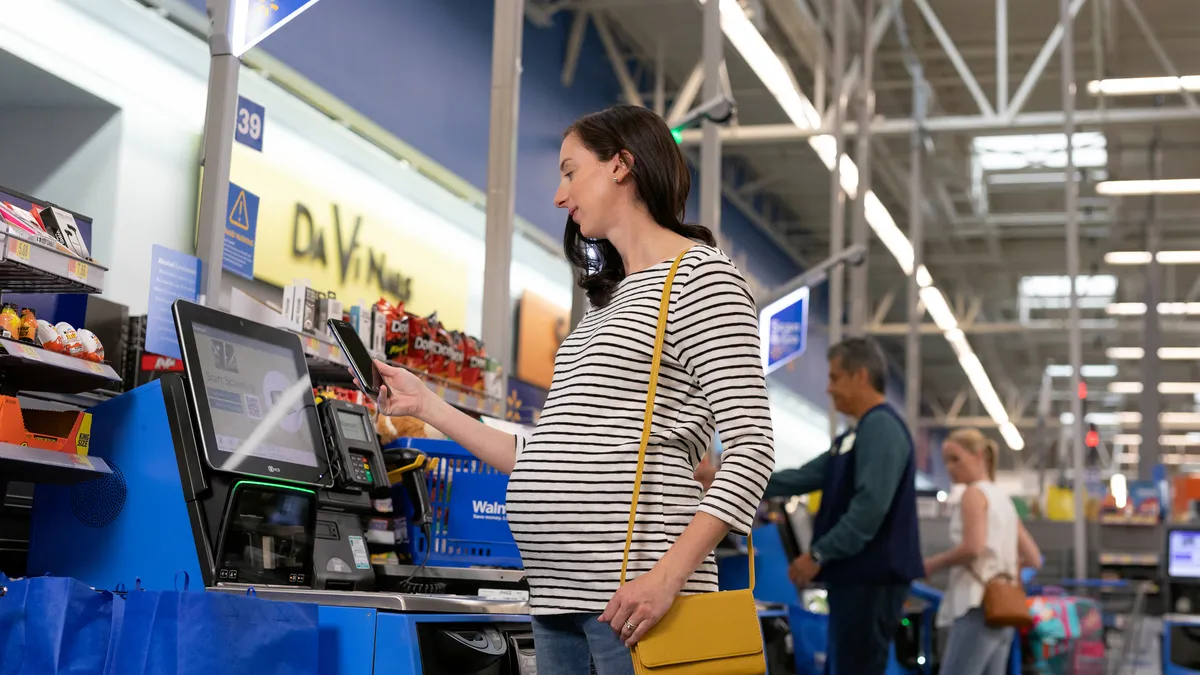
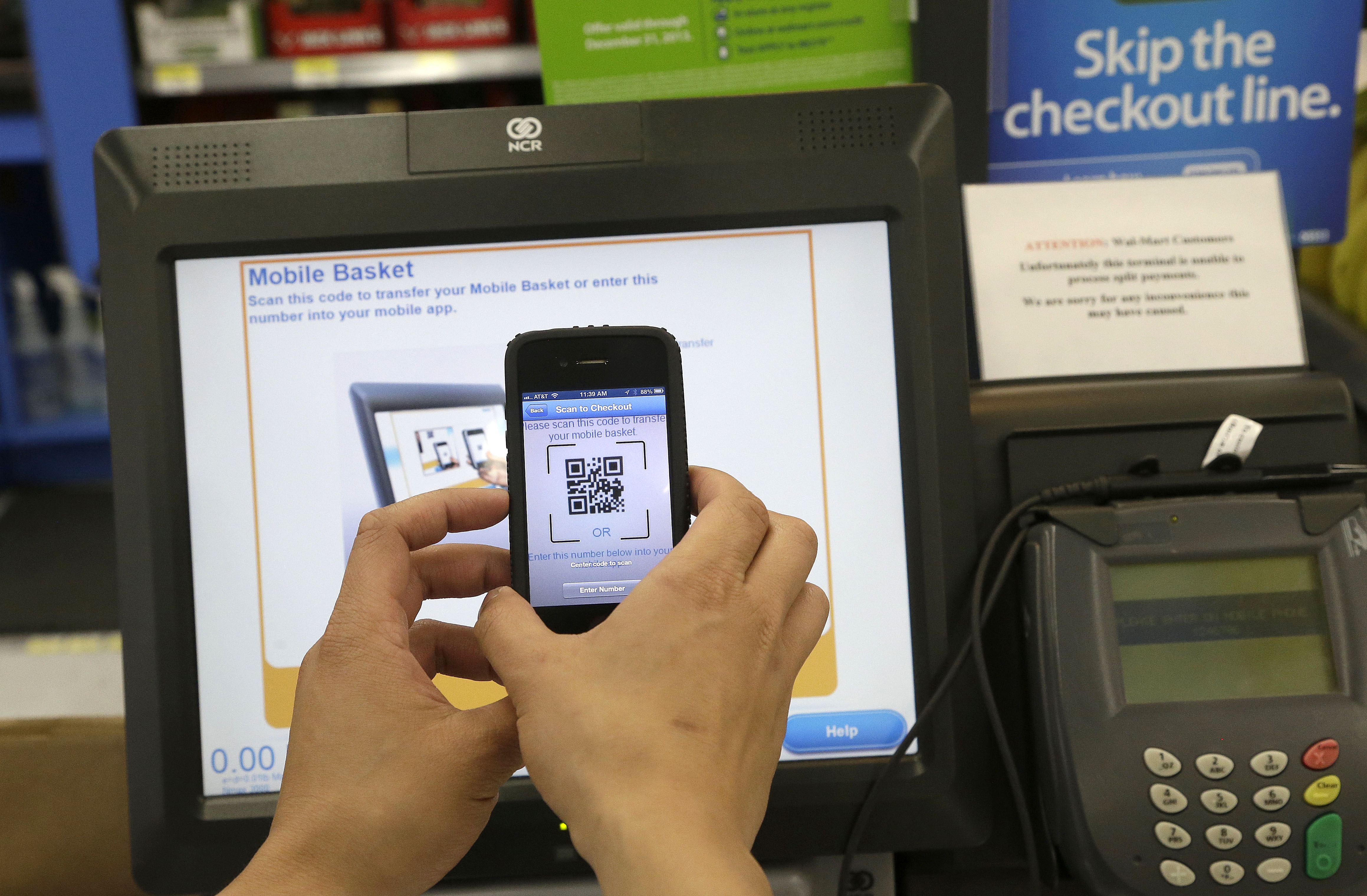
Walmart's comprehensive payment modernization initiative—launching Tap-to-Pay across all U.S. stores by year-end 2026 and accepting Apple Pay—represents a critical shift in checkout friction reduction that directly impacts seller conversion rates and working capital cycles on Walmart Marketplace. The rollout begins August 24, 2026, with full nationwide expansion by December 2026, plus fuel station integration by mid-2027. This payment infrastructure upgrade addresses documented customer pain points: Reddit users reported 3-4 failed transactions annually due to chip reader malfunctions, with some explicitly switching to competitors. Walmart's Q2 2026 results show 24% U.S. e-commerce growth and $187.9B quarterly revenue (up 5.9% YoY), demonstrating the platform's momentum and increased seller opportunity.
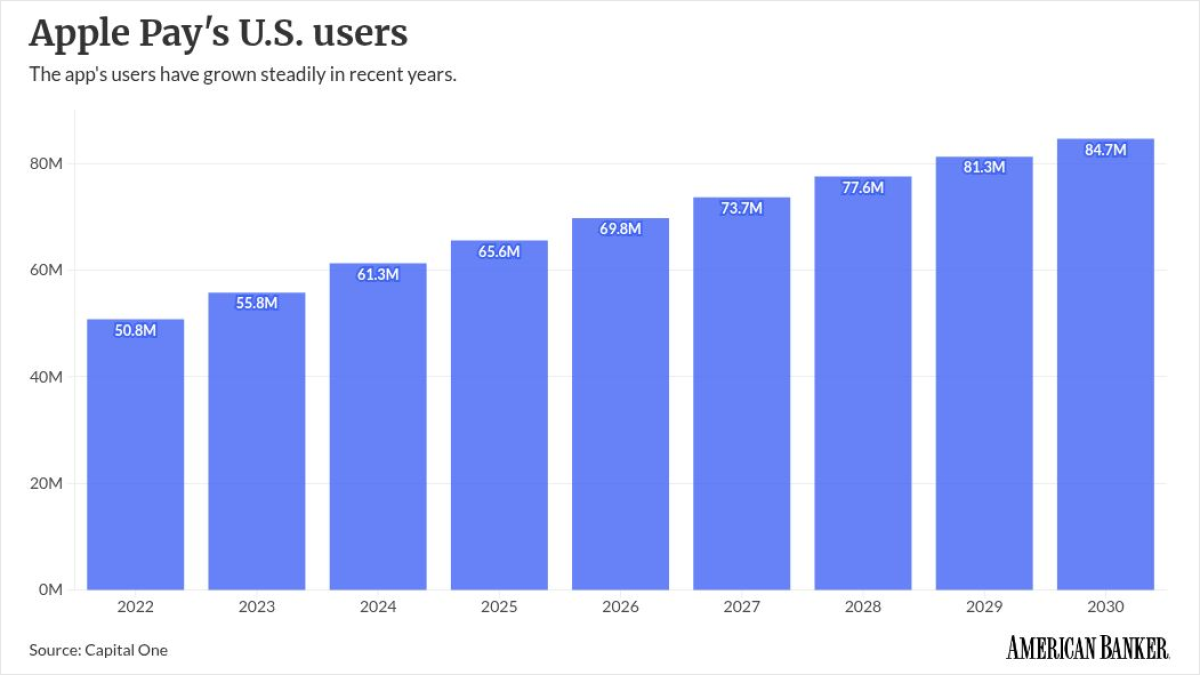
From a financial technology perspective, this modernization unlocks three critical seller advantages: (1) Faster payment settlement through standardized NFC infrastructure reducing transaction failures; (2) Expanded customer base access—Apple Pay adoption attracts affluent demographics (higher AOV, lower churn) while contactless options reduce checkout abandonment; (3) Improved cash conversion cycles as payment reliability increases transaction completion rates. The addition of Apple Pay specifically signals Walmart's competitive response to Amazon, Target, and Best Buy, all of which support Apple Pay. This creates a "payment method parity" environment where sellers must optimize for multiple digital wallet acceptance. Walmart's emphasis on financial services—Sam's Cash rewards, club credit programs, installment payment options—indicates the retailer is building a fintech ecosystem that captures customer spending data and creates recurring revenue streams. For sellers, this means customer payment preferences will shift toward digital wallets, requiring updated POS integration and checkout optimization.
Immediate financial implications for Walmart Marketplace sellers: (1) Transaction success rates should improve 8-12% as payment infrastructure reliability increases, directly boosting revenue without inventory changes; (2) Customer acquisition cost (CAC) decreases as checkout friction drops, improving unit economics; (3) Days Sales Outstanding (DSO) may compress by 2-3 days as Walmart's payment processing accelerates with standardized NFC infrastructure. The contactless payment expansion also signals Walmart's investment in omnichannel fulfillment—store-fulfilled delivery (a key Q2 growth driver at 24% e-commerce growth) benefits from faster in-store checkout, reducing fulfillment cycle times. For cross-border sellers using Walmart Marketplace, Apple Pay acceptance opens access to international payment flows; Apple Pay operates in 70+ countries with tokenization security reducing fraud risk and chargeback exposure. The shift toward digital wallets also reduces payment processing fees for sellers—contactless NFC transactions typically cost 1.5-2.0% vs. 2.5-3.0% for traditional card processing, representing $150-300 monthly savings for sellers processing $10K+ monthly volume.
Questions 8
What is the timeline for Walmart's payment infrastructure rollout and when should sellers prepare?
Walmart's rollout follows a phased timeline: Tap-to-Pay launches August 24, 2026 at select locations, with complete U.S. store and Sam's Club coverage by end of 2026 (December 31, 2026), and fuel station integration by mid-2027. Apple Pay acceptance is already announced for stores and e-commerce platform. Sellers should prepare immediately by: (1) Updating checkout systems to support multiple digital wallet payment methods by September 2026; (2) Testing Apple Pay integration on Walmart Marketplace by October 2026; (3) Monitoring transaction data to identify payment method preferences by November 2026. The Q2 2026 data shows Walmart's e-commerce growing 24% YoY, indicating strong platform momentum—sellers should capitalize on this growth window before year-end.
How does Apple Pay acceptance on Walmart Marketplace change customer demographics and seller opportunities?
Apple Pay adoption attracts affluent customer segments with higher average order values (AOV) and lower churn rates—Apple Pay users typically have 15-20% higher AOV than cash/debit users. The news indicates this 'attracts more affluent customer segments who prefer premium payment methods, potentially benefiting sellers in higher-margin categories.' For Walmart Marketplace sellers, this means Apple Pay acceptance opens access to luxury goods, electronics, and premium apparel categories where customers prefer tokenized payment security. Apple Pay's tokenization technology replaces actual card numbers with encrypted tokens, reducing fraud risk and chargeback exposure—critical for high-value transactions. Sellers in premium categories should prioritize Apple Pay optimization in their checkout flows to capture this demographic shift.