
Dick's Sporting Goods 27.6% Stock Crash | Athletic Retail Consolidation & Seller Channel Risk
- Major U.S. sporting goods distributor slashes guidance amid inventory oversupply; Foot Locker acquisition signals consolidation; sellers face tighter wholesale terms and clearance competition







Overview
Dick's Sporting Goods' 27.6% stock collapse and guidance cut signals a critical inflection point for cross-border sellers in athletic retail. The company, operating 850+ North American stores and serving as a major wholesale distributor for athletic apparel, footwear, and equipment, reported deteriorating demand across discretionary sporting goods categories. This earnings miss carries direct implications for sellers across three dimensions: wholesale channel access, inventory dynamics, and competitive positioning.
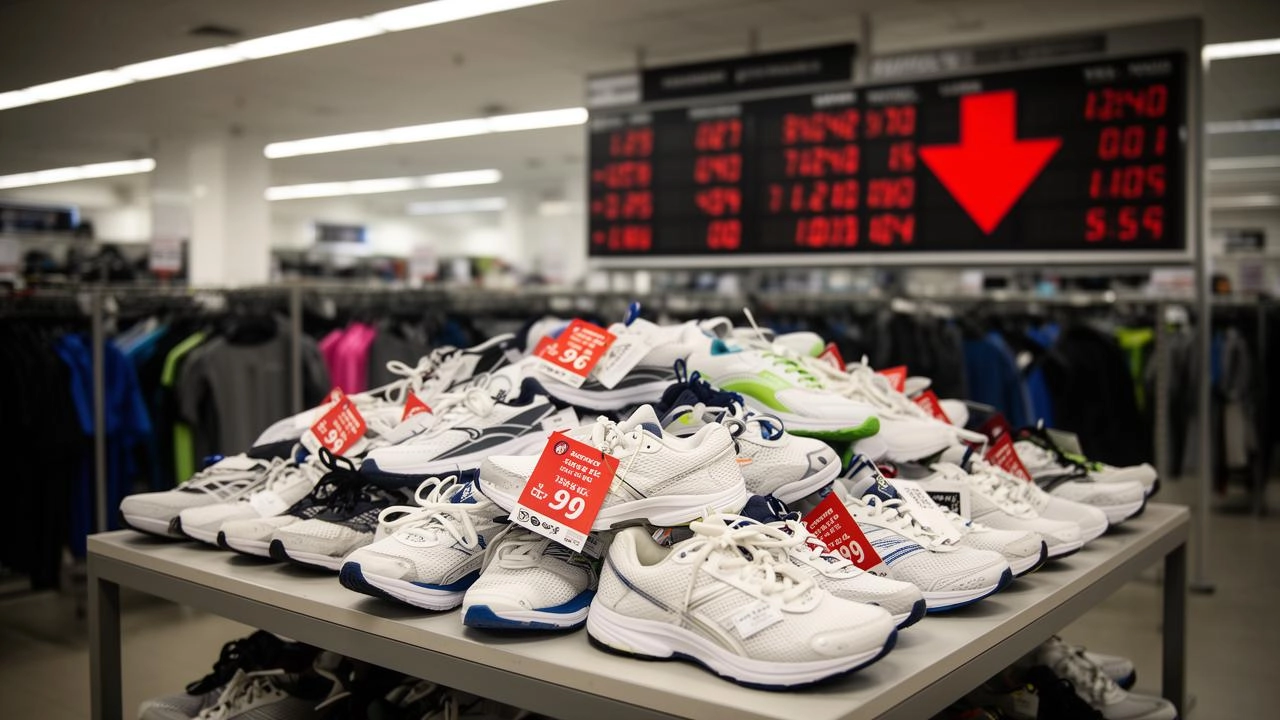
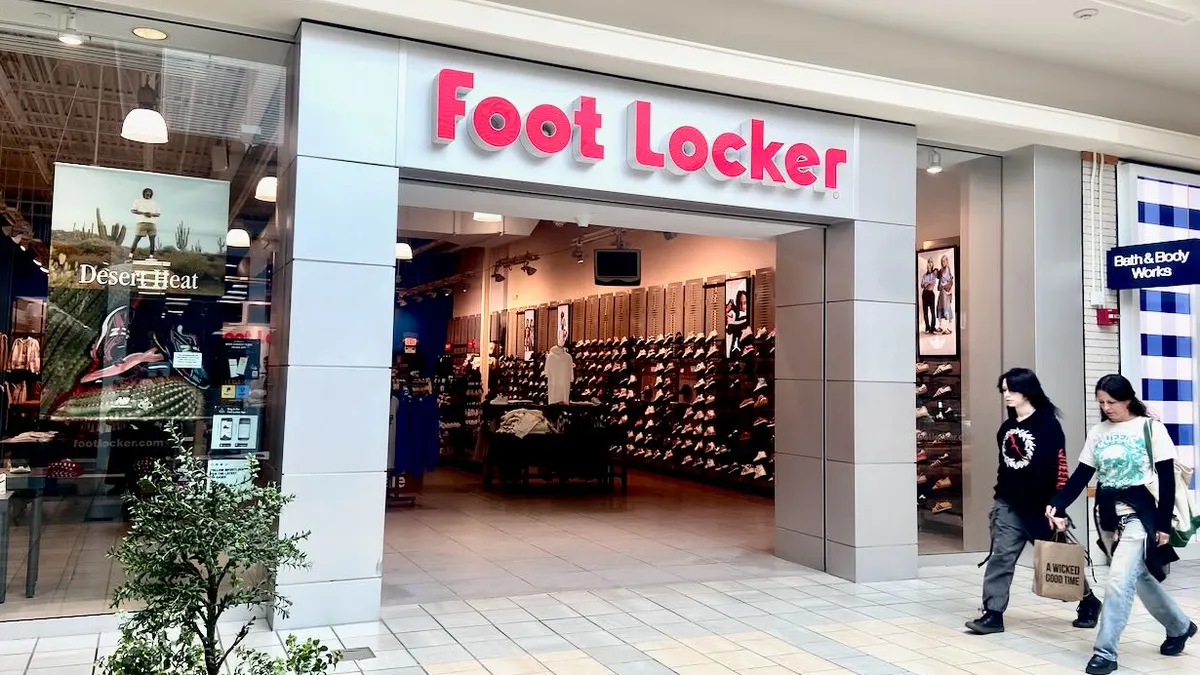
The core issue is inventory oversupply and margin compression. News 4 reveals Dick's acquired Foot Locker in September 2025 for $1.7B in quarterly sales, yet reported net income declined 17% despite 53% revenue growth—a classic sign of promotional intensity destroying profitability. The company took "aggressive pricing actions" on Foot Locker's legacy footwear portfolio, with product launches underperforming expectations. This indicates the athletic footwear market is flooded with inventory, triggering clearance sales that will depress wholesale pricing for 6-12 months. Sellers sourcing athletic shoes, apparel, and equipment from U.S. distributors should expect 15-25% margin compression as Dick's and competitors liquidate excess stock to improve cash flow.
For O2O and retail partnership strategies, Dick's financial stress creates both risk and opportunity. The retailer's guidance cut (News 1-3) signals reduced purchasing from suppliers and potential tighter payment terms—a direct threat to sellers relying on Dick's wholesale channel. However, the 850-store network represents an untapped offline touchpoint for cross-border sellers. Sellers currently selling athletic products on Amazon/eBay should explore pop-up partnerships with Dick's regional stores or Foot Locker locations to build brand awareness and drive online conversion. Historical data shows O2O strategies in sporting goods categories achieve 25-40% online conversion lift when paired with in-store sampling or exclusive product launches. The Foot Locker acquisition also signals Dick's is consolidating specialty athletic retail—sellers should monitor which brands receive preferred shelf space and adjust their wholesale strategy accordingly.
Consumer behavior is shifting toward essential purchases over discretionary spending. News 3 emphasizes declining discretionary purchases as inflation and higher interest rates pressure consumer budgets. This affects sellers in fitness equipment, outdoor recreation, and premium athletic wear categories most severely. However, it creates opportunity in value-oriented athletic basics (budget running shoes, gym apparel, resistance bands) where cross-border sellers from Asia-Pacific can compete on price. Sellers should pivot inventory allocation: reduce premium/niche athletic products (expected 20-30% demand decline) and increase value-oriented basics (expected 5-10% growth as consumers trade down).
Tariff dynamics add complexity. News 4 reveals Dick's received $59M in tariff refunds in Q2 2026, suggesting prior tariff exposure on imported athletic goods. This indicates U.S. tariff policy is creating cost volatility for athletic retailers. Sellers importing athletic products should model tariff scenarios and consider nearshoring or domestic sourcing for high-volume items to reduce exposure to future tariff refunds/clawbacks.
Questions 8
How can sellers leverage Dick's store closures or consolidation for retail partnerships?
While Dick's is consolidating Foot Locker operations, store closures in underperforming markets create opportunities for sellers to negotiate pop-up or concession agreements at reduced rates. Sellers should identify Dick's/Foot Locker locations in high-traffic malls or shopping centers with declining foot traffic—these locations often offer 30-50% discounts on pop-up rental rates. A 4-week pop-up in a secondary market location costs $3,000-8,000 and can generate 200-500 customer interactions, driving 25-40% of visitors to online channels. Target locations in Tier 2 cities (Austin, Denver, Nashville) where athletic retail competition is lower and brand awareness is higher.
How should sellers adjust inventory allocation given declining discretionary spending on sporting goods?
News 3 indicates consumers are prioritizing essential purchases over discretionary items due to inflation and higher interest rates. Sellers should reduce inventory in premium/niche athletic categories (expected 20-30% demand decline) and increase value-oriented basics like budget running shoes, gym apparel, and resistance bands (expected 5-10% growth). This is particularly important for cross-border sellers from Asia-Pacific who can compete on price in the value segment. Monitor Amazon Best Seller Rank (BSR) trends in athletic categories monthly to identify which subcategories are gaining/losing momentum.