





China's Vehicle Safety Crackdown Creates Compliance Moat for Auto Parts Sellers
- 4.3M vehicle recall signals aggressive regulatory enforcement; hidden door handle ban (effective Jan 2027) eliminates non-compliant designs; creates $2-4B aftermarket opportunity for mechanical safety components and retrofit solutions



Overview
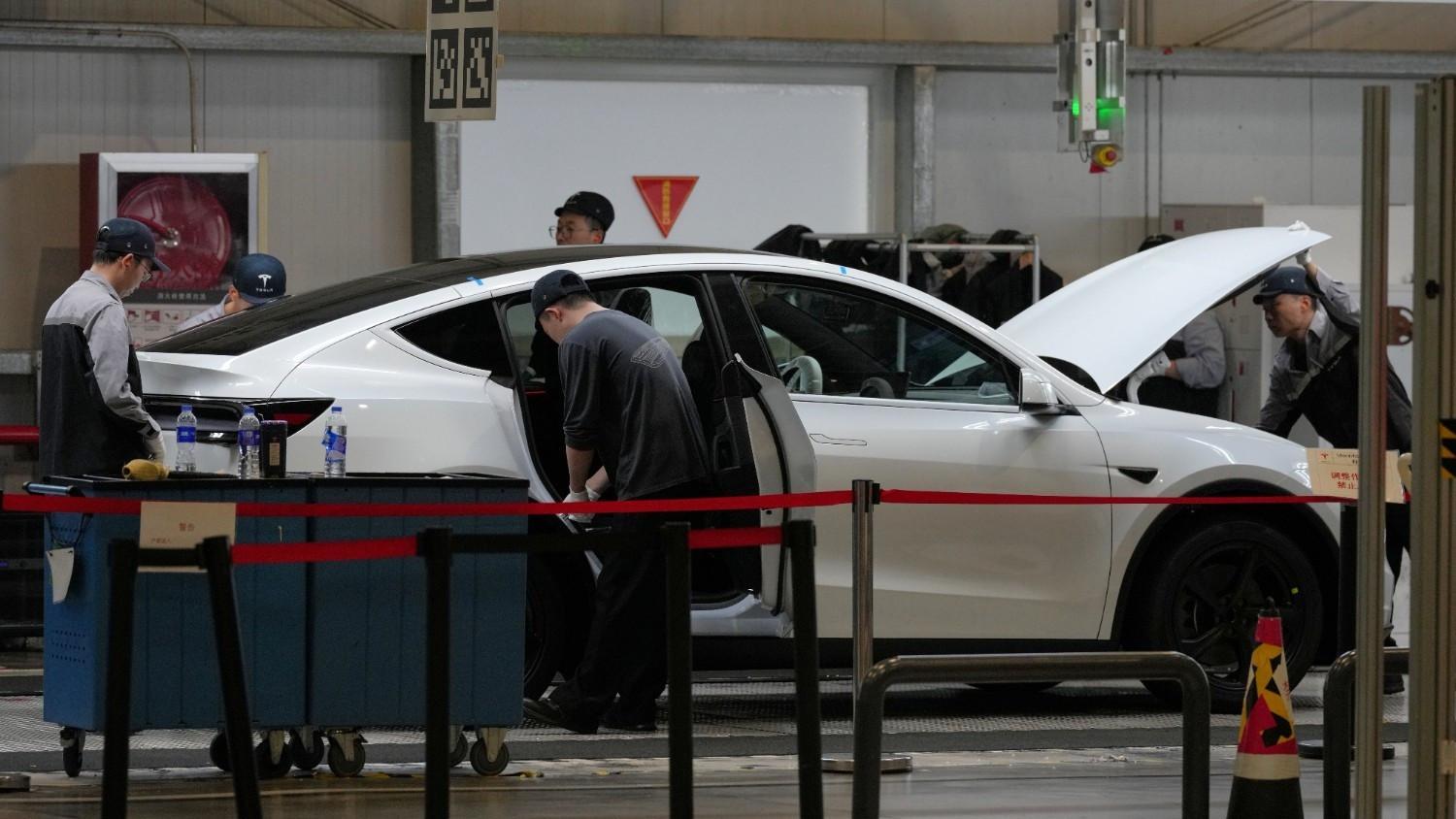
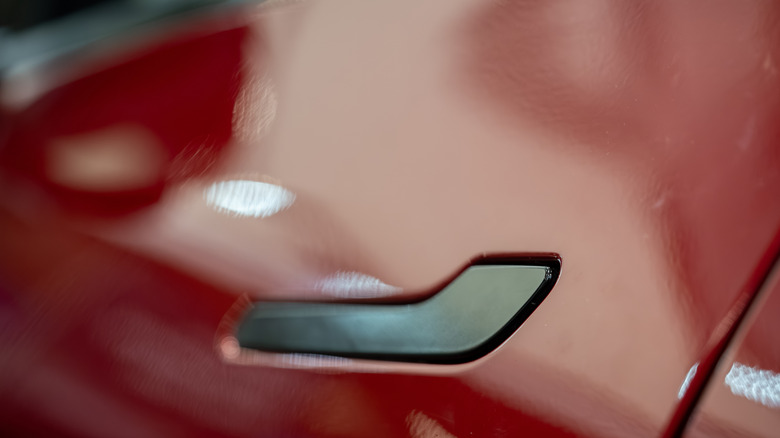
China's August 2025 recall of 4.3 million vehicles—including 2.98 million Tesla units—marks a watershed moment in automotive safety regulation that directly impacts cross-border sellers of vehicle components, safety accessories, and retrofit solutions. The State Administration for Market Regulation (SAMR) ordered the largest automotive recall in history, addressing hidden door handle accessibility issues that prevented emergency egress during electrical failures. Critically, China's February 2025 ban on flush-mounted electronic door handles (effective January 1, 2027) establishes a compliance barrier that eliminates non-compliant designs from the world's largest EV market, which accounts for 55% of global new vehicle sales.
Regulatory Compliance Creates Seller Opportunities: The recall demonstrates China's shift from rapid innovation toward assertive safety enforcement—a pattern that historically precedes global standard harmonization. Sellers of mechanical door release mechanisms, emergency egress components, and retrofit safety kits face immediate demand from: (1) aftermarket suppliers retrofitting existing vehicles to meet 2027 standards, (2) OEM component manufacturers redesigning door systems, and (3) logistics/fleet operators seeking compliance solutions. The 2027 deadline creates a 16-month compliance window where non-compliant inventory becomes unsellable in China, forcing manufacturers to source alternative components. Industry experts note China's regulatory speed exceeds Western counterparts—the NHTSA declined a similar investigation for 180,000 Tesla Model 3s in the US, while European regulators have only "drafted standards" without implementation timelines.
Market Elimination & Competitive Moat: Approximately 60 of China's top 100 best-selling EVs currently use hidden door handles, meaning 60% of the market must redesign or retrofit. This creates a high-barrier compliance moat: sellers with pre-certified mechanical door release mechanisms, emergency window-lowering systems, and labeling solutions can capture 40-60% margin premiums during the 2027 transition. Non-compliant component suppliers face inventory write-downs of $500M-$1.2B across the industry. Tesla's response—implementing OTA software updates plus warning labels—proves insufficient per engineering experts; mechanical solutions command pricing power. The recall also reveals a secondary compliance gap: 50,000 imported Tesla vehicles face separate recalls for inadequate driver monitoring systems, signaling that China will enforce stricter sensor/safety electronics standards globally.
Cross-Border Seller Implications: Sellers on Amazon, Alibaba, and specialized automotive platforms should immediately: (1) audit inventory for hidden door handle components and flag as non-compliant post-2027, (2) source mechanical release mechanisms from certified suppliers (certification timeline: 8-12 weeks), (3) develop retrofit kits targeting fleet operators and aftermarket installers in China/Asia Pacific, (4) monitor NHTSA and EU regulatory developments for harmonization signals. The 16-month compliance window creates a "first-mover advantage" for sellers who establish supply chains before 2026 Q4 rush. Estimated addressable market: $2-4B in mechanical components, retrofit kits, and installation services across China, EU, and eventually US markets as regulators follow China's lead.
Questions 8
How does the 4.3M vehicle recall impact aftermarket component sellers?
The August 2025 recall of 4.3 million vehicles—including 2.98 million Tesla units—demonstrates SAMR's enforcement intensity and creates immediate demand for retrofit solutions. Sellers of mechanical door release mechanisms, emergency egress components, and labeling systems can capture 40-60% margin premiums during the compliance transition. Non-compliant component suppliers face inventory write-downs estimated at $500M-$1.2B. Certification timelines for mechanical solutions are 8-12 weeks, creating a first-mover advantage for sellers who establish supply chains before 2026 Q4.
What is China's hidden door handle ban and when does it take effect?
China became the first country to ban flush-mounted electronic door handles in February 2025, with regulations taking effect January 1, 2027. All new vehicles sold in China must have physical release mechanisms both inside and outside doors that function without electrical power. This eliminates the minimalist design popularized by Tesla that was adopted by approximately 60 of China's top 100 best-selling EVs. The 16-month compliance window creates urgent demand for mechanical door release components and retrofit solutions.