






Rising US Mortgage Rates Trigger Consumer Spending Contraction | E-Commerce Demand Shift Alert
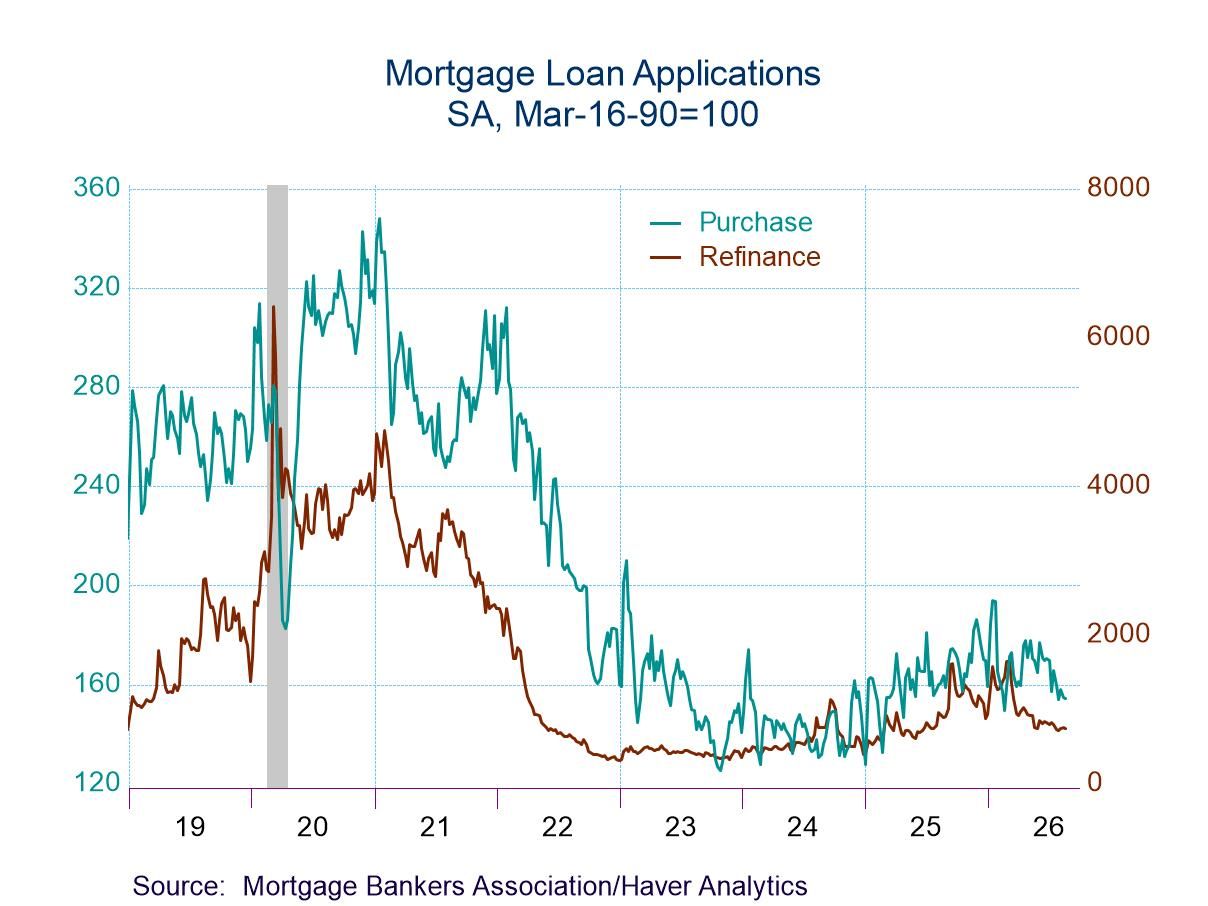
- 30-year mortgage rates hit 6.78% (August 2026), mortgage applications down 5% YoY, pending home sales decline 2.3% MoM—signals weakening consumer purchasing power across discretionary categories































Overview
Elevated mortgage rates are reshaping consumer spending patterns with direct implications for e-commerce sellers. As of August 26, 2026, the 30-year fixed-rate mortgage reached 6.78% (up from 6.77% the prior week), with the Mortgage Bankers Association forecasting rates to remain between 6.60-6.70% through year-end, while Fannie Mae predicts 6.70-6.80% for the remainder of 2026. This rate environment has triggered a significant contraction in housing demand: mortgage applications fell 5% year-over-year, the Purchase Index declined 0.3% weekly and 5% annually, and pending home sales dropped 2.3% month-over-month and 2.2% year-over-year. FHA applications specifically fell 7%, indicating reduced first-time homebuyer activity. These metrics signal a critical shift in consumer financial capacity and discretionary spending behavior.
For e-commerce sellers, elevated mortgage rates compress consumer disposable income and shift purchasing priorities. Homebuyers facing 6.78% mortgage rates experience $150-250 higher monthly payments per $100K borrowed compared to 2021 rates (3.1%), reducing available capital for discretionary purchases. This directly impacts categories dependent on consumer confidence and discretionary spending: home décor, furniture, appliances, electronics, and lifestyle products. Sellers in these categories should expect 8-15% demand contraction in Q3-Q4 2026, particularly among middle-income households (household income $50K-$150K) who represent 40-50% of Amazon and eBay discretionary category volume. The National Association of Realtors data shows home prices remain at record highs while buyer activity declines—a classic demand destruction scenario that historically precedes broader consumer spending pullbacks.
Financial optimization becomes critical as consumer purchasing power weakens. Sellers should immediately evaluate working capital efficiency: with consumer demand contracting, inventory turnover will slow, requiring aggressive cash flow management. Consider invoice financing or supply chain financing to reduce Days Sales Outstanding (DSO) by 15-20 days, unlocking $50K-$200K in working capital per $1M in monthly revenue. Additionally, monitor FX opportunities: if mortgage rate increases trigger USD strength (historically correlated), sellers with China/Vietnam sourcing can benefit from 2-4% cost reductions on COGS through favorable exchange rates. Lock in supplier pricing now before potential currency appreciation. For sellers with cross-border operations, evaluate payment method optimization—ACH and wire transfers become more attractive than credit card processing (2.9% + $0.30 fees) when cash flow tightens, potentially saving $3K-$15K monthly on $500K+ transaction volumes.
Questions 8
What immediate cash flow actions should sellers take given mortgage rate headwinds?
Sellers should implement three immediate actions: (1) Activate invoice financing or supply chain financing to reduce DSO by 15-20 days, unlocking $50K-$200K working capital per $1M monthly revenue; (2) Shift payment methods from credit card processing (2.9% + $0.30 fees) to ACH/wire transfers, saving $3K-$15K monthly on $500K+ volumes; (3) Reduce inventory SKU count by 20-30% to accelerate turnover and minimize storage fees. With mortgage applications down 5% YoY and pending home sales declining 2.3% MoM, consumer demand will soften—aggressive working capital management becomes essential to maintain cash runway.
How do rising mortgage rates directly impact e-commerce seller demand?
Rising mortgage rates reduce consumer disposable income by $150-250 monthly per $100K borrowed, directly compressing discretionary spending on home goods, furniture, electronics, and lifestyle products. The August 2026 rate of 6.78% represents a 3.68% increase from 2021 lows, translating to $36,800 additional interest costs over 30 years on a $300K mortgage. Sellers in discretionary categories should expect 8-15% demand contraction as consumers prioritize housing costs over non-essential purchases. This effect is most pronounced among middle-income households ($50K-$150K annual income), which represent 40-50% of Amazon and eBay discretionary volume.