





US Stagflation Signals 2024 | Cross-Border Sellers Face 6.4% Cost Inflation
- Q2 GDP Price Index jumps to 6.4% while growth stalls at 1.5%, triggering immediate working capital pressure and FX hedging opportunities for international sellers






Overview
The U.S. economic data released in Q2 2024 presents a critical inflection point for cross-border e-commerce sellers: stagflation is materializing. GDP growth decelerated to 1.5% (down from Q1's 2.1%), while the GDP Price Index unexpectedly surged to 6.4%—exceeding economist forecasts of 6.2%. Simultaneously, core PCE inflation rose 0.2% monthly (3.3% annually), and headline inflation climbed to 3.7% annually, all while personal spending growth slowed to 0.2% in July. This combination signals sticky inflation persisting despite economic stagnation, creating a dual squeeze on seller margins.
Financial Impact on Cross-Border Operations: The 6.4% GDP Price Index jump directly translates to rising operational costs across supply chains—manufacturing inputs, logistics, and fulfillment services are all experiencing accelerated inflation. For sellers importing goods from Asia or manufacturing in China, this stagflation environment creates immediate FX arbitrage opportunities. The U.S. dollar typically strengthens during stagflation fears (as investors flee risk), but the Fed's tightening bias—highlighted by new Fed Chairman Kevin Warsh's focus on addressing five years of missed inflation targets—suggests rate hikes may continue despite weak growth. This creates a window for sellers to lock in favorable USD/CNY, USD/INR, and USD/VND rates through forward contracts before the dollar peaks. Sellers with USD-denominated costs should hedge immediately; those with CNY/INR costs should delay hedging to capture further depreciation.
Working Capital Crisis & Financing Urgency: Personal income jumped 0.4% in July (beating 0.2% forecasts), but personal spending growth lagged at 0.2%—signaling consumer caution despite wage gains. This demand softness, combined with 6.4% cost inflation, compresses margins by 400-600 basis points for sellers holding inventory. Invoice financing and supply chain finance products are becoming critical: sellers should immediately explore PO financing (pre-shipment) and inventory financing at current rates before the Fed's tightening cycle pushes borrowing costs higher. The cash conversion cycle will lengthen as consumer spending slows, making working capital acceleration essential. Sellers with 60-90 day payment terms should negotiate down to 30-45 days or explore factoring at 2-3% discount rates to unlock trapped capital.
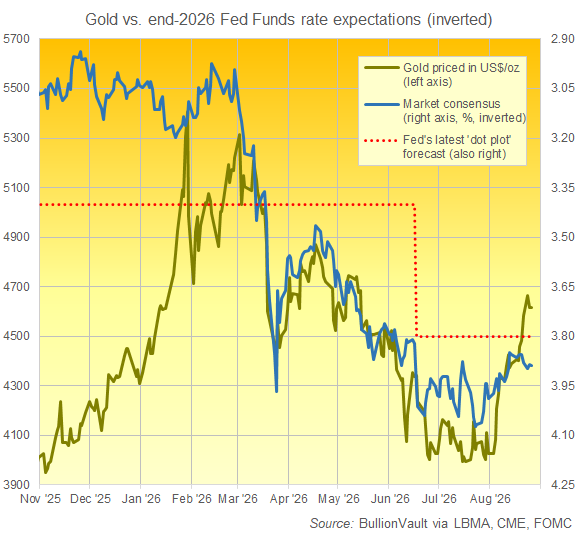
Payment Optimization & Currency Hedging Strategy: The stagflation signal creates immediate payment routing opportunities. Sellers receiving USD payments should lock in rates now before further Fed tightening strengthens the dollar beyond current levels. For sellers with multi-currency exposure (USD revenue, CNY/INR costs), the optimal strategy is: (1) Hedge 60-70% of next 6 months' cost exposure at current rates; (2) Delay hedging revenue until Q4 when Fed pivot expectations may weaken the dollar; (3) Shift 20-30% of payment flows to stablecoin or emerging market payment rails (e.g., Wise, Remitly) to capture 1-2% fee savings versus traditional banking corridors. The gold market's 0.75% daily decline reflects profit-taking as investors reassess rate-hiking prospects—this same reassessment is happening in FX markets, creating 48-72 hour windows for optimal hedging execution.
Questions 8
Which product categories benefit most from stagflation consumer behavior?
Stagflation typically shifts consumer spending toward value categories and away from discretionary items. Personal spending growth slowed to 0.2% despite 0.4% income gains, indicating consumers are trading down. **Winning categories**: essentials (home goods, basic apparel, health/beauty), value-oriented products (budget electronics, discount home decor), and subscription/recurring revenue models (where consumers lock in predictable spending). **Losing categories**: luxury goods, premium electronics, high-end home furnishings. Sellers should audit their inventory mix: reduce SKUs in discretionary categories by 20-30%, increase stock in value/essential categories by 15-25%. This inventory rebalancing, combined with PO financing for high-demand essentials, can offset the 400-600 basis point margin compression from 6.4% cost inflation.
What compliance or tax implications should I monitor during stagflation?
Stagflation creates two tax/compliance risks: (1) **Transfer pricing scrutiny**: As inflation rises 6.4% while growth stalls, tax authorities scrutinize inter-company pricing between US entities and foreign suppliers. Ensure your cost allocation methodology is defensible; document inflation-driven cost increases. (2) **Currency loss deductions**: If you're hedging USD/CNY exposure, realized FX losses may be deductible, but timing matters—consult your tax advisor on recognizing losses in the current vs. future tax year. (3) **Inventory valuation**: FIFO vs. LIFO accounting methods produce different tax outcomes during inflation; review your method with your accountant. The stagflation environment (6.4% inflation + weak growth) typically triggers increased tax authority scrutiny of cross-border pricing, so documentation is critical.