



Brand Trust Crisis & Product Vetting Failures | Sellers Must Strengthen QC Protocols
- Target's 5% stock decline signals consumer backlash over offensive merchandise; sellers face heightened scrutiny on cultural sensitivity and product approval processes





















Overview
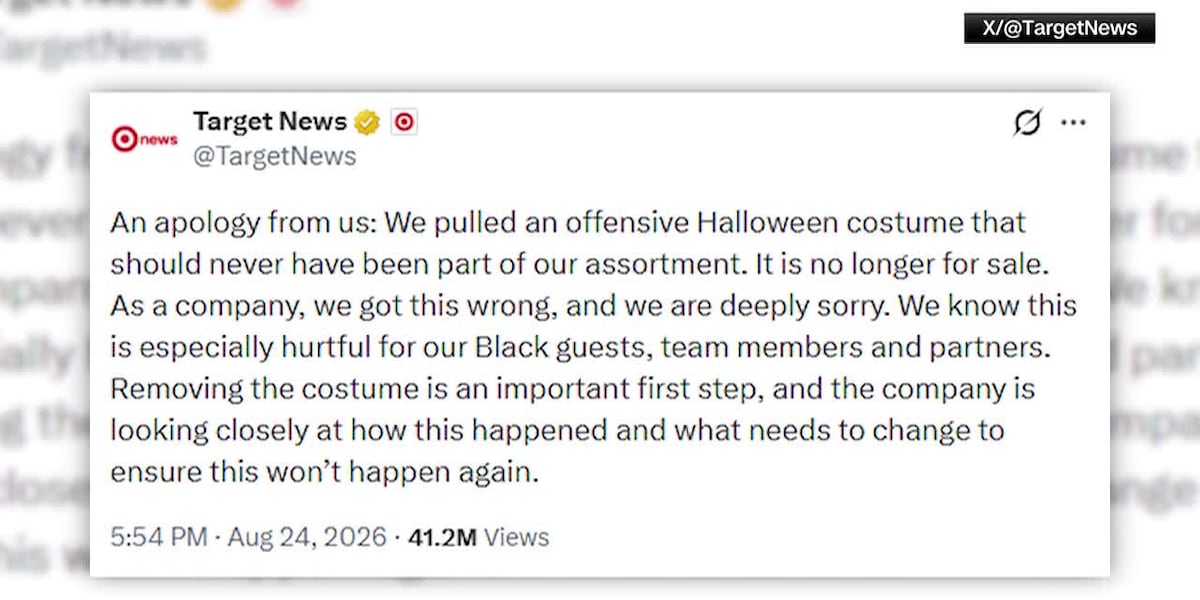
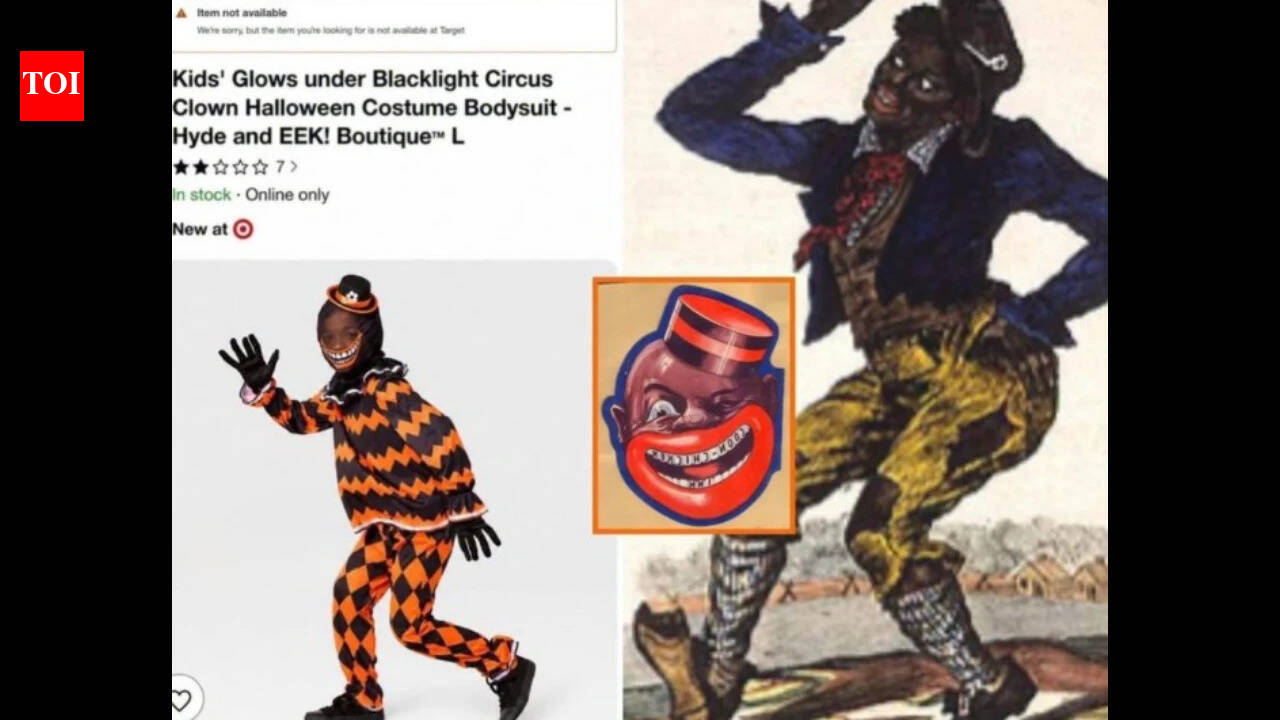
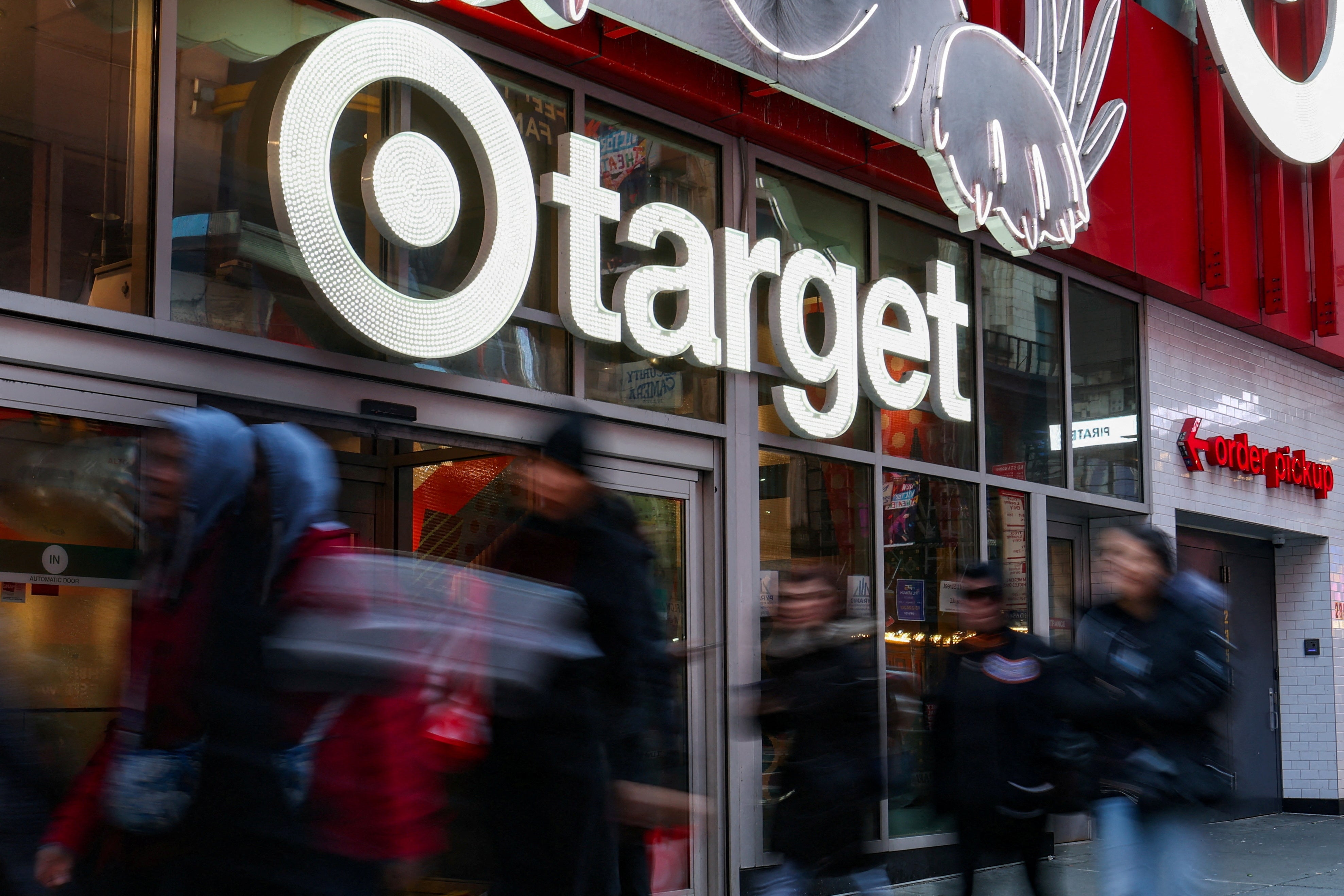
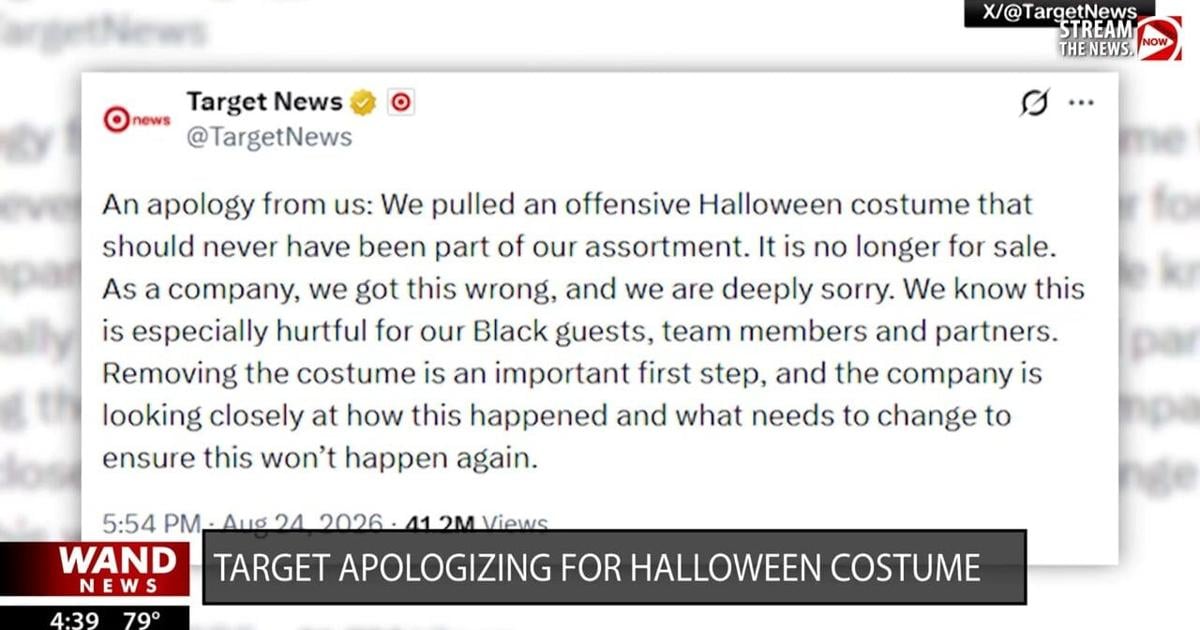
Target's removal of an offensive Halloween costume and subsequent 5% stock decline reveals a critical vulnerability in retail product vetting processes—a lesson directly applicable to third-party sellers on Amazon, Walmart Marketplace, and Shopify. The incident centered on a "Kids' Glows Under Blacklight Circus Clown Halloween Costume" from Target's Hyde and EEK Boutique line that evoked blackface imagery. The backlash was swift: a BlackPeopleofReddit post with 1.6 million members called for boycotts, and shareholder advocates characterized the oversight as evidence Target "lost trust with its consumer base." Notably, this occurred despite Target's Q2 net sales of $26.5 billion (5.3% year-over-year growth) and stock that had surged 70% annually—demonstrating that financial performance cannot insulate brands from cultural missteps.
For third-party sellers, this incident underscores the operational and reputational risks of inadequate product quality control and cultural sensitivity screening. The controversy directly connects to Target's 2024 DEI rollbacks, raising questions about whether reduced oversight in product vetting created blind spots. Sellers operating on major marketplaces face similar pressures: Amazon, Walmart, and Shopify increasingly hold vendors accountable for offensive or culturally insensitive products through policy enforcement, negative reviews, and potential account suspension. The costume incident demonstrates that even established retailers with dedicated merchandising teams (Target's Chief Merchandising Officer Cara Sylvester acknowledged the failure) can miss offensive content—a warning for sellers with smaller QC teams.
The marketing and demand implications are equally significant. Halloween costumes represent a $3.2B+ annual category in the US, with peak demand in August-September. Sellers who can differentiate through transparent, inclusive product curation and visible quality assurance processes will capture market share from competitors facing trust deficits. Conversely, sellers who fail to implement cultural sensitivity screening risk viral backlash on social media (TikTok, Reddit, Instagram), negative press coverage, and algorithmic suppression on marketplaces. The incident also signals that consumers increasingly expect brands to demonstrate DEI commitments through operational practices, not just statements—creating opportunities for sellers who can authentically communicate rigorous vetting processes and inclusive product sourcing.
Questions 7
What messaging strategies help sellers rebuild trust after product controversies?
Target's public apology and internal communication (CMO Cara Sylvester's statement) were insufficient—NYU instructor Angeli Gianchandani argued Target must demonstrate improved vetting procedures publicly, not just apologize. Sellers should: (1) Acknowledge the issue transparently, (2) Explain specific corrective actions (e.g., 'We've implemented third-party cultural sensitivity audits'), (3) Provide evidence of systemic improvements, and (4) Commit to ongoing community engagement. Avoid generic apologies; instead, detail operational changes. Use Amazon Seller Central announcements, Shopify blog posts, and social media to communicate improvements. Sellers who proactively communicate rigorous vetting processes before incidents occur will differentiate from competitors and capture market share. Consider partnering with diversity-focused organizations to validate improvements.
How does Target's DEI rollback connect to the costume controversy?
Critics linked Target's 2024 DEI rollbacks to inadequate product oversight, suggesting reduced diversity in merchandising teams contributed to the cultural blind spot. For sellers, this signals that DEI commitments are now viewed as operational necessities, not optional initiatives. Sellers with visible diversity in sourcing, QC, and marketing teams will build consumer trust and reduce vetting failures. Target's experience demonstrates that cost-cutting in DEI programs can create reputational and financial risks exceeding savings. Sellers should maintain or expand diversity in product development teams, particularly for categories serving diverse communities. This is both ethically sound and commercially strategic—consumers increasingly support brands demonstrating authentic inclusion commitments.