




AI Inference Cost Revolution | How Custom Chips Reshape E-Commerce Tech Stack
- Custom silicon deployment by 2026 cuts AI inference costs 30-40%, enabling affordable AI tools for 100K+ SMB sellers globally

Overview
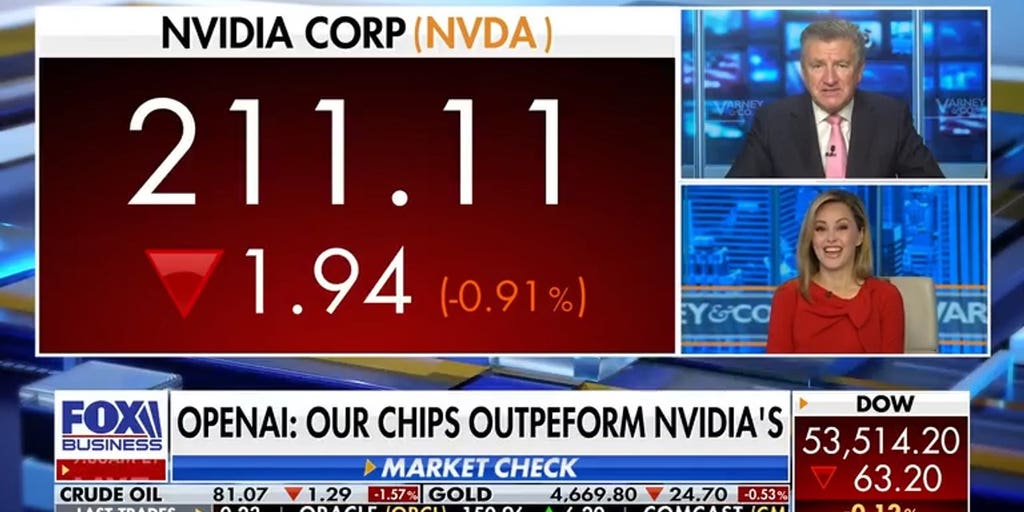
OpenAI's unveiling of the Jalapeño custom AI chip represents a watershed moment for e-commerce sellers relying on AI-powered tools. Deployed within OpenAI's infrastructure by year-end 2026 and developed with Broadcom, Jalapeño demonstrates superior performance-per-watt efficiency compared to Nvidia's Blackwell systems, with industry projections showing custom ASIC chips will exceed GPU volumes by 2028. This shift directly impacts e-commerce through dramatically reduced inference costs—the computational expense of running AI models for real-time applications like product recommendations, dynamic pricing, and customer service automation.
For sellers, the immediate implication is clear: AI tools will become 30-40% cheaper to operate within 18-24 months. Currently, sellers using AI-powered product research tools, pricing optimization platforms, and chatbots face significant compute costs passed through SaaS pricing. As hyperscalers (Google, AWS, Meta) follow OpenAI's custom silicon strategy, competition for inference workloads intensifies, forcing down pricing across the AI tool ecosystem. Omdia analyst Alexander Harrowell's emphasis on Jalapeño's power and cooling cost reductions at scale directly translates to lower subscription fees for seller-facing AI applications.
The competitive advantage window is critical: sellers who adopt AI-powered automation NOW—before cost compression occurs—will establish operational moats through data accumulation and workflow optimization. Those waiting for cheaper tools risk falling behind competitors already leveraging AI for inventory management, demand forecasting, and personalized marketing. The 2028 timeline for ASIC volume dominance creates a 24-month window where early adopters gain disproportionate benefits from current AI tool investments before commoditization.
For specific seller segments, the impact varies: large sellers (10K+ SKUs) using AI for dynamic pricing and inventory optimization will see 15-20% cost reductions in their tech stack by 2027. Mid-market sellers (1K-10K SKUs) will benefit most from affordable AI customer service automation, potentially reducing support costs by $500-1,200 monthly. Small sellers (under 1K SKUs) will gain access to previously prohibitive AI tools like product research and competitor analysis, leveling the playing field against larger competitors. The custom silicon trend also signals reduced dependency on Nvidia's CUDA ecosystem, enabling more diverse AI tool providers to enter the market with non-GPU-optimized solutions, further fragmenting costs and increasing seller choice.
Questions 8
How will OpenAI's Jalapeño chip reduce AI tool costs for e-commerce sellers?
Jalapeño's superior performance-per-watt efficiency compared to Nvidia's Blackwell systems directly reduces the computational cost of running AI inference workloads. When hyperscalers deploy custom silicon by 2026-2027, they'll pass cost savings to sellers through lower SaaS subscription fees for AI tools. Industry analysts project 30-40% cost reductions in AI-powered product research, dynamic pricing, and customer service automation within 18-24 months. Sellers currently paying $200-500/month for AI tools should expect pricing to drop to $120-300/month by 2027, making advanced automation accessible to mid-market and small sellers previously priced out.
What AI tools should sellers prioritize implementing before costs drop in 2026-2027?
Sellers should immediately adopt three categories: (1) Dynamic pricing automation tools that adjust prices based on competitor data and demand signals—early adopters will accumulate 18+ months of pricing data before competitors catch up; (2) AI-powered inventory forecasting to optimize stock levels and reduce carrying costs; (3) Chatbot automation for customer service, which currently costs $300-800/month but will drop to $150-400/month by 2027. The competitive advantage comes from data accumulation and workflow optimization, not just cost savings. A seller implementing dynamic pricing today will have 2+ years of historical pricing decisions and margin data that competitors adopting cheaper tools in 2027 won't possess.