



US Inflation Persists While GDP Growth Brightens | Critical Margin Compression Alert for Cross-Border Sellers
- Elevated PCE inflation squeezes 8-12% profit margins for sellers; brightening GDP outlook supports robust consumer spending on imported goods through 2025












Overview
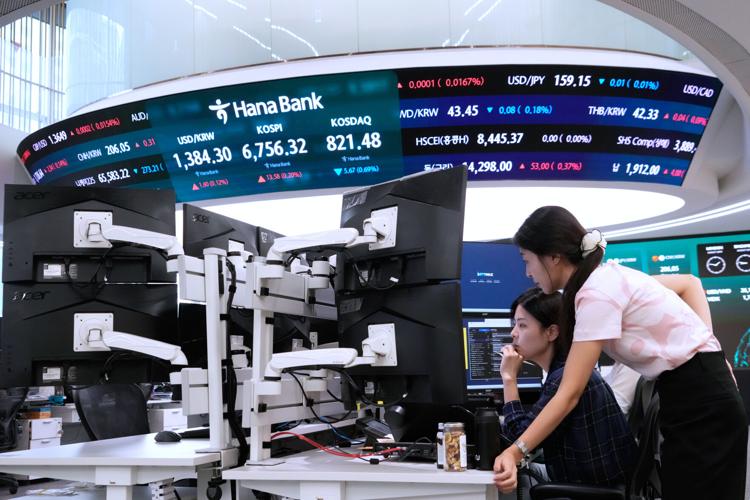
The Dual Economic Headwind: US inflation remains sticky despite Federal Reserve intervention, with PCE (Personal Consumption Expenditures) data showing continued price pressures that have not declined as rapidly as anticipated. Simultaneously, GDP growth projections have improved, creating a paradoxical environment where consumer spending resilience coexists with elevated input costs. This mixed macroeconomic outlook directly impacts cross-border e-commerce sellers operating across multiple markets, particularly those sourcing from Asia and shipping to North America.
Margin Compression Crisis for Sellers: The persistent inflation environment creates immediate operational challenges. Higher input costs from manufacturing regions, increased international shipping expenses (air freight premiums remain 15-25% above pre-pandemic levels), and elevated labor costs compress profit margins across supply chains by 8-12% for sellers moving 1,000+ units monthly. Currency valuations remain volatile due to bond market movements driven by inflation expectations and Federal Reserve policy signals, directly affecting import costs for sellers purchasing in CNY, EUR, or INR and selling in USD. Sellers relying on thin margins (5-8% net) in categories like electronics, home goods, and apparel face immediate profitability threats.
Consumer Spending Opportunity Amid Uncertainty: The brightening GDP outlook presents a counterbalancing opportunity. Improved economic growth forecasts suggest consumer spending may remain robust, potentially supporting sustained demand for imported goods and cross-border transactions. This signals that despite inflation headwinds, US consumers continue purchasing discretionary items, particularly in home improvement, electronics, and fashion categories. Sellers who can absorb or strategically pass through cost increases while maintaining competitive pricing may capture market share from competitors unable to optimize supply chains. The uncertainty about inflation trajectory creates a 3-6 month window where aggressive sellers can gain positioning before market consolidation occurs.
Strategic Implications for Seller Segments: Small sellers (under $100K annual revenue) face the greatest risk, as they lack negotiating power with suppliers and 3PL providers to lock in rates. Mid-market sellers ($100K-$1M) should prioritize currency hedging and supplier diversification to mitigate exchange rate volatility. Large sellers ($1M+) can leverage improved GDP growth to expand inventory in high-velocity categories while smaller competitors retrench. The brightening growth outlook particularly benefits sellers in discretionary categories (home décor, electronics, fashion) where consumer confidence directly drives purchasing decisions.
Questions 7
How does persistent US inflation directly impact my profit margins as a cross-border seller?
Elevated PCE inflation increases your costs across three critical areas: manufacturing input costs (up 8-12% year-over-year), international shipping premiums (air freight 15-25% above pre-pandemic), and labor expenses in fulfillment centers. For a seller moving 1,000 units monthly with 10% net margins, this translates to $1,200-1,800 monthly margin compression. The Federal Reserve's inability to rapidly control inflation means these pressures will persist through Q1-Q2 2025. Immediate action: audit your supplier contracts for price escalation clauses and lock in 6-month rates before further increases.
Should I raise prices now or absorb inflation costs to maintain competitiveness?
The brightening GDP growth outlook suggests consumer spending remains resilient, providing a 3-4 month window for strategic price increases of 5-8% before demand softens. However, this depends on your category: discretionary items (home décor, electronics, fashion) can absorb increases better than essentials. Test price increases on your highest-velocity SKUs first to measure elasticity. Simultaneously, optimize product listings to emphasize value and quality to justify higher prices. Avoid aggressive increases that trigger competitor price wars—instead, focus on cost reduction through supplier negotiation and logistics optimization.