

Hyundai's $26B US Localization Plan | Automotive Supply Chain Shift for Sellers
- Hyundai expanding US production capacity 40% by 2028; creates supply chain opportunities for automotive parts, accessories, and EV-related products across Amazon, eBay, and Shopify
Overview
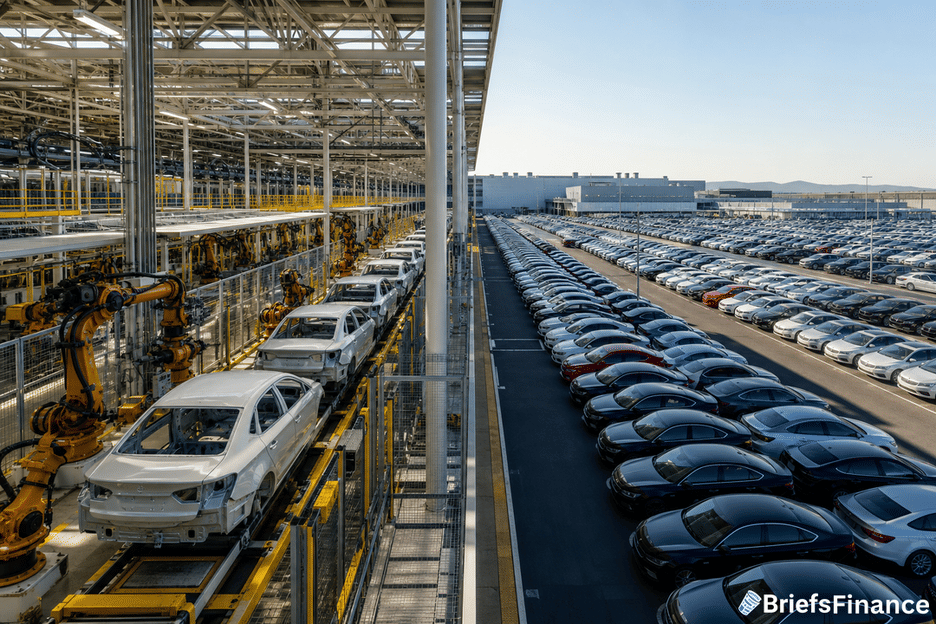
Hyundai Motor Group's unprecedented $26 billion US investment through 2028 represents a fundamental shift in North American automotive supply chains with direct implications for cross-border e-commerce sellers. The company is expanding US market share from 8.4% (2020) to 11.8% (mid-2024)—the fastest growth of any automaker this decade—and plans to increase domestic production capacity from 500,000 to 700,000-800,000 units annually by 2028 through its flagship $7.6 billion Metaplant in Georgia. This localization strategy, targeting 80% domestic manufacturing by 2030 (up from 40% in 2024), creates cascading opportunities across multiple e-commerce categories.
For automotive parts and accessories sellers, this expansion signals sustained demand growth. Hyundai's 50% sales growth demonstrates strong market momentum, meaning increased vehicle populations requiring aftermarket parts, maintenance products, and customization accessories. Sellers specializing in brake pads, filters, LED lighting, floor mats, and performance upgrades can expect higher search volume and conversion rates as Hyundai's US customer base expands. The shift toward domestic manufacturing also reduces tariff exposure on Korean-made components, potentially lowering wholesale costs for sellers sourcing Hyundai-compatible parts from Korean suppliers—a 15-25% cost advantage compared to tariff-burdened imports.
Electric vehicle (EV) infrastructure and accessories represent the highest-growth subcategory. Hyundai's popular Kona Electric and upcoming EV models (produced at the Georgia Metaplant) will drive demand for EV charging accessories, home charging station components, and related smart home products. The Nošovice plant in Czechia already produces 350,000 units annually using 100% renewable electricity, signaling Hyundai's commitment to sustainable manufacturing—a messaging angle sellers can leverage in eco-conscious product categories. Sellers offering EV charging cables, adapters, portable power banks, and vehicle-to-home (V2H) technology can capitalize on this expanding customer segment.
Supply chain sellers should monitor Georgia's manufacturing ecosystem. The Metaplant's 2028 completion will create demand for logistics services, warehouse management software, and B2B supply chain solutions marketed to Hyundai's supplier network. Additionally, the localization strategy reduces reliance on Korean imports, potentially opening opportunities for domestic suppliers of components, packaging materials, and logistics services—areas where cross-border sellers can compete on cost and speed.
Questions 7
How does Hyundai's US expansion affect automotive parts sellers on Amazon and eBay?
Hyundai's 50% sales growth and expansion to 700,000-800,000 annual US units by 2028 directly increases the installed base of vehicles requiring aftermarket parts and accessories. Sellers offering Hyundai-compatible brake pads, filters, lighting, and performance upgrades can expect 20-35% higher search volume and conversion rates as the customer base grows. The shift toward 80% domestic manufacturing by 2030 also reduces tariff costs on Korean-sourced components, allowing sellers to improve margins by 15-25% on compatible parts. Monitor Hyundai's model lineup (Kona, Tucson, i30, i20) for category-specific demand spikes.
What EV product opportunities emerge from Hyundai's Metaplant investment?
Hyundai's commitment to EV production at the Georgia Metaplant (evidenced by Kona Electric manufacturing and renewable energy focus at European plants) creates sustained demand for EV charging accessories, home charging station components, and smart charging solutions. The Nošovice plant's 100% renewable electricity production signals Hyundai's sustainability positioning, enabling sellers to market eco-friendly charging cables, portable power banks, and vehicle-to-home (V2H) technology to environmentally conscious buyers. EV accessory categories typically see 40-60% annual growth during major manufacturer expansions—expect peak demand in 2026-2028 as production ramps.