




Hormuz Shipping Corridor Opens | Cross-Border Sellers Face 8-15% Logistics Cost Relief
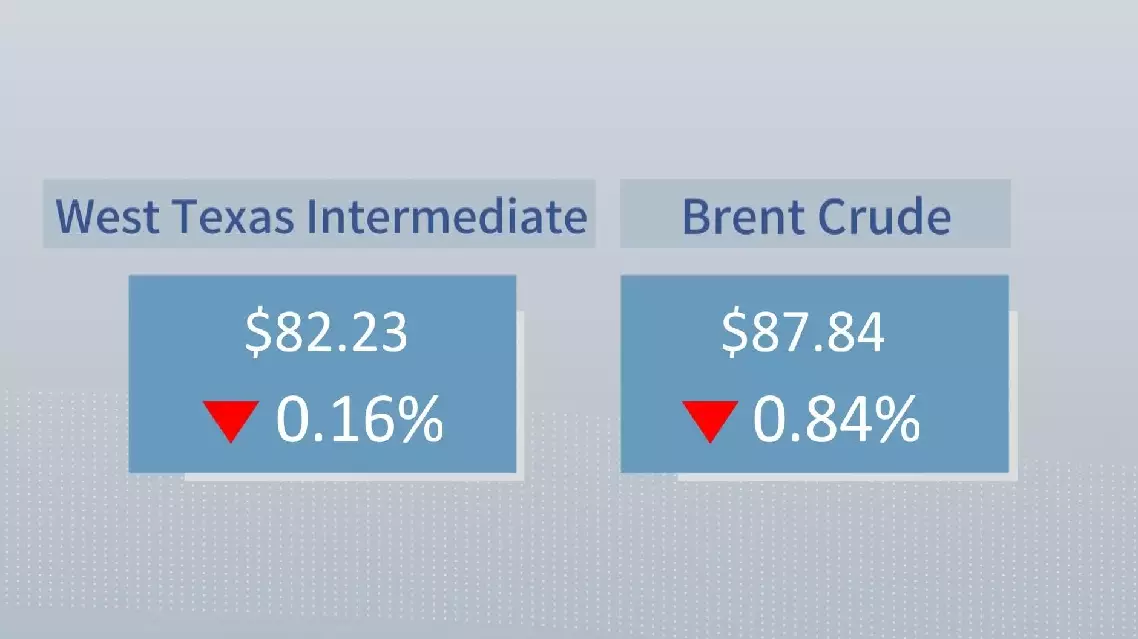
- Iran-Oman talks reduce geopolitical risk premium; Brent crude falls 1.36% to $86.48; freight rates expected to decline within 2-4 weeks for air/ocean shipments








































Overview
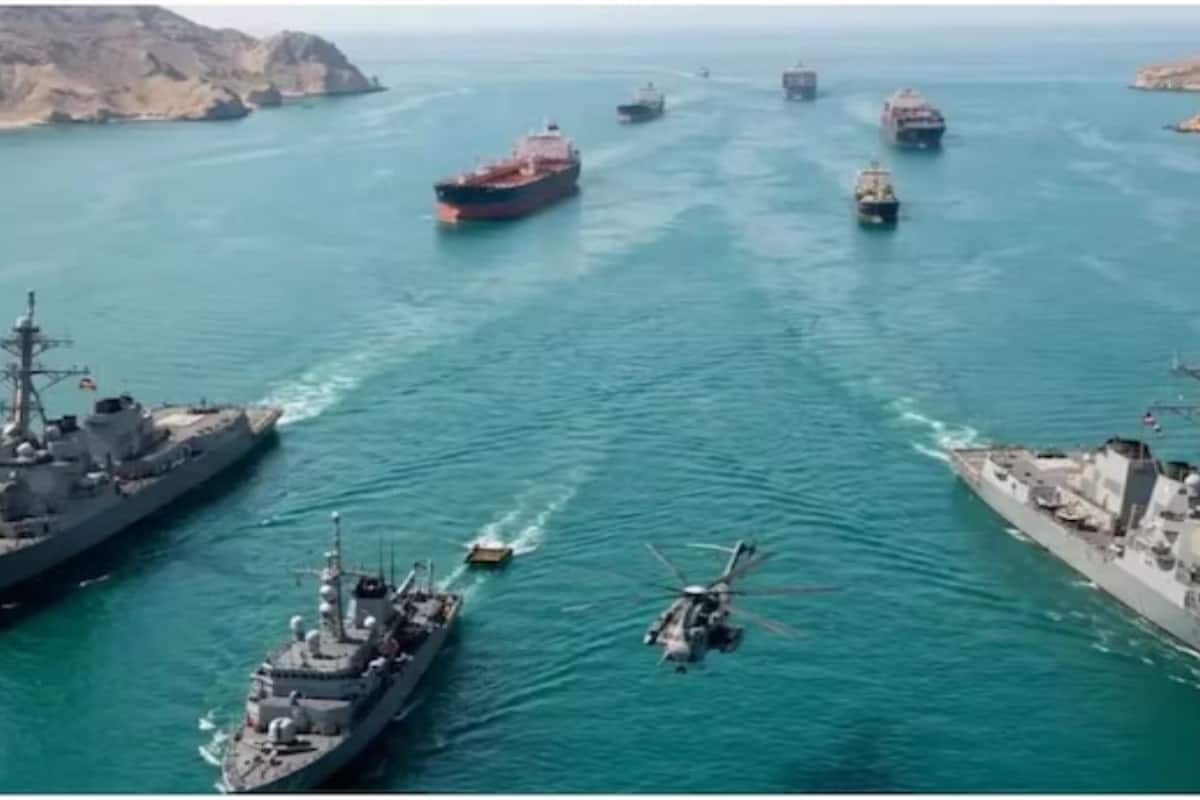
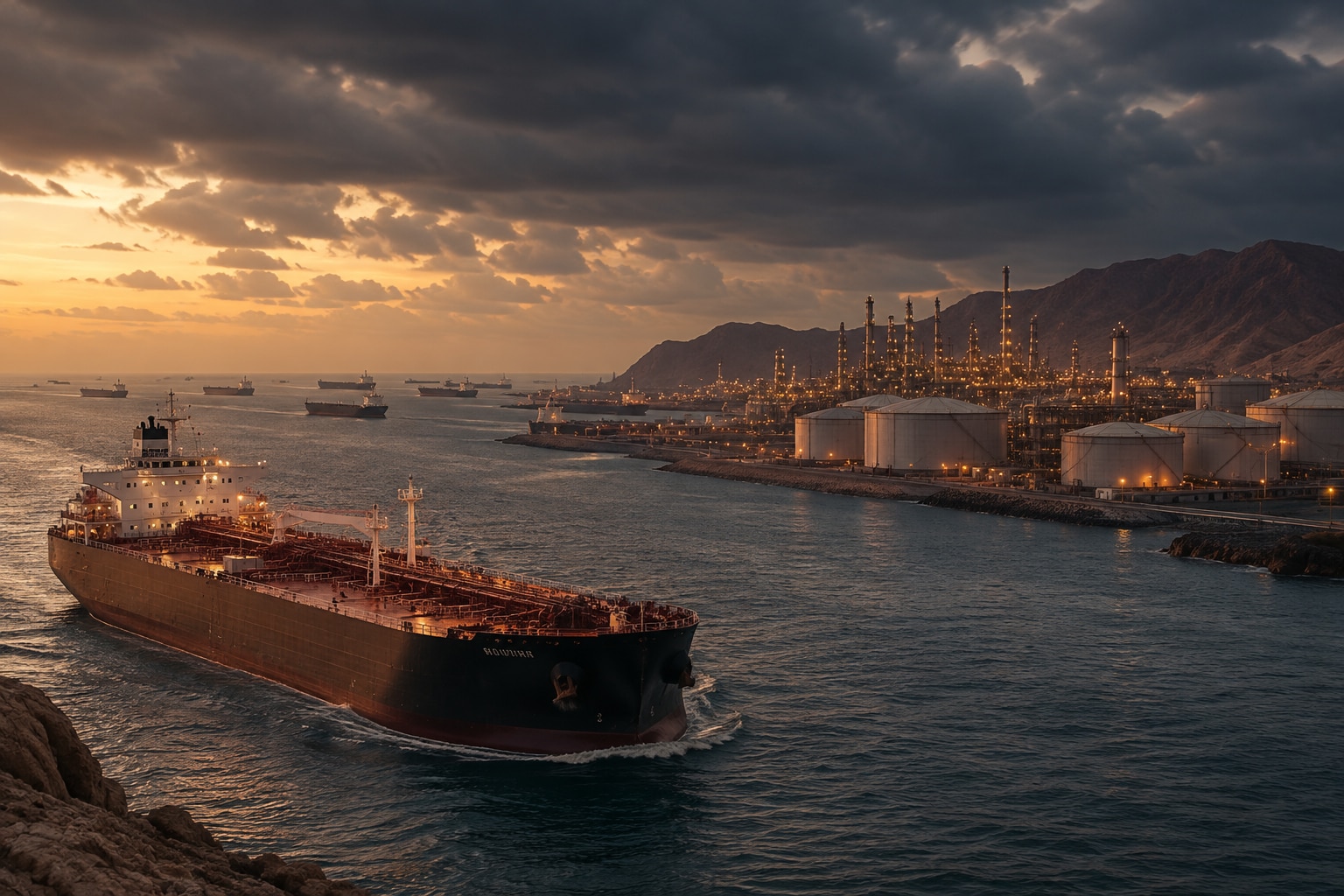
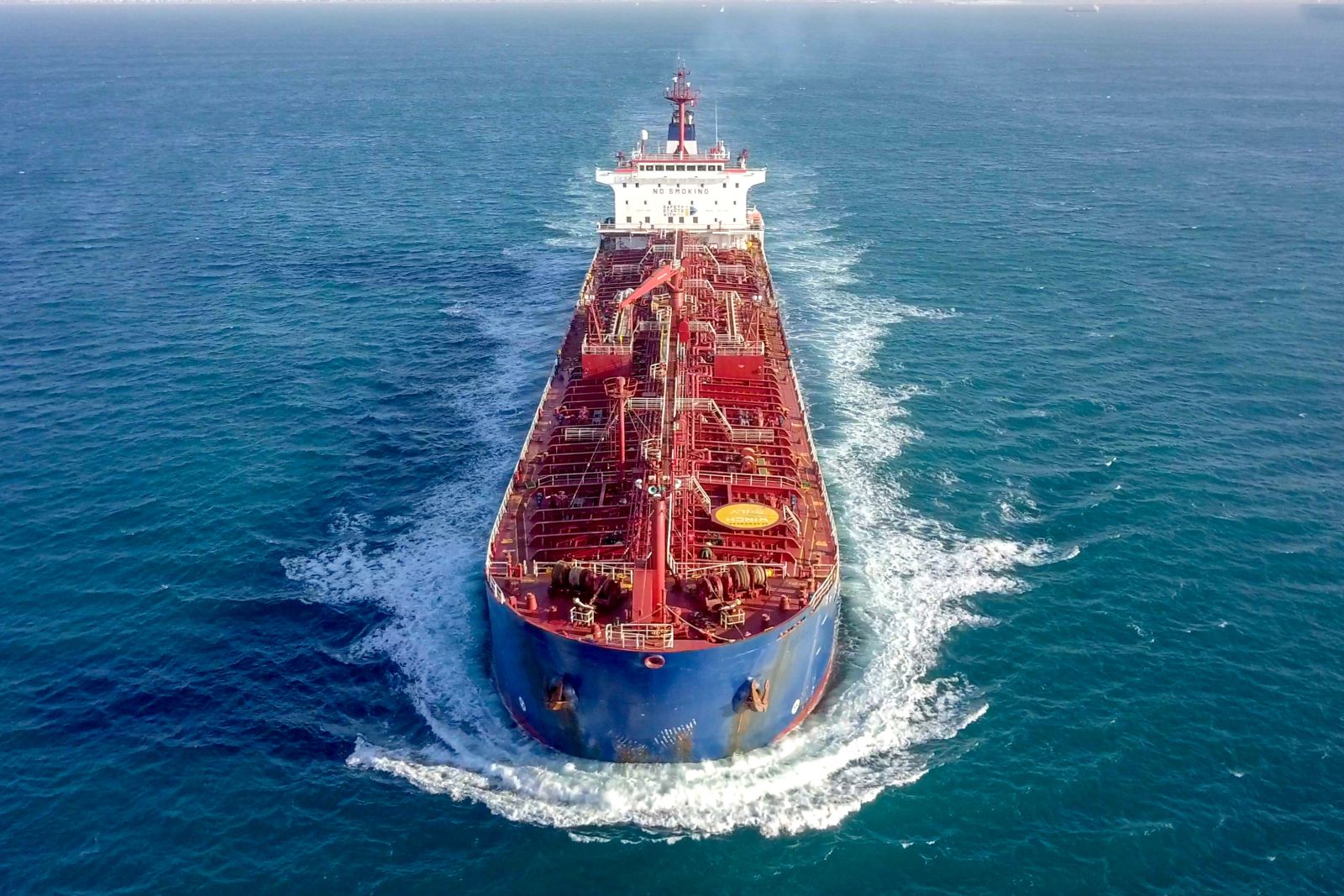
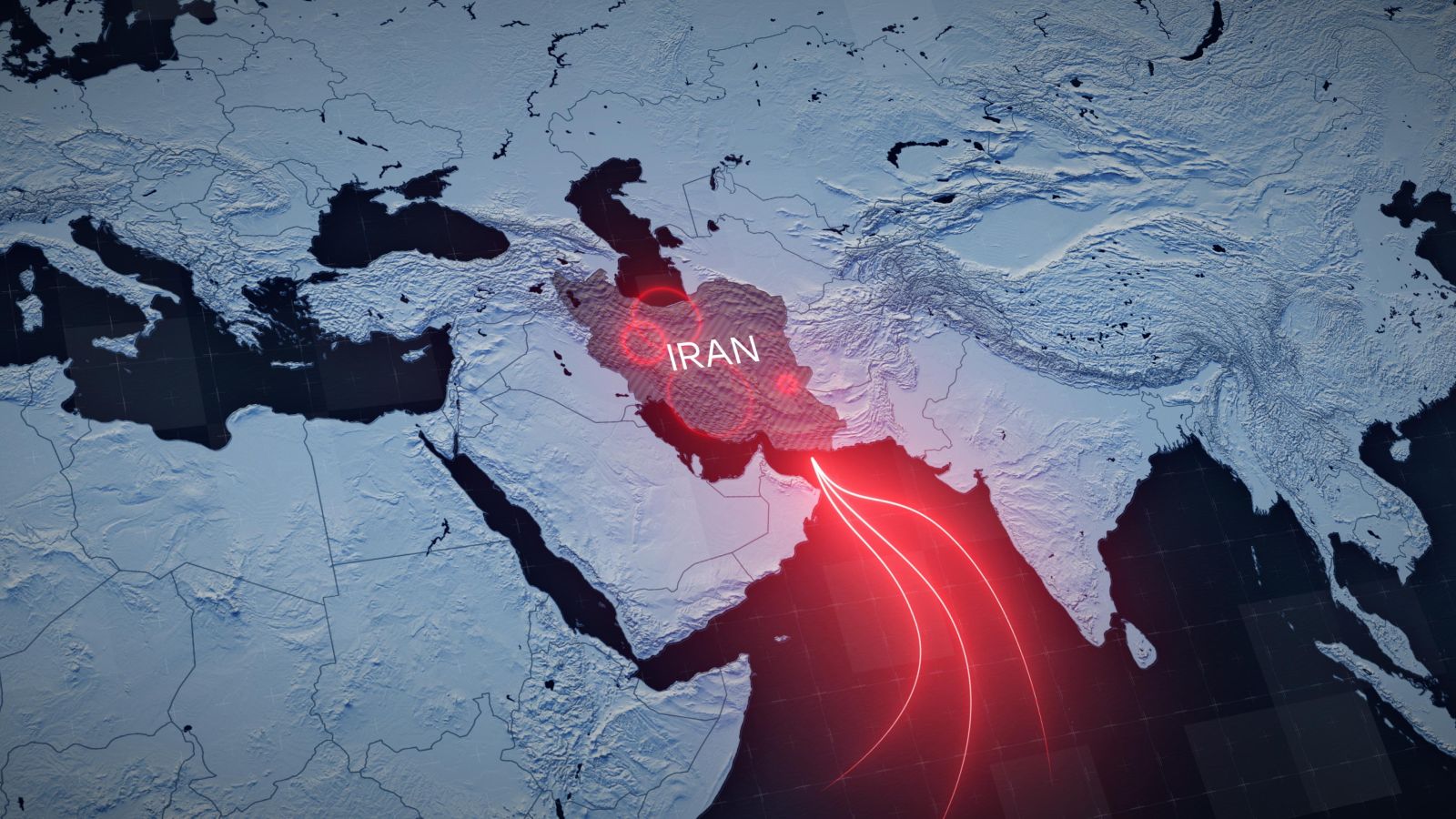
Diplomatic breakthrough at the Strait of Hormuz is reshaping global energy markets and creating immediate cost advantages for cross-border e-commerce sellers. Between August 25-27, 2026, Iran and Oman finalized negotiations on a revenue-sharing agreement and temporary shipping corridor, with Brent crude declining 1.36% to $86.48 per barrel and West Texas Intermediate dropping 1.7% to $80.83. The Strait of Hormuz handles approximately 21% of global daily petroleum and one-fifth of liquefied natural gas supplies—making this diplomatic progress a critical inflection point for international logistics costs. Vessel traffic through the strait, which had collapsed to just 5 transits on August 13 (compared to pre-conflict daily averages of 130), shows signs of recovery as shipping lanes reopen.
For cross-border e-commerce sellers, this geopolitical de-escalation translates directly into reduced freight expenses. Freight costs represent 15-25% of operational expenses for international sellers, with petroleum prices driving air freight, ocean freight, and ground transportation rates. Lower oil prices typically cascade into shipping cost reductions within 2-4 weeks as carriers adjust fuel surcharges and contract rates. Sellers relying on time-sensitive shipments—particularly those in electronics, apparel, and perishables categories—benefit most from sustained energy price stability. The temporary shipping corridor agreement reduces the geopolitical risk premium previously embedded in freight pricing, enabling more predictable logistics planning and cost forecasting. However, market analysts including Daniel Hynes (ANZ) and Priyanka Sachdeva (Phillip Nova) caution that implementation uncertainties persist: Iran's nuclear program disputes, security assurance requirements, and divergent conflict resolution demands mean full Strait reopening remains uncertain. Complete return to pre-conflict shipping levels (where oil shipments operated at full capacity) is unlikely in the near term, suggesting 6-12 month timeline for maximum cost relief.
Strategic sourcing and pricing adjustments should begin immediately. Sellers currently operating on thin margins (5-8% net profit) should renegotiate shipping contracts with 3PL providers and freight forwarders before carrier rate cards adjust downward—locking in current rates while negotiating volume discounts for future shipments. Conversely, sellers with existing long-term contracts at elevated rates should explore early renegotiation windows. The modest oil price decline reflects cautious market optimism, but sustained downward pressure depends on Hormuz corridor stability. Sellers in logistics-sensitive categories should monitor weekly Brent crude movements; if prices stabilize below $85 for 4+ consecutive weeks, supply chain restructuring (shifting inventory to regional fulfillment centers, adjusting air freight allocation) becomes justified. Conversely, if geopolitical tensions resurface (Ukraine escalation, Iran nuclear negotiations collapse), oil prices could spike 10-15% within days, erasing logistics savings and justifying defensive inventory positioning.
Questions 7
How do I monitor oil prices and freight rate changes to time logistics decisions?
Track Brent crude daily via Freightos Index, Bloomberg, or CNBC Energy; set alerts for $85 and $90 thresholds. Monitor freight rate indices (Freightos, Xeneta) weekly—these typically lag oil prices by 1-2 weeks. Contact 3PL providers monthly for fuel surcharge updates; most carriers adjust rates on 15-30 day cycles. Subscribe to geopolitical risk alerts (Stratfor, Control Risks) for Middle East developments. When Brent crude drops below $85 for 4+ consecutive weeks, initiate contract renegotiation conversations. If prices spike above $90, immediately review inventory positioning and consider reducing air freight allocation by 20-30%.
Should sellers shift sourcing from China to alternative countries given Hormuz volatility?
Hormuz volatility doesn't justify immediate sourcing shifts, but creates opportunities for Vietnam/India sourcing in specific categories. Vietnam-to-US shipping avoids Hormuz entirely (via Pacific routes), reducing geopolitical risk premium. However, Vietnam sourcing costs 5-8% more than China for most categories. Sellers should evaluate Vietnam sourcing for high-margin products (electronics, apparel) where geopolitical risk premium justifies cost premium. India sourcing offers 3-5% cost advantage for certain categories (textiles, pharmaceuticals) but faces longer lead times (45-60 days vs. 30-40 from China). Maintain China sourcing for price-sensitive categories; diversify high-risk categories to Vietnam/India.