



US-Canada Tariff War Escalates | $1,000+ Annual Household Costs & Seller Margin Compression
- 50% US tariffs on $20B Canadian goods + 25-50% Canadian retaliatory duties on 900+ US categories effective Sept 8, 2026; cross-border sellers face 8-15% cost increases; paper products, auto parts, dairy, seafood most impacted


































Overview
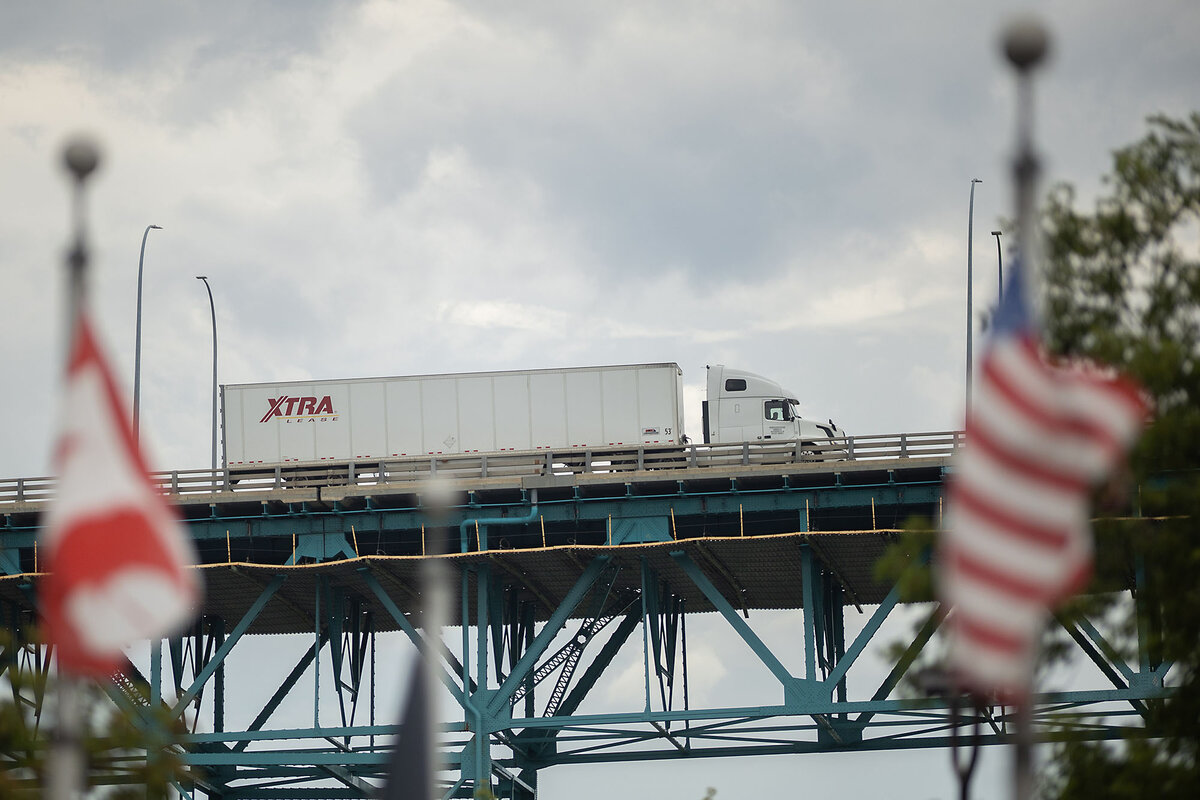
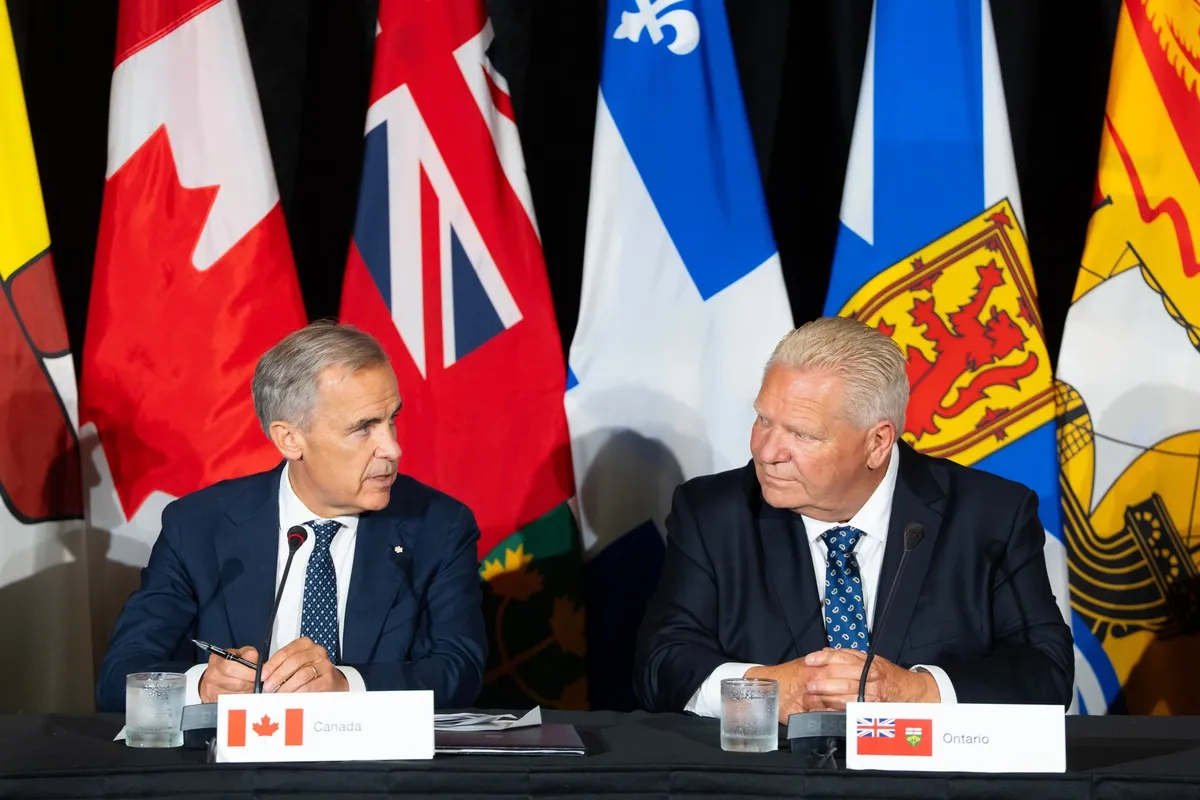
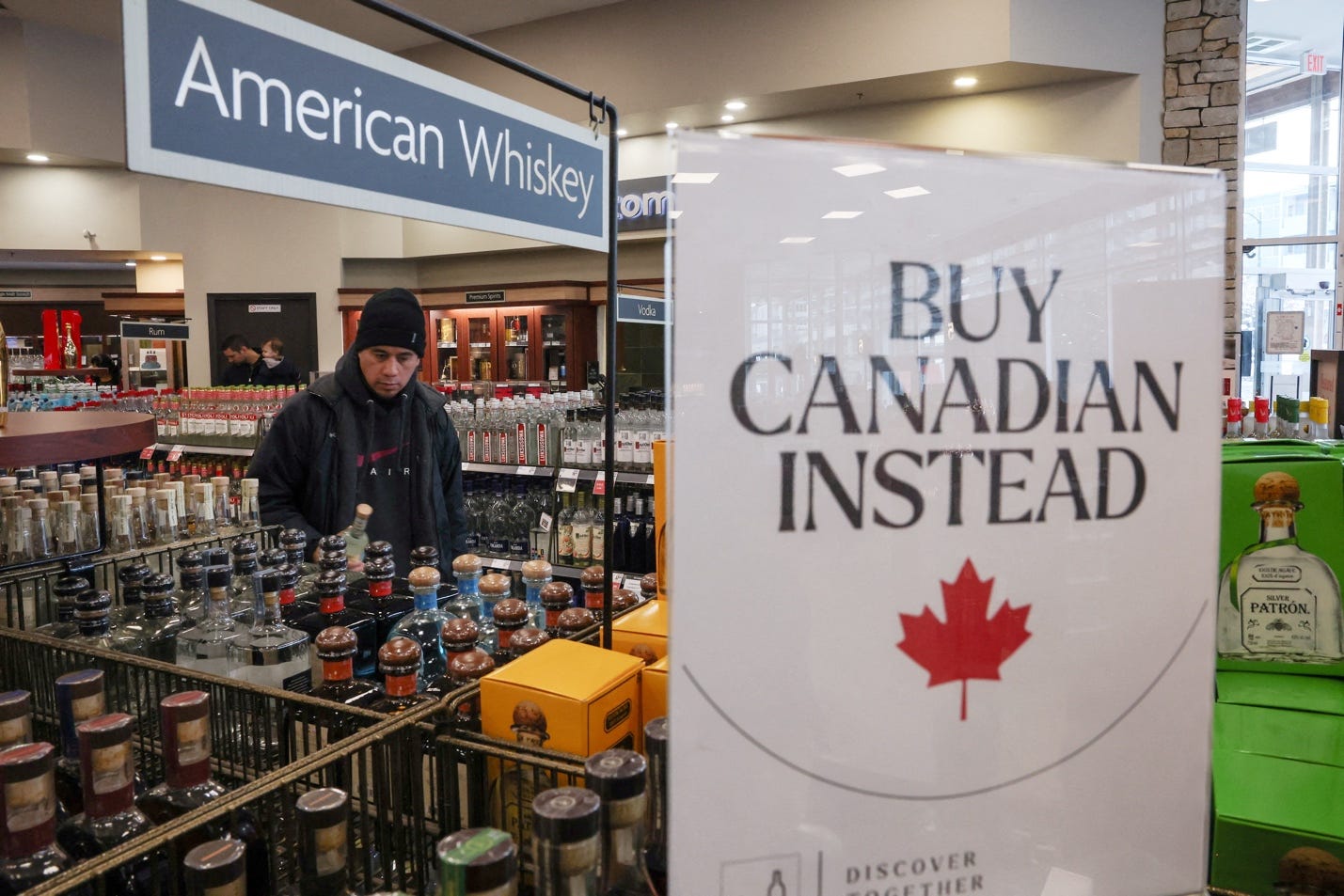
The US-Canada trade war represents a critical inflection point for cross-border e-commerce sellers, with cascading tariff impacts that fundamentally alter sourcing economics and consumer purchasing power. The Yale Budget Lab estimates tariffs will cost typical US households over $1,000 annually, with Canadian tariffs alone adding $30 per household yearly. The US imposed 50% tariffs on approximately $20 billion in Canadian goods effective immediately, with plans to double auto tariffs to 50% by January 1, 2027. Canada retaliated with 25-50% tariffs on nearly 900 American goods and $32 billion in total US products, effective September 8, 2026, targeting 3,800+ product categories including steel, aluminum, dairy, seafood, appliances, and automotive parts.
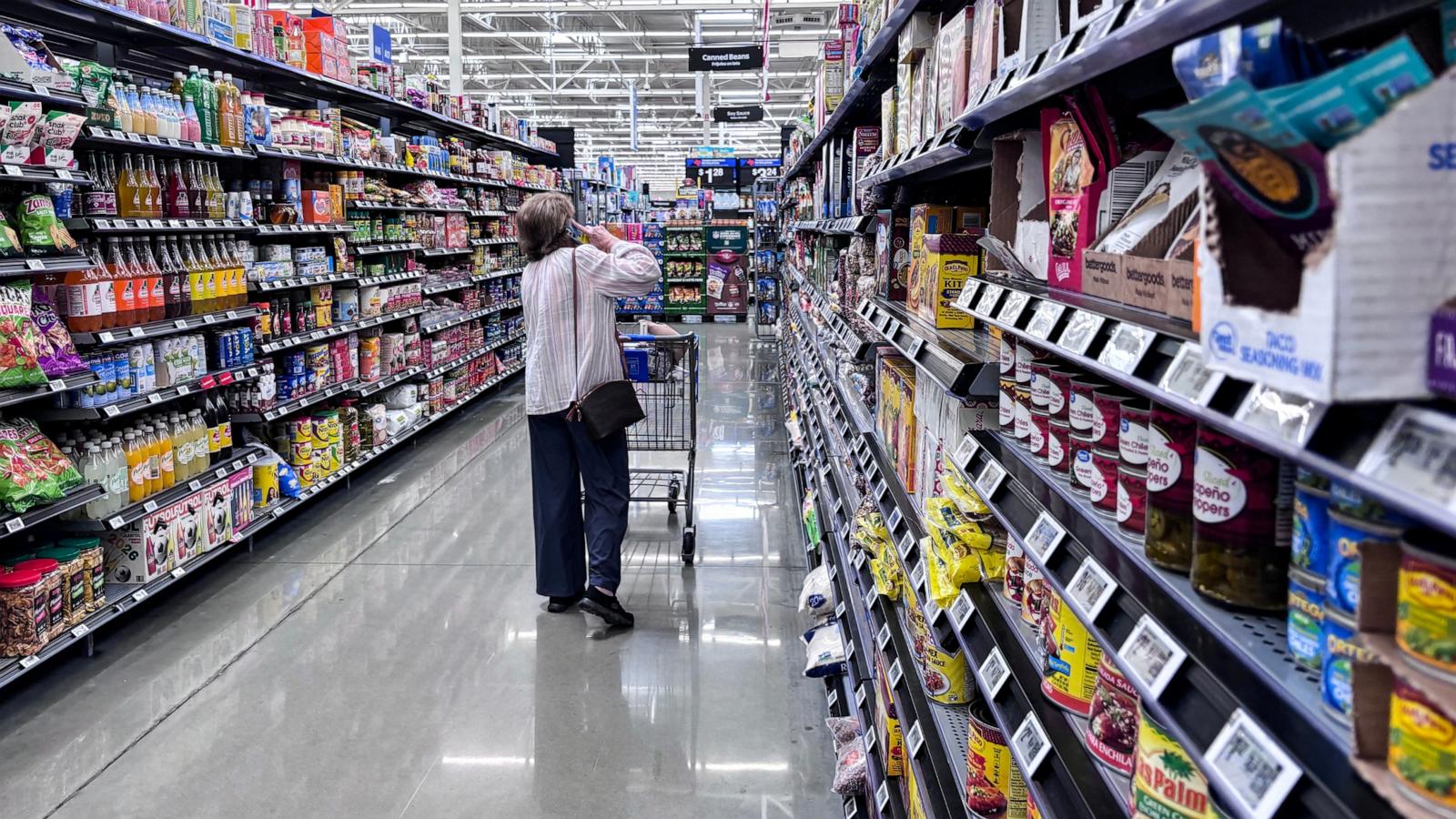
For cross-border sellers, this creates a three-tier impact structure. First, sourcing cost compression: sellers importing Canadian paper products (US imported $328M toilet paper from Canada in 2024), lumber, and raw materials face immediate 25-50% tariff additions, compressing margins by 8-15% depending on category. Procter & Gamble's Charmin and other paper brands heavily dependent on Canadian lumber will pass costs to consumers, reducing demand elasticity for price-sensitive categories. Second, market access disruption: sellers sourcing US inventory for Canadian resale face reciprocal tariffs on 900+ categories, making cross-border arbitrage unprofitable for low-margin items. Third, consumer demand destruction: with household purchasing power compressed by $1,000+ annually amid 3.4% inflation and $4.09/gallon gasoline, discretionary spending on non-essential categories (apparel, home goods, electronics) will contract 5-12% through Q4 2026.
Regional seller vulnerability is strategically concentrated. Canada deliberately targeted swing states (Michigan, Indiana, Wisconsin, Vermont, Maine) with tariffs on dairy (80% of Vermont cheese/milk exports affected), lobster (25% tariff—first-ever), and agricultural products. This creates geographic arbitrage opportunities for sellers in non-targeted regions: sellers based in California, Texas, or Florida can source US goods at lower tariff exposure and resell into Canada at premium pricing before September 8 implementation. However, the 1-4 week window before September 8 is critical—inventory already in transit faces retroactive duty assessment. Sellers must immediately audit supply chain positioning: goods in Canadian warehouses face 25-50% tariffs on re-export to US; goods in US warehouses face tariffs when entering Canada. The auto sector faces the most severe compression, with 25% tariffs escalating to 50% by January 1, 2027, making used vehicle and parts arbitrage between markets unviable.
Platform and logistics implications are substantial. Cross-border FBA sellers using Amazon's US-Canada fulfillment network face duty reclassification uncertainty—tariff codes may shift based on product composition, requiring immediate HS code audits. Shopify sellers operating integrated US-Canada storefronts must update pricing algorithms to reflect tariff pass-through; failure to do so will compress margins by 8-12% on Canadian orders. 3PL providers managing cross-border inventory will see storage costs increase 15-20% as tariff-induced demand destruction forces longer holding periods. Customs clearance timelines will extend 2-3 weeks as tariff classification disputes increase, delaying fulfillment and increasing working capital requirements. The news indicates Canada is prioritizing "domestic seller protection," suggesting potential policy shifts favoring Canadian-based sellers on platforms like Amazon.ca and Shopify Plus Canadian instances.
Questions 8
What compliance shortcuts or loopholes exist for cross-border sellers?
Sellers can legally leverage tariff classification ambiguities and USMCA origin rules. Products with mixed US-Canada-Mexico components may qualify for USMCA tariff treatment (0% or reduced rates) if 75%+ value originates in North America. Sellers should audit HS codes for classification flexibility—some products can be classified under multiple codes with different tariff rates. Temporary tariff exemptions or exclusions may be granted for products lacking domestic alternatives; sellers can petition US International Trade Commission (USITC) for exclusions if Canadian tariffs create supply shortages. However, the news indicates Canada is targeting 'domestic seller protection,' suggesting exemptions will favor Canadian businesses. Sellers should avoid aggressive tariff avoidance strategies, as customs enforcement is increasing. Instead, focus on legitimate cost reduction: negotiate supplier price reductions, optimize packaging to reduce weight-based tariffs, and consolidate shipments to reduce per-unit tariff burden.
What are the Amazon FBA and Shopify implications for cross-border sellers?
Amazon FBA sellers using US-Canada fulfillment networks face tariff reclassification uncertainty—HS codes may shift based on product composition, requiring immediate audits in Seller Central. Tariff classification disputes will delay customs clearance by 2-3 weeks, extending fulfillment timelines and increasing working capital requirements. Shopify sellers operating integrated US-Canada storefronts must update pricing algorithms to reflect 8-15% tariff pass-through; failure to do so will compress margins. 3PL providers managing cross-border inventory will see storage costs increase 15-20% as tariff-induced demand destruction forces longer holding periods. Canada's focus on 'domestic seller protection' suggests potential policy shifts favoring Canadian-based sellers on Amazon.ca and Shopify Plus instances, disadvantaging US-based cross-border operators.