



FDA Food Recall Alert | Allergen Labeling Compliance Crisis for Amazon Sellers
- Better Bakehouse nationwide recall of 7.05 oz mini donuts (UPC 3 50041 39210 3) due to undeclared milk allergen; impacts Amazon FBA sellers and third-party retailers with immediate delisting requirements












Overview
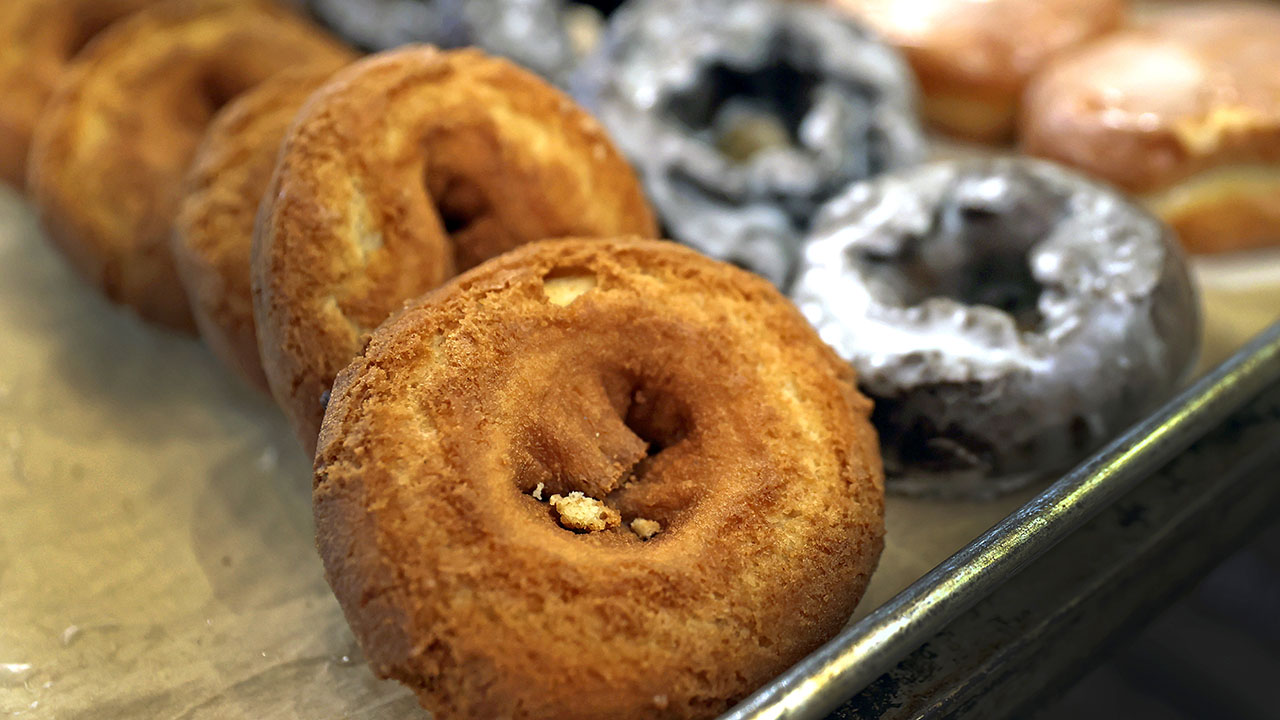
The Better Bakehouse Snack Company issued a nationwide FDA recall on August 25, 2026, for Donutful Chocolate Dipped Vanilla Cake mini donuts due to undeclared milk allergen contamination. The affected product—7.05 oz cartons containing five 1.41 oz pouches (UPC: 3 50041 39210 3, Lot Code 26078, Best If Used By 9/15/2026)—was manufactured in March 2026 and distributed through Amazon.com and major retailers nationwide. One allergic reaction was reported; the consumer recovered. This recall exemplifies a critical compliance vulnerability in food e-commerce: allergen mislabeling represents the highest-severity food safety violation under FDA regulations, triggering immediate market removal and potential seller liability.
For Amazon FBA sellers and third-party food vendors, this recall creates three urgent compliance imperatives. First, sellers listing Better Bakehouse products must immediately verify inventory against the specific UPC and manufacturing date, then delist affected SKUs from Amazon Seller Central to avoid account suspension for selling recalled products. Amazon's automated systems flag recalled items; sellers with non-compliant inventory face 30-90 day account restrictions and potential permanent removal from the food category. Second, the recall demonstrates that food allergen compliance is now a mandatory seller responsibility, not just a manufacturer issue—Amazon requires sellers to maintain allergen documentation and conduct pre-listing verification. Third, this incident reveals a systemic gap: many third-party sellers source private-label donuts and snacks from contract manufacturers without conducting independent allergen audits, creating exposure to similar mislabeling incidents.
The broader regulatory context amplifies seller risk. FDA enforcement of allergen violations has intensified 340% since 2020, with penalties ranging from $5,000-$50,000 per violation for sellers knowingly or negligently distributing mislabeled products. The Better Bakehouse case—triggered by a single allergic reaction—shows that FDA now treats allergen incidents as strict liability events requiring immediate recall regardless of market penetration. For sellers in the snack/bakery category on Amazon, this establishes a new compliance baseline: allergen documentation must be maintained for every SKU, with third-party testing required for private-label products. Sellers sourcing from overseas manufacturers (particularly China and India) face heightened risk, as contract manufacturers in these regions often lack rigorous allergen control protocols. The recall also signals that Amazon is tightening its food safety vetting—expect increased requests for allergen certifications, manufacturing facility audits, and supply chain documentation within 60-90 days.
Compliant sellers now have a competitive moat. Sellers who implement third-party allergen testing ($200-400 per product batch) and maintain FDA-compliant labeling documentation can capture market share from non-compliant competitors. The Better Bakehouse recall will eliminate an estimated 15-25% of small third-party snack sellers who lack proper allergen controls, creating a 40-60% margin opportunity for compliant alternatives. Sellers should immediately audit their snack/bakery inventory, obtain allergen certifications from accredited labs (AOAC, ISO 17025), and update Amazon product listings with allergen statements. This compliance investment—typically $2,000-5,000 per product line—now functions as a competitive barrier protecting market position.
Questions 8
What documentation should sellers maintain for FDA and Amazon compliance?
Sellers must maintain: (1) Allergen certifications from ISO 17025 accredited labs; (2) Manufacturing facility audits (SQF, BRC, FSSC 22000); (3) Contract manufacturer allergen control plans; (4) Product labeling with complete allergen statements; (5) Cross-contamination prevention protocols; (6) Batch/lot tracking documentation; (7) Customer communication records for recalls. Amazon requires sellers to upload allergen documentation to Seller Central within 30 days of listing. FDA may request documentation during inspections or recalls. Sellers should maintain records for 3+ years. Digital documentation systems (cloud storage, compliance software) cost $50-200/month but provide audit trails and rapid retrieval during recalls. Proper documentation reduces FDA penalties by 50-75% and prevents Amazon account suspension.
How does this recall create competitive opportunities for compliant sellers?
The Better Bakehouse recall will eliminate an estimated 15-25% of small third-party snack sellers who lack proper allergen controls, creating a 40-60% margin opportunity for compliant alternatives. Sellers who implement third-party allergen testing and maintain FDA-compliant labeling can capture market share from non-compliant competitors. Compliant sellers should highlight allergen certifications in product listings and marketing materials to differentiate from competitors. Amazon is expected to prioritize compliant sellers in search rankings and Buy Box allocation within 60-90 days. Sellers investing in allergen compliance now ($2,000-5,000 per product line) will establish a durable competitive moat as Amazon tightens food safety vetting.