





Apple Maps Ads Launch US/Canada | Local Business Advertising Opportunity
- Apple expands location-based advertising to 330M+ US/Canada users; early-adopter pricing available for local merchants and service-based sellers












Overview
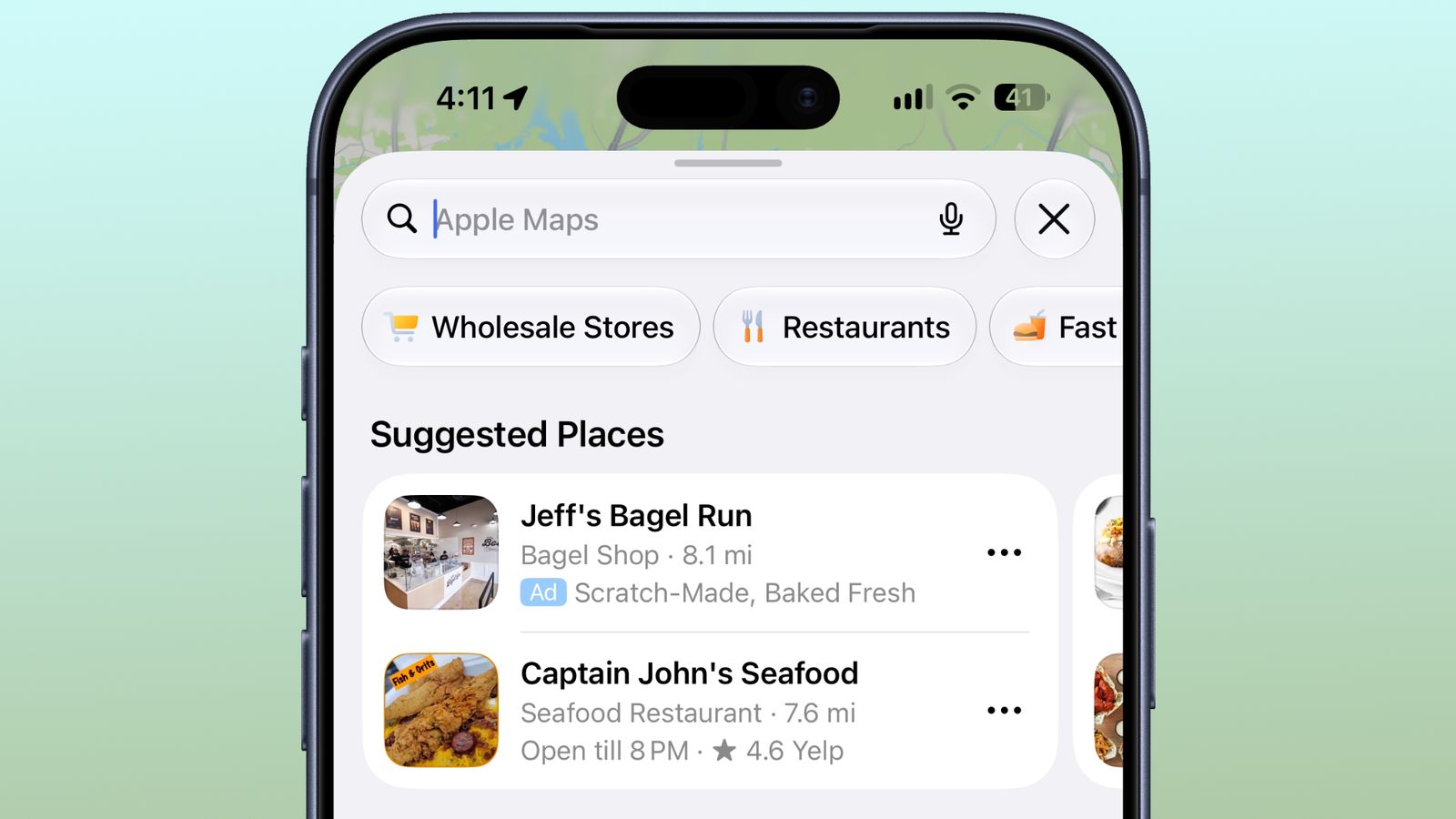
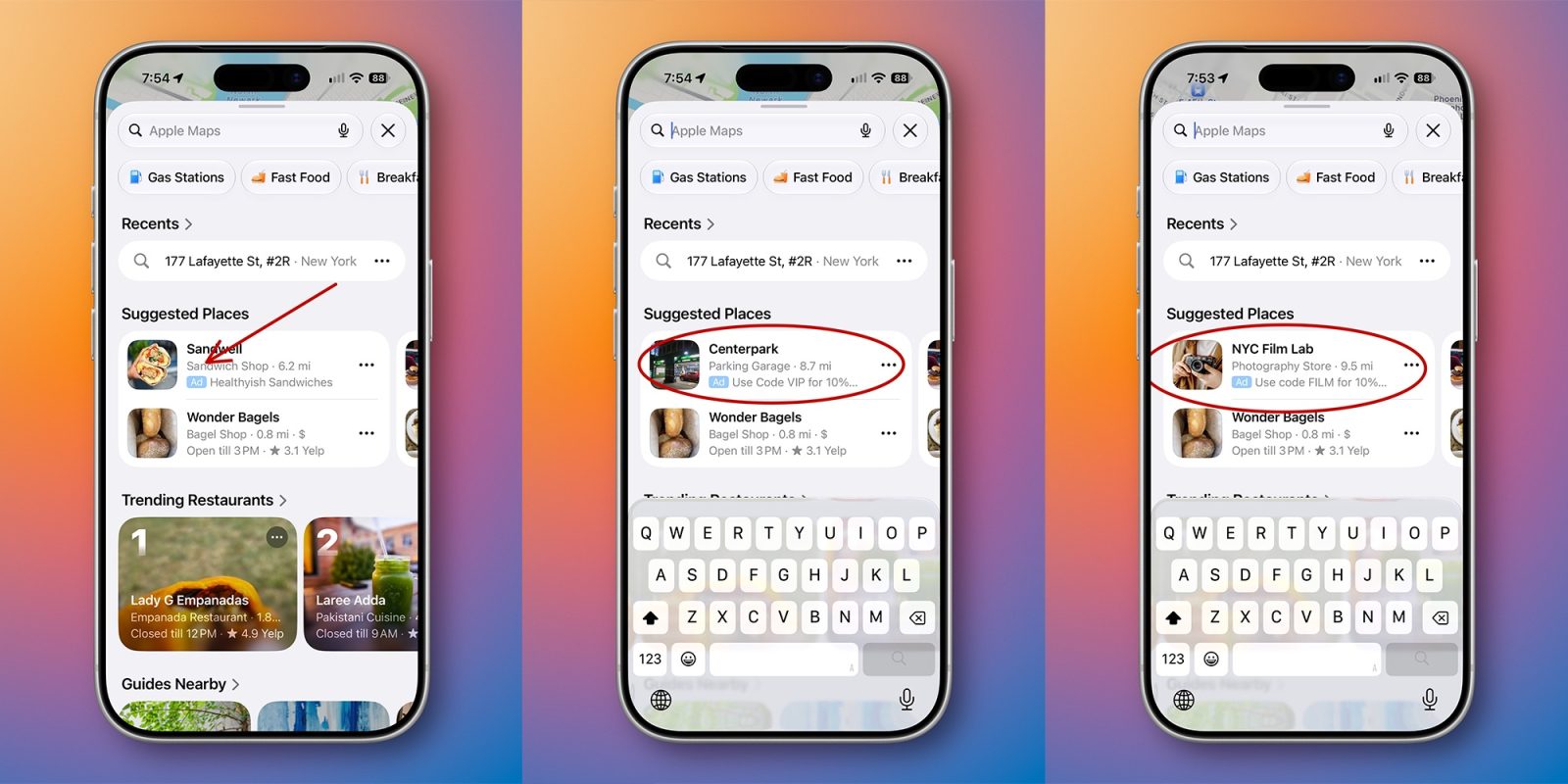
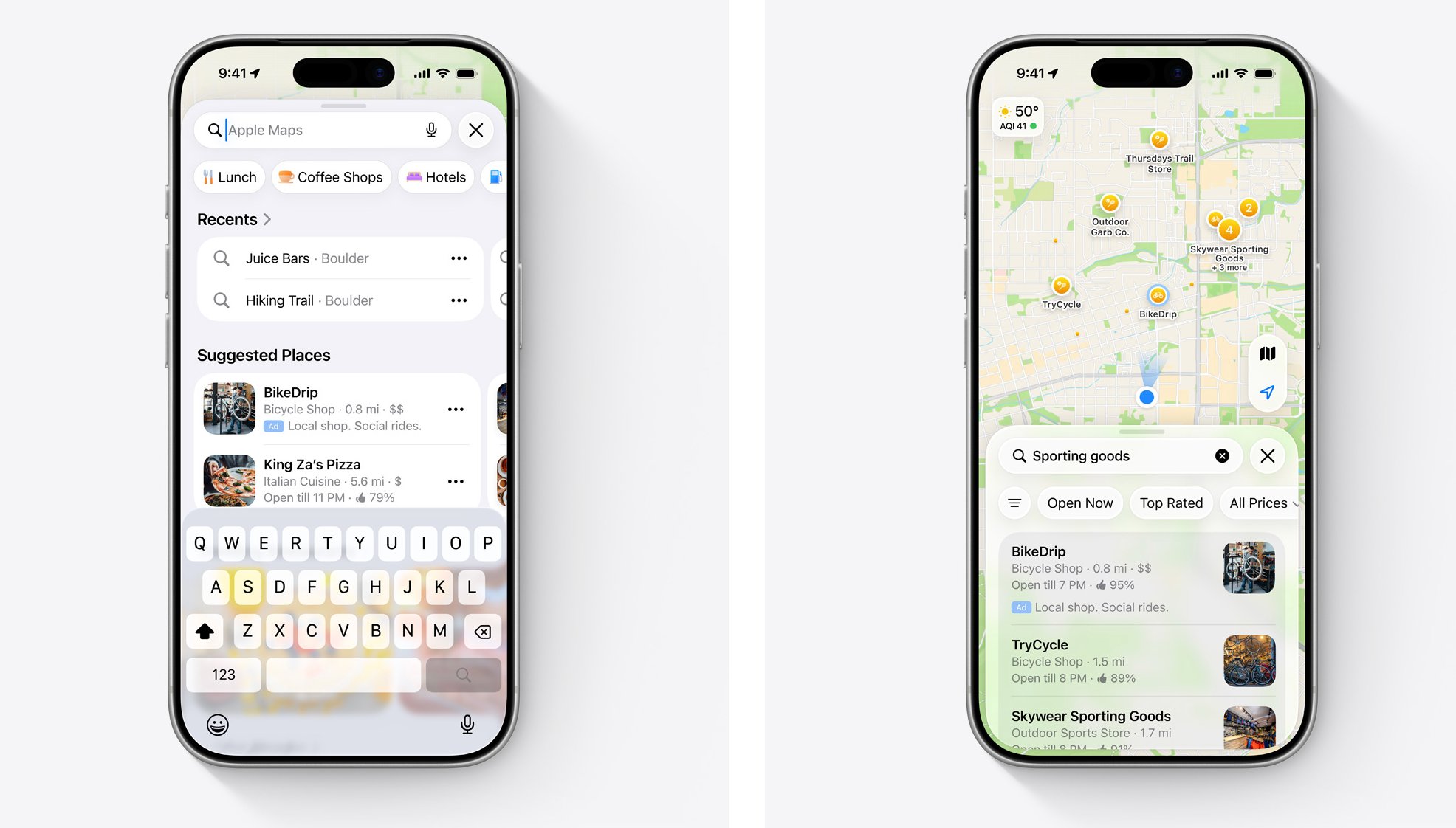
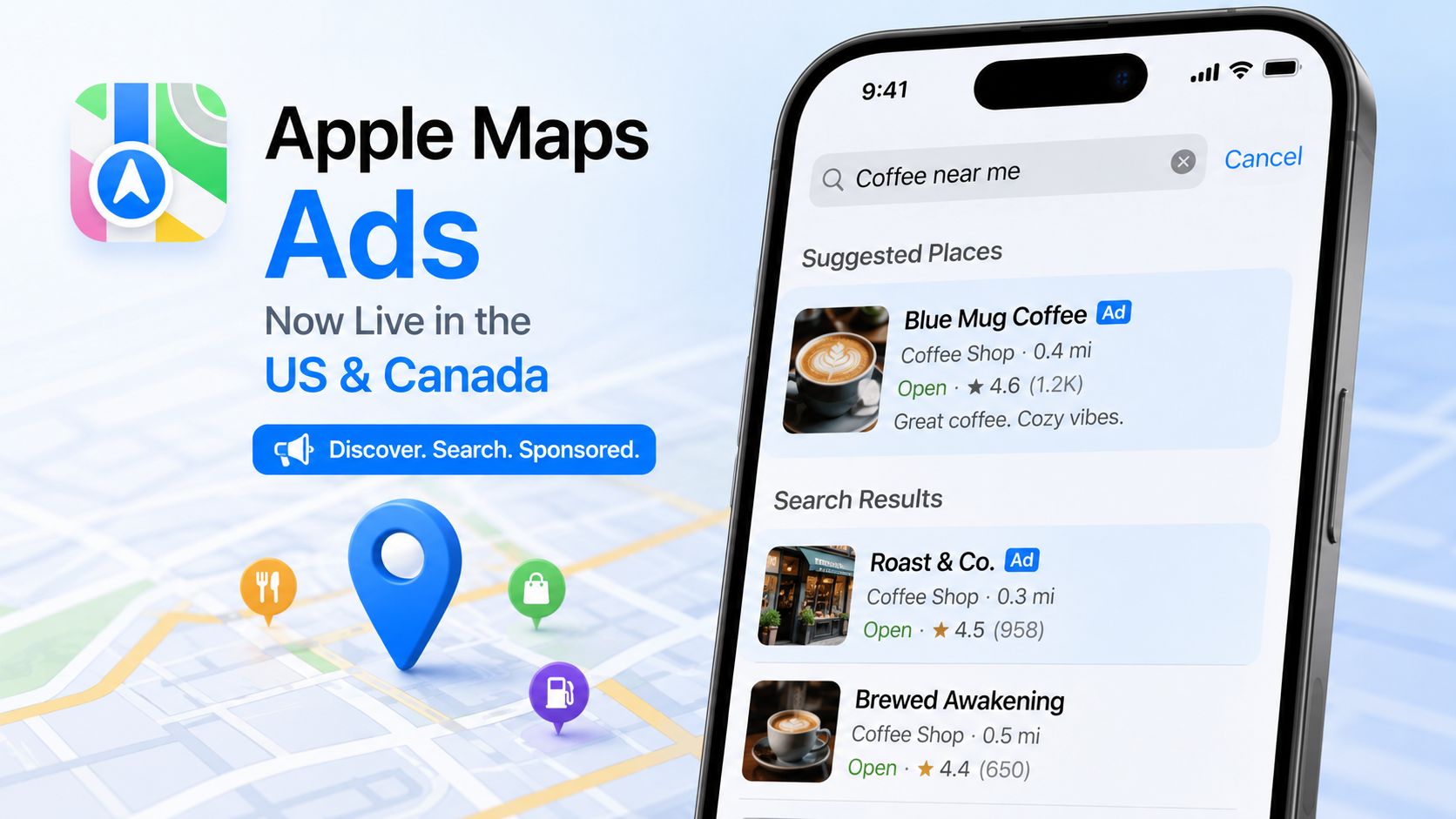
Apple Maps has officially launched location-based advertising across the United States and Canada, marking a major shift in how local businesses can reach high-intent customers actively searching for services. The rollout began in late August 2024 with broader availability expanding over the coming weeks. Ads appear in two prime locations: the "Suggested Places" section before users search, and within search results when relevant to queries. Each ad displays a blue "Ad" badge for transparency, mirroring Google Maps' proven advertising model that has generated billions in annual revenue.
For e-commerce sellers, this represents a critical new channel for local customer acquisition, particularly for service-based businesses, restaurants, retail locations, and small merchants. Apple emphasizes privacy-first advertising—user location data and ad interactions are not linked to Apple Accounts, stored on Apple servers, or shared with third parties. This privacy differentiation from Google's extensive tracking model appeals to privacy-conscious consumers and positions Apple as a trusted alternative. The company is currently offering promotional pricing to early adopters, creating a limited window for sellers to establish presence at lower CPCs before pricing normalizes.
The strategic opportunity for sellers centers on three key advantages: (1) High-intent audience targeting—users actively searching for specific services/locations represent peak-conversion moments, typically 3-5x higher conversion rates than display advertising; (2) Underpriced traffic window—early-adopter promotional pricing likely offers 30-50% cost advantages versus Google Maps' established CPCs ($1.50-4.00 per click for local services); (3) Emerging platform arbitrage—as Apple's 330M+ US/Canada users discover Maps ads, competition and costs remain low compared to saturated Google ecosystem. Categories with highest ROI potential include home services (plumbing, HVAC, cleaning), local restaurants, retail pickup services, and professional services (legal, medical, fitness).
Operational considerations for sellers: Apple's phased rollout ensures system stability while gathering user feedback. The integration into existing Maps interface means minimal friction for users discovering ads. Unlike Google's complex bidding systems, Apple's early implementation suggests simplified pricing models favoring small businesses. Sellers should monitor conversion metrics closely—Maps ads typically drive foot traffic and phone calls rather than direct e-commerce transactions, making attribution tracking essential. The privacy-first approach may also attract sellers concerned about GDPR/CCPA compliance, as Apple's local-device data processing reduces regulatory exposure compared to cross-platform tracking competitors.
Questions 7
How should sellers optimize Apple Maps ad creative and messaging?
Apple Maps ads appear as text listings with business name, category, and optional promotional messaging. Optimization focuses on: (1) **Clear value proposition**—highlight unique service (e.g., '24/7 Emergency Plumbing' vs. generic 'Plumbing'); (2) **Trust signals**—include ratings/reviews if available, years in business, certifications; (3) **Call-to-action**—'Call Now,' 'Book Online,' 'Get Directions' drives immediate action; (4) **Promotional hooks**—'First-Time Customer Discount,' 'Same-Day Service' increase click-through rates. Test 2-3 messaging variants per campaign. Since Apple prioritizes user experience, avoid aggressive or misleading claims. A/B test headlines and descriptions weekly; high-intent searches reward specificity over broad messaging. Monitor quality score equivalents (Apple's ad relevance metrics) to maintain lower CPCs.
Are there compliance or privacy concerns sellers should address before launching?
Apple's privacy-first model actually reduces compliance burden compared to Google Maps. Since location data and ad interactions remain on user devices and are not shared with third parties, sellers face minimal GDPR/CCPA exposure. However, sellers must still comply with local advertising regulations: no misleading claims, accurate business information (hours, location, services), and transparent pricing. Ensure business listings are verified and current before launching ads—incorrect information damages trust and wastes ad spend. For sellers in regulated industries (medical, legal, financial), verify Apple's advertising policies align with professional standards. No special data processing agreements required since Apple doesn't share user data with advertisers, simplifying legal setup versus Google's data-sharing model.