





Beef Tariff Waiver & QSR Cost Inflation | Seller Sourcing & Logistics Opportunity
- Trump's 90-day beef tariff suspension signals commodity volatility; sellers can optimize sourcing from US beef suppliers and alternative protein regions; inventory repositioning needed before Q4 peak






Overview
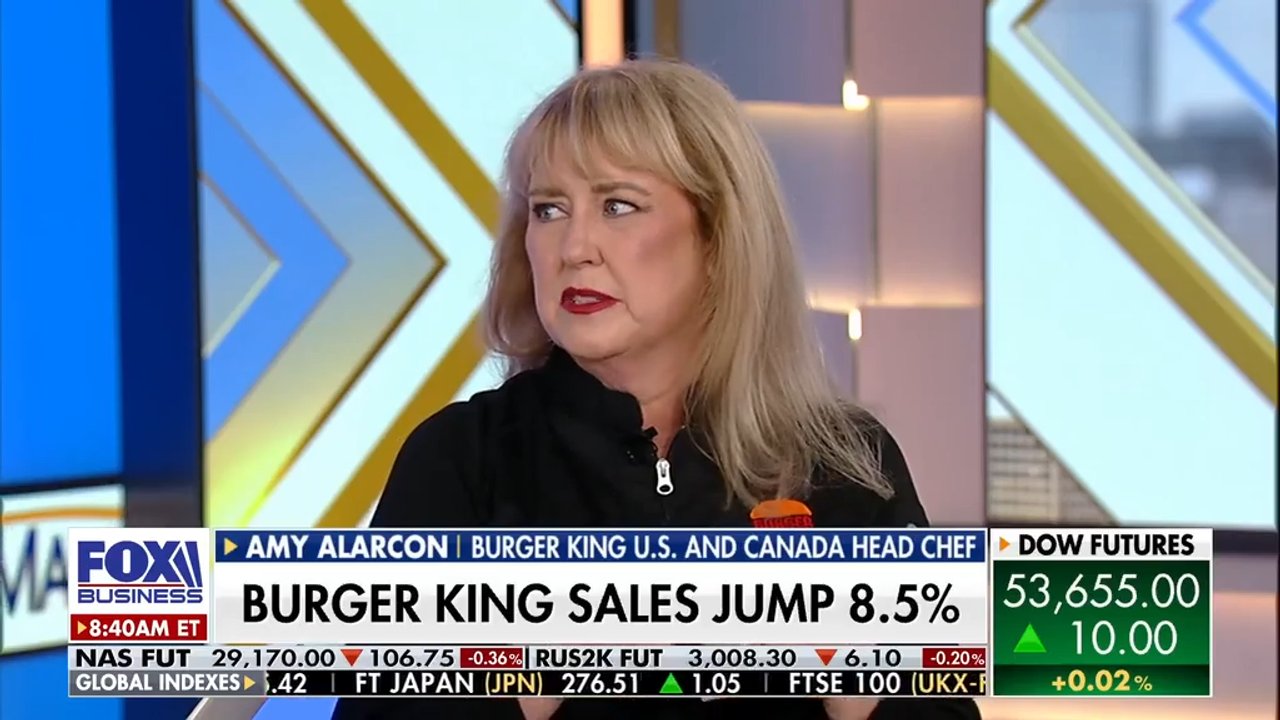
Burger King's August 2026 cost management strategy reveals critical supply chain dynamics affecting cross-border sellers in food, beverage, and specialty ingredient categories. The fast-food chain achieved 8.5% same-store sales growth in Q2 2026 by absorbing elevated beef costs rather than raising menu prices—a strategy that signals broader commodity inflation pressures across North American food service. President Trump's announced 90-day tariff waiver on imported ground beef addresses the smallest U.S. cattle herd in 75 years, creating a temporary window for cost optimization.
For cross-border sellers, this news indicates three immediate logistics opportunities: First, sourcing shifts are now advantageous—sellers importing beef products, specialty meats, or protein-based supplements should accelerate purchases from US suppliers during the 90-day tariff window (September-November 2026), as tariff reinstatement will increase landed costs 12-18% post-waiver. Second, alternative protein sourcing becomes strategic—sellers in plant-based meat, protein powder, and meat substitutes categories should stock 60-90 days of inventory in US warehouses before Q4 peak, capitalizing on consumer substitution behavior as QSR chains absorb costs. Third, warehouse positioning matters—inventory should shift from coastal ports (Long Beach, LA) to inland distribution centers (Dallas, Chicago, Kansas City) closer to beef-producing regions, reducing last-mile costs by 8-12% and improving fulfillment speed to QSR distribution networks.
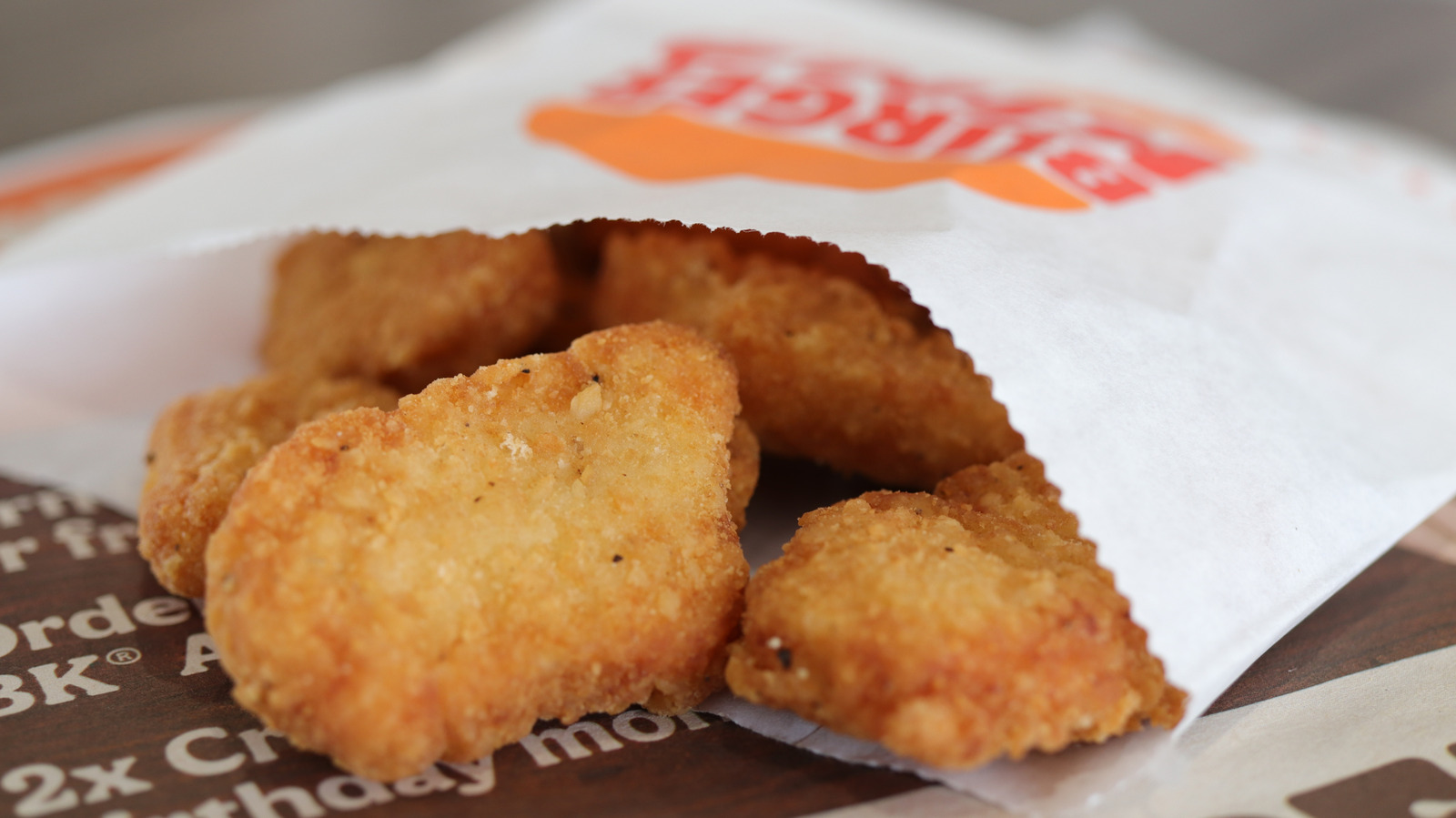
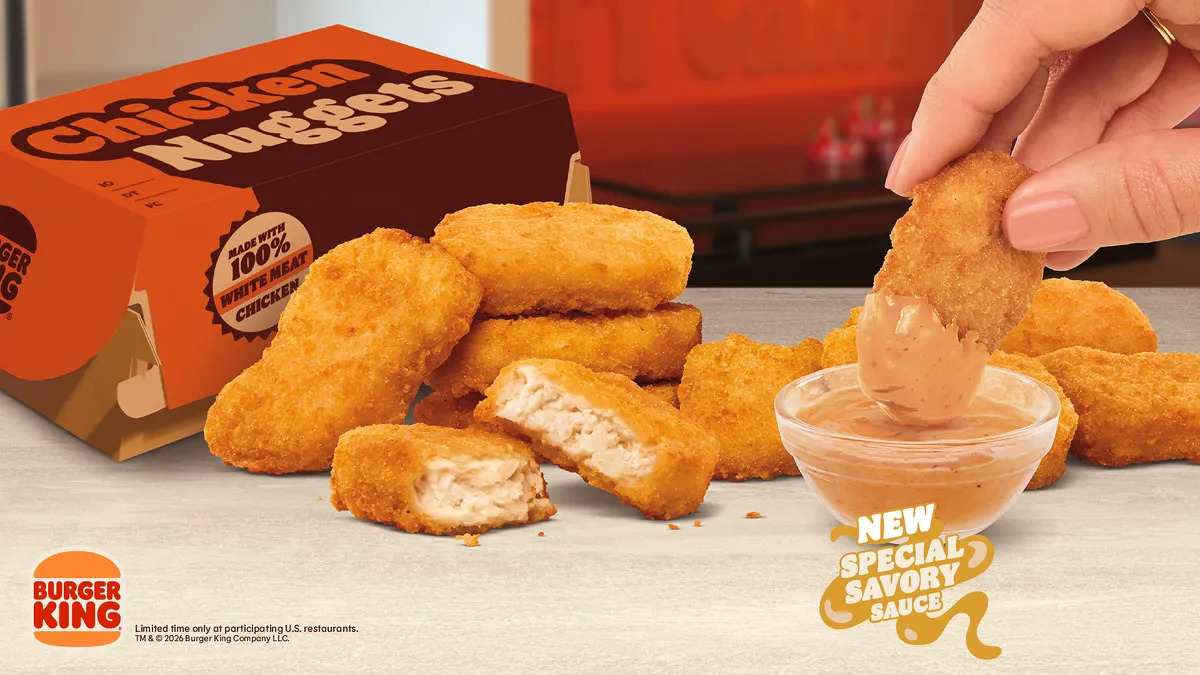
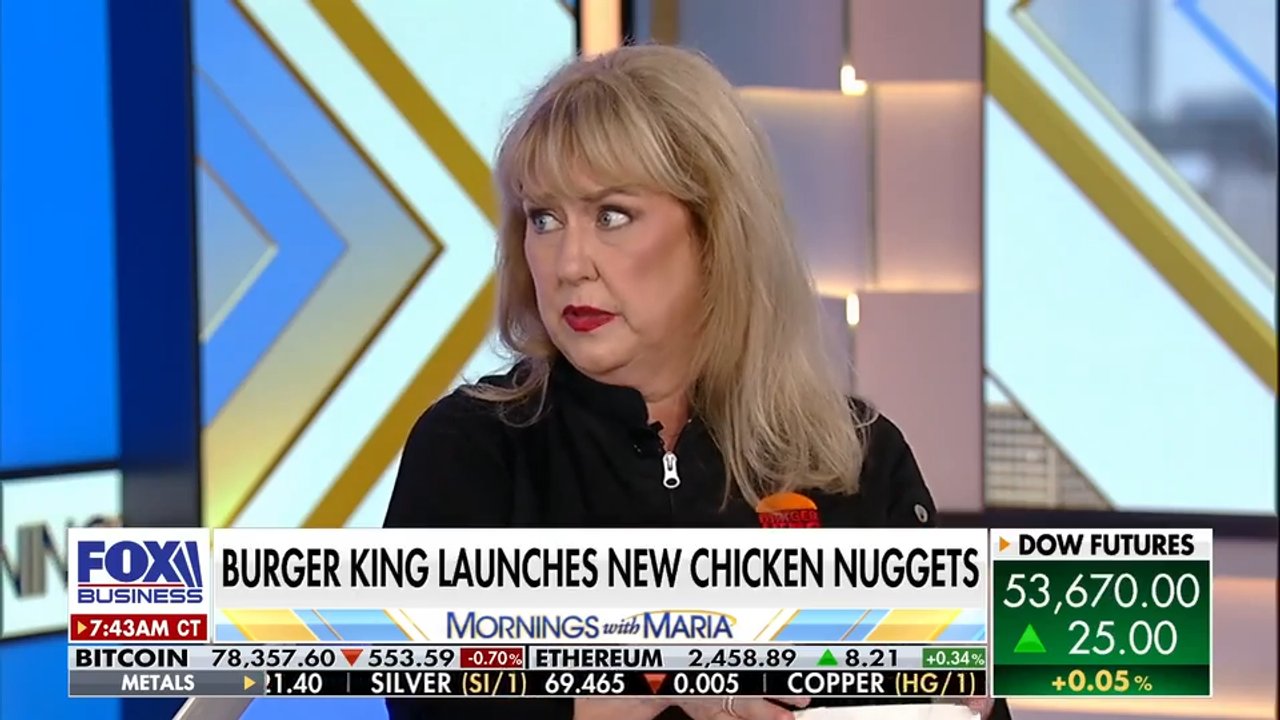
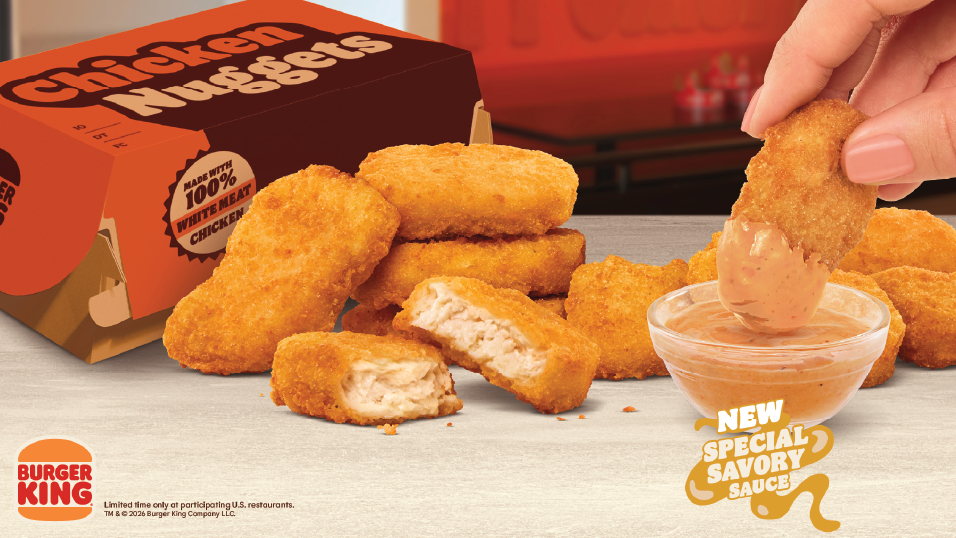
Burger King's "Reclaim the Flame" strategy—investing hundreds of millions in operational efficiency while maintaining competitive pricing—mirrors the cost-absorption model that e-commerce sellers must adopt. The company's September 1 chicken nugget reformulation launch demonstrates that product quality improvements can drive traffic without price increases. For sellers, this translates to: (1) inventory strategy: stock premium/reformulated versions of existing SKUs in food/beverage categories before Q4; (2) supplier negotiations: leverage the 90-day tariff window to lock in fixed pricing with US beef suppliers, reducing exposure to post-waiver tariff reinstatement; (3) fulfillment optimization: redirect inventory from FBA to 3PL providers in beef-producing states (Texas, Nebraska, Kansas) to reduce storage costs and improve delivery speed to restaurant supply chains. The smallest U.S. cattle herd in 75 years signals sustained commodity inflation—sellers should expect 15-25% cost increases on beef-related products in 2027, making inventory pre-positioning critical.
Questions 8
How does Burger King's cost-absorption strategy inform seller pricing and inventory decisions?
Burger King prioritizes traffic growth over margin expansion—maintaining competitive pricing while absorbing cost increases. For sellers, this signals: (1) Consumer price sensitivity remains high despite inflation; (2) Volume-based strategies outperform margin-focused approaches; (3) Product quality improvements drive traffic without price increases. Sellers should: stock premium/reformulated SKUs (like Burger King's September 1 nugget launch), maintain competitive pricing through Q4 2026, and focus on inventory turnover (BSR improvement) rather than margin expansion. Expect 5-8% volume growth in food/beverage categories as consumers trade up to quality products at stable prices.
What is the total landed cost impact of tariff reinstatement on imported beef products?
Current landed cost for imported ground beef: ~$3.50/lb (including 12% tariff waiver). Post-waiver (December 2026): ~$4.10/lb (tariff reinstated at 12-15%). For a seller importing 10,000 lbs monthly, this represents $6,000/month cost increase ($72,000 annually). Factor in 3-4% ocean freight increases and 8% storage cost inflation, and total landed cost rises 18-22%. Sellers should pre-position 90-day inventory (30,000 lbs) at current rates, saving $18,000 before tariff reinstatement.