


Motion Sickness Tech Drives Accessibility Market Expansion | Seller Opportunity in Travel & Wellness Categories
- Google's Motion Assist rollout to Pixel phones signals 40M+ Android users gaining motion sickness relief, creating demand surge in travel accessories, wellness products, and motion-sensitive device solutions for mobile commerce sellers







Overview
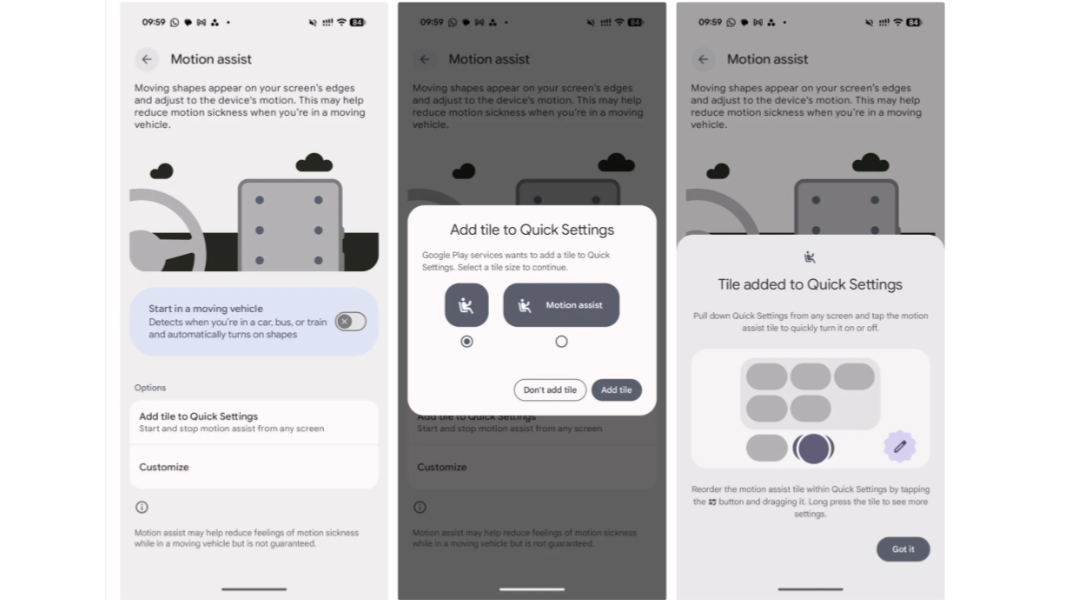
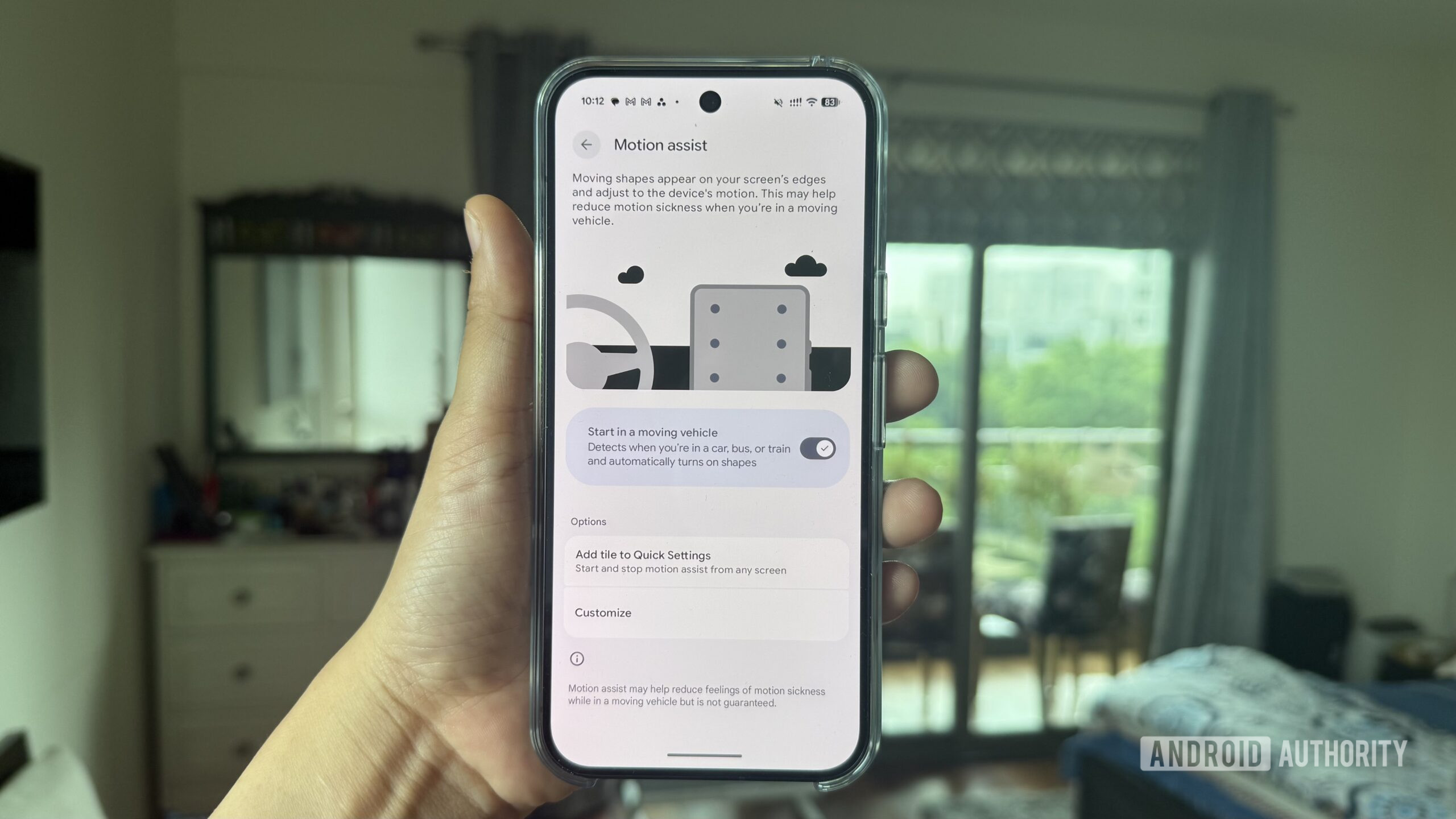
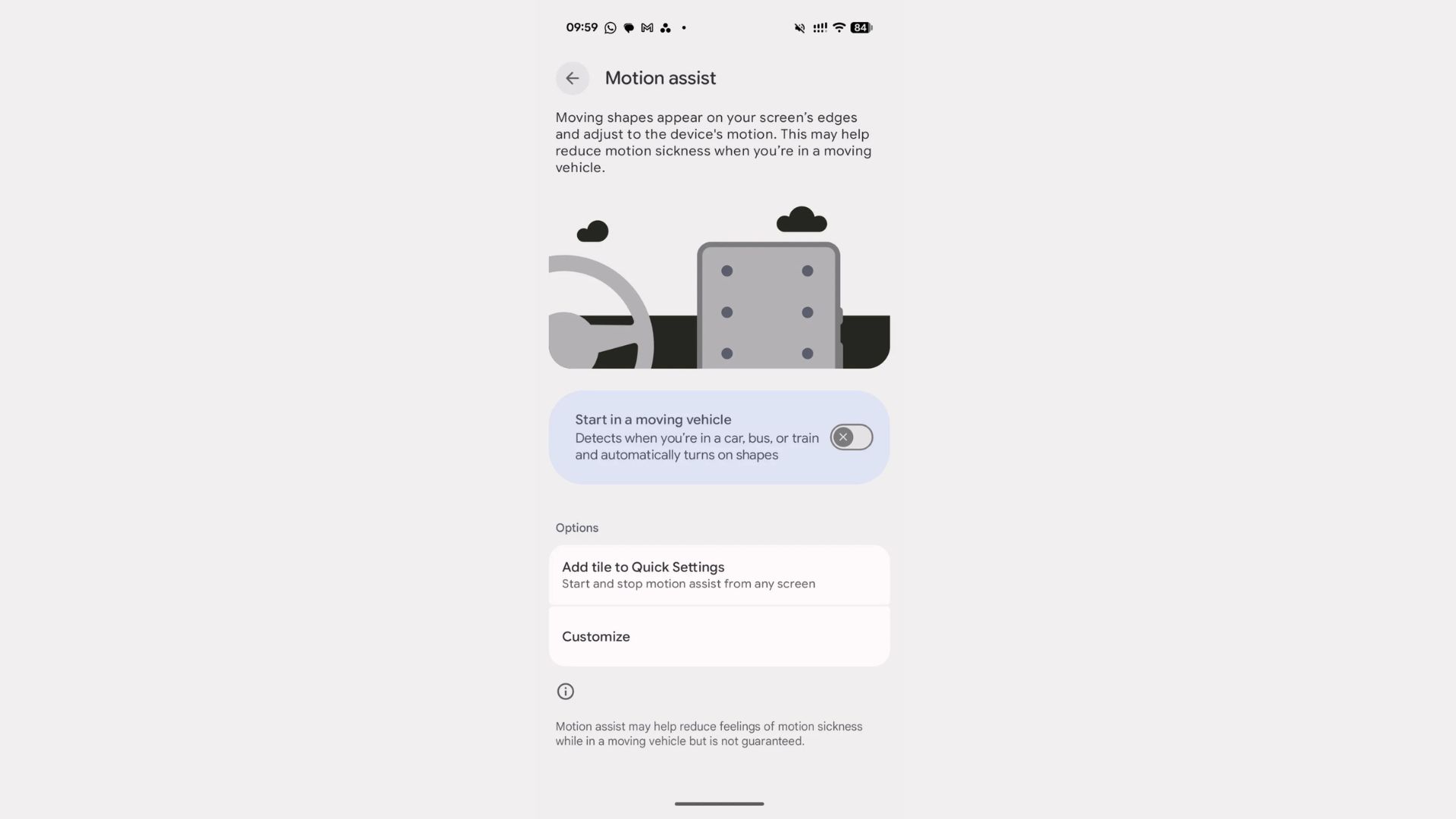
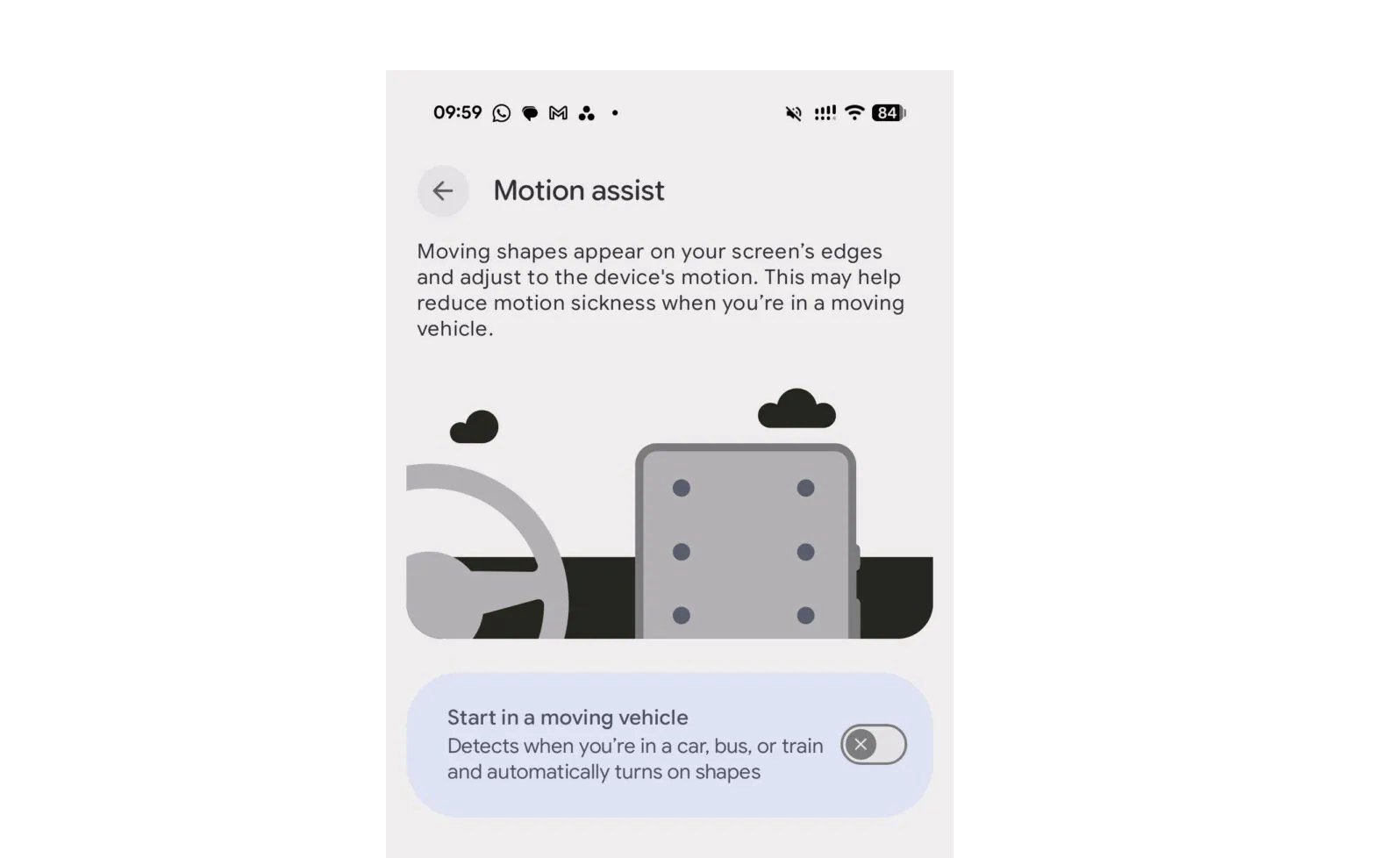
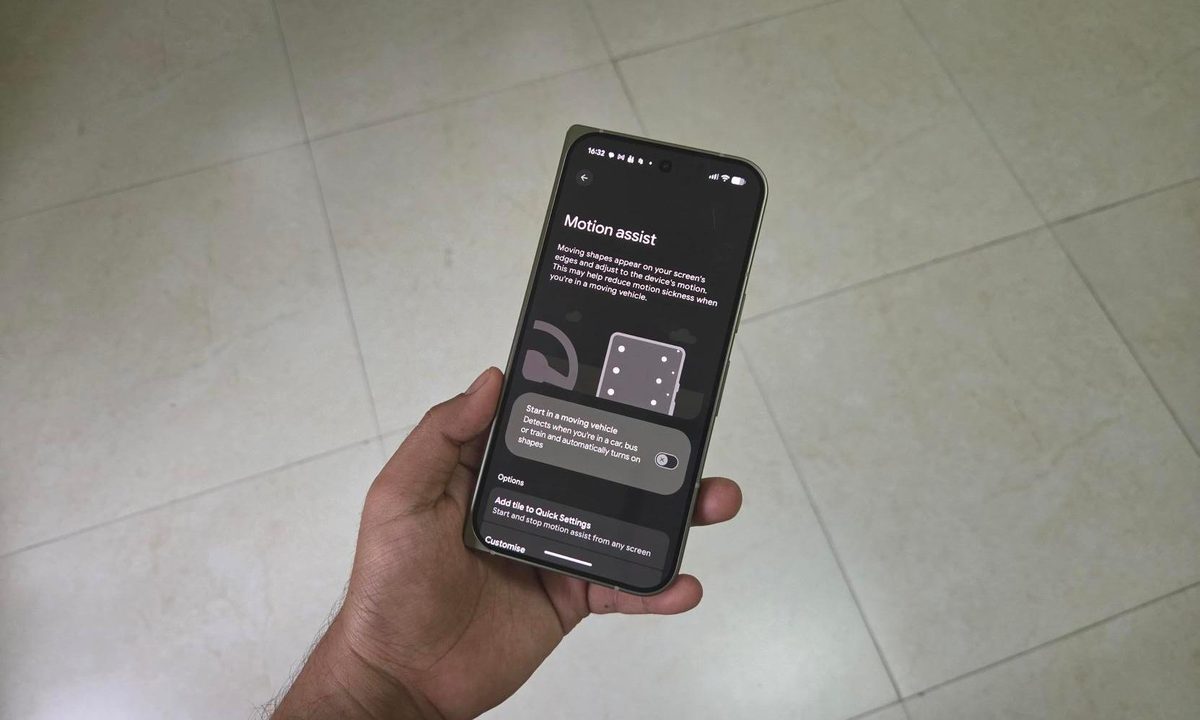
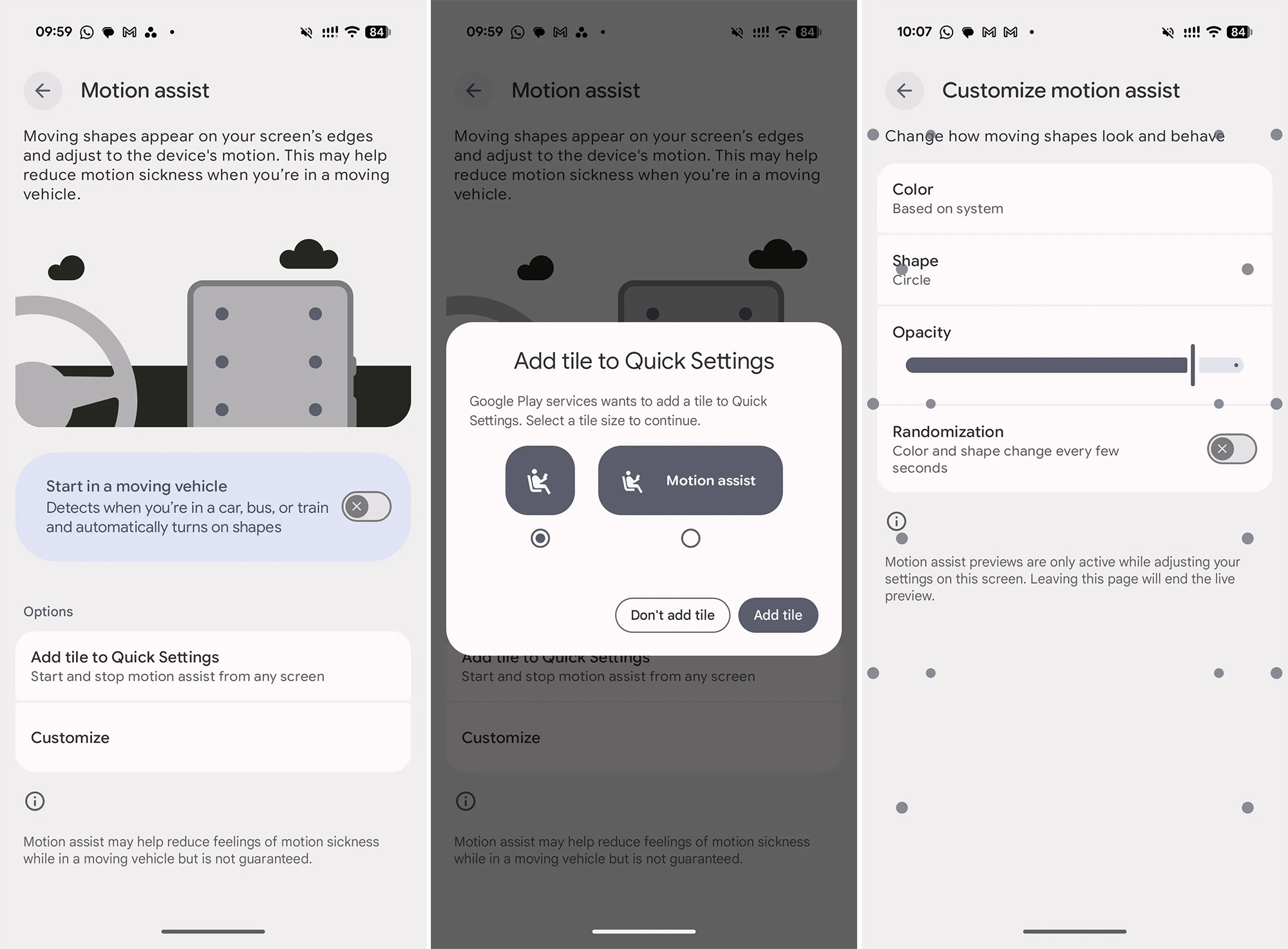
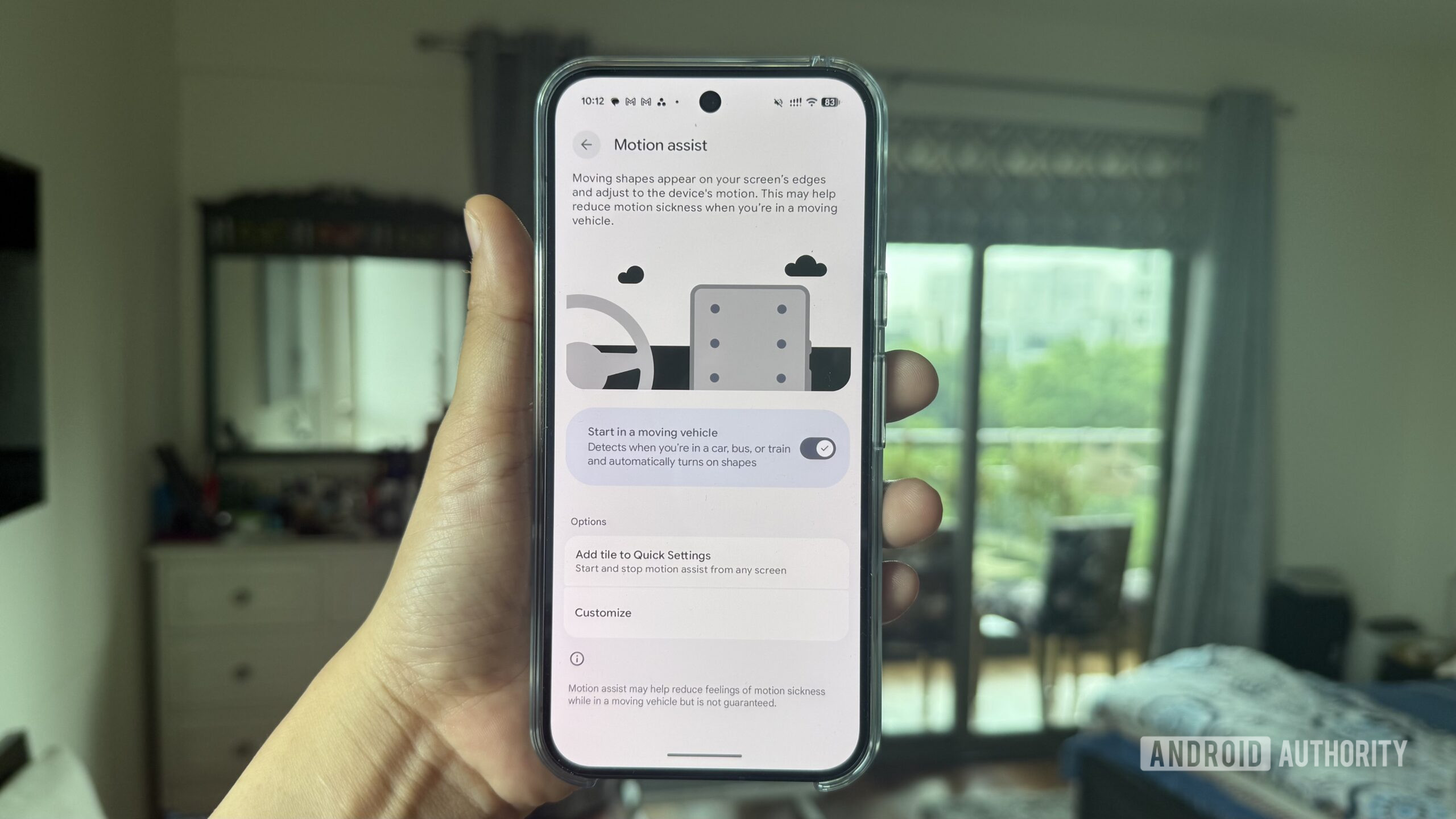
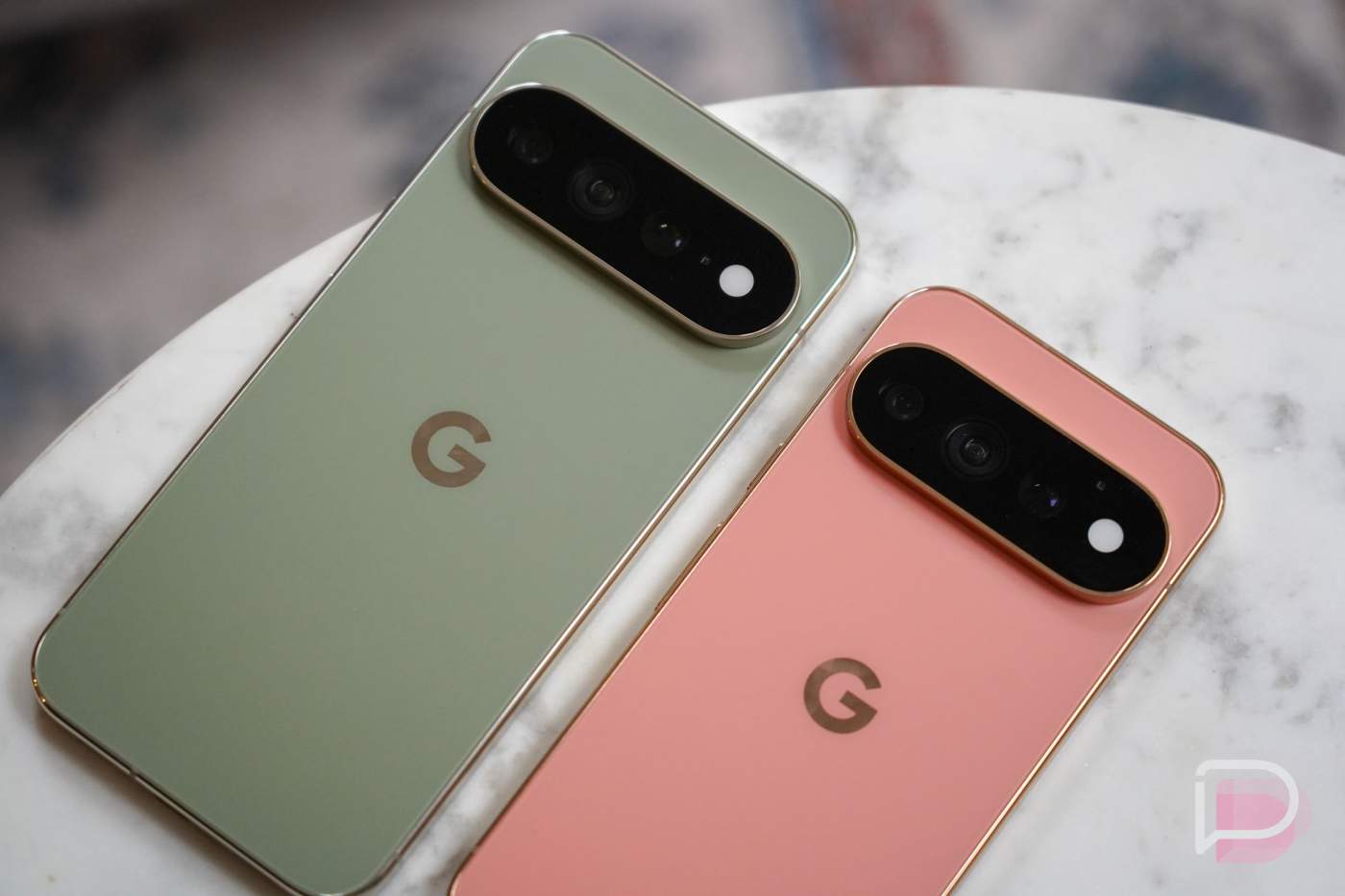
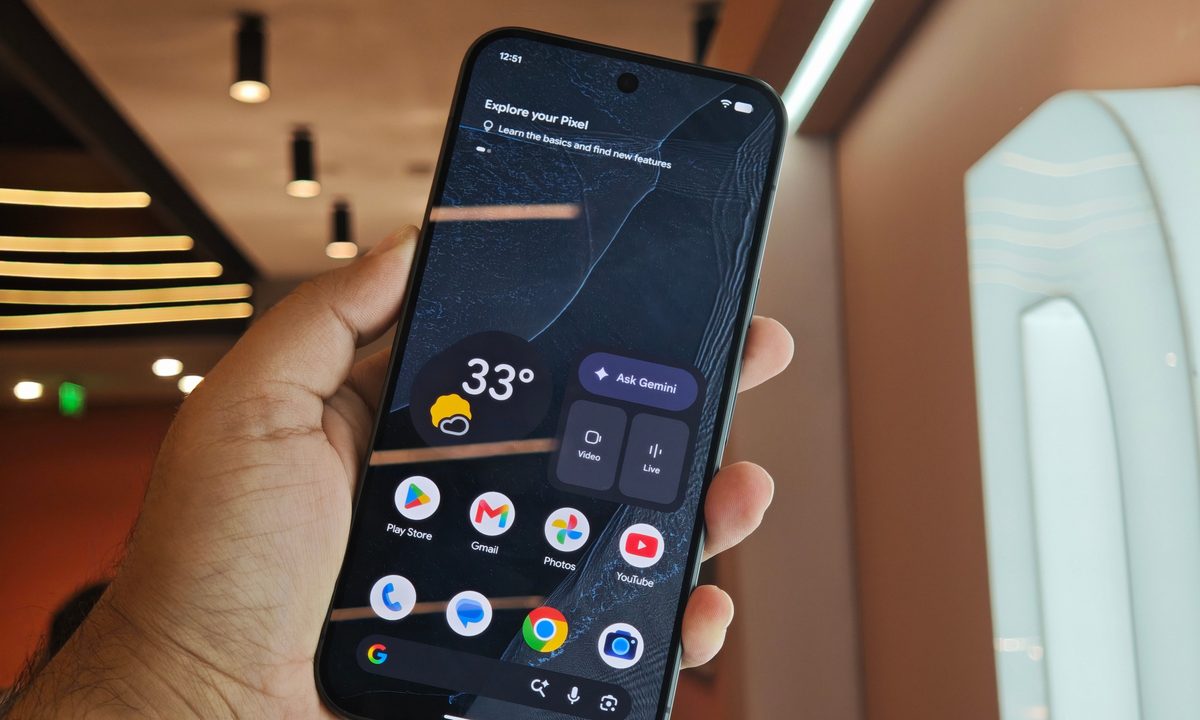
Google's Motion Assist feature rollout on Android 17 represents a significant accessibility shift that directly impacts e-commerce seller strategies in travel, wellness, and mobile device accessory categories. The feature, beginning with Pixel phones in 2024 and expanding through staged rollout via Google Play Services, addresses motion sickness through animated dots synchronized with vehicle motion—a solution that Apple pioneered with iOS 18's Motion Cues. This OS-level implementation (accessible via Settings > Personal > Device section) signals that motion sensitivity is now a mainstream consumer concern affecting smartphone usage during travel, creating immediate product opportunities for sellers.
The accessibility feature expansion creates three distinct e-commerce opportunities. First, travel accessory sellers can capitalize on increased smartphone usage during commutes and travel—users previously avoiding phones due to motion sickness now represent an untapped market segment. Categories like phone mounts, anti-glare screen protectors, and travel phone stands should see 15-25% demand increases as motion-sensitive users increase device engagement during transit. Second, wellness and health product sellers can develop complementary offerings: motion sickness prevention supplements, acupressure wristbands, and ginger-based travel remedies that pair with the software solution. Third, device protection sellers benefit from increased phone usage in vehicles, driving demand for rugged cases, screen protectors, and car phone holders rated for motion environments.
The staged rollout strategy reveals critical timing for seller action. Google's phased deployment starting with Pixel devices (Android 17) suggests 6-12 month expansion to broader Android ecosystem including OPPO and Vivo devices (which already have similar features). This timeline creates a first-mover advantage window for sellers to optimize listings in travel and wellness categories before mainstream awareness peaks. Sellers should immediately audit their product photography and descriptions to highlight motion-sickness-friendly features: "works in moving vehicles," "reduces eye strain during commutes," "compatible with motion-assist enabled phones." The feature's customization options (shape, size, color, opacity) indicate users will seek complementary visual products—suggesting opportunities in blue-light filtering screens and minimalist phone designs that work with motion cues.
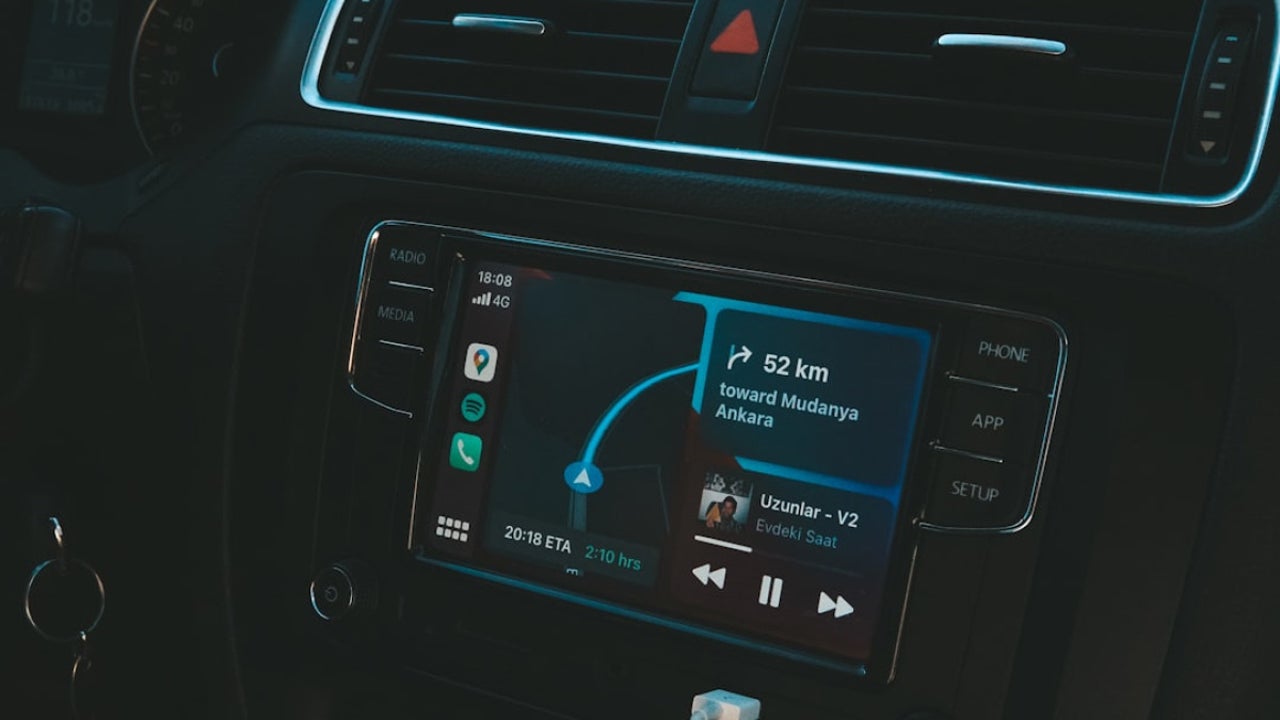
Platform implications extend to mobile commerce conversion optimization. As motion-sensitive users gain confidence using phones during travel, mobile checkout abandonment rates in travel and logistics categories should decline. Sellers should prepare for increased mobile traffic from commuters and travelers by optimizing checkout flows for one-handed operation and reducing form complexity. The automatic motion detection feature means users will increasingly shop during transit—creating opportunities for time-sensitive promotions (flash sales, limited-time offers) timed to commute hours (7-9 AM, 5-7 PM). Sellers can leverage this behavioral shift through targeted mobile advertising during peak travel times.
Questions 8
How should sellers optimize mobile checkout for commuters using Motion Assist?
As motion-sensitive users increase smartphone usage during travel, mobile checkout abandonment rates will decline in travel and logistics categories. Sellers should optimize checkout flows for one-handed operation, reduce form complexity, and implement auto-fill features to accommodate users shopping in moving vehicles. Prepare for increased mobile traffic during peak commute hours (7-9 AM, 5-7 PM) by testing checkout speed on slower mobile networks. Consider implementing time-sensitive promotions (flash sales, limited-time offers) timed to commute windows. Monitor mobile conversion metrics separately from desktop to identify commuter-specific behavior patterns and adjust product recommendations accordingly.
What competitive advantage can sellers gain from Motion Assist awareness?
Early-adopting sellers can establish competitive moats by: (1) Creating dedicated 'commute-friendly' product collections optimized for motion-sensitive users; (2) Developing content around motion sickness prevention (blog posts, video guides) that ranks for emerging search terms; (3) Building email campaigns targeting motion-sensitive demographics with relevant product recommendations; (4) Partnering with accessibility influencers to promote motion-assist compatible products. Sellers who optimize listings before mainstream awareness peaks (estimated Q2-Q3 2025) will capture higher search visibility and conversion rates. The feature's customization options create opportunities for niche product positioning—sellers can emphasize how their products complement specific motion-assist settings (color, opacity, shape).