



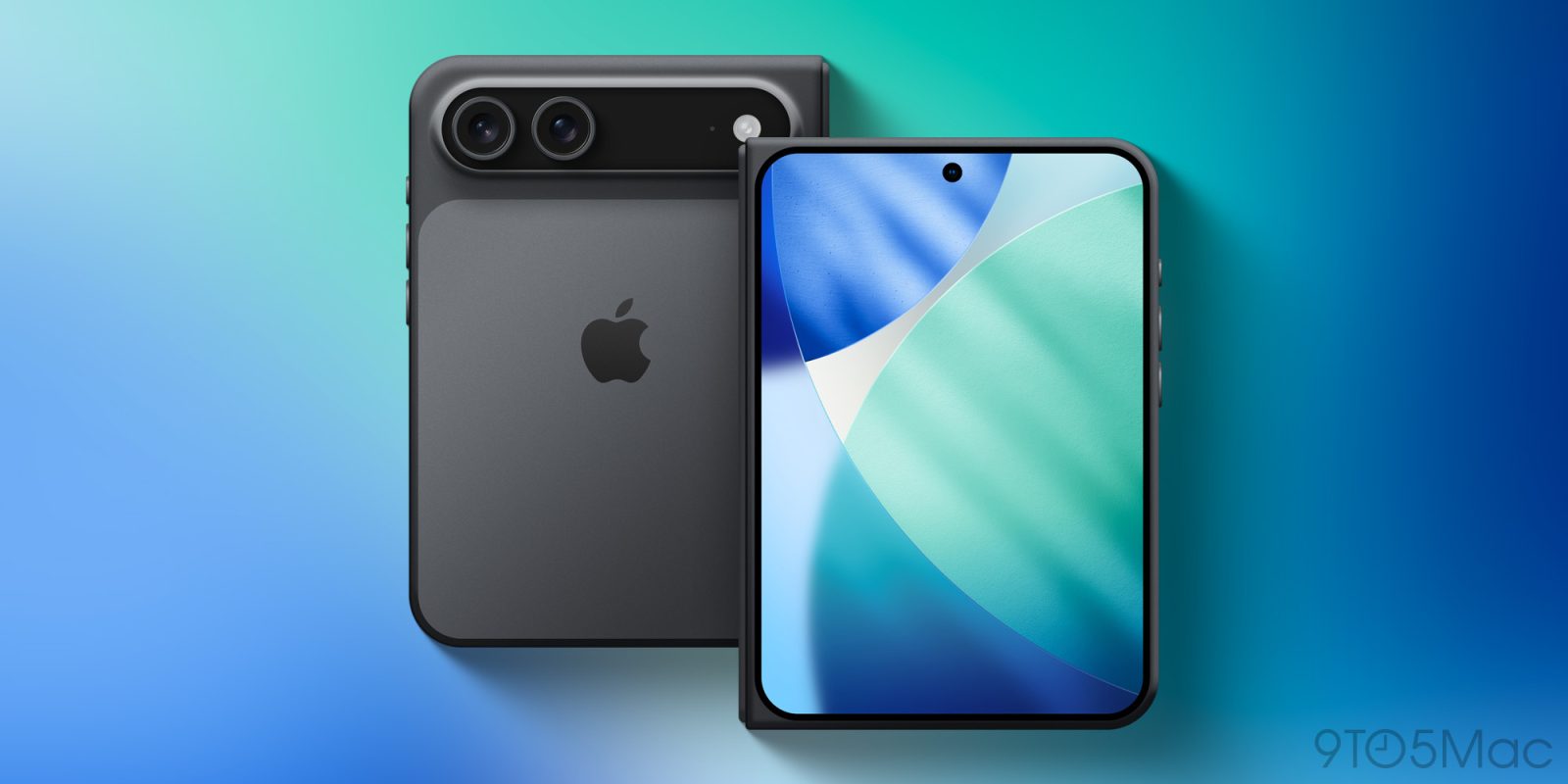
Apple Foldable iPhone 10M Units | Accessory Sellers' $2B+ Opportunity Window
- IDC projects 10 million first-year foldable iPhone shipments, creating urgent inventory demand for protective cases, screen protectors, and specialized accessories across Amazon, eBay, and Shopify platforms





Overview
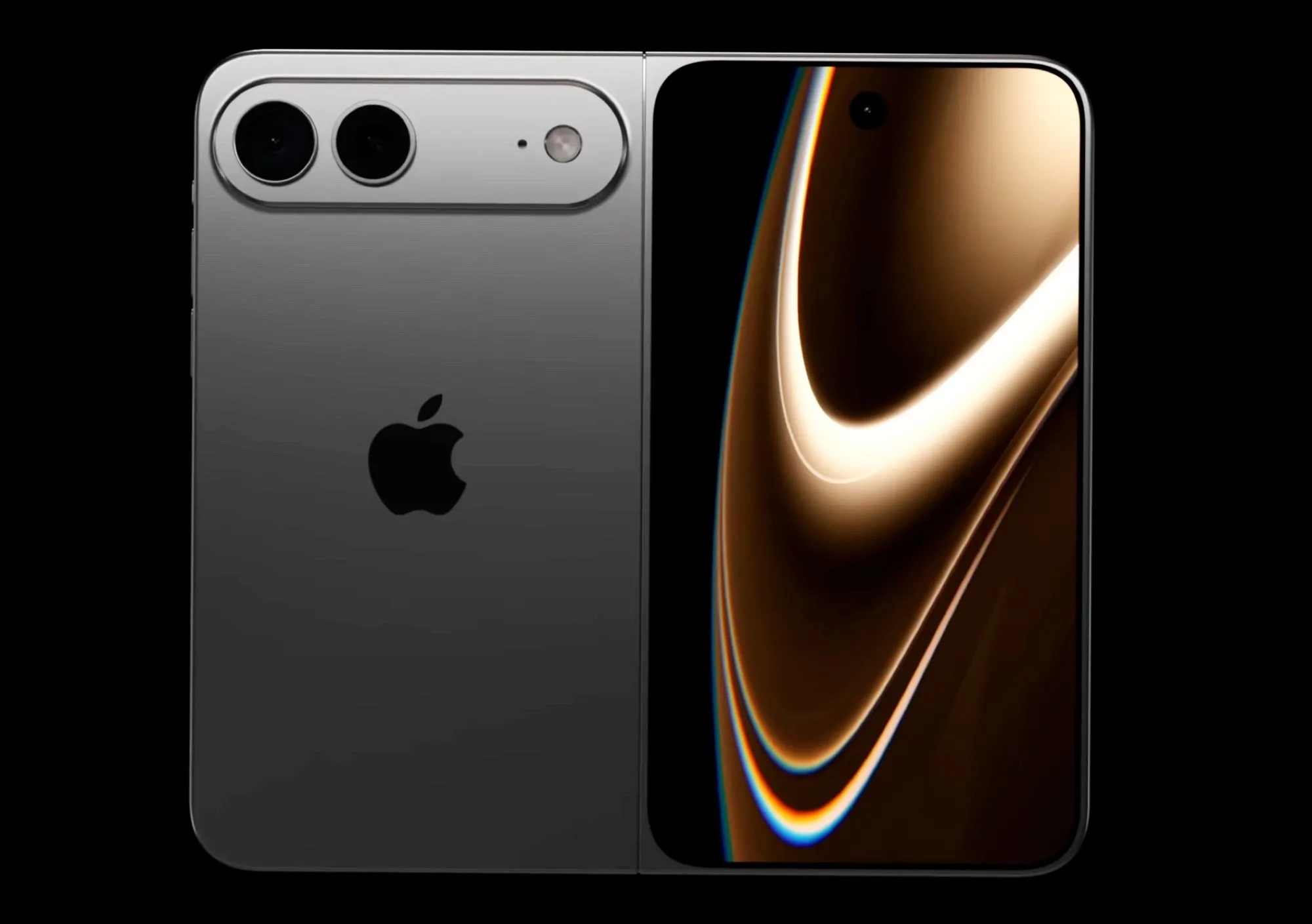
Apple's projected entry into the foldable smartphone market with 10 million units in year one represents a watershed moment for cross-border e-commerce sellers specializing in smartphone accessories. According to IDC's analysis, this launch validates foldable technology's mainstream viability and will accelerate broader market adoption beyond Samsung's current dominance. The 10 million unit forecast positions Apple's foldable as comparable to flagship releases like the iPhone 15 Pro, which shipped 35-40 million units annually—meaning foldable accessories could represent 25-30% of Apple's accessory ecosystem revenue.
Immediate Logistics & Sourcing Implications: Sellers must recognize that foldable iPhone accessories require different supply chain positioning than traditional smartphone cases. The specialized nature of foldable protection (hinge covers, flexible screen protectors, dual-screen cases) means sourcing from established manufacturers in Shenzhen, Dongguan, and Suzhou becomes critical NOW. Lead times for custom foldable cases typically run 45-60 days from order to port, meaning sellers who delay sourcing decisions will miss the Q4 2025 launch window. Current ocean freight rates from China to US West Coast ports (Los Angeles, Long Beach) average $800-1,200/40ft container; air freight runs $4.50-6.50/kg for urgent orders. Sellers should lock in container space with freight forwarders immediately—foldable accessory demand will create port congestion similar to iPhone 15 launch (September 2023), when container availability tightened 35-40%.
Inventory Strategy & Warehouse Positioning: The 10 million unit projection suggests 15-25 million accessory units will be demanded globally (industry standard is 1.5-2.5 accessories per device). Sellers should pre-position inventory in US FBA warehouses (particularly California, Texas, and Virginia hubs) by August 2025 to capture September-October demand peaks. Protective cases represent 40-50% of foldable accessory revenue; screen protectors 25-30%; charging accessories 15-20%. Storage costs in Amazon FBA average $0.87/unit/month for standard-size items; sellers holding 50,000 units of cases face $43,500 monthly storage costs. However, foldable case margins typically run 45-60% (vs. 35-45% for standard cases) due to specialized manufacturing, justifying aggressive inventory positioning.
Market Segmentation & Regional Opportunities: North America and Western Europe represent 65-70% of foldable accessory demand; Asia Pacific (excluding China) 20-25%; emerging markets 5-10%. US sellers should prioritize Amazon FBA for mainstream cases (BSR potential in top 100 electronics accessories); eBay for premium/niche foldable cases; Shopify for direct-to-consumer branded accessories. European sellers face VAT compliance complexity—foldable accessories imported from China require proper HS code classification (typically 3926.90 for plastic cases, 7007.19 for glass protectors) and VAT registration in destination countries. Tariff exposure: US tariffs on smartphone cases average 0% (duty-free under USMCA); EU tariffs 0%; but anti-dumping duties on Chinese electronics accessories (currently 17-25%) could apply if cases are classified as "electronic components."
Competitive Landscape & Timing: Samsung's foldable accessory market (Galaxy Z Fold/Flip) currently generates $400-600M annually across all channels. Apple's entry will expand total foldable accessory TAM to $1.2-1.8B within 18 months. Early movers (sellers launching foldable cases 30-60 days before Apple's official launch) capture 40-50% of initial demand; late entrants (post-launch) see 60-70% margin compression as competition intensifies. Established case manufacturers (Spigen, Ringke, ESR) will dominate premium segments; third-party sellers can capture value in budget ($8-15), mid-range ($15-30), and niche categories (gaming, professional, eco-friendly materials).
Questions 8
What competitive threats should sellers monitor as Apple's foldable iPhone launch approaches?
Established case manufacturers (Spigen, Ringke, ESR, OtterBox) will dominate premium segments with 20-30% market share within 6 months of launch. Amazon's private label brands (Amazon Basics, Mama Bear) will enter budget segment ($8-12 price point) with aggressive pricing, compressing third-party seller margins 15-25%. Samsung's foldable case suppliers will pivot inventory to Apple compatibility, creating oversupply in mid-range ($15-25) segment. Chinese manufacturers will flood market with low-cost copies ($5-8 COGS) within 3-4 months of launch, triggering price wars. Sellers should differentiate via niche positioning (gaming, professional, eco-friendly), brand building on Shopify, and early inventory positioning (pre-launch) to capture 40-50% of initial demand before competition intensifies. Monitoring competitor pricing on Amazon (via Keepa, Helium 10) and eBay (via Terapeak) is critical—expect 20-30% price compression within 6 months of launch.
How do foldable iPhone accessory margins compare to standard smartphone case margins?
Foldable case margins run 45-60% wholesale (vs. 35-45% for standard cases) due to specialized manufacturing and limited competition. A foldable case with $8-12 COGS sells for $18-30 on Amazon (45-50% margin); standard cases with $3-5 COGS sell for $8-15 (35-40% margin). However, foldable cases face higher inventory risk: if Apple delays launch or demand underperforms, sellers hold excess inventory with limited alternative markets. Samsung's foldable case market (Galaxy Z Fold/Flip) generates $400-600M annually; Apple's entry will expand TAM to $1.2-1.8B, but competition will intensify. Early movers (pre-launch inventory) capture 40-50% of initial demand at 55-60% margins; late entrants see margins compress to 30-35% within 6 months.