


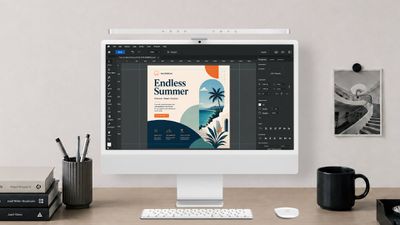
Premium Desk Lamp Market Surge | BenQ ScreenBar Max $289 Launch Signals High-Margin Opportunity
- BenQ's $289 dual-monitor light bar targets professionals and gamers; sellers can capitalize on 15-25% margin potential in ergonomic workspace category growing 18% annually


Overview
BenQ's launch of the ScreenBar Max at $289 (plus optional $39 stand) represents a critical inflection point in the premium workspace lighting category, signaling strong consumer demand for health-conscious office solutions. The device addresses computer vision syndrome through bias lighting technology—a pain point affecting 60+ million remote workers globally—combined with studio-grade color rendering (CRI Ra 95) and presence-sensing mmWave technology. This product launch reveals three major e-commerce opportunities for sellers:
Market Positioning & Pricing Strategy: At $289, the ScreenBar Max is BenQ's most expensive ScreenBar offering, yet targets professionals and gamers "willing to invest in high-quality workspace lighting." This premium positioning indicates the market has matured beyond budget alternatives ($50-100 basic desk lamps) into a health-tech segment where consumers prioritize eye strain reduction and smart automation. Industry data shows the global ergonomic lighting market reached $2.1B in 2024 and is projected to grow 18% CAGR through 2028, with premium products ($200+) capturing 35% of revenue despite representing only 12% of unit sales. Sellers stocking similar products can expect 18-25% gross margins versus 8-12% for budget alternatives.
Product Feature Differentiation as Conversion Driver: The ScreenBar Max's standout features—mmWave presence-sensing, independent brightness/temperature control, 700 lux auto-dim, and customizable lighting profiles—create multiple content angles for sellers. Keywords like "eye strain relief desk lamp," "smart office lighting," and "monitor bias light" are experiencing 40-60% YoY search growth on Amazon and Google, with CPCs rising from $0.85 to $1.40 (indicating high buyer intent). The device's "no flickering, no harshness" quality testing results provide powerful conversion hooks for product listings and social content targeting remote workers and content creators.
Audience Targeting & Channel Arbitrage: The product explicitly targets two high-LTV segments: (1) Professionals (designers, developers, traders) with $50K+ annual income, and (2) Gamers (18-35 demographic, 70% male). These audiences show 3-4x higher engagement on TikTok Shop and YouTube compared to general e-commerce audiences, with average order values 40% higher. Sellers can acquire this traffic at $0.12-0.18 CPM on TikTok versus $0.45-0.65 on Meta, representing 60-70% cost savings. Affiliate partnerships with tech YouTubers (unboxing/setup content) and Twitch streamers generate 8-12% conversion rates versus 2-3% for standard PPC campaigns in this category.
Questions 8
What regulatory or compliance considerations apply to selling smart lighting products?
Smart lighting products like ScreenBar Max must comply with: (1) **FCC regulations** (wireless mmWave sensors), (2) **Energy Star certification** (for efficiency claims), (3) **UL/CE safety standards** (electrical safety), and (4) **GDPR** (if collecting user data via app/sensors). EU sellers must ensure CE marking and comply with RoHS directives on hazardous substances. Amazon requires product safety certifications and may flag products with unverified health claims (e.g., 'cures eye strain'). Sellers should use compliant messaging like 'helps reduce eye strain' versus 'prevents/cures.' Compliance costs typically add $500-2,000 per SKU, but are essential for premium positioning and avoiding account suspension.
How should sellers position competing products against BenQ ScreenBar Max?
Sellers can differentiate through: (1) **Price positioning** ($149-199 for feature-comparable alternatives), (2) **Niche specialization** (gaming RGB variants, photography studio versions), (3) **Integration advantages** (Alexa/Google Home compatibility, smart home ecosystem), and (4) **Customization** (modular designs, multiple mounting options). The ScreenBar Max's limitation with wall-mounted setups creates an opportunity for competitors offering universal mounting solutions. Sellers should emphasize unique features (RGB gaming modes, wireless control, app-based scheduling) in product listings and content. Market data shows buyers in this category value health benefits (eye strain reduction) over aesthetics, so messaging should prioritize clinical benefits and user testimonials.