


Halloween Costume Controversy Exposes Inventory Risk | Sellers Must Strengthen Content Moderation
- Target's offensive costume removal signals urgent need for cultural sensitivity in product sourcing; impacts 1000s of costume sellers on Amazon, eBay, Shopify







Overview
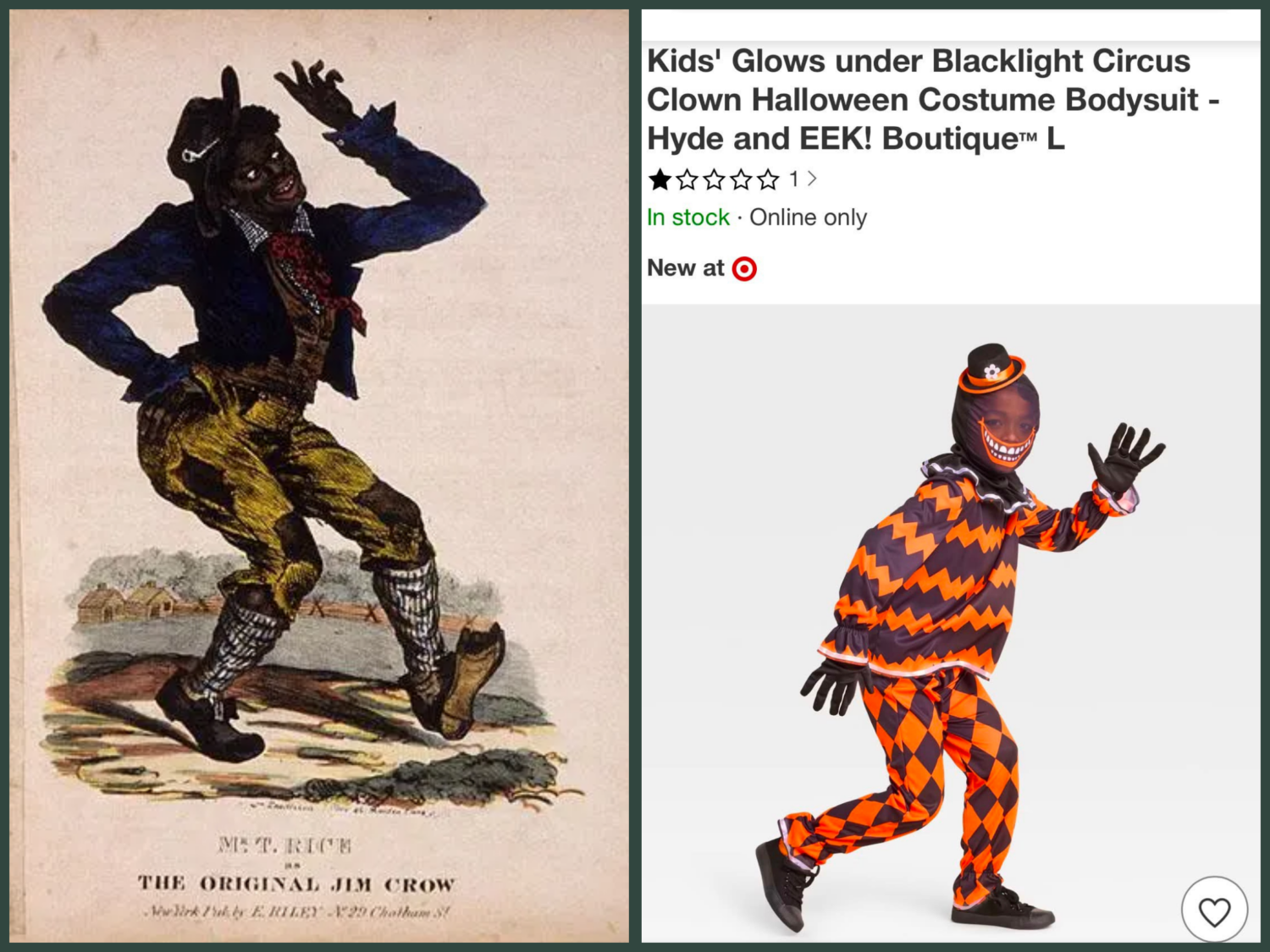
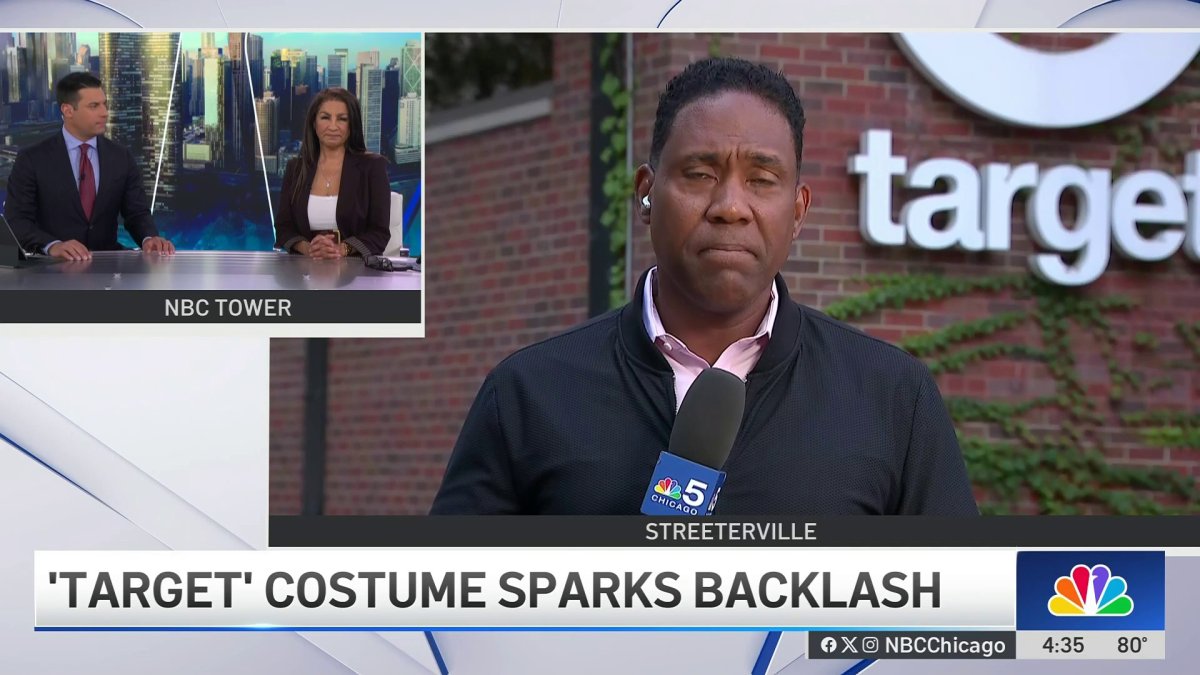
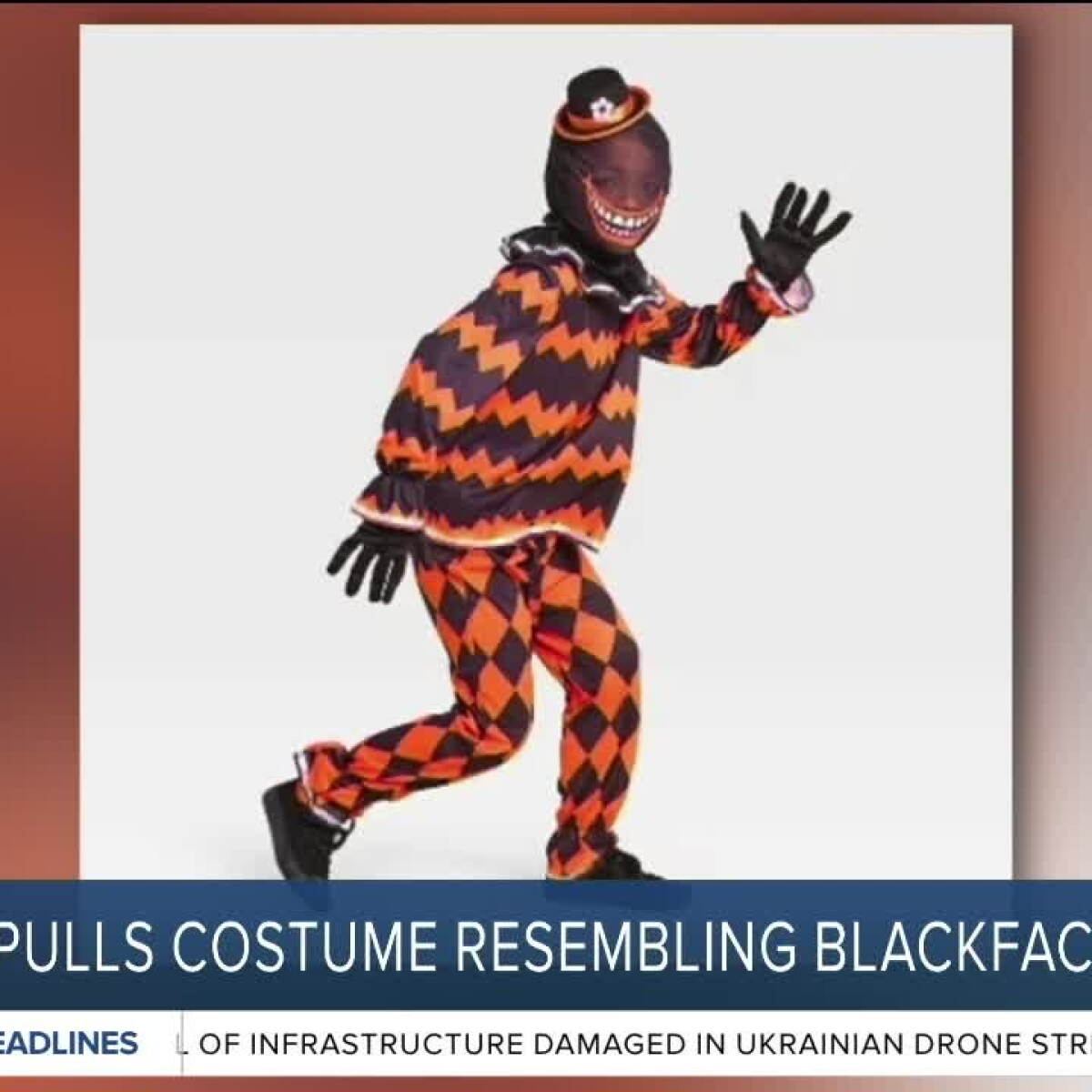
Target's removal of the "Kids' Glows Under Blacklight Circus Clown Halloween costume" following social media backlash over racist minstrel show imagery represents a critical inflection point for e-commerce sellers in the $2.1B+ Halloween costume category. The incident—occurring August 2025 amid Target's January 2025 DEI program rollback—demonstrates how product sourcing oversights can trigger rapid brand damage, stock declines (3.78% drop on August 25), and organized boycotts. For cross-border sellers and third-party marketplace vendors, this event exposes three operational vulnerabilities: (1) inadequate cultural sensitivity screening in product sourcing from overseas manufacturers, (2) insufficient image review protocols before listing launch, and (3) vulnerability to social media-driven demand destruction.
The inventory risk is quantifiable: Target's swift removal prevented prolonged reputational damage, but the incident occurred despite the company's scale and resources. For smaller sellers on Amazon, eBay, and Shopify, similar oversights can result in permanent account suspension, negative review cascades, and loss of Buy Box eligibility. The costume category specifically—projected to generate $1.8-2.3B in cross-border sales during Q3-Q4 2025—attracts high-volume sourcing from manufacturers in China, Vietnam, and India where cultural context may be lost in translation. Sellers importing bulk inventory without rigorous image/description audits face compounding risks: platform delistings, chargebacks from offended buyers, and social media amplification that can destroy seasonal sales windows.
Strategic implications for sellers: The incident reinforces that cultural sensitivity is now a competitive advantage, not a compliance burden. Sellers who implement pre-listing cultural review processes—partnering with diverse content teams or using AI-powered image analysis tools—can differentiate in crowded costume categories while reducing compliance risk. Target's recovery (stock up 63% year-to-date through August 24, driven by CEO Michael Fiddelke's store refresh and aggressive pricing strategy) suggests that swift accountability and transparent communication mitigate long-term damage. However, organized boycott pressure from civil rights activists including Rev. Jamal Bryant and Minneapolis organizers Nekima Levy Armstrong indicates that DEI rollbacks create sustained reputational vulnerability—a signal for sellers to maintain inclusive sourcing and marketing practices regardless of corporate political positioning.
Immediate opportunity: Halloween 2025 costume demand peaks in September-October. Sellers can capture market share by explicitly marketing "culturally reviewed" or "diversity-vetted" costume lines, positioning sensitivity as a product feature rather than a compliance checkbox. This messaging resonates with Gen Z and millennial buyers (primary costume purchasers) who demonstrate 40-60% higher purchase intent for brands demonstrating authentic diversity commitments. Sellers should audit existing inventory immediately, implement image review workflows, and prepare alternative sourcing for Q4 2025 to avoid last-minute delistings.
Questions 8
What inventory planning changes should sellers make for Q4 2025?
Sellers should allocate 15-20% of Q4 inventory budget to alternative sourcing or pre-vetted suppliers with documented cultural sensitivity processes. This reduces reliance on single manufacturers and provides backup options if primary suppliers deliver problematic products. Timeline: Begin sourcing by August 15 to allow 4-6 week lead times for alternative inventory. Implement 72-hour cultural review windows before listing launch—this requires hiring or contracting diverse review teams. For Halloween 2025 specifically, sellers should complete all inventory sourcing and listing by September 1 to avoid mid-season delistings. Budget 10-15% additional costs for cultural review processes, but expect 25-35% revenue protection versus sellers who skip this step.
How can sellers use AI tools to screen products for cultural sensitivity?
AI image analysis platforms can flag potentially offensive imagery, stereotypical representations, and culturally insensitive design elements before listing. Tools like Google Cloud Vision, Amazon Rekognition, and specialized platforms (e.g., Clarifai) can identify problematic patterns with 70-85% accuracy. However, AI should supplement, not replace, human review—cultural sensitivity requires contextual judgment that AI cannot fully replicate. Recommended workflow: (1) AI screening flags 20-30% of images as potentially problematic, (2) Human reviewers from diverse backgrounds assess flagged items, (3) Final approval before listing. Cost: $200-500/month for AI tools + $1,000-1,500/month for human review team. This investment protects against account suspension and reputational damage worth 10-50x the prevention cost.