


Bond Market Disruption & Tariff Inflation | Cross-Border Seller Cost Impact 2026
- Federal Reserve policy shifts and tariff-driven inflation create 8-15% working capital cost increases for cross-border sellers; elevated borrowing costs compress margins across all categories





















Overview
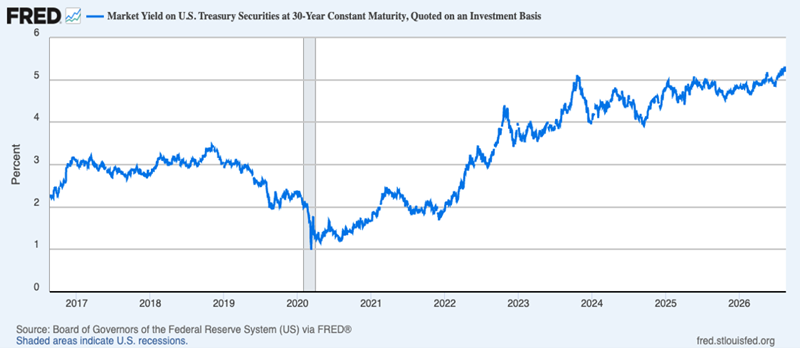
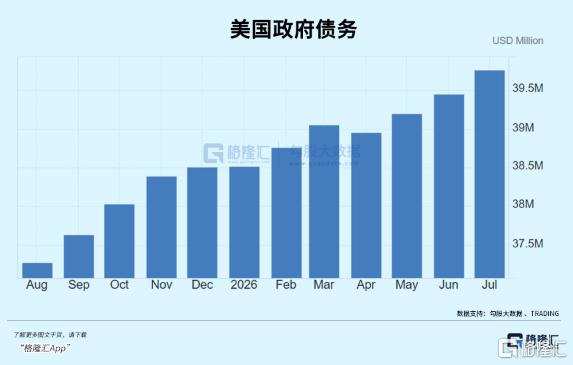
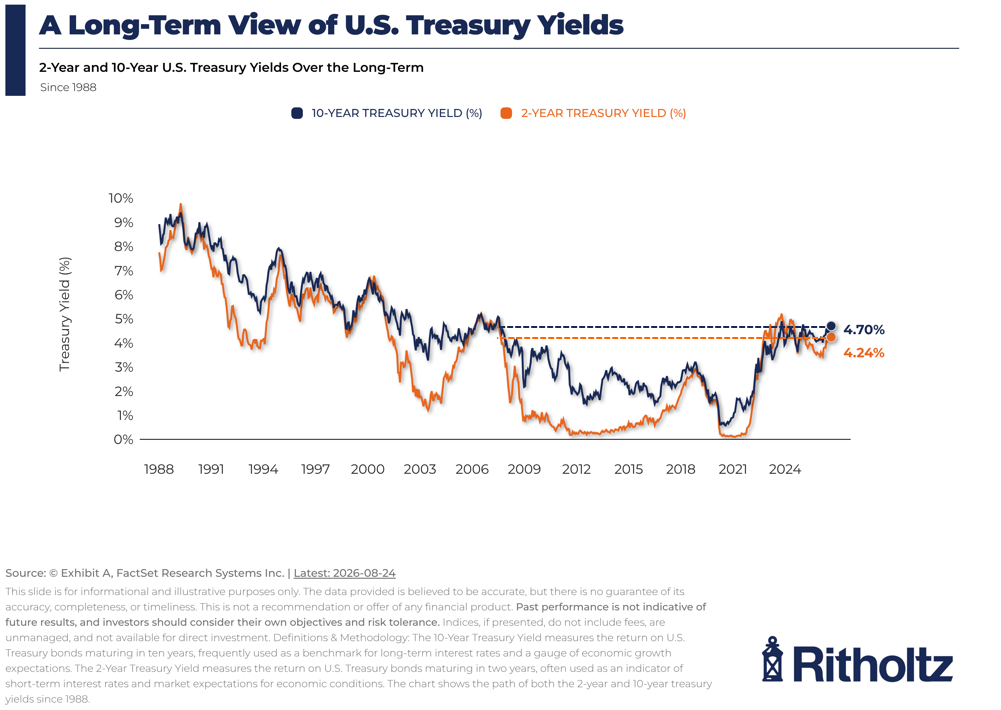
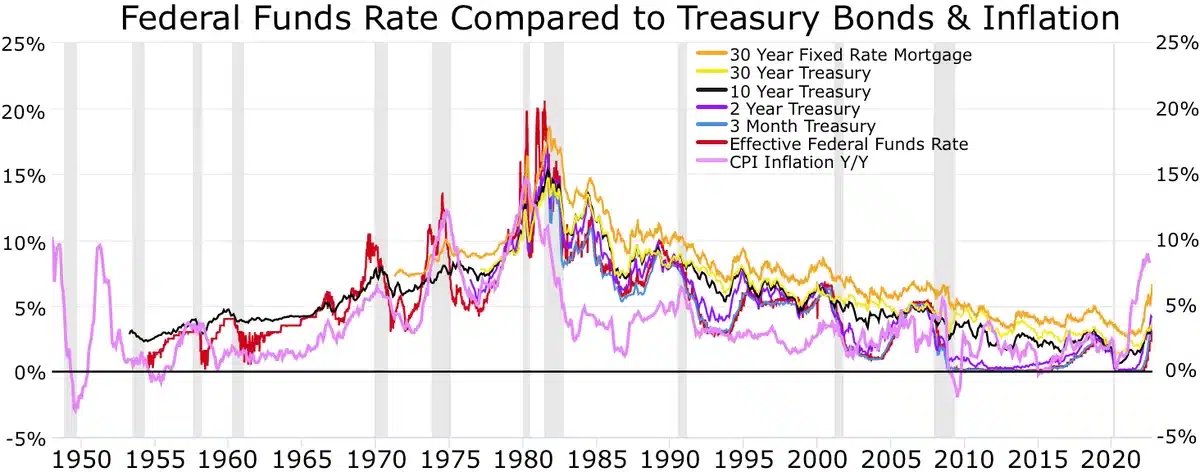
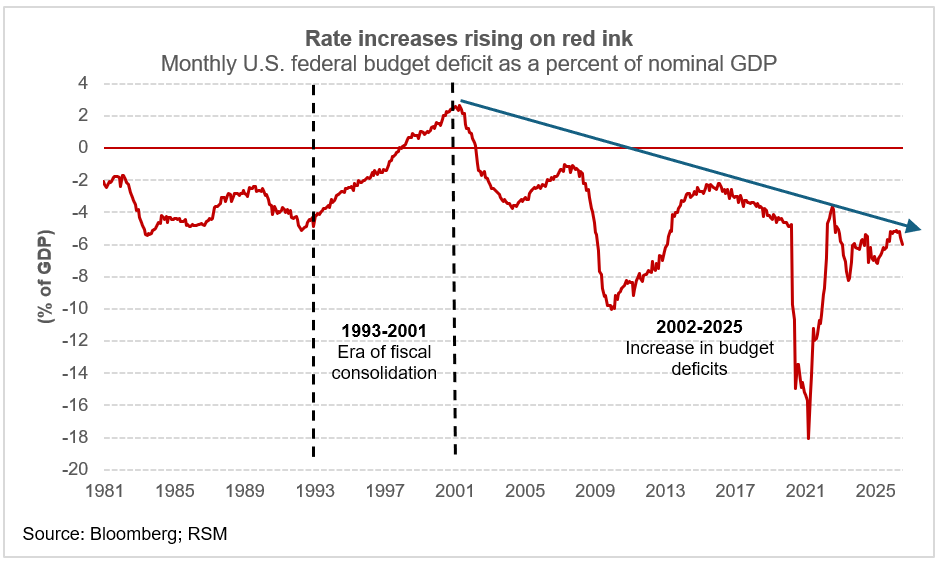
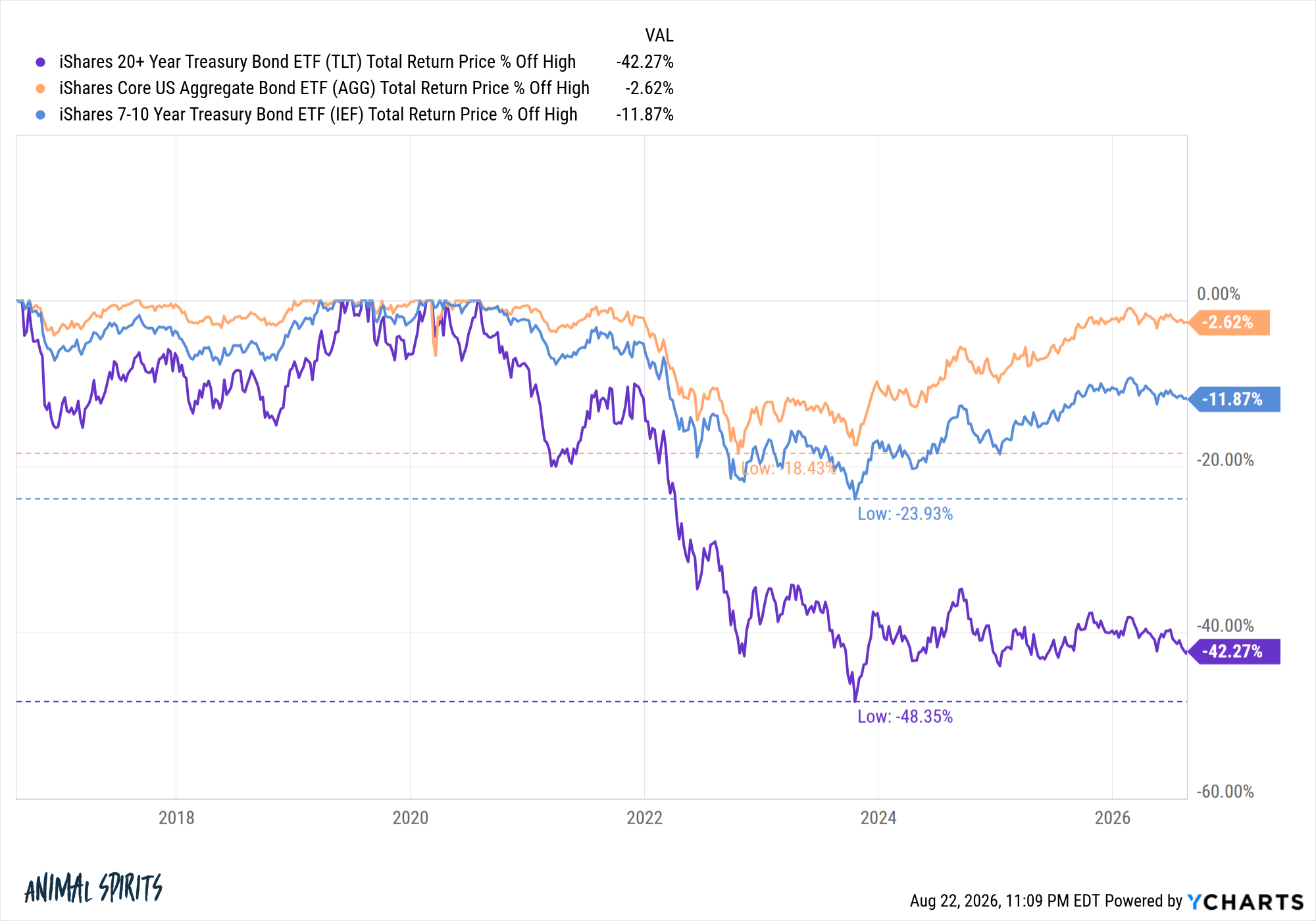
Bond market disruptions in August 2026 signal a critical inflection point for cross-border e-commerce sellers, as Federal Reserve policy uncertainty and tariff-driven inflation create a "higher for longer" interest rate environment that directly impacts working capital costs and financing accessibility. The Ritholtz Wealth Management analysis identifies five major crosscurrents—inflationary policies (tariffs, geopolitical conflicts, energy pressures), Federal Reserve leadership disruption, elevated federal debt ($40 trillion milestone), ineffective Treasury interventions, and policy misalignment across government agencies—that collectively prevent rate cuts and keep inflation sticky at 3% rather than the Fed's 2% target.
For cross-border sellers, this translates to immediate financing headwinds. Elevated borrowing costs increase working capital financing rates by 8-15% across invoice factoring, inventory loans, and PO financing products. Sellers relying on trade finance for import purchases face higher APRs from traditional lenders (banks, fintech providers like Clearco, Fundbox) and reduced availability of favorable terms. The $40 trillion federal debt milestone creates genuine market concern about sovereign borrowing capacity, which cascades into tighter credit conditions for SME sellers. Specifically, sellers financing inventory through supply chain finance platforms experience rate increases of 150-300 basis points compared to 2024 levels, compressing already-thin 15-25% margins in electronics, apparel, and home categories.
Currency volatility intensifies FX risk management costs. The "higher for longer" interest rate environment creates divergent monetary policies across regions—US rates remain elevated while EU and Asian central banks may cut earlier—generating arbitrage opportunities but also hedging complexity. Sellers with USD-denominated debt and revenue in EUR/GBP/CNY face increased hedging costs (forward contracts, options premiums rising 20-30%) to protect against currency depreciation. The tariff-driven inflation component specifically impacts sellers sourcing from China, Vietnam, and India, where tariff pass-through increases landed costs 5-12% depending on product category (electronics +8-10%, apparel +6-8%, home goods +4-6%).
Payment processing and cash flow optimization become critical survival tools. With traditional financing constrained, sellers must accelerate cash conversion cycles through dynamic discounting (offering 2-3% discounts for early payment), invoice financing at 1.5-3% monthly rates, and optimized payment routing to reduce FX conversion costs. Cross-border sellers should prioritize payment methods with lowest fees for their primary corridors: US-EU (ACH/SWIFT vs. fintech providers), US-Asia (local payment methods vs. international wire transfers), and intra-Asia (regional payment networks). The policy disruption creates urgency around cash management—sellers with 60-90 day payment terms face working capital gaps that require immediate financing solutions.
Questions 8
How do municipal bonds and TIPS recommendations affect seller investment strategies?
The Ritholtz analysis recommends investors seek higher yields through municipal bonds and Treasury Inflation-Protected Securities (TIPS) rather than traditional bonds. For sellers with excess working capital or retained earnings, TIPS offer inflation protection (real yield + inflation adjustment) at 2-3% real yields, outperforming traditional Treasury bonds (0.5-1% real yields). Municipal bonds offer tax-free yields of 4-5% for high-income sellers, equivalent to 5.5-7% taxable yields. However, sellers should prioritize working capital optimization over investment returns—deploying capital into inventory turnover (20-30% gross margins) or cash conversion acceleration (equivalent to 15-25% returns) outperforms bond yields. Only after optimizing working capital should sellers consider TIPS/municipal bonds for excess cash reserves.
What immediate actions should sellers take to protect margins from inflation and rate increases?
Immediate actions (0-30 days): (1) Lock in fixed-rate financing before rates rise further—refinance variable-rate debt to fixed at current 9-11% rates; (2) Audit tariff codes and landed costs for top 20 SKUs, calculate tariff impact on margins; (3) Implement dynamic pricing—increase prices 3-5% to offset tariff/financing cost increases, testing elasticity on low-volume SKUs first; (4) Negotiate payment terms with suppliers—extend DPO from 30 to 45 days, reducing working capital needs by 15 days; (5) Activate invoice financing for 30-60 day receivables, converting to immediate cash. Medium-term (1-3 months): Diversify sourcing away from high-tariff regions (China +8-10%) to Vietnam/India/Mexico (+2-4% tariffs), evaluate nearshoring for high-volume categories. These actions can protect 2-4% margin compression from combined tariff and financing cost increases.