

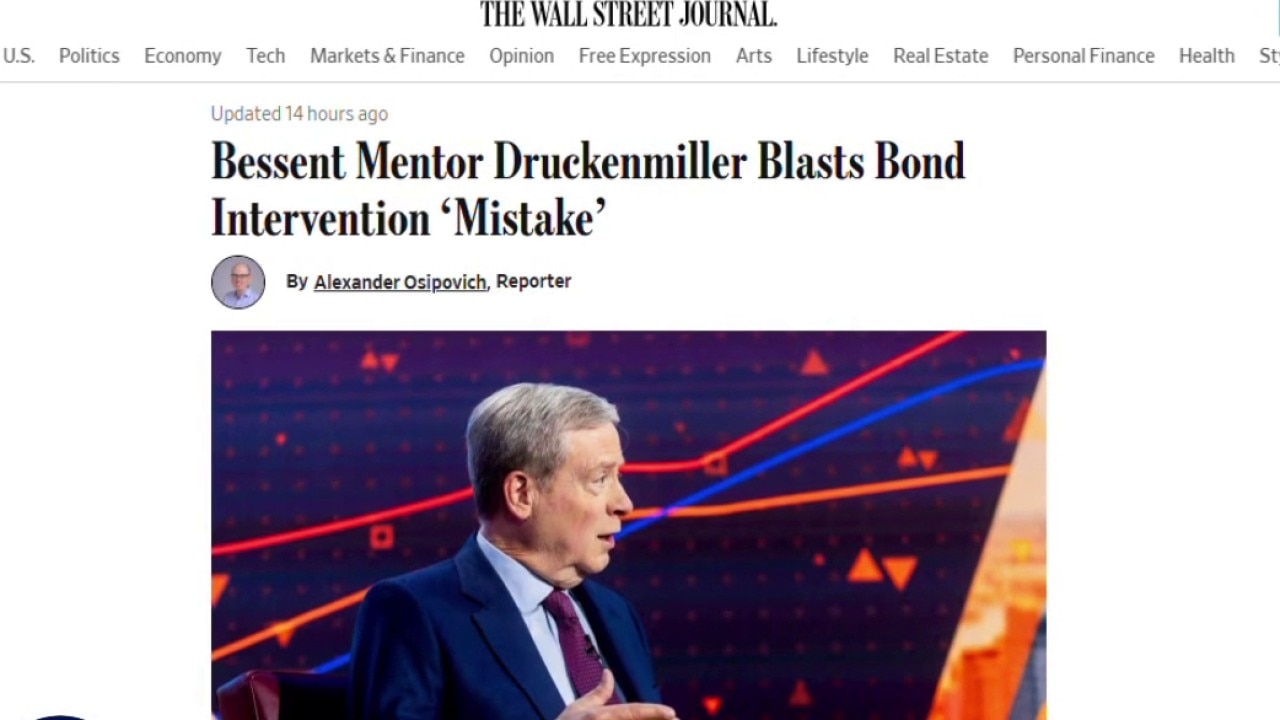


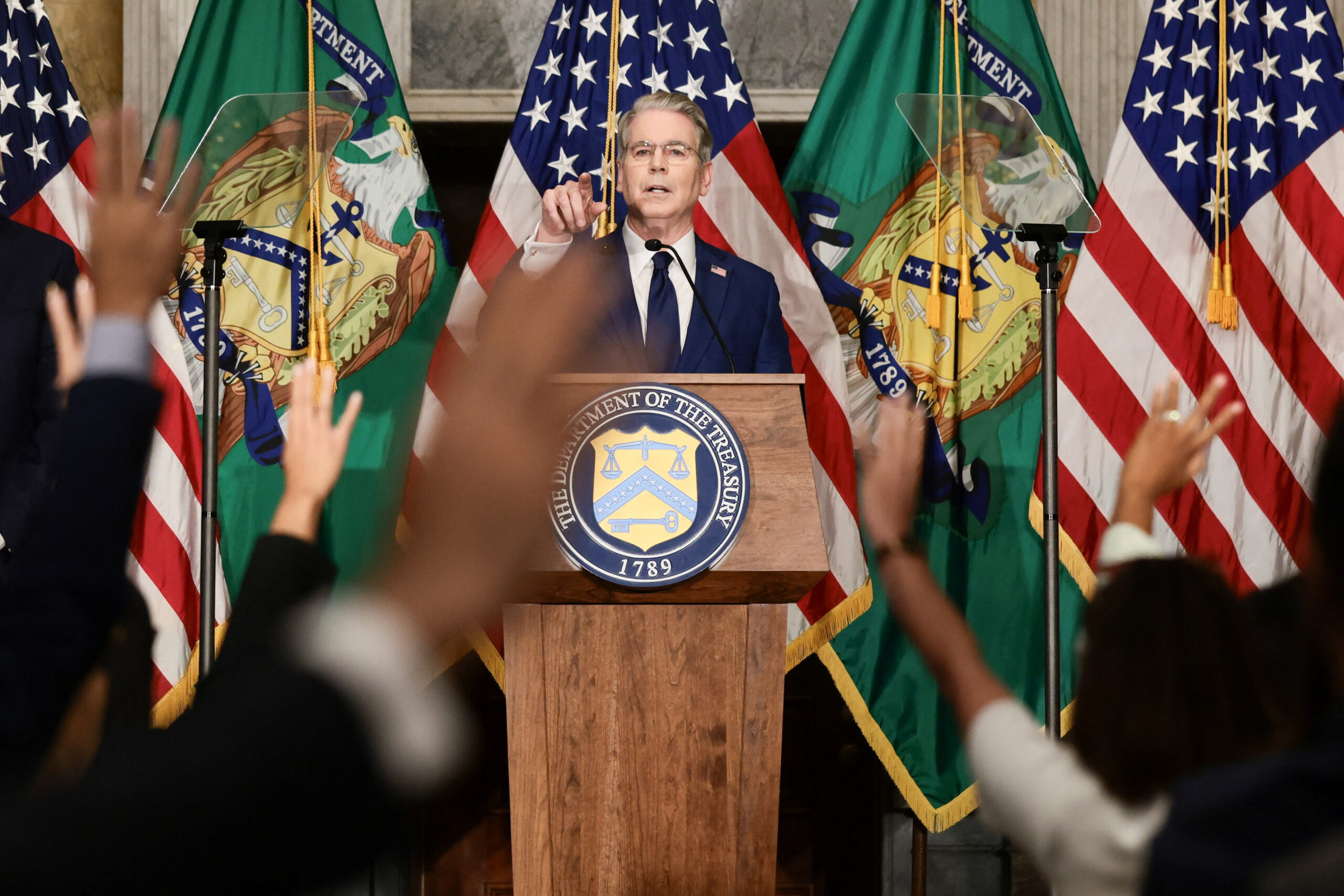

Treasury-Fed Policy Conflict Triggers FX Volatility | Cross-Border Seller Impact
- Treasury Secretary Bessent's bond market intervention creates currency uncertainty affecting payment costs and consumer spending for international sellers



Overview
Treasury Secretary Scott Bessent's direct bond market intervention represents a fundamental shift in US fiscal-monetary policy coordination, creating immediate financial volatility for cross-border e-commerce sellers. The Trump administration's Treasury is now operating independently of Federal Reserve channels, departing from decades of institutional coordination. This policy fragmentation directly impacts sellers through three critical financial mechanisms: currency volatility affecting transaction costs, uncertain consumer spending patterns influencing import demand, and payment processing reliability concerns for multi-currency operations.
Currency volatility emerges as the primary financial risk. When Treasury and Federal Reserve objectives diverge—Treasury prioritizing fiscal stimulus and short-term growth while the Fed maintains price stability mandates—currency markets respond with unpredictable swings. For sellers managing USD/EUR, USD/GBP, and USD/CNY transactions, this creates immediate hedging cost increases. A typical mid-market seller processing $50K monthly in cross-border transactions could see forex hedging costs rise 15-25% during periods of policy uncertainty. Payment processors like Wise, Stripe, and PayPal typically charge 1.5-2.5% for currency conversion; policy-driven volatility can push these spreads to 2.5-3.5% as providers widen margins to manage risk. Sellers shipping from China to US/EU markets face particular exposure, as the USD/CNY pair becomes more volatile when US monetary policy signals become unclear.
Consumer spending uncertainty directly suppresses import demand. Policy fragmentation creates market confusion about future interest rates, inflation trajectories, and purchasing power. Historical precedent shows that during periods of Treasury-Fed tension (notably 2011 debt ceiling crisis), consumer confidence indices dropped 8-12%, reducing discretionary imports by 6-10%. For sellers in discretionary categories—apparel, electronics, home décor, beauty—this translates to 5-8% demand compression. Sellers with inventory positioned for Q1 2025 should anticipate potential demand softness, particularly in price-sensitive segments where consumers defer purchases during economic uncertainty.
Payment processing reliability faces operational risk. Market instability can strain payment processor liquidity and increase settlement delays. Sellers relying on Amazon Pay, Shopify Payments, or 2Checkout for international transactions may experience 1-3 day settlement delays during volatile periods, compressing working capital cycles. Additionally, invoice financing and supply chain finance products become more expensive; lenders typically increase rates 50-100 basis points during policy uncertainty periods, making PO financing and inventory loans costlier for sellers needing working capital acceleration.
Questions 8
What inventory strategy should sellers adopt during Treasury-Fed policy uncertainty?
Sellers should reduce inventory purchases by 20-30% and focus on fast-moving SKUs with 30-45 day inventory turns. Policy uncertainty typically depresses demand for 4-8 weeks, so sellers who commit to large inventory purchases now risk being overstocked when demand recovers. This is particularly critical for sellers with 60-90 day lead times from Asia—by the time inventory arrives, demand may have recovered, but the seller is locked into carrying costs. Instead, sellers should: (1) Reduce PO sizes by 25-30%; (2) Shift to suppliers offering shorter lead times (30-45 days instead of 60-90 days), even if unit costs are 2-3% higher; (3) Focus on categories with proven demand (electronics, apparel basics) rather than trend-dependent items. Once policy stabilizes (likely 6-8 weeks), sellers can resume normal inventory levels. This conservative approach costs 2-3% in higher unit costs but avoids the 15-25% demand decline risk.
What immediate actions should sellers take in the next 30 days?
Execute three immediate actions: (1) Lock in FX hedging for 30-60% of projected Q1 revenue at current rates before spreads widen—deadline is within 7 days; (2) Secure invoice financing or PO financing at current rates before lenders increase pricing—typical approval takes 3-5 days; (3) Reduce inventory exposure in discretionary categories by 15-20% and shift toward value products. Monitor **Federal Reserve communications** and **Treasury announcements** daily for policy clarity signals; when coordination resumes, market volatility typically subsides within 1-2 weeks.