


Export Control Enforcement Escalates | Logistics Providers Face Liability for Semiconductor Smuggling
- First enforcement action against transportation company for AI chip violations; compliance costs surge for tech sellers shipping internationally



Overview
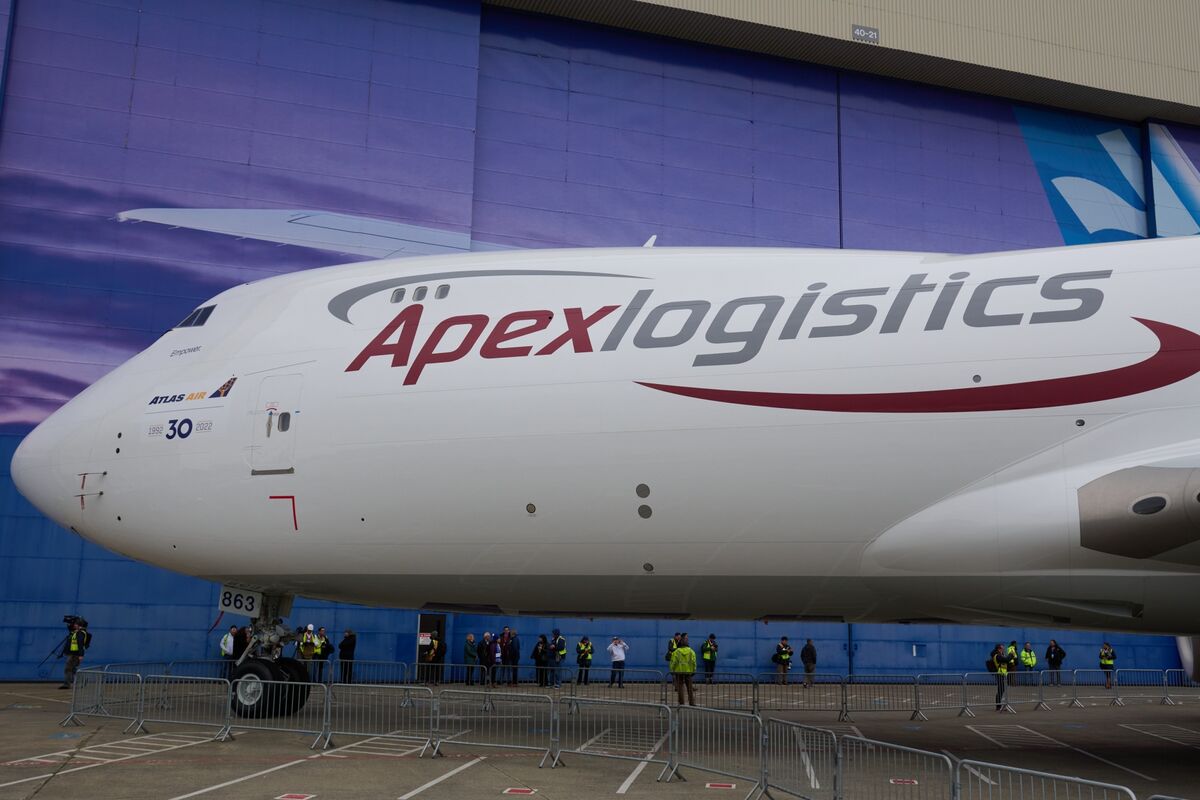
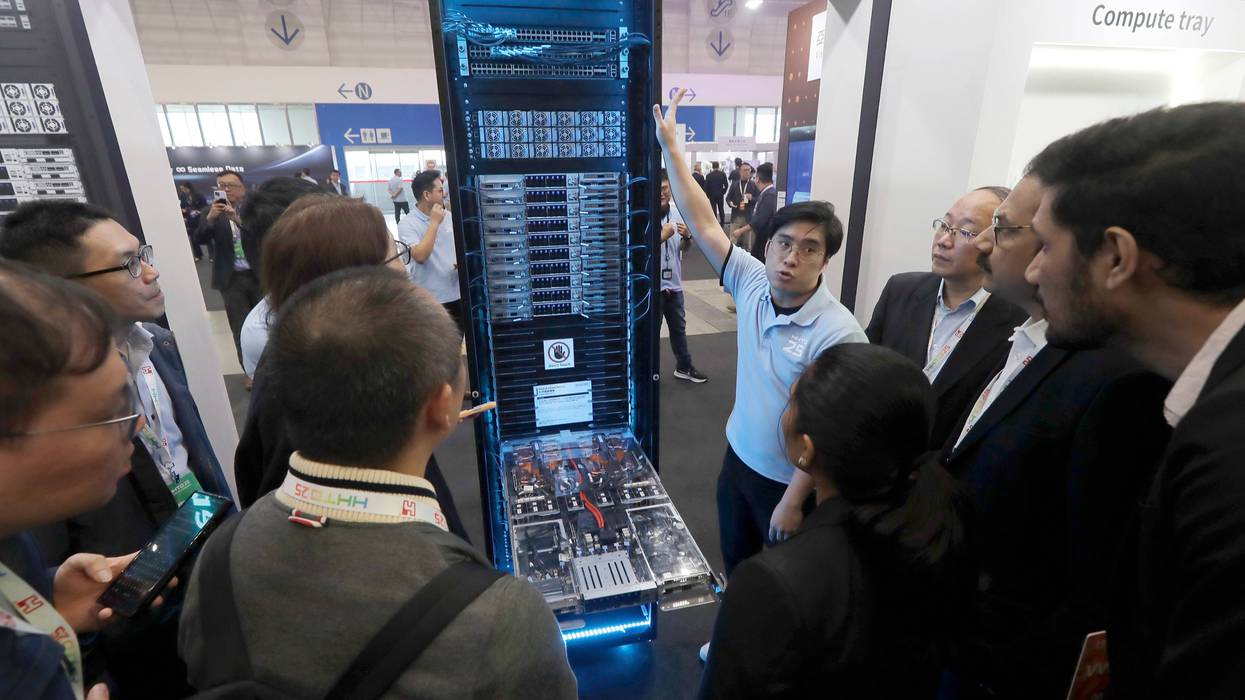
The US government's investigation into Singapore-based Apex Logistics (a Kuehne+Nagel subsidiary) for allegedly smuggling Nvidia AI chips to China marks a watershed moment in export control enforcement. This represents the first enforcement action targeting a third-party logistics provider for participating in illegal semiconductor trade, signaling that transportation companies can no longer claim ignorance regarding cargo contents and destination restrictions. The probe examined whether Apex transported Super Micro Computer Inc. servers containing Nvidia chips—the industrial standard for AI model training—in violation of strict US export controls designed to prevent advanced AI technology transfer to China.
For cross-border e-commerce sellers and logistics operators, this investigation creates immediate compliance urgency and structural cost increases. The precedent establishes that 3PL providers, freight forwarders, and logistics networks face direct liability for export violations, not just the manufacturers or direct shippers. This fundamentally shifts risk allocation in the supply chain. Sellers using third-party logistics for technology products, semiconductors, advanced computing equipment, or dual-use items must now implement enhanced due diligence protocols: verifying end-use certifications, conducting customer vetting, and maintaining detailed cargo documentation. The investigation underscores that regulatory focus has shifted from manufacturers to logistics chokepoints, where sophisticated circumvention schemes are executed.
The operational impact on tech-focused sellers is substantial. Companies handling semiconductor-related products, AI systems, server components, or advanced electronics must now budget for enhanced compliance infrastructure: legal review of customer relationships, export control training for logistics partners, and documentation systems that prove end-use compliance. Sellers shipping to restricted countries or using Asian logistics hubs face heightened scrutiny. The enforcement action signals that compliance costs will increase 15-25% for high-tech sellers using third-party logistics, as providers implement liability protection measures and audit requirements. This creates competitive advantages for sellers with in-house compliance teams or established relationships with compliant logistics providers, while disadvantaging smaller sellers who rely on cost-optimized 3PL networks.
The timing is critical: this investigation may establish legal precedent for holding logistics providers liable for export violations, potentially triggering industry-wide compliance overhauls. Sellers should immediately review customer vetting procedures, verify that logistics partners maintain export control compliance programs, and audit shipments destined for restricted countries. The investigation demonstrates that ignorance is no longer a defense—both sellers and logistics providers face enforcement risk.
Questions 8
Which product categories are most affected by this export control enforcement?
**Semiconductors, AI chips, server components, and advanced computing equipment** face the strictest scrutiny. The investigation specifically examined Nvidia chips assembled into Super Micro Computer servers—the industrial standard for AI model training. Sellers of electronics, data center equipment, AI systems, and dual-use technology must implement enhanced compliance protocols. Categories like consumer electronics containing advanced processors, gaming systems with high-end GPUs, and professional computing equipment also face increased regulatory attention. Sellers should audit their product catalogs for items containing restricted semiconductors or advanced technology components.
What does the Apex Logistics investigation mean for sellers using third-party logistics providers?
The investigation establishes that **3PL providers and freight forwarders face direct liability** for export violations, not just manufacturers. This is the first enforcement action targeting a transportation company for semiconductor smuggling. Sellers must now verify that their logistics partners maintain export control compliance programs and conduct customer vetting. The precedent means sellers cannot rely on logistics providers to handle compliance—they must implement their own due diligence for shipments containing restricted technology, particularly items destined for China or other sanctioned countries. This increases compliance costs 15-25% for tech-focused sellers.