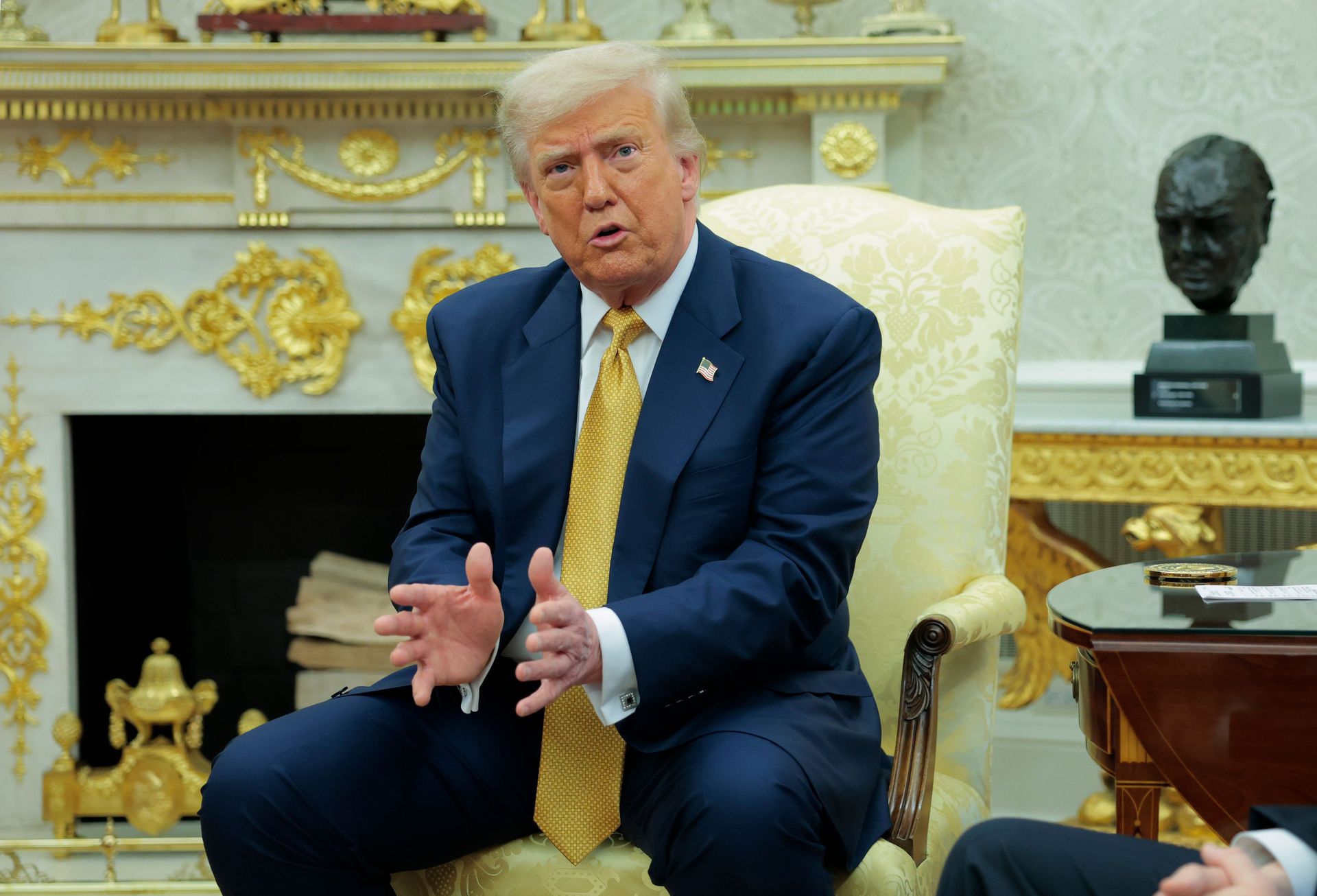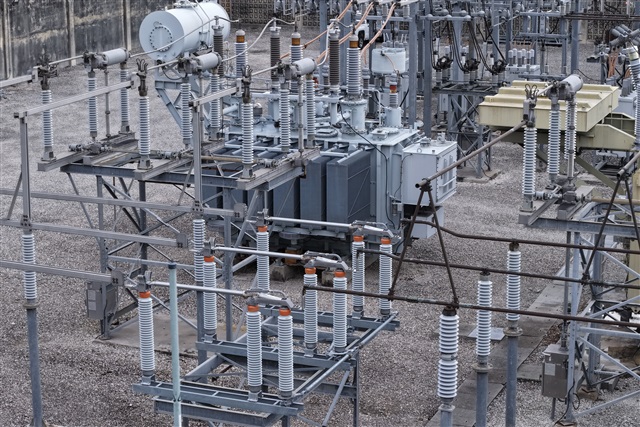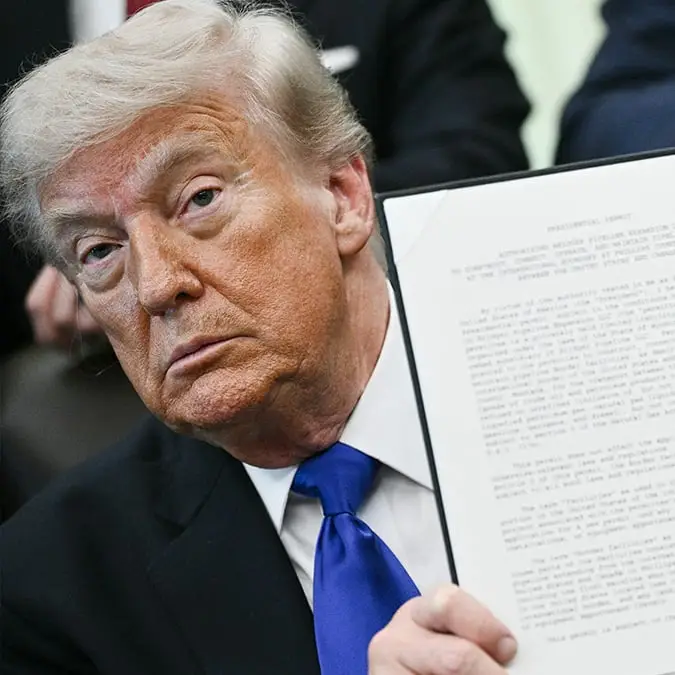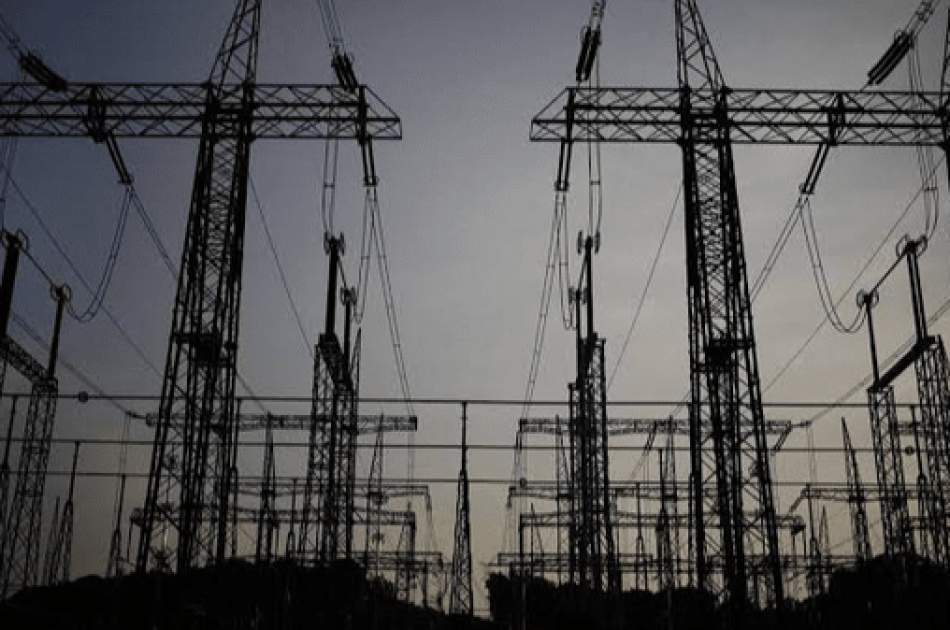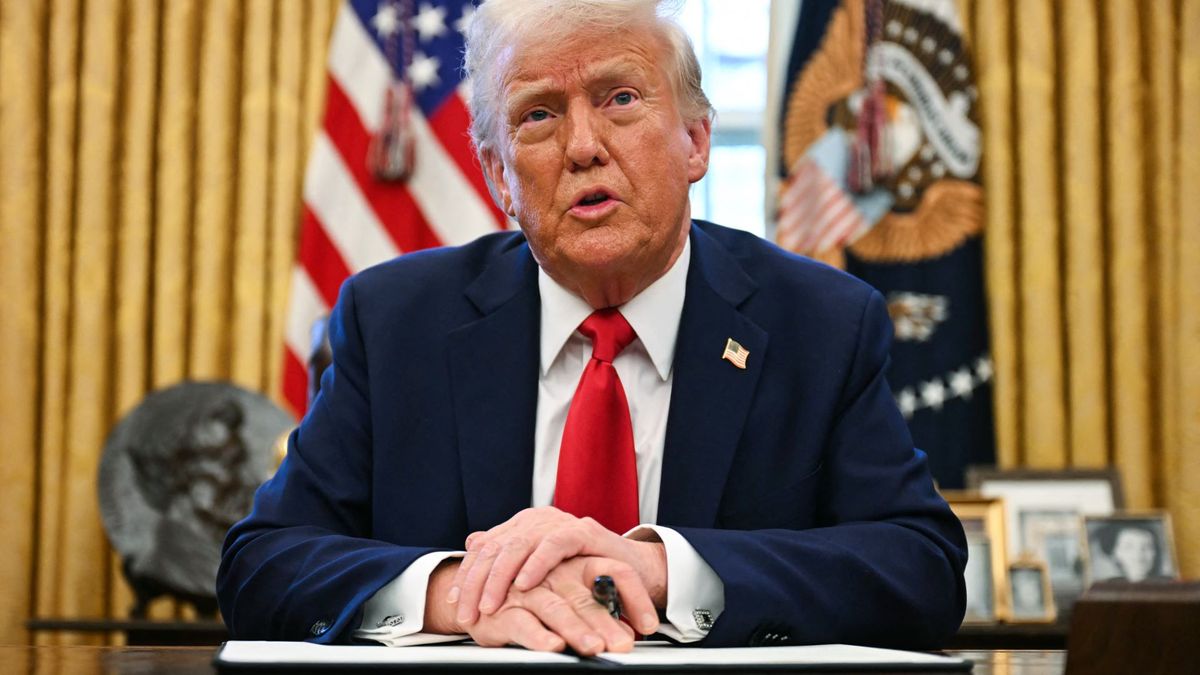



President Trump's August 26-27, 2026 emergency executive order banning foreign-produced electrical grid equipment from 24 designated countries represents a seismic shift in energy infrastructure sourcing, directly disrupting cross-border e-commerce supply chains worth an estimated $180B annually. The order targets high-voltage equipment (69 kV+) including transformers, utility-scale inverters, circuit breakers, battery energy storage systems, and industrial control electronics—categories where China controls 80% of lithium-ion battery production and 85% of solar manufacturing capacity according to the International Energy Agency.
For cross-border e-commerce sellers, this creates an immediate tariff arbitrage collapse. Sellers importing Chinese-manufactured electrical components, renewable energy equipment, and grid-connected devices face outright import bans rather than tariff rate adjustments. The order applies to transactions initiated after August 26, 2026, with the U.S. Department of Energy (DOE) mandated to evaluate vendors and issue formal risk determinations within 120 days (by December 24, 2026). This creates a critical compliance window: sellers must immediately audit inventory sourcing, verify equipment origins, and determine which products fall under the 69 kV+ threshold triggering restrictions. Residential and commercial distributed energy assets on low-voltage distribution lines are excluded, creating a narrow arbitrage opportunity for sub-69 kV equipment sellers.
The competitive advantage shifts dramatically toward domestic manufacturers and sellers with alternative sourcing. Sellers currently importing from China face 100% import barriers, while those with Vietnamese, Indian, or European supplier relationships gain market share. The DOE may establish a pre-qualified vendor white-list or licensing framework, creating first-mover advantages for sellers who secure pre-approval before December 24, 2026. Cost implications are severe: U.S.-based retailers importing Chinese grid components will see supply costs increase 25-40% as they shift to domestic or allied-nation suppliers, compressing margins by 8-15% across the category. Companies must immediately evaluate 3PL partnerships with domestic manufacturers or face inventory obsolescence.
Strategic sourcing country shifts are accelerating. Vietnam, India, and South Korea represent alternative sourcing corridors, though these countries lack China's manufacturing scale. Sellers should prioritize securing supply agreements with non-embargoed nations (excluding Iran, Russia, Syria, and 21 other designated countries) before the December 24 deadline. The policy also signals broader protectionist escalation: similar restrictions on semiconductors, rare earths, and advanced manufacturing are likely to follow, making supply chain diversification urgent for all sellers in technology-adjacent categories. Compliance complexity increases substantially—sellers must now manage Foreign Entity of Concern (FEOC) restrictions, domestic content requirements, Section 45X manufacturing credits, and import tariffs simultaneously, requiring dedicated trade compliance resources.
The ban creates divergent competitive outcomes across seller segments. Large sellers (>$50M annual revenue) with existing domestic manufacturing partnerships or capital to invest in supply chain diversification gain competitive advantage—they can absorb 25-40% cost increases and secure pre-qualified supplier relationships before smaller competitors. Medium sellers ($5-50M revenue) face margin compression of 8-15% unless they quickly pivot sourcing; those with existing Vietnam/India relationships survive, while others face inventory obsolescence. Small sellers (<$5M revenue) importing Chinese energy equipment face existential risk: they lack capital to absorb cost increases or negotiate pre-qualified supplier agreements, and many will exit the category. The ban also signals broader protectionist escalation: similar restrictions on semiconductors, rare earths, and advanced manufacturing are likely to follow, making supply chain diversification urgent for all sellers in technology-adjacent categories. Sellers should view this as a strategic inflection point: those who successfully pivot sourcing to non-Chinese suppliers before December 24, 2026 will gain market share from competitors who fail to adapt. The long-term competitive advantage goes to sellers who build resilient, diversified supply chains across multiple countries rather than relying on single-source Chinese sourcing.
Sellers have approximately 4 months (August 26 to December 24, 2026) to execute supply chain pivots before DOE vendor determinations finalize. Immediate actions (August-September 2026): audit all inventory to identify products with Chinese sourcing and voltage ratings above 69 kV; contact current suppliers to understand their DOE pre-qualification status; identify alternative suppliers in Vietnam, India, South Korea, and Japan. Mid-term actions (September-November 2026): negotiate supply agreements with pre-qualified non-Chinese suppliers; evaluate Section 45X manufacturing credit eligibility for domestic sourcing; establish relationships with 3PL providers specializing in energy equipment logistics. Pre-deadline actions (November-December 2026): secure pre-approval from DOE for key suppliers; finalize sourcing transitions to minimize Q1 2027 supply disruptions; update product listings to reflect new sourcing origins and compliance status. Sellers should also monitor DOE announcements for the pre-qualified vendor white-list, which will likely be published in November-December 2026. The cost of inaction is severe: sellers without alternative sourcing by December 24, 2026 face inventory obsolescence and 25-40% cost increases in Q1 2027, compressing margins by 8-15% and potentially forcing price increases that reduce competitiveness.
China's dominance in lithium-ion battery production (80% global capacity) and solar manufacturing (85% global capacity) means the import ban eliminates the primary cost-competitive sourcing option for most energy equipment sellers. This creates a 25-40% cost increase for sellers forced to shift to Vietnamese, Indian, or domestic U.S. suppliers, compressing margins by 8-15% across affected categories. For sellers currently importing Chinese transformers, inverters, or battery storage systems, the ban is effectively a 100% tariff—not a rate adjustment but an outright prohibition. Sellers must immediately evaluate alternative suppliers in non-embargoed nations (Vietnam, India, South Korea, Japan) or face inventory obsolescence. The DOE's 120-day vendor evaluation period (through December 24, 2026) creates urgency: sellers securing pre-approved supplier relationships before this deadline gain competitive advantage over late movers.
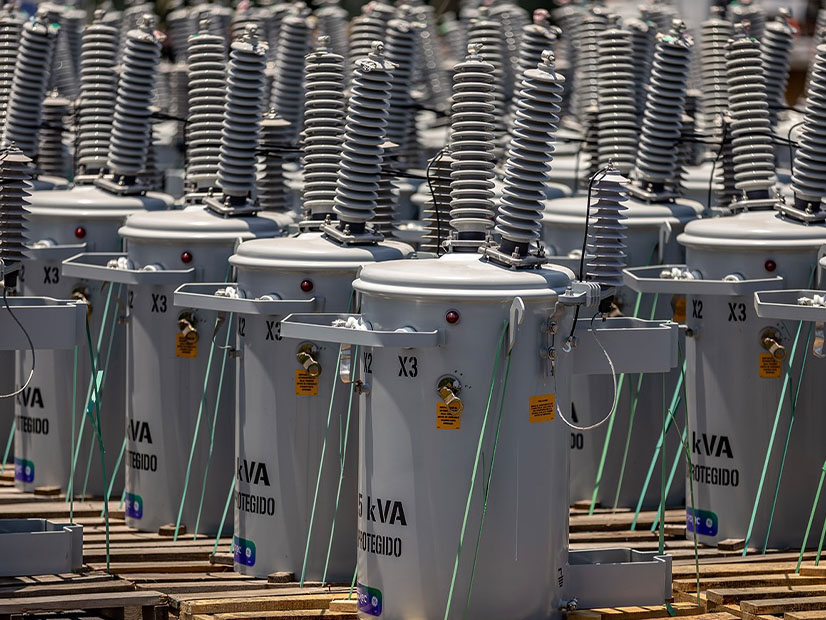
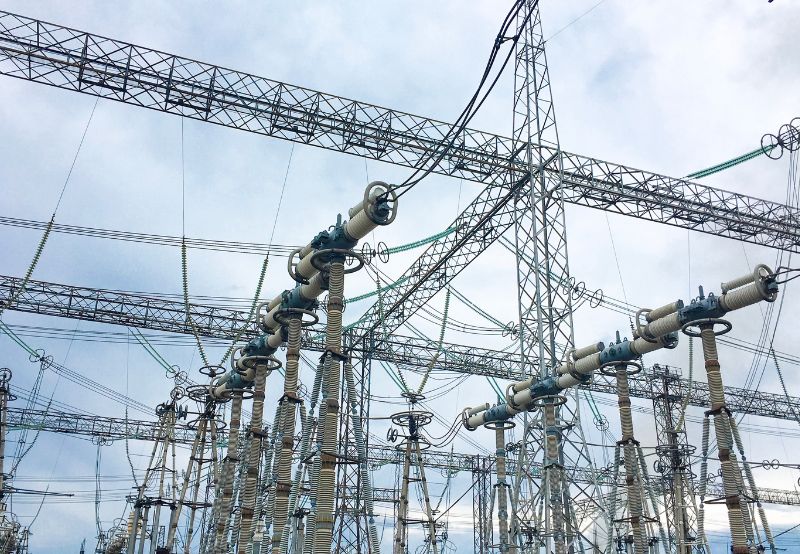
The executive order bans foreign-produced transformers, utility-scale inverters, circuit breakers, battery energy storage systems, and industrial control electronics rated at 69 kV or higher. Specifically, the restrictions cover substation transformers, high-voltage circuit breakers, voltage regulators, automated reclosers, distributed control systems (DCS), remote terminal units (RTUs), and programmable logic controllers (PLCs) connected to the U.S. bulk-power system. Critically, residential and commercial distributed energy assets on low-voltage distribution lines are excluded, creating a compliance threshold at 69 kV. Sellers must immediately audit product specifications to determine voltage ratings and whether equipment connects to grid infrastructure. Products below 69 kV remain importable, offering a narrow arbitrage window for sellers willing to pivot product mix toward lower-voltage alternatives.
The grid equipment ban adds regulatory complexity on top of existing Foreign Entity of Concern (FEOC) restrictions, domestic content requirements, and Section 45X manufacturing credits. Sellers must now verify that suppliers are not FEOC-designated (tied to Iran, Russia, Syria, or 21 other embargoed nations) while simultaneously managing Section 45X eligibility for clean energy equipment. Section 45X provides up to 30% manufacturing credits for domestically-produced energy equipment, creating financial incentives for sellers to source from U.S. manufacturers rather than imports. This means sellers face a dual compliance burden: import restrictions eliminate Chinese sourcing, while Section 45X credits incentivize domestic sourcing. Sellers should evaluate whether shifting to domestic suppliers qualifies for Section 45X credits, potentially offsetting the 25-40% cost increase from non-Chinese sourcing. The interaction creates a strategic opportunity: sellers who secure pre-qualified domestic suppliers before December 24, 2026 can capture both import compliance and Section 45X credit benefits.
The Department of Energy must formally evaluate vendors and issue risk determinations within 120 days of the August 26, 2026 executive order, creating a December 24, 2026 compliance deadline. The DOE may establish a pre-qualified vendor white-list or licensing framework for utilities deploying sensitive grid components. For sellers, this deadline represents a critical window: those securing pre-approval from the DOE before December 24 gain first-mover advantages in the post-ban market. Sellers should immediately contact potential suppliers in Vietnam, India, and other non-embargoed nations to understand their DOE pre-qualification status. The order also instructs the DOE to recommend isolation, monitoring, or replacement of previously installed foreign equipment, potentially creating a retrofit market for domestic alternatives. Sellers should monitor DOE announcements closely and consider establishing relationships with pre-qualified vendors before the December 24 deadline to avoid supply disruptions in Q1 2027.
The 69 kV voltage threshold creates a critical compliance boundary: equipment rated at 69 kV or higher faces import restrictions, while sub-69 kV equipment remains importable. This threshold is significant because utility-scale inverters, substation transformers, and battery storage systems typically operate at 69 kV or higher, but residential and commercial distributed energy systems operate at lower voltages. Sellers should immediately audit product specifications to identify which SKUs fall above or below the 69 kV threshold. Products below 69 kV (residential solar inverters, home battery systems, small transformers) remain importable from China, creating a narrow arbitrage opportunity. Sellers should consider pivoting product mix toward lower-voltage alternatives or residential/commercial distributed energy assets to maintain Chinese sourcing. However, this strategy has limits: the market for sub-69 kV equipment is smaller than utility-scale equipment. Most sellers will need to shift sourcing to non-Chinese suppliers for their core utility-scale product lines. The 69 kV threshold also creates compliance risk: sellers must verify equipment voltage ratings and grid connection status to ensure regulatory compliance.
Vietnam, India, South Korea, and Japan represent the primary alternative sourcing corridors for energy equipment, though none match China's manufacturing scale or cost competitiveness. Vietnam has emerged as a secondary solar and battery manufacturer, with companies like Vingroup and JinkoSolar expanding capacity. India's Tata Power and Reliance Industries produce transformers and electrical equipment at competitive rates. South Korea's LG Energy Solution and SK Innovation dominate battery manufacturing but at premium pricing. Japan's Mitsubishi Electric and Fujielectric produce high-quality transformers and inverters but at 15-25% cost premiums. Sellers should prioritize Vietnam and India for cost-competitive sourcing, while South Korea and Japan offer premium alternatives for high-reliability applications. Critical action: verify that alternative suppliers are not FEOC-designated and understand their DOE pre-qualification status before December 24, 2026. Sellers should immediately contact 3-5 suppliers in each country to secure supply agreements before the compliance deadline, as demand for non-Chinese sourcing will spike in Q4 2026.
The ban creates divergent competitive outcomes across seller segments. Large sellers (>$50M annual revenue) with existing domestic manufacturing partnerships or capital to invest in supply chain diversification gain competitive advantage—they can absorb 25-40% cost increases and secure pre-qualified supplier relationships before smaller competitors. Medium sellers ($5-50M revenue) face margin compression of 8-15% unless they quickly pivot sourcing; those with existing Vietnam/India relationships survive, while others face inventory obsolescence. Small sellers (<$5M revenue) importing Chinese energy equipment face existential risk: they lack capital to absorb cost increases or negotiate pre-qualified supplier agreements, and many will exit the category. The ban also signals broader protectionist escalation: similar restrictions on semiconductors, rare earths, and advanced manufacturing are likely to follow, making supply chain diversification urgent for all sellers in technology-adjacent categories. Sellers should view this as a strategic inflection point: those who successfully pivot sourcing to non-Chinese suppliers before December 24, 2026 will gain market share from competitors who fail to adapt. The long-term competitive advantage goes to sellers who build resilient, diversified supply chains across multiple countries rather than relying on single-source Chinese sourcing.
Sellers have approximately 4 months (August 26 to December 24, 2026) to execute supply chain pivots before DOE vendor determinations finalize. Immediate actions (August-September 2026): audit all inventory to identify products with Chinese sourcing and voltage ratings above 69 kV; contact current suppliers to understand their DOE pre-qualification status; identify alternative suppliers in Vietnam, India, South Korea, and Japan. Mid-term actions (September-November 2026): negotiate supply agreements with pre-qualified non-Chinese suppliers; evaluate Section 45X manufacturing credit eligibility for domestic sourcing; establish relationships with 3PL providers specializing in energy equipment logistics. Pre-deadline actions (November-December 2026): secure pre-approval from DOE for key suppliers; finalize sourcing transitions to minimize Q1 2027 supply disruptions; update product listings to reflect new sourcing origins and compliance status. Sellers should also monitor DOE announcements for the pre-qualified vendor white-list, which will likely be published in November-December 2026. The cost of inaction is severe: sellers without alternative sourcing by December 24, 2026 face inventory obsolescence and 25-40% cost increases in Q1 2027, compressing margins by 8-15% and potentially forcing price increases that reduce competitiveness.
China's dominance in lithium-ion battery production (80% global capacity) and solar manufacturing (85% global capacity) means the import ban eliminates the primary cost-competitive sourcing option for most energy equipment sellers. This creates a 25-40% cost increase for sellers forced to shift to Vietnamese, Indian, or domestic U.S. suppliers, compressing margins by 8-15% across affected categories. For sellers currently importing Chinese transformers, inverters, or battery storage systems, the ban is effectively a 100% tariff—not a rate adjustment but an outright prohibition. Sellers must immediately evaluate alternative suppliers in non-embargoed nations (Vietnam, India, South Korea, Japan) or face inventory obsolescence. The DOE's 120-day vendor evaluation period (through December 24, 2026) creates urgency: sellers securing pre-approved supplier relationships before this deadline gain competitive advantage over late movers.
The executive order bans foreign-produced transformers, utility-scale inverters, circuit breakers, battery energy storage systems, and industrial control electronics rated at 69 kV or higher. Specifically, the restrictions cover substation transformers, high-voltage circuit breakers, voltage regulators, automated reclosers, distributed control systems (DCS), remote terminal units (RTUs), and programmable logic controllers (PLCs) connected to the U.S. bulk-power system. Critically, residential and commercial distributed energy assets on low-voltage distribution lines are excluded, creating a compliance threshold at 69 kV. Sellers must immediately audit product specifications to determine voltage ratings and whether equipment connects to grid infrastructure. Products below 69 kV remain importable, offering a narrow arbitrage window for sellers willing to pivot product mix toward lower-voltage alternatives.
The grid equipment ban adds regulatory complexity on top of existing Foreign Entity of Concern (FEOC) restrictions, domestic content requirements, and Section 45X manufacturing credits. Sellers must now verify that suppliers are not FEOC-designated (tied to Iran, Russia, Syria, or 21 other embargoed nations) while simultaneously managing Section 45X eligibility for clean energy equipment. Section 45X provides up to 30% manufacturing credits for domestically-produced energy equipment, creating financial incentives for sellers to source from U.S. manufacturers rather than imports. This means sellers face a dual compliance burden: import restrictions eliminate Chinese sourcing, while Section 45X credits incentivize domestic sourcing. Sellers should evaluate whether shifting to domestic suppliers qualifies for Section 45X credits, potentially offsetting the 25-40% cost increase from non-Chinese sourcing. The interaction creates a strategic opportunity: sellers who secure pre-qualified domestic suppliers before December 24, 2026 can capture both import compliance and Section 45X credit benefits.
The Department of Energy must formally evaluate vendors and issue risk determinations within 120 days of the August 26, 2026 executive order, creating a December 24, 2026 compliance deadline. The DOE may establish a pre-qualified vendor white-list or licensing framework for utilities deploying sensitive grid components. For sellers, this deadline represents a critical window: those securing pre-approval from the DOE before December 24 gain first-mover advantages in the post-ban market. Sellers should immediately contact potential suppliers in Vietnam, India, and other non-embargoed nations to understand their DOE pre-qualification status. The order also instructs the DOE to recommend isolation, monitoring, or replacement of previously installed foreign equipment, potentially creating a retrofit market for domestic alternatives. Sellers should monitor DOE announcements closely and consider establishing relationships with pre-qualified vendors before the December 24 deadline to avoid supply disruptions in Q1 2027.
The 69 kV voltage threshold creates a critical compliance boundary: equipment rated at 69 kV or higher faces import restrictions, while sub-69 kV equipment remains importable. This threshold is significant because utility-scale inverters, substation transformers, and battery storage systems typically operate at 69 kV or higher, but residential and commercial distributed energy systems operate at lower voltages. Sellers should immediately audit product specifications to identify which SKUs fall above or below the 69 kV threshold. Products below 69 kV (residential solar inverters, home battery systems, small transformers) remain importable from China, creating a narrow arbitrage opportunity. Sellers should consider pivoting product mix toward lower-voltage alternatives or residential/commercial distributed energy assets to maintain Chinese sourcing. However, this strategy has limits: the market for sub-69 kV equipment is smaller than utility-scale equipment. Most sellers will need to shift sourcing to non-Chinese suppliers for their core utility-scale product lines. The 69 kV threshold also creates compliance risk: sellers must verify equipment voltage ratings and grid connection status to ensure regulatory compliance.
Vietnam, India, South Korea, and Japan represent the primary alternative sourcing corridors for energy equipment, though none match China's manufacturing scale or cost competitiveness. Vietnam has emerged as a secondary solar and battery manufacturer, with companies like Vingroup and JinkoSolar expanding capacity. India's Tata Power and Reliance Industries produce transformers and electrical equipment at competitive rates. South Korea's LG Energy Solution and SK Innovation dominate battery manufacturing but at premium pricing. Japan's Mitsubishi Electric and Fujielectric produce high-quality transformers and inverters but at 15-25% cost premiums. Sellers should prioritize Vietnam and India for cost-competitive sourcing, while South Korea and Japan offer premium alternatives for high-reliability applications. Critical action: verify that alternative suppliers are not FEOC-designated and understand their DOE pre-qualification status before December 24, 2026. Sellers should immediately contact 3-5 suppliers in each country to secure supply agreements before the compliance deadline, as demand for non-Chinese sourcing will spike in Q4 2026.
The ban creates divergent competitive outcomes across seller segments. Large sellers (>$50M annual revenue) with existing domestic manufacturing partnerships or capital to invest in supply chain diversification gain competitive advantage—they can absorb 25-40% cost increases and secure pre-qualified supplier relationships before smaller competitors. Medium sellers ($5-50M revenue) face margin compression of 8-15% unless they quickly pivot sourcing; those with existing Vietnam/India relationships survive, while others face inventory obsolescence. Small sellers (<$5M revenue) importing Chinese energy equipment face existential risk: they lack capital to absorb cost increases or negotiate pre-qualified supplier agreements, and many will exit the category. The ban also signals broader protectionist escalation: similar restrictions on semiconductors, rare earths, and advanced manufacturing are likely to follow, making supply chain diversification urgent for all sellers in technology-adjacent categories. Sellers should view this as a strategic inflection point: those who successfully pivot sourcing to non-Chinese suppliers before December 24, 2026 will gain market share from competitors who fail to adapt. The long-term competitive advantage goes to sellers who build resilient, diversified supply chains across multiple countries rather than relying on single-source Chinese sourcing.
Sellers have approximately 4 months (August 26 to December 24, 2026) to execute supply chain pivots before DOE vendor determinations finalize. Immediate actions (August-September 2026): audit all inventory to identify products with Chinese sourcing and voltage ratings above 69 kV; contact current suppliers to understand their DOE pre-qualification status; identify alternative suppliers in Vietnam, India, South Korea, and Japan. Mid-term actions (September-November 2026): negotiate supply agreements with pre-qualified non-Chinese suppliers; evaluate Section 45X manufacturing credit eligibility for domestic sourcing; establish relationships with 3PL providers specializing in energy equipment logistics. Pre-deadline actions (November-December 2026): secure pre-approval from DOE for key suppliers; finalize sourcing transitions to minimize Q1 2027 supply disruptions; update product listings to reflect new sourcing origins and compliance status. Sellers should also monitor DOE announcements for the pre-qualified vendor white-list, which will likely be published in November-December 2026. The cost of inaction is severe: sellers without alternative sourcing by December 24, 2026 face inventory obsolescence and 25-40% cost increases in Q1 2027, compressing margins by 8-15% and potentially forcing price increases that reduce competitiveness.