


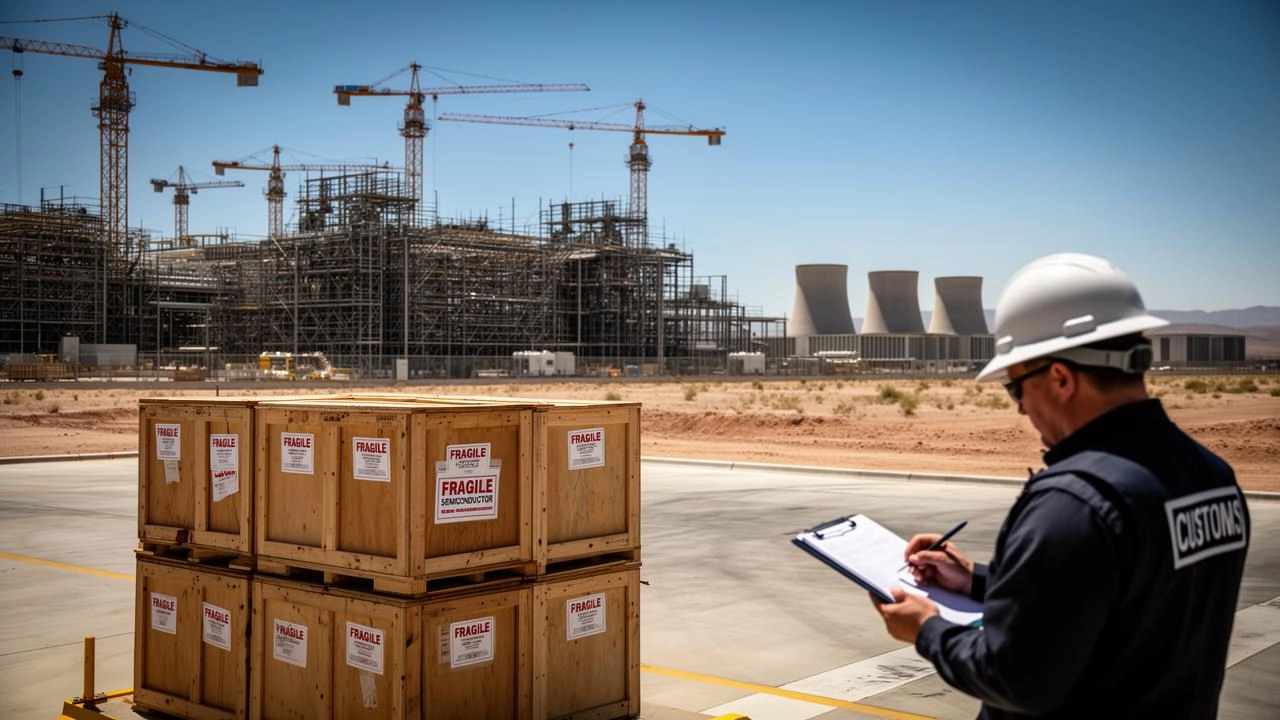

Semiconductor Tariff Expansion Threatens Electronics Sellers | 25-100% Cost Impact
- Trump administration weighs sweeping tariffs on laptops, servers, gaming consoles; phase-in period creates urgent inventory planning window for cross-border sellers


















Overview
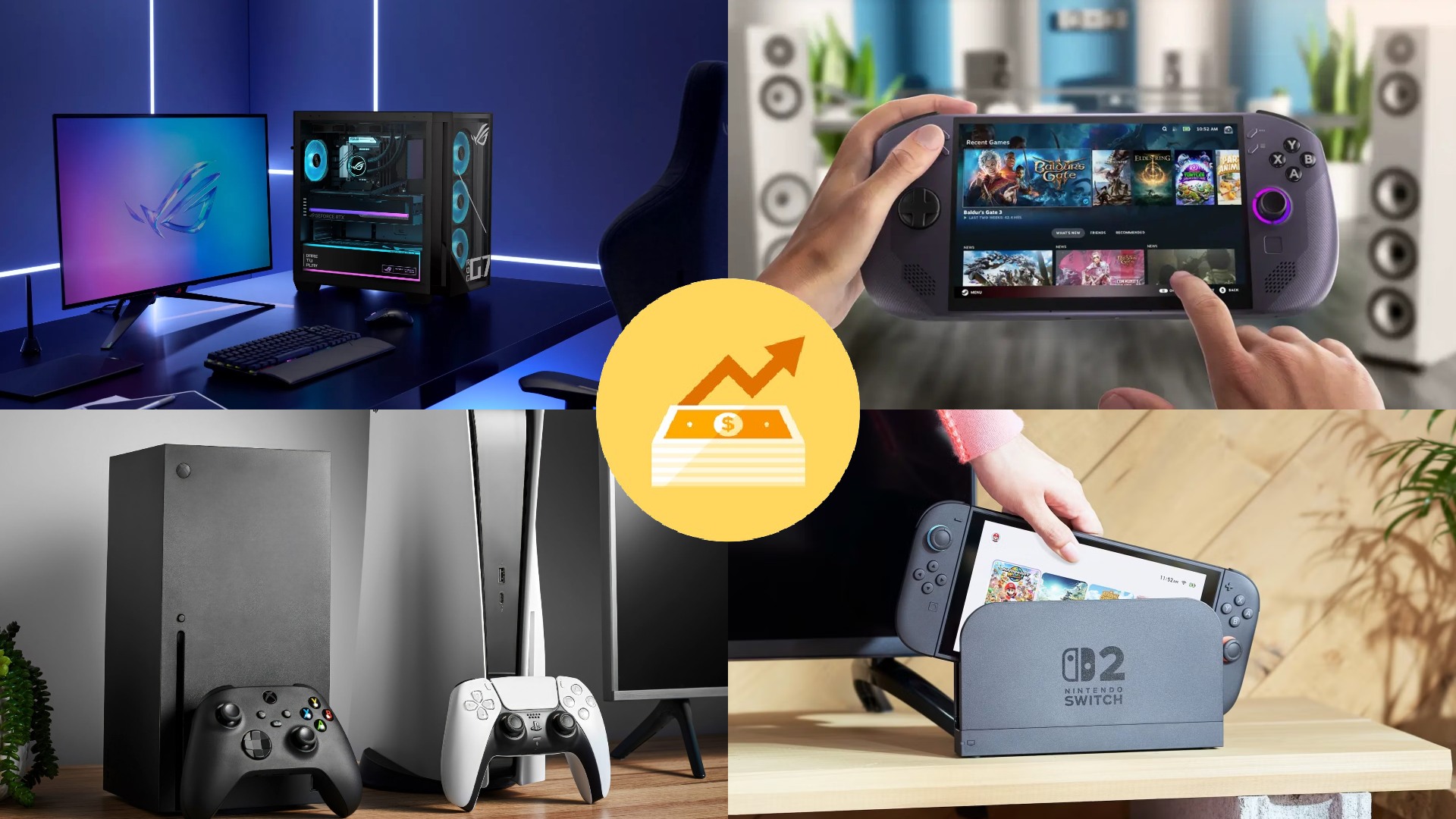
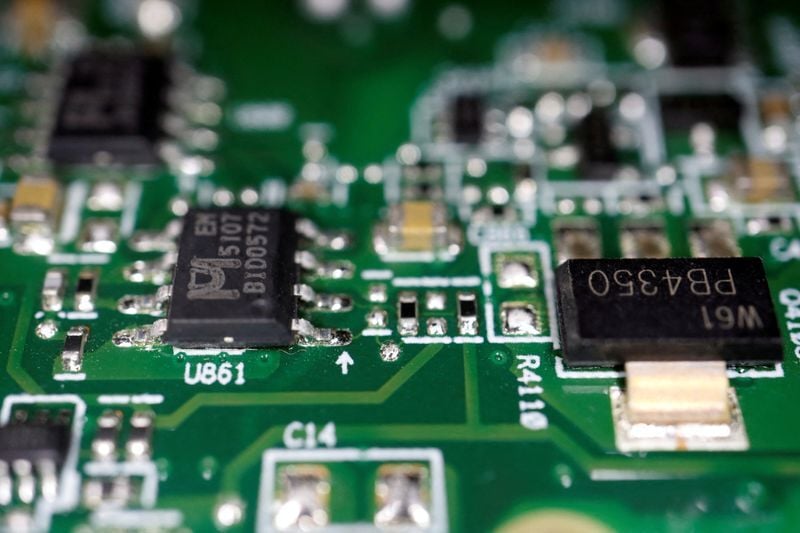
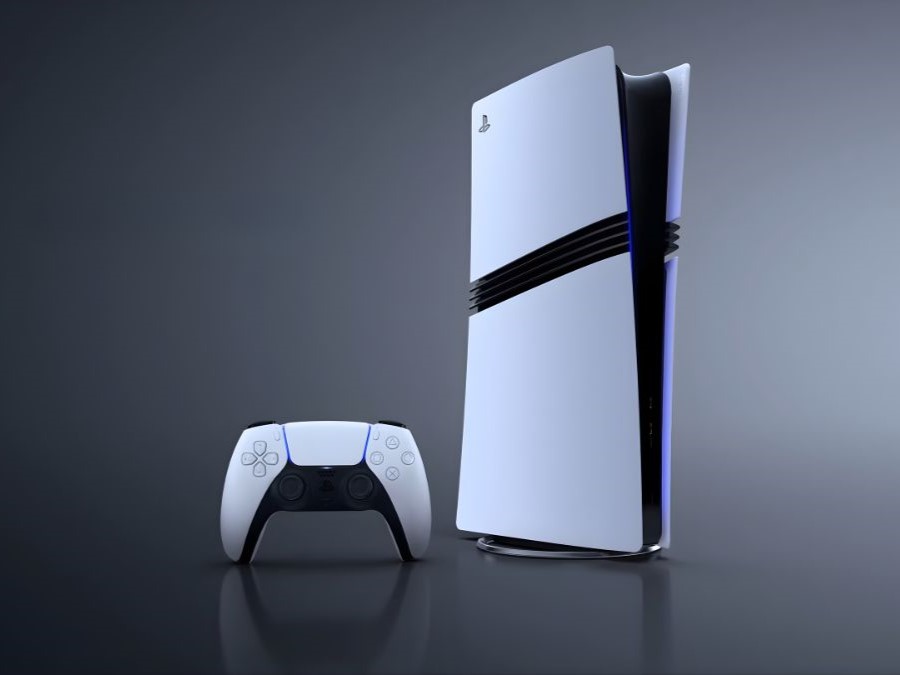
The Trump administration is actively considering a sweeping expansion of semiconductor tariffs that extends far beyond microchips to finished products including laptops, data center servers, gaming consoles, and consumer electronics, according to Politico reporting from August 27, 2026, citing eight sources familiar with internal discussions. Commerce Secretary Howard Lutnick favors a framework linking foreign companies' tariff relief to U.S. chip manufacturing investments, with implementation planned through a staggered phase-in period. This represents a dramatic escalation from the existing 25% tariff on AI chips imposed in January 2025 and previous proposals for ~100% duties on semiconductors.
For cross-border e-commerce sellers, this policy creates immediate cost pressures across multiple high-volume categories. Sellers importing electronics from Asia—particularly laptops, gaming hardware, and server equipment—face potential tariff increases of 25-100% depending on final implementation. The proposed structure ties tariff relief to domestic U.S. manufacturing commitments, meaning foreign suppliers without U.S. production facilities will absorb full duty costs. This directly compresses profit margins for sellers sourcing from Taiwan (which produces 90%+ of cutting-edge chips), Vietnam, South Korea, and China. The phase-in timeline creates a critical 4-12 week window for sellers to lock in pre-tariff pricing, accelerate inventory purchases, and renegotiate supplier contracts before duties take effect.
The policy's competitive dynamics favor specific seller segments strategically. Small-to-medium sellers (SMBs) with limited inventory capital face margin compression of 8-15% on electronics categories, while large sellers with pre-tariff stockpiles gain temporary competitive advantages. Sellers with existing U.S.-based manufacturing partnerships or those pivoting to domestically-produced alternatives position themselves for tariff exemptions. The administration's reduced support for previous exemptions (data centers, R&D, startups, consumer applications) signals narrowing loopholes—sellers cannot rely on historical exemption pathways. Additionally, the policy creates sourcing arbitrage opportunities: sellers can shift procurement to countries with lower tariff rates if the administration implements country-specific quotas, or accelerate sourcing from Mexico/Canada under USMCA advantages.
Implementation uncertainty remains high, but the timeline is compressing. The White House confirmed reshoring is a "top priority" with "hundreds of billions in sector investments" already secured, indicating strong political commitment. However, officials cautioned that reporting should be treated as "speculation unless officially announced," and the proposal is "subject to substantial revision in coming weeks or months." This creates a 30-90 day window where final tariff rates, product scope, and phase-in schedules remain fluid. Sellers must monitor Commerce Department announcements weekly and prepare contingency scenarios for 25%, 50%, and 100% tariff scenarios across different product categories.
Questions 8
How much will tariffs increase costs for sellers importing laptops and gaming hardware?
Potential cost increases range from **25% to 100%** depending on final tariff rates and product classification. For a seller importing laptops at $500 landed cost, a 50% tariff would add $250 per unit, compressing margins by 8-15% for typical electronics sellers. Gaming consoles and servers face similar exposure. The phase-in period creates a critical window—sellers locking in pre-tariff pricing now can avoid these increases, while delayed purchases face full duty exposure. Sellers with U.S.-based manufacturing partnerships may qualify for exemptions, but the administration has signaled reduced support for previous exemption categories.
What specific products will face new semiconductor tariffs under Trump's proposal?
The Trump administration's proposal expands tariffs beyond microchips to finished products containing semiconductors, including **laptops, data center servers, gaming consoles, and consumer electronics**. Commerce Secretary Lutnick's framework ties tariff relief to U.S. manufacturing investments, meaning foreign-sourced products face 25-100% potential duties. The proposal builds on the existing **25% tariff on AI chips imposed in January 2025**. Sellers importing these categories from Asia face the most immediate impact, with implementation planned through a staggered phase-in period over coming months.